Table of Contents
Introduction to Dropshipping
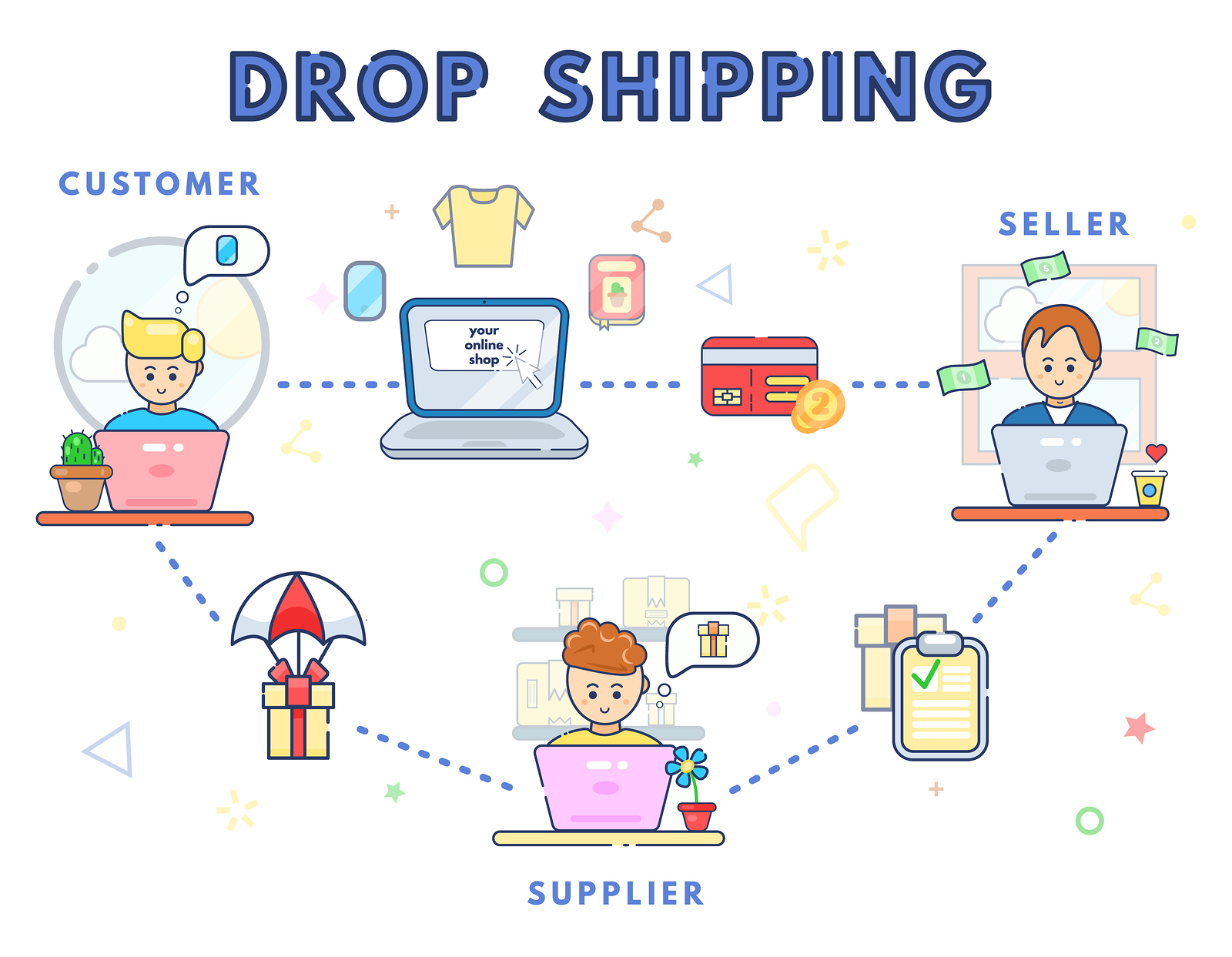
Dropshipping is a retail fulfillment model that allows businesses to sell products without holding inventory. Instead, the retailer partners with suppliers who handle storage, packaging, and shipping directly to customers. This model minimizes upfront costs and logistical complexities, making it accessible for entrepreneurs and established businesses alike. However, its simplicity often masks critical nuances like supplier reliability, profit margins, and legal compliance. This guide demystifies dropshipping, exploring its mechanics, benefits, challenges, and future potential.
Core Mechanics of Dropshipping
Supplier Partnerships
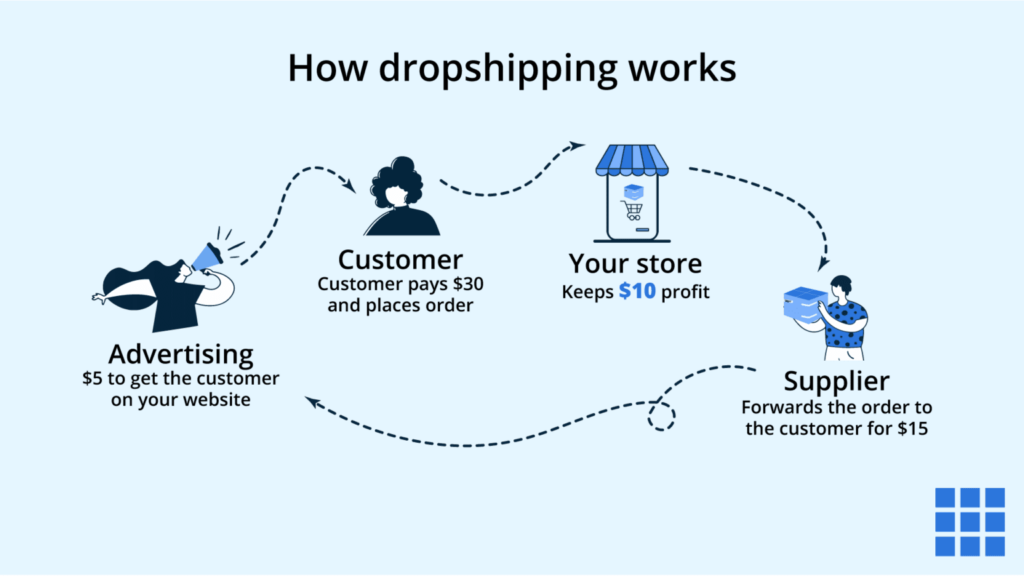
Retailers collaborate with suppliers—manufacturers, wholesalers, or third-party logistics providers—to list their products. When a customer places an order, the supplier receives the details and ships the product. This eliminates the need for retailers to manage stock.
Customer Experience
Customers interact solely with the retailer’s storefront, unaware of the supplier’s role. Retailers must ensure seamless communication between suppliers and customers to maintain trust.
Profit Margins
Retailers earn the difference between the supplier’s wholesale price and the retail price. Margins typically range from 15% to 40%, depending on product pricing and competition.
Pros and Cons of Dropshipping
Advantages
- Low Startup Costs: No need to invest in inventory or warehousing.
- Scalability: Test new products without financial risk.
- Flexibility: Operate from anywhere with an internet connection.
Disadvantages
- Thin Margins: High competition in popular niches (e.g., phone accessories) can erode profits.
- Supplier Dependency: Stockouts, shipping delays, or quality issues directly impact customer satisfaction.
- Limited Control: Retailers can’t oversee packaging, branding, or shipping speed.
Legal and Ethical Considerations
Compliance Requirements
- Consumer Protection Laws: Retailers must adhere to return policies, warranty terms, and product safety standards (e.g., CE marking in the EU).
- Tax Obligations: Collect and remit sales tax/VAT based on the customer’s location.
- Intellectual Property: Avoid selling counterfeit goods; verify supplier authenticity.
Ethical Challenges
- Sustainability: Many dropshipped products are fast-fashion or plastic items with high environmental impact.
- Labor Practices: Suppliers in low-cost regions may exploit workers.
How to Start a Dropshipping Business
Step 1: Market Research
- Niche Selection: Use tools like Google Trends or Jungle Scout to identify underserved markets (e.g., eco-friendly pet products).
- Competitor Analysis: Study pricing, branding, and customer reviews of existing dropshipping stores.
Step 2: Supplier Sourcing
- Platforms:
- AliExpress: Ideal for beginners due to low MOQs.
- SaleHoo: Vetted suppliers with bulk discounts.
- Spocket: Focuses on U.S. and EU suppliers for faster shipping.
- Verification: Order samples, check certifications (e.g., ISO 9001), and read reviews.
Step 3: Store Setup
- Platforms:
- Shopify: User-friendly with apps like Oberlo for supplier integration.
- WooCommerce: Offers customization but requires technical skills.
- Design: Prioritize mobile optimization, fast load times, and clear return policies.
Step 4: Marketing Strategies
- Paid Ads: Run Facebook/Google ads targeting high-intent keywords (e.g., “organic cotton baby clothes”).
- Content Marketing: Create blogs or videos showcasing product use cases.
- Influencer Collaborations: Partner with micro-influencers for authentic promotions.
Advanced Dropshipping Models
Private Label Dropshipping
- Retailers brand generic products (e.g., white-label skincare) as their own. This allows higher margins and customer loyalty.
Print-on-Demand (POD)
- Suppliers print custom designs on apparel, mugs, or posters only after an order is placed. Ideal for niche markets like fan merchandise.
Subscription Boxes
- Curate themed products (e.g., gourmet snacks, self-care kits) delivered monthly. Subscriptions ensure recurring revenue.
Future Trends in Dropshipping
AI and Automation
- Predictive Analytics: Tools like AdScale forecast demand spikes and optimize ad spend.
- Chatbots: Handle customer inquiries 24/7 using AI platforms like Tidio.
Sustainability Initiatives
- Carbon-Neutral Shipping: Partner with suppliers using eco-friendly packaging and carbon offsets.
- Circular Economy: Suppliers offering product recycling or refurbishment programs.
Hyper-Localized Fulfillment
- Regional Warehouses: Reduce shipping times by partnering with local suppliers.
- 3D Printing: On-demand production hubs minimize overstock and waste.
Conclusion
Dropshipping democratizes retail by lowering entry barriers, but long-term success demands strategic planning and adaptability. Retailers must balance cost efficiency with ethical practices, leverage automation tools, and stay ahead of trends like hyper-local fulfillment. By prioritizing supplier relationships and customer trust, businesses can thrive in this dynamic, competitive landscape.
If you want to enhance your drop shipping efficiency, directly connect with China Quality Inventory 1688 and enjoy high-quality factory prices for your products,you can use looperbuy, a one-stop purchasing-logistics solution:https://looperbuy.com/
Related Questions & Answers
· Is dropshipping legal in all countries?
Yes, but compliance with local consumer laws (e.g., EU’s GDPR, USA’s FTC guidelines) is mandatory.
· Do I need a business license for dropshipping?
Requirements vary by region. Most countries require a business license if selling under a registered business name.
· How do I handle returns in dropshipping?
Work with suppliers who manage returns or use third-party logistics (3PL) services. Clearly communicate return policies to customers.
· Can I use multiple suppliers for one store?
Yes. Diversifying suppliers reduces risk and improves shipping times.
· Are there banks that specialize in dropshipping-friendly accounts?
PayPal, Stripe, and Shopify Payments are popular, but high-risk processors like Payoneer may be needed for certain niches.
Hot Tags: Dropshipping Legal Compliance; Print-on-Demand Business; Private Label Strategies; AI Automation Tools; Ethical Supplier Sourcing; Subscription Box Models; Hyper-Local Fulfillment; 3D Printing Retail; Carbon-Neutral Shipping.