Table of Contents
Introduction: The Need for Speed in Modern Charging
In an era where our lives revolve around smartphones, laptops, and other portable devices, the demand for faster, more efficient charging solutions has never been greater. The emergence of USB-C cables with fast-charging capabilities has transformed the way we power our gadgets, offering unprecedented speed, convenience, and versatility. This article explores the technology behind fast-charging USB-C cables, their advantages over traditional charging methods, and what to consider when choosing the right cable for your devices.
The Evolution of Charging Technology: From Slow to Swift
The Limitations of Legacy Ports and Cables
Older charging ports like Micro-USB and Apple’s Lightning connector were limited in terms of power delivery and data transfer speeds. Users often faced long charging times, bulky cables, and compatibility issues across different devices.
The Emergence of USB-C as a Universal Standard
USB-C (or USB Type-C) has rapidly become the global standard for charging and data transfer. Its reversible design, higher power delivery capabilities, and support for advanced protocols have made it the go-to choice for manufacturers and consumers alike.
How Fast-Charging USB-C Cables Work
The Science Behind Rapid Power Delivery
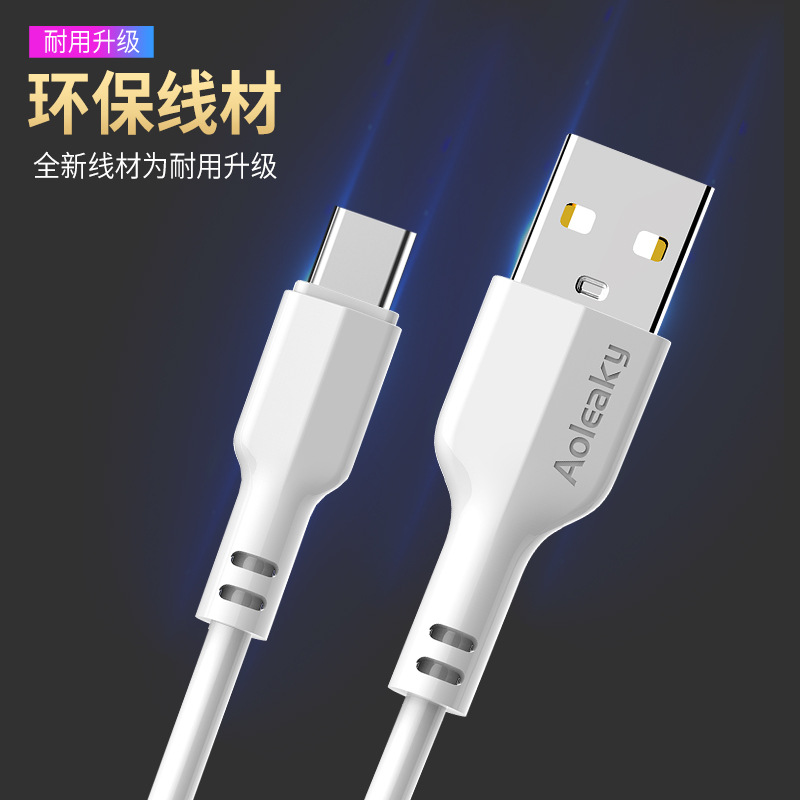
Fast-charging USB-C cables leverage higher wattage (measured in watts) and optimized power delivery protocols to charge devices significantly faster than traditional cables. This is achieved through a combination of advanced materials, intelligent power management, and robust construction.
Key Components of a High-Quality Fast-Charging USB-C Cable
Not all USB-C cables are created equal. The best fast-charging cables feature:
- Reinforced connectors to prevent fraying and ensure a secure connection
- High-quality copper wiring to minimize resistance and heat buildup
- Proper insulation to protect against electrical interference
- Compliance with USB Power Delivery (PD) standards
Understanding Power Delivery (PD) Protocols
USB Power Delivery is a specification that enables flexible power management between devices and chargers. It allows for negotiated power contracts, meaning your device and charger communicate to determine the optimal charging speed and voltage.
Advantages of Fast-Charging USB-C Cables
Significantly Reduced Charging Times
The most obvious benefit is the dramatic reduction in charging time. What once took hours can now be accomplished in a fraction of the time, thanks to power delivery rates of up to 100W or more.
Convenience and Portability
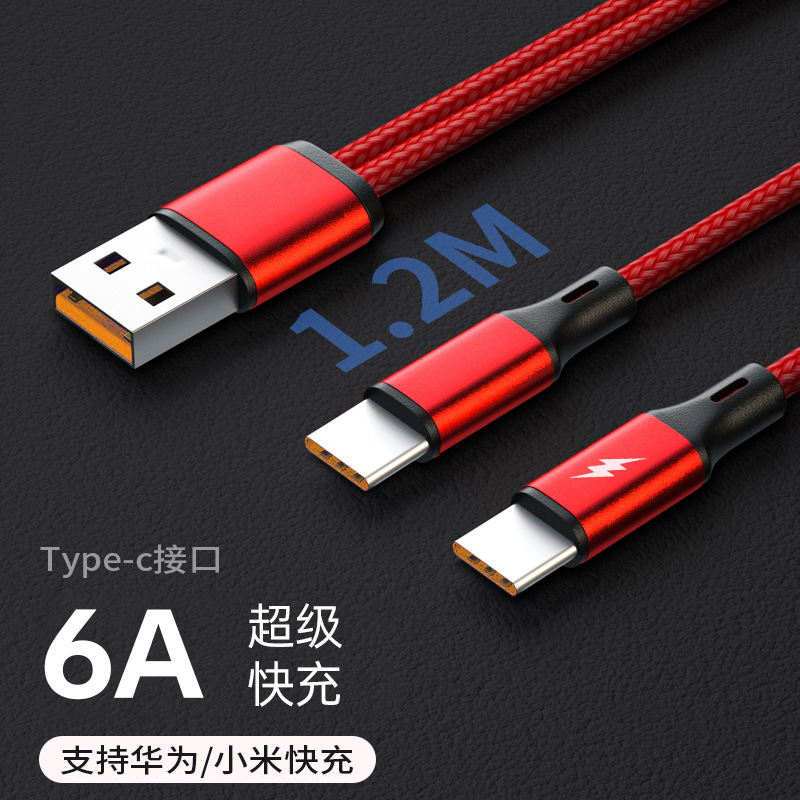
Many fast-charging USB-C cables are designed to be compact and tangle-resistant, making them perfect for travel and on-the-go use. Their universal compatibility means you can often carry just one cable for multiple devices.
Versatility Across Multiple Devices
From smartphones and tablets to laptops and gaming consoles, fast-charging USB-C cables can power a wide range of devices, reducing the need for multiple chargers and cables.
Future-Proofing Your Charging Setup
As more devices adopt USB-C as their standard port, investing in a high-quality fast-charging cable ensures compatibility with future technology purchases.
Choosing the Right Fast-Charging USB-C Cable
Factors to Consider When Making a Purchase
Not all fast-charging cables are created equal. When selecting the right one for your needs, consider:
- Length (shorter cables often charge faster due to less resistance)
- Build quality (look for braided or reinforced cables)
- Certifications (ensure it meets USB-IF standards)
- Compatibility (check if it supports your device’s specific power requirements)
Common Misconceptions About Fast-Charging Cables
Many believe that any USB-C cable can deliver fast charging, but this isn’t true. The cable’s quality, gauge (thickness of the wires), and compliance with power delivery standards all play crucial roles in determining charging speed.
How to Identify a Genuine Fast-Charging USB-C Cable
Look for certifications from organizations like USB-IF, read reviews from trusted sources, and check if the cable explicitly states its power delivery capabilities.
The Future of USB-C Fast Charging
Emerging Technologies and Higher Power Delivery
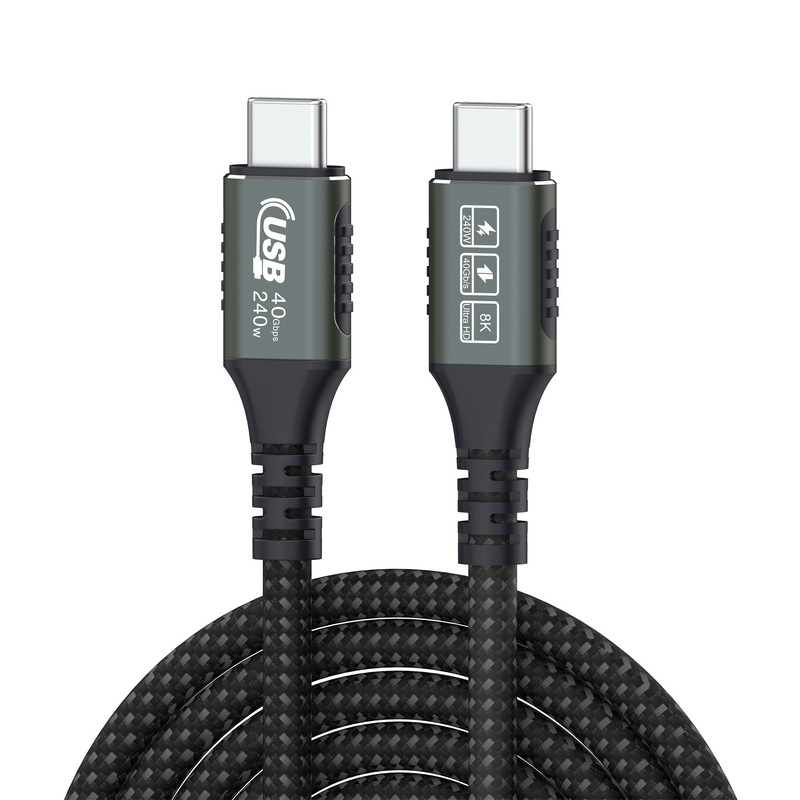
The USB Implementers Forum (USB-IF) continues to push the boundaries of power delivery, with newer versions supporting even higher wattages, potentially enabling laptop-level charging for all devices.
Integration with Wireless Charging and Other Innovations
Some manufacturers are exploring hybrid solutions that combine fast-charging USB-C cables with wireless charging capabilities, offering users multiple charging options in one device.
Sustainability and Eco-Friendly Materials
As environmental concerns grow, we can expect to see more fast-charging cables made from recycled materials and designed for longer lifespans, reducing electronic waste.
Conclusion: Embracing the Fast-Charging Revolution
Fast-charging USB-C cables represent a significant leap forward in how we power our devices. Their ability to deliver rapid charging speeds, universal compatibility, and future-proofing makes them an essential accessory in today’s digital age. By understanding the technology behind these cables and choosing the right one for your needs, you can enjoy faster, more convenient charging while reducing electronic waste and staying ahead of the curve.
How to purchase: https://looperbuy.com/search?keywords=fast+charging+cable+type-c&globalType=1688
Frequently Asked Questions (FAQs)
- What makes a USB-C cable capable of fast charging? The cable must support higher power delivery standards, typically through thicker gauge wires (usually 24 AWG or lower) and proper insulation to handle increased current without overheating. It should also comply with USB Power Delivery specifications, ensuring it can negotiate the appropriate voltage and current levels with your device and charger.
- Can I use any USB-C cable for fast charging, or do I need a special one? Not all USB-C cables support fast charging. Many standard cables are limited to 2.4A or 3A current, which is insufficient for high-wattage charging. To ensure fast charging, you need a cable specifically designed for power delivery, with proper gauge wiring and certification from organizations like USB-IF.
- Why does my fast-charging cable sometimes charge slowly? Several factors can affect charging speed, including using a non-PD charger, a damaged cable, or a device that doesn’t support the same power delivery standards. Temperature can also impact charging speed, as both devices and batteries throttle charging when overheating to prevent damage.
- Are there any risks associated with using fast-charging cables? When used with compatible devices and chargers, fast-charging cables are generally safe. However, low-quality or counterfeit cables may lack proper safety features, increasing the risk of overheating, electrical shorts, or even battery damage. Always purchase from reputable brands and look for safety certifications.
- How do I know if my device supports fast charging with USB-C? Check your device’s specifications in the user manual or manufacturer’s website. Most modern smartphones, tablets, and laptops from brands like Samsung, Apple (with USB-C models), Google, and others support some form of fast charging via USB-C, though the exact power delivery rates may vary between models.
Hot Tags: Fast charging cables; USB-C technology; Power delivery standards; Rapid charging solutions; Universal charging cables; High-speed device charging; USB-C accessories; Modern charging technology; Portable power solutions; Tech accessories guide