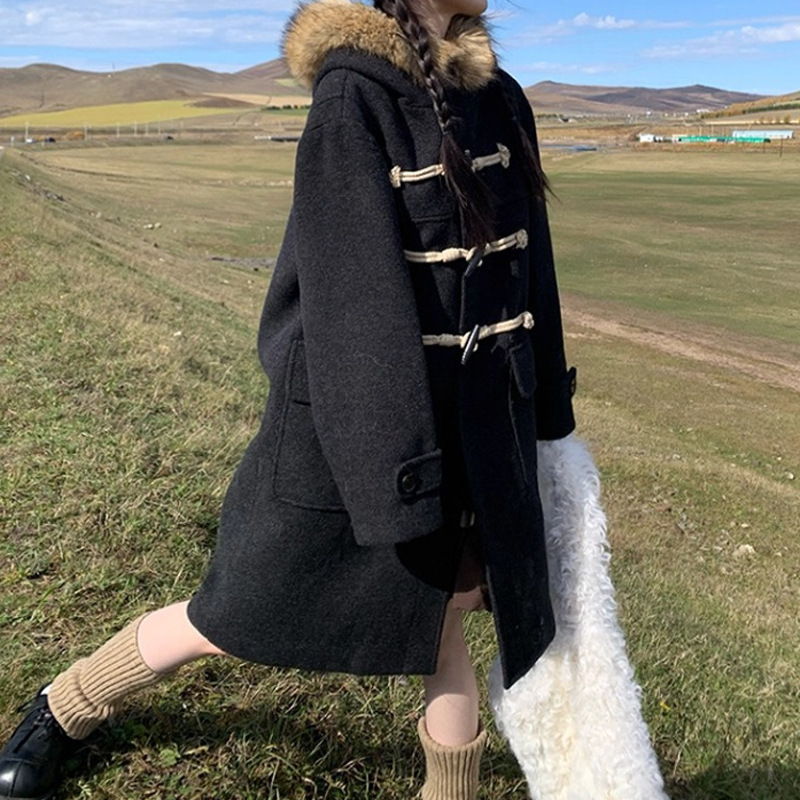
The world of fashion is often criticized for its fleeting nature, a relentless cycle of trends that encourages consumption and disposal. However, standing in stark contrast to this culture of transience is the enduring appeal of vintage wool coats. These garments are not merely pieces of clothing; they are artifacts of a bygone era when quality was the primary metric of value and a coat was expected to last for decades, if not a lifetime. To own an authentic vintage piece is to possess a tangible connection to the history of tailoring, reflecting the social shifts and aesthetic revolutions of the twentieth century. From the heavy, structured overcoats of the post-war years to the minimalist silhouettes of the nineties, these items represent a standard of craftsmanship that is increasingly difficult to find in the age of fast fashion.
The fascination with wool as a material is deeply rooted in its unique physical properties. Unlike synthetic fibers derived from petroleum, wool is a natural, renewable, and biodegradable resource. In the vintage market, the quality of wool often surpasses that of modern equivalents because the manufacturing processes of the mid-twentieth century favored density and durability over speed and cost-cutting. When you touch a vintage wool coat, you can feel the substantial weight and the complex texture of the weave. This sensory experience is the first indication of the garment’s superior insulating properties and its ability to maintain its shape over decades of wear. As we explore the evolution and technical mastery of these pieces, it becomes clear why they remain the ultimate prize for collectors and style enthusiasts alike.
Table of Contents
The Evolution of a Silhouette: A Decade-by-Decade Analysis
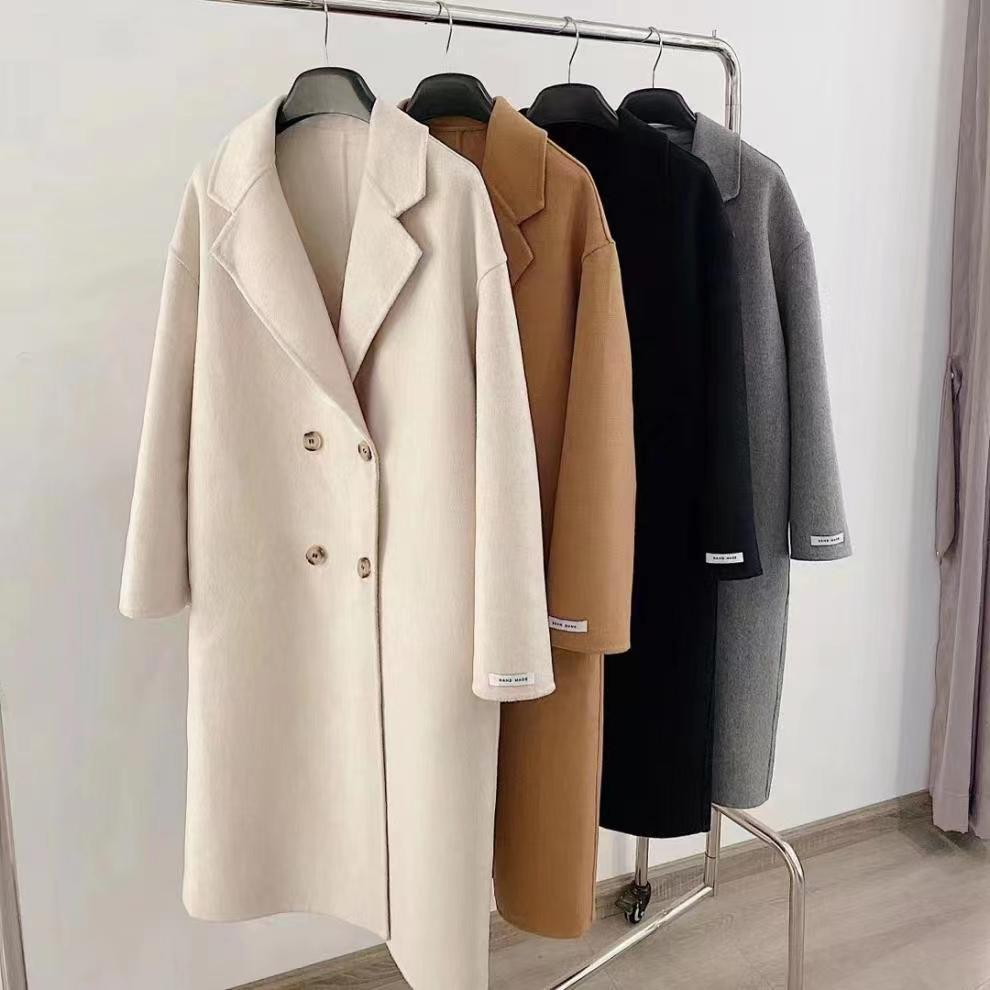
The history of the wool coat is a mirror reflecting the broader changes in society, gender roles, and technology. Each decade brought with it a distinct philosophy of design, dictated by the available materials and the cultural zeitgeist of the time. To understand a vintage wool coat, one must understand the era that birthed it.
The Structured Strength of the 1940s
During the 1940s, fashion was heavily influenced by the constraints of World War II. In many countries, fabric rationing laws, such as the Utility Scheme in Britain, dictated exactly how much material could be used in a single garment. This led to a very specific aesthetic for vintage wool coats from this era. Silhouettes became shorter and more utilitarian, stripping away the excess fabric of the previous decades. Shoulders were padded and squared, creating a strong, almost masculine line that reflected the resilience of women during the war years. These coats were typically single-breasted to save on cloth, with simple, functional buttons and minimal ornamentation. The wool used was incredibly dense and hard-wearing, often in practical colors like navy, charcoal, or forest green, designed to withstand the rigors of a difficult time while maintaining a sharp, professional appearance.
The Opulence and Volume of the 1950s
As the world emerged from the shadow of war, the 1950s ushered in a period of luxury and exuberance. Christian Dior’s “New Look” revolutionized the female silhouette, and this influence was clearly visible in the outerwear of the decade. Vintage wool coats from the fifties are characterized by their dramatic volume and feminine shapes. The “swing coat” became an iconic style, featuring a narrow shoulder that flared out into a wide, tent-like hem. This design allowed women to wear the voluminous, petticoated skirts of the era underneath without crushing them. The fabrics became more varied and luxurious, with the introduction of plush mohair blends and heavy bouclés. Details such as oversized collars, three-quarter length “bracelet” sleeves, and large, decorative buttons made these coats a statement of optimism and elegance.
The Avant-Garde Rebellion of the 1960s
The 1960s saw a radical departure from the structured glamour of the previous decade. As the “Youthquake” movement took hold, fashion became more experimental and playful. Vintage wool coats from this era often featured geometric, A-line silhouettes and bold, vibrant colors. Designers like Mary Quant and André Courrèges utilized wool as a medium for artistic expression, creating coats with “Space Age” influences. We see the rise of the pea coat as a civilian staple and the popularity of “mod” styles with contrasting piping and oversized tabs. The construction became sleeker, often eschewing the heavy internal padding of the forties in favor of a crisp, architectural look that emphasized the shape of the garment itself rather than the body underneath.
The Bohemian Maxis of the 1970s
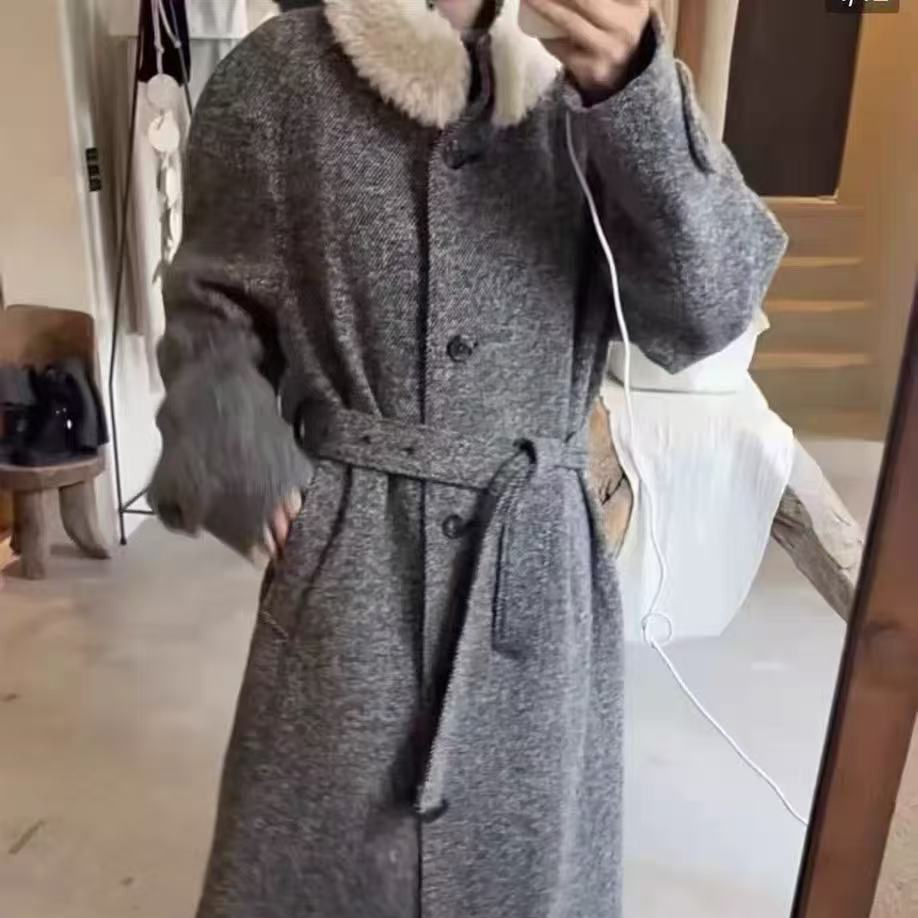
The 1970s brought a return to naturalism and a rejection of the polished synthetic looks of the sixties. This was the era of the “maxi” coat—long, floor-sweeping wool garments that provided a sense of drama and protection. Vintage wool coats from the seventies often utilized earthy tones like rust, mustard, and chocolate brown. The textures were often coarser and more organic, featuring heavy tweeds, Donegal knits, and rougher wools that felt closer to the source. Influenced by bohemian and folk aesthetics, these coats frequently incorporated shearling trims or patchwork details. The silhouette was elongated and lean, often cinched with a matching wool belt to create a relaxed yet sophisticated profile that complemented the flared trousers and platform boots of the time.
The Corporate Power of the 1980s and Minimalist Nineties
The 1980s redefined the wool coat as a symbol of professional success and power. This was the decade of the “power coat,” characterized by massive shoulder pads and oversized, slouchy fits. These coats were designed to take up space, mirroring the aggressive corporate culture of the era. Rich, saturated colors and bold patterns like houndstooth and glen plaid were common. Conversely, the 1990s saw a retreat into quiet minimalism. The vintage wool coats of this decade, championed by brands like Jil Sander and Max Mara, focused on the purity of the material and the precision of the cut. These were often long, lean overcoats in neutral palettes of beige, camel, and black. They relied on the drape of high-quality wool-cashmere blends rather than decorative details, proving that true luxury is often found in simplicity.
The Technical Superiority of Vintage Construction
Beyond the shifting hemlines and changing silhouettes, the true value of vintage wool coats lies in their technical construction. To compare a vintage coat to a modern mass-produced item is to witness a decline in the art of tailoring. The internal architecture of these older garments reveals a level of detail that is now reserved for the most expensive bespoke houses.
The Difference in Fiber Density and Fabric Milling
One of the most striking differences between vintage and modern wool is the density of the fabric. In the past, wool was milled to a much higher “gram weight” per yard. This was because wool was the primary source of warmth before the invention of high-tech synthetic insulators. A vintage “Melton” wool coat, for instance, is so densely woven and felted that it is naturally windproof and water-resistant. Modern manufacturers often “loft” their wool, using less fiber to create a thicker-looking but less dense fabric that lacks the same durability and thermal protection. Vintage wool also tends to have longer fibers, which makes it less prone to the “pilling” that plagues cheaper, modern wool-synthetic blends.
The Secrets of Hidden Tailoring
The beauty of a vintage wool coat is often found in what you cannot see. High-quality vintage pieces utilize “floating canvases” made of horsehair or heavy linen. This internal structure is hand-stitched into the chest and lapels, allowing the coat to mold to the wearer’s body over time while maintaining its crisp shape. In modern fast fashion, this is replaced by “fused” interfacing—a synthetic material glued to the fabric. Over time, the glue in fused coats can break down, leading to bubbling and a loss of structure. Vintage coats also feature hand-worked buttonholes, weighted hems to ensure a perfect drape, and “besom” pockets that are reinforced with silk or rayon to prevent sagging. These details were not merely decorative; they were functional choices made to ensure the longevity of the garment.
Sustainable Luxury: An Ethical Choice
In the contemporary fashion landscape, sustainability has become a primary concern for many consumers. Choosing vintage wool coats is one of the most effective ways to build an ethical wardrobe. By purchasing a garment that already exists, you are removing yourself from the cycle of production that consumes vast amounts of water, energy, and chemicals. Furthermore, wool is a naturally occurring protein fiber that is fully biodegradable. While a synthetic jacket will sit in a landfill for hundreds of years, shedding microplastics into the environment, a wool coat will eventually return to the earth without leaving a toxic trail.
The longevity of vintage wool is its greatest environmental asset. A coat that was made in 1955 and is still in wearable condition today is a testament to the “cost per wear” philosophy. When we invest in these pieces, we are honoring the labor of the weavers, tailors, and designers of the past. We are also making a statement against the “disposable” mindset of the modern era. A vintage wool coat does not lose its value after a season; instead, it gains character and history, becoming a unique heirloom that can be passed down through generations.
Integration into the Modern Wardrobe
One of the misconceptions about vintage clothing is that it must look like a costume. On the contrary, vintage wool coats are remarkably versatile and can be seamlessly integrated into a contemporary wardrobe. The key is to balance the historical weight of the coat with modern silhouettes and accessories. A structured 1940s coat looks incredibly current when paired with sleek leather boots and a minimalist turtleneck. Similarly, an oversized 1980s overcoat can be worn over a modern hoodie and jeans to create a sophisticated “street style” look that plays with proportions.
The neutral tones common in vintage outerwear—such as camel, navy, and charcoal—act as a perfect foundation for any outfit. Because these coats were designed with classic proportions, they often possess a “timelessness” that transcends the decade of their origin. For the modern professional, a vintage wool overcoat provides a level of gravitas and sophistication that a modern puffer jacket simply cannot match. It signals an appreciation for quality and an eye for detail, making it a powerful tool for personal expression.
The Ritual of Care and Preservation
To ensure that a vintage wool coat lasts for another fifty years, a certain level of care is required. Fortunately, wool is a naturally resilient fiber that requires less maintenance than many people realize. The most important tool for any vintage owner is a natural-bristle garment brush. Brushing the coat after each wear removes surface dust and prevents dirt from becoming embedded in the fibers. Wool also possesses a natural self-cleaning property thanks to the lanolin in the fibers; often, simply airing the coat out in a well-ventilated room is enough to remove odors.
When it comes to cleaning, dry cleaning should be used sparingly, as the harsh chemicals can eventually strip the wool of its natural oils. Spot cleaning and professional steaming are often better alternatives. Storage is also critical: vintage wool should always be hung on wide, padded hangers to support the shoulders and stored in breathable cotton garment bags rather than plastic. To protect against moths, natural repellents like cedar and lavender are highly effective. By following these simple rituals, you are not just maintaining a piece of clothing; you are acting as a steward for a piece of fashion history.
Conclusion
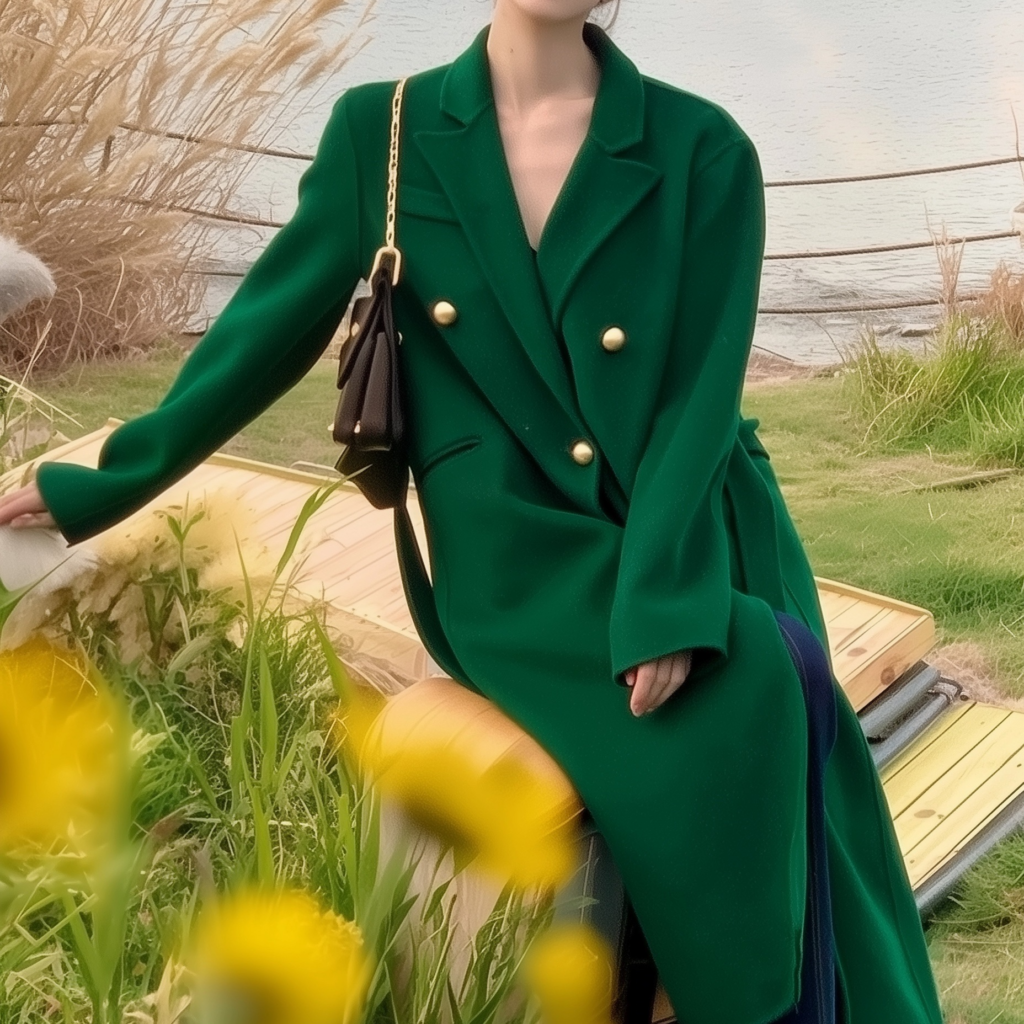
Vintage wool coats represent a rare intersection of art, history, and utility. They remind us that fashion at its best is not about the new, but about the enduring. These garments carry the weight of the decades they have survived, offering a level of warmth, protection, and style that remains unsurpassed by modern alternatives. By choosing to wear vintage, we embrace a slower, more intentional way of living—one that values the craftsmanship of the past and the health of the planet’s future. In a world of fast-moving trends, the vintage wool coat remains a steadfast symbol of elegance and a testament to the idea that true quality never goes out of style.
How to purchase:Online B2B sourcing platform, China purchase, Chinese suppliers – LooperBuy
Frequently Asked Questions
1. How can I identify the era of a vintage wool coat without a date?
Look at the silhouette and the labels. Padded shoulders and shorter lengths often indicate the 1940s, while voluminous “swing” shapes are classic 1950s. Labels can also provide clues; older labels were often woven from silk rather than printed on synthetic material, and the presence of a “Union Made” stamp can help narrow down the manufacturing period.
2. Is vintage wool warmer than modern wool?
Generally, yes. Vintage wool was typically milled to be much denser and heavier because it was the primary source of insulation before synthetic fabrics existed. The high fiber count and the inclusion of heavy internal interlinings make these coats exceptionally effective at blocking wind and retaining body heat.
3. What should I look for to ensure a vintage coat is in good condition?
Check the “high-wear” areas such as the cuffs, collar, and underarms for thinning or pilling. Most importantly, hold the coat up to a light source to check for small “pinholes,” which are signs of moth damage. Also, ensure the lining is intact, as replacing a full lining can be an expensive repair.
4. Can a vintage wool coat be tailored to fit a modern size?
Yes, vintage coats are excellent candidates for tailoring. Because they were made with generous seam allowances and high-quality construction, a professional tailor can easily shorten sleeves, nip in the waist, or even modernize the shoulder pads. This allows you to achieve a custom fit while preserving the original character of the piece.
5. Why does my vintage wool coat have a specific “old” smell, and can it be removed?
That scent is often just dust and the natural oils of the wool that have settled over time in storage. Usually, hanging the coat in a breezy, shaded spot outdoors for a day or using a professional steamer will neutralize the odor. For tougher smells, a gentle professional dry cleaning is the safest solution.
HOT TAGS:
vintage wool coats, historical fashion, sustainable style, heritage tailoring, winter outerwear, wool craftsmanship, fashion history, clothing preservation, ethical fashion, 1950s fashion, 1940s style, textile density, slow fashion, luxury outerwear, garment care, second-hand shopping, sustainable textiles, tailoring techniques, vintage collectors, timeless elegance