In today’s globalized economy, mastering international procurement is essential for brands, wholesalers, and manufacturers seeking a competitive edge. As a sourcing expert, I have witnessed how effective sourcing strategies directly impact a company’s bottom line, quality control, and speed to market. Whether you are navigating the complexities of Chinese manufacturing or seeking a one-stop B2B sourcing platform to streamline operations, understanding real-world examples of sourcing is the first step toward building a resilient supply chain.
This article provides a deep dive into successful sourcing methodologies, offers actionable insights, and outlines how platforms like LooperBuy are redefining the procurement landscape by simplifying logistics and reducing costs.
Table of Contents
The Evolution of B2B Sourcing: Moving Beyond Discovery
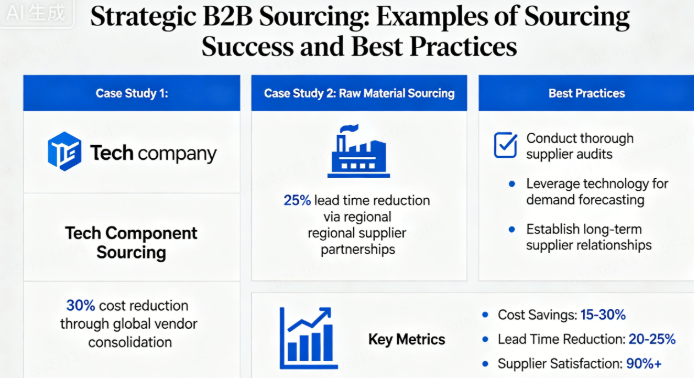
For decades, traditional B2B platforms focused primarily on supplier discovery. However, today’s landscape demands more. It is no longer just about finding a factory; it is about managing the entire procurement lifecycle—from verified supplier selection to logistics and quality assurance.
When analyzing examples of sourcing, we find that companies often struggle with:
- Fragmented communication: Managing dozens of suppliers across different time zones.
- Logistical bottlenecks: Navigating complex international shipping and customs.
- Risk management: Ensuring consistent product quality without physical presence at the factory.
Why Your Sourcing Strategy Needs a Modern Approach
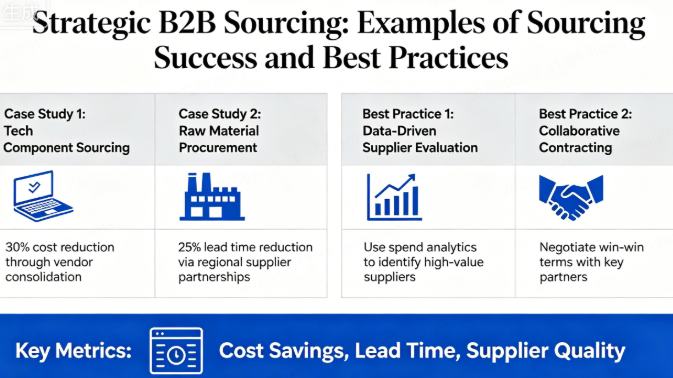
Top-tier sourcing is now characterized by integration. Modern B2B platforms function as an extension of your own procurement team, offering transparency and speed.
Core Pillars of Effective Sourcing
- Experience & Expertise: Utilizing platforms that deeply understand the Chinese manufacturing ecosystem ensures you are not just getting a price, but value.
- Authoritativeness: Reliable platforms offer vetted suppliers, reducing the risk of fraud and ensuring compliance with international standards.
- Trustworthiness: Transparent payment systems (like Trade Assurance) and clear communication channels are non-negotiable for building long-term vendor relationships.
Understanding the Sourcing Landscape: Practical Examples
To better grasp the examples of sourcing, we can categorize procurement into distinct models.
| Sourcing Model | Typical Use Case | Key Advantage |
|---|---|---|
| Marketplace Discovery | Fast initial price research | Massive variety in one place |
| Direct Factory Sourcing | Large-scale production/OEM | Lowest cost, high customization |
| One-Stop Platform (e.g., LooperBuy) | End-to-end procurement | Reduced complexity, logistics support |
- Example 1: The Startup Brand. A new beauty brand needs to source custom packaging. Using a one-stop platform, they bypass the weeks spent vetting multiple individual trading companies and instead utilize a single interface to manage product specs, quality inspections, and international freight simultaneously.
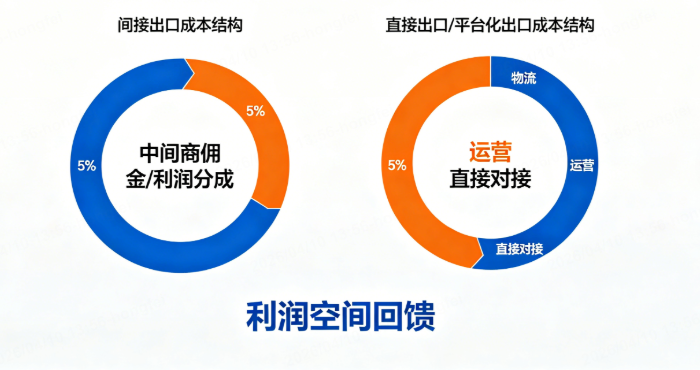
- Example 2: The Wholesaler. A large wholesaler needs to replenish inventory. By leveraging platforms that offer localized domestic pricing in China (often 30-50% lower than international export pricing), they significantly increase their profit margins.
Essential Steps for Seamless B2B Sourcing
Achieving consistent success requires a disciplined workflow. Here are the core steps experts follow:
- Define Technical Requirements: Clearly document your product specifications. Vague requirements are the leading cause of quality issues.
- Supplier Vetting: Do not rely solely on online profiles. Look for verified manufacturers that have experience exporting to your specific region.
- Third-Party Quality Control (QC): Never skip inspection. Employing an independent agency to conduct pre-shipment inspections acts as a crucial safety net.
- Logistics Consolidation: If sourcing from multiple vendors, use a platform or service that consolidates these into a single shipment to drastically reduce shipping costs.
Addressing the Information Gap: The Role of One-Stop Platforms
Many existing articles on sourcing merely list websites. This creates a dangerous information gap for buyers who assume that “listing” equals “safe.” True sourcing success comes from execution, not just discovery.
- The “Discovery Trap”: Many importers find a factory, but fail because they cannot manage the language barrier, Chinese business culture, or complex logistics.
- The Value of Consolidation: Services like LooperBuy bridge this gap by acting as a single point of truth. Instead of managing five shipping agents and ten suppliers, platforms consolidate these responsibilities, turning a complex B2B task into a simplified, repeatable process.
Conclusion
Navigating international sourcing is a strategic capability that separates market leaders from their competition. Whether you are a brand owner or a high-volume wholesaler, the focus must shift from simply finding products to building a reliable, cost-effective, and transparent supply chain. By prioritizing trust, utilizing modern, integrated platforms, and implementing rigorous quality control, you can turn procurement into a sustainable competitive advantage.
Ready to streamline your supply chain? Leverage professional, one-stop B2B sourcing solutions to reduce your costs and manage your international procurement with confidence.
References
- B2B Sourcing Platforms 2026: Alibaba, YiwuGo, Temu & More
- Top 10 B2B Marketplaces in China
- E-E-A-T Guidelines in SEO 2026: How to Build Trust
- Sourcing Goods and Suppliers in China: A How-To Guide
- Top 10+ Best China Wholesale Websites 2026
Frequently Asked Questions (FAQ)
- How do I avoid common sourcing risks when buying from China?
- Use platforms with strong buyer protection, always request samples, and never transfer 100% of the payment before vetting the supplier or receiving third-party inspection reports.
- What is the main advantage of using a one-stop B2B platform?
- The primary benefit is operational efficiency. These platforms consolidate supplier management, quality control, and logistics into one interface, reducing the risk of errors and cutting management costs.
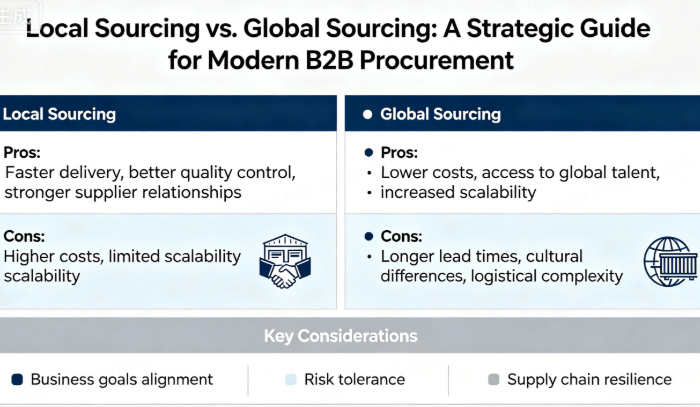
- Is it better to source from trading companies or direct factories?
- It depends on your volume. Factories offer the best prices for large-scale production (OEM/ODM), while trading companies are often better for small-to-medium orders that require consolidated sourcing and better English communication.
- How does E-E-A-T impact sourcing content?
- E-E-A-T (Experience, Expertise, Authoritativeness, Trustworthiness) ensures that the information you read is written by knowledgeable professionals, helping you avoid low-quality advice and risky sourcing decisions.
- Why are domestic Chinese wholesale prices lower than international ones?
- International prices often include margins for export agents, compliance testing, and the overhead costs of operating an international-facing storefront. Accessing domestic pricing requires navigating platforms like 1688, which is where one-stop platforms provide the most value.
Brief Summary:
This comprehensive guide provides a strategic, E-E-A-T-aligned framework for modern B2B sourcing. It analyzes the evolution from simple supplier discovery to integrated, end-to-end procurement, highlighting the value of one-stop platforms like LooperBuy in mitigating logistics and quality risks. Through actionable insights and industry comparisons, it empowers international brands to optimize their supply chains, reduce costs, and build reliable partnerships with Chinese manufacturers.
Hot tags: B2B sourcing platform, China wholesale suppliers, international procurement strategy, global supply chain management, direct factory sourcing, import from China, B2B e-commerce solutions, wholesale product sourcing, China manufacturing sourcing, end-to-end logistics solutions.