In an age where staying connected is paramount, the quest for reliable power sources has led many to explore solar chargers for phones. These innovative devices harness the sun’s energy to provide a sustainable and portable charging solution. But can a solar charger for your phone truly keep you connected anywhere? This article delves into the functionality, benefits, and considerations of using solar chargers, helping you determine if they are the right choice for your mobile charging needs.
Table of Contents
Understanding Solar Chargers for Phones
What is a Solar Charger?
A solar charger is a device that converts sunlight into electrical energy, which can then be used to charge electronic devices, including smartphones. These chargers typically consist of solar panels, a battery storage system, and various output ports for connecting devices. The efficiency of a solar charger depends on the quality of its solar panels, the amount of sunlight available, and the design of the charger itself. Many modern solar chargers are designed with advanced technology that maximizes energy conversion, ensuring that even in less-than-ideal conditions, you can still get a decent charge. This makes them not only practical but also a smart investment for anyone who relies heavily on their devices.
How Do Solar Chargers Work?
Solar chargers operate on the principle of photovoltaic cells, which convert sunlight into electricity. When sunlight hits the solar panels, it excites electrons in the cells, generating direct current (DC) electricity. This electricity can either be used immediately to charge a device or stored in a built-in battery for later use. Most solar chargers come equipped with USB ports, allowing you to connect your phone or other devices directly. The technology behind these chargers has evolved significantly, with many now featuring smart charging capabilities that can detect the optimal charging speed for your device, thus preventing overcharging and extending battery life.
The Benefits of Using Solar Chargers
Eco-Friendly Energy Source
One of the most significant advantages of solar chargers is their eco-friendliness. By utilizing renewable solar energy, these chargers reduce reliance on fossil fuels and decrease carbon footprints. This makes them an excellent choice for environmentally conscious consumers. As the world increasingly shifts towards sustainable energy solutions, using solar chargers aligns with global efforts to combat climate change. Additionally, many solar chargers are made from recyclable materials, further enhancing their environmental benefits.
Portability and Convenience
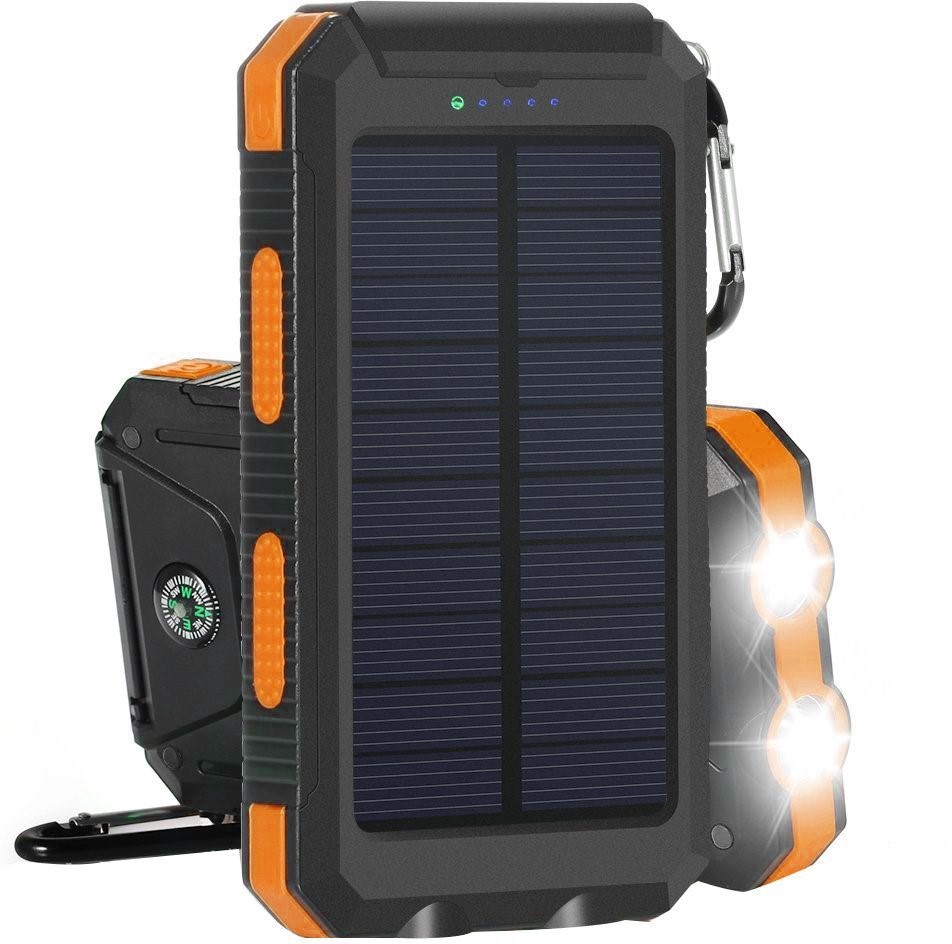
Solar chargers are designed for portability, making them ideal for outdoor activities such as camping, hiking, or traveling. Many models are lightweight and compact, allowing you to easily pack them in your backpack. Some even come with features like built-in flashlights or compasses, enhancing their utility in outdoor settings. The convenience of having a solar charger means you can enjoy your adventures without the constant worry of your phone dying. Whether you’re navigating through a national park or simply enjoying a day at the beach, a solar charger ensures that you can stay connected and capture those memorable moments.
Independence from Power Outlets
With a solar charger, you can charge your phone anywhere there is sunlight, eliminating the need for traditional power outlets. This is particularly beneficial during emergencies, natural disasters, or power outages when access to electricity may be limited. The ability to charge your devices off the grid can provide peace of mind, especially for those who frequently travel to remote locations. Furthermore, solar chargers can be a lifesaver during outdoor events or festivals where power sources are scarce, allowing you to keep your devices charged and ready for use.
Cost-Effective in the Long Run
While the initial investment in a solar charger may be higher than traditional chargers, the long-term savings can be significant. By harnessing free solar energy, you can reduce your electricity bills and avoid the costs associated with purchasing disposable batteries. Over time, the savings from not having to rely on conventional charging methods can offset the initial purchase price of the solar charger. Additionally, many solar chargers are built to last, often featuring durable materials that withstand the rigors of outdoor use, making them a cost-effective solution for years to come.
Choosing the Right Solar Charger for Your Phone
Key Features to Consider
When selecting a solar charger for your phone, consider the following features:
– Power Output: Look for chargers with higher wattage for faster charging. Most smartphones require at least 5 watts to charge effectively. Higher wattage chargers can significantly reduce charging time, making them more efficient for users on the go.
– Battery Capacity: A built-in battery allows you to store energy for later use. Higher capacity batteries can charge your phone multiple times before needing to be recharged. This feature is particularly useful for extended trips where access to sunlight may be limited.
– Durability: If you plan to use your solar charger outdoors, choose a rugged, weather-resistant model that can withstand the elements. Many solar chargers are designed to be shockproof and waterproof, ensuring they can handle rough conditions.
– Portability: Consider the size and weight of the charger, especially if you plan to carry it on hikes or trips. Compact and lightweight designs are easier to transport, making them more convenient for outdoor adventures.
Popular Types of Solar Chargers
There are several types of solar chargers available, each catering to different needs:
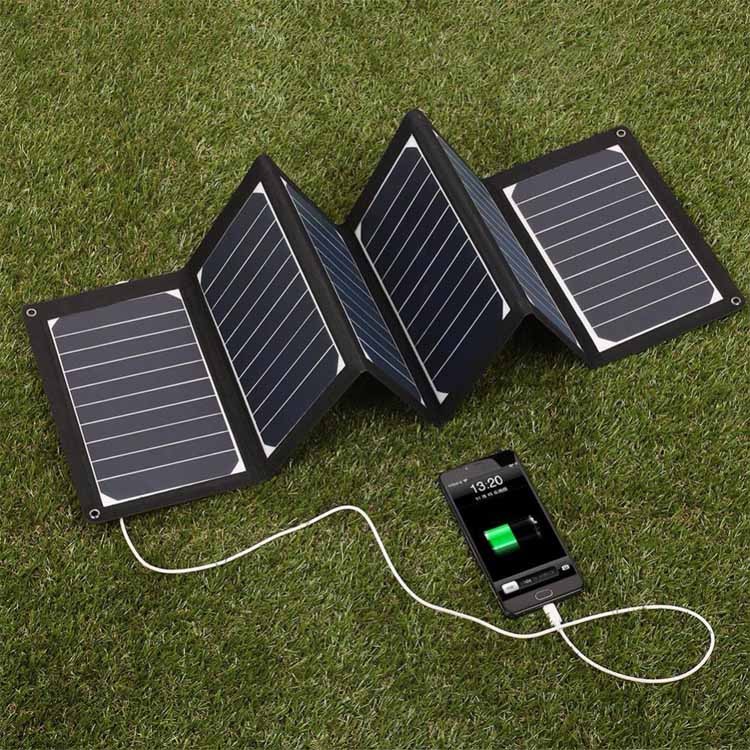
– Foldable Solar Panels: These chargers consist of multiple solar panels that can be unfolded for maximum sunlight exposure. They are ideal for camping and outdoor activities, as they can be set up to capture sunlight efficiently.
– Solar Power Banks: These devices combine solar panels with a battery storage system, allowing you to charge your phone even when the sun isn’t shining. This versatility makes them a popular choice for travelers who may not always have access to direct sunlight.
– Integrated Solar Chargers: Some phone cases come with built-in solar panels, providing a convenient way to charge your phone on the go. These cases are perfect for everyday use, ensuring that your phone remains charged without the need for additional accessories.
Limitations of Solar Chargers
Dependence on Sunlight
The effectiveness of solar chargers is directly tied to sunlight availability. On cloudy days or in shaded areas, charging times can be significantly longer, and in some cases, may not work at all. This limitation can be a drawback for users in regions with less sunlight. It’s essential to plan your charging needs accordingly, especially if you’re relying on solar power for critical devices.
Slower Charging Speeds
Compared to traditional chargers, solar chargers often have slower charging speeds. While they are suitable for emergency use or slow charging, they may not be ideal for quickly powering up devices in urgent situations. Users should be aware that solar chargers are best used as a supplementary charging option rather than a primary source, especially when time is of the essence.
Initial Cost
Although solar chargers can save money in the long run, the upfront cost can be a barrier for some consumers. High-quality solar chargers with advanced features tend to be more expensive than standard chargers. However, considering the long-term benefits and potential savings, many users find that the investment is worthwhile.
Tips for Maximizing Solar Charger Efficiency
Positioning for Optimal Sunlight
To maximize the efficiency of your solar charger, position it in direct sunlight whenever possible. Adjust the angle of the panels to capture the most sunlight throughout the day. This simple adjustment can significantly enhance the charging speed and overall performance of your solar charger.
Keep the Panels Clean
Dust and debris can reduce the efficiency of solar panels. Regularly clean the surface of your solar charger to ensure optimal performance. A clean surface allows for better light absorption, which translates to more energy being converted into electricity.
Use During Peak Sunlight Hours
The best time to charge your devices with a solar charger is during peak sunlight hours, typically between 10 a.m. and 4 p.m. During these hours, the sun’s rays are the strongest, providing the most energy for charging. Planning your charging sessions around these times can help you get the most out of your solar charger.
Conclusion
In conclusion, a solar charger for your phone can be a valuable tool for staying connected, especially in outdoor settings or during emergencies. While they offer numerous benefits, including eco-friendliness, portability, and independence from power outlets, they also come with limitations such as dependence on sunlight and slower charging speeds. By understanding these factors and choosing the right solar charger, you can ensure that you remain connected wherever your adventures take you.
How to purchase:https://looperbuy.com/search?keywords=Solar+Charger+for+Phone+
Frequently Asked Questions
1. How long does it take to charge a phone with a solar charger?
Charging times vary based on the solar charger’s power output and the amount of sunlight available. Generally, it can take anywhere from 2 to 10 hours to fully charge a smartphone, depending on the charger’s efficiency and the device’s battery capacity.
2. Can I use a solar charger in cloudy weather?
Yes, solar chargers can still work in cloudy weather, but charging times will be significantly longer. It’s best to use them in direct sunlight for optimal performance, but they can provide some charge even in less favorable conditions.
3. Are solar chargers waterproof?
Many solar chargers are designed to be water-resistant or waterproof, making them suitable for outdoor use. However, always check the specifications before exposing them to water to ensure they can withstand wet conditions.
4. Can I charge multiple devices at once with a solar charger?
Some solar chargers come with multiple output ports, allowing you to charge several devices simultaneously. Check the specifications to ensure it meets your needs, especially if you plan to charge multiple devices during your adventures.
5. Do solar chargers work with all phone models?
Most solar chargers are compatible with any device that charges via USB. However, it’s essential to check the charger’s specifications to ensure compatibility with your specific phone model, especially if you have a device that requires a specific charging protocol.