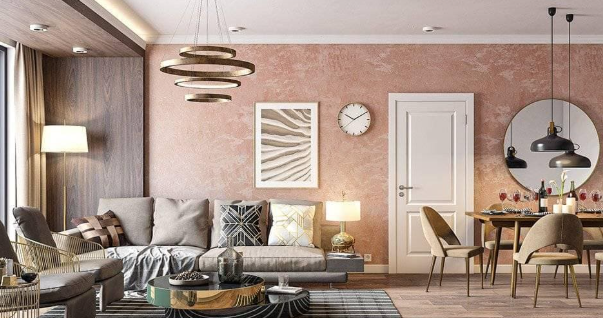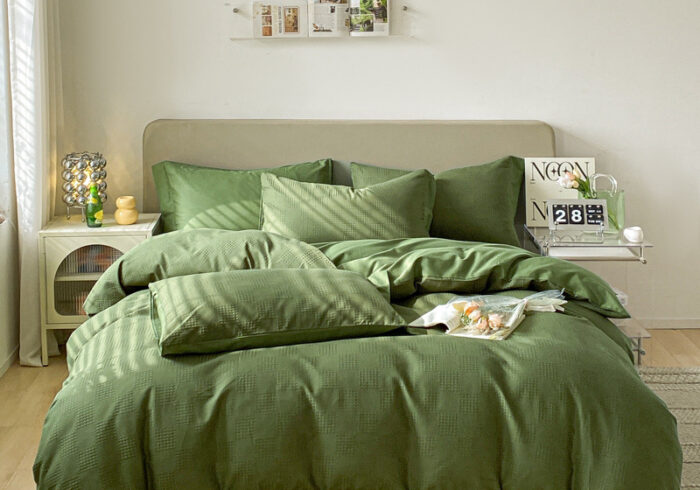
The allure of living in a tiny house extends far beyond the novelty of dwelling in a compact space. For many, it represents a conscious rejection of consumerism and a dedicated move toward intentional, sustainable living. However, the physical reality of a home measuring a few hundred square feet necessitates a drastic departure from traditional interior design norms. In a space where every square inch represents a significant percentage of your total living area, the furniture you select acts as the heartbeat of your home. Choosing the right small furniture for tiny houses is not merely about scaling down; it is about finding a sophisticated balance between form, function, and the preservation of a peaceful, uncluttered life.
Table of Contents
Navigating the Philosophy of Proportional Design
When you are working within the architectural constraints of a micro-dwelling, the most common mistake is assuming that smaller is always better. While it is true that you cannot fit oversized sofas or massive dining tables, selecting pieces that are too diminutive can make a room feel like a dollhouse. The goal is to achieve an equilibrium where the furniture feels purposeful and proportional to the architecture, allowing the eye to rest and the body to move freely.
Prioritizing Visual Airiness
The sensation of space in a tiny home is largely a result of how much floor you can see. Furniture that sits directly on the floor—such as boxy sectionals or heavy wooden cabinets—tends to visually anchor the space, making it feel heavy and compressed. To counteract this, prioritize small furniture for tiny houses that features raised designs. Pieces with tapered legs or elevated platforms allow natural light and air to circulate underneath, creating the illusion of a larger floor plane. This simple design choice tricks the eye into perceiving more space, which is critical for maintaining a sense of openness.
Establishing Uninterrupted Sightlines
In a compact environment, your view is rarely obstructed by walls, but it is frequently blocked by poorly placed furniture. When arranging your living area, try to maintain clear sightlines from one end of the tiny house to the other. If your sofa is too high, it acts as a visual barrier. Opt for low-profile furniture that respects the horizon line of your home. By keeping your furniture at a lower height, you enhance the perceived verticality of the ceiling, which prevents the home from feeling like a cramped container.
The Versatility Mandate: Furniture That Performs
In a traditional home, a desk is for working and a bed is for sleeping. In a tiny house, these roles must overlap. The most successful interiors are those that feature high-performing, multi-functional pieces. These items allow you to transform your home’s utility based on the time of day, ensuring that you never waste precious square footage on a single-use item.
The Transformation of Daily Living
Consider the utility of modular systems. A dining table that collapses into a slim wall-mounted console is a transformative feature for any micro-dwelling. When it is tucked away, you have extra room for yoga or movement; when it is extended, it becomes a hub for meals or professional work. Look for ottomans that hide storage within, serving as footrests, extra guest seating, and organizing units all at once. This ability to morph ensures that your tiny house remains a dynamic environment that caters to your changing needs.
Innovative Storage Integration
Storage is the primary struggle of compact living. Successful furniture design in this niche hides utility in plain sight. Beds with built-in hydraulic lift mechanisms reveal vast storage areas for seasonal clothing, while staircase storage units turn the unavoidable footprint of a ladder into a multi-tiered shelving system. Every piece of small furniture for tiny houses must be scrutinized for its storage potential. If a chair, table, or bed does not provide hidden utility, it is likely taking up space that could be better used for something that organizes your life.
Aesthetic Harmony and the Minimalist Mindset
While utility is paramount, a tiny house must also be a sanctuary. The aesthetic choices you make are just as important as the physical dimensions of your furniture. In a small space, visual clutter—resulting from too many colors, patterns, or textures—can manifest as actual mental stress.
Creating a Cohesive Color Palette
A unified color scheme is the most effective way to unify a small interior. By painting your walls and choosing furniture in a restricted, harmonious palette, you blur the boundaries between the furniture and the architecture. Light, neutral tones such as off-whites, soft grays, and warm earth tones are excellent for reflecting light and creating a calm, expansive atmosphere. When your furniture matches or complements the wall color, it effectively “disappears” into the room, reducing the visual noise and allowing your tiny house to feel intentional and serene.
The Power of Quality Over Quantity
Living in a tiny house grants you the rare opportunity to invest in higher-quality pieces because you have less space to fill. Instead of buying cheap, disposable furniture, opt for well-crafted items made from durable, natural materials like solid oak, walnut, or high-quality metals. A single, beautifully crafted statement chair will bring more joy and functionality than five inexpensive stools that clutter your space. Focus on selecting pieces that you love and that are built to last, reinforcing the ethos of minimalism by choosing quality over quantity.
Advanced Strategies for Micro-Space Optimization
As you delve deeper into the logistics of your tiny home, you realize that traditional furniture procurement strategies often fail. You must adopt the mindset of a shipbuilder or a cabin designer, where efficiency and modularity are not just design preferences, but essential survival tactics for your living space.
Mastering the Vertical Frontier
When floor space is finite, the only direction left to conquer is upward. Many tiny house owners neglect the upper reaches of their walls, leaving them barren while suffering from a lack of storage below. Installing floor-to-ceiling shelving units allows you to store books, kitchen essentials, and decorative items vertically, effectively liberating your floor for essential circulation. However, ensure that these tall pieces are anchored securely for safety, especially if your tiny house is on wheels. Furthermore, consider furniture that utilizes vertical wall mounts, such as drop-leaf tables or wall-mounted desks, which can be folded away to regain floor space instantly.
Hidden Compartmentalization and Secret Utility
The most elite tiny house interiors utilize “hidden” features. Think about toe-kick drawers in your kitchen cabinetry, or hollowed-out furniture pieces that act as hidden safes or storage for items you rarely need but must keep. When selecting small furniture for tiny houses, look for designs that offer “hidden in plain sight” storage—such as coffee tables with hollow interiors that slide open, or chairs with deep, hidden baskets integrated into their frame. This strategy creates a serene environment because your belongings are accessible when needed and completely invisible when not, helping to maintain a zen-like state of order within your limited footprint.
The Psychology of Compact Living and Environmental Interaction
Beyond the physical dimensions, your furniture choices profoundly impact your psychological well-being. A tiny house should not feel like a deprivation cell; it should feel like a perfectly curated tool for a better life.
Psychological Zoning
In a studio-style tiny house, it is vital to visually differentiate your “zones” without using physical walls. This can be achieved through clever furniture placement. A strategically positioned bookshelf can serve as a room divider between your sleeping and working areas, while a change in floor rug texture can signal the transition from the kitchen to the living space. By using furniture to create these zones, you mentally transition between different activities, which is essential for maintaining work-life balance when your desk and your bed are mere feet apart.
Connection with Nature and Light
Tiny houses are often designed to be closer to the outdoors. When selecting furniture, consider how your pieces interact with your home’s windows and light sources. Avoid placing bulky items in front of windows, as this cuts off vital natural light and disconnects you from the surrounding environment. Opt for lower, more transparent pieces—perhaps items made of glass or light-colored wood—that allow light to pass through them, ensuring your connection to the landscape remains uninterrupted. This integration with nature helps mitigate the feeling of confinement, reminding you that your tiny home is just one part of a larger, vibrant world.
Conclusion
The art of selecting furniture for a micro-dwelling is a transformative process that encourages you to define what is truly essential to your life. By curating a collection of pieces that offer multi-functional utility, visual airiness, and high-quality construction, you elevate your tiny house from a limited space into a perfectly tailored sanctuary. Embracing this level of intention does not just save space—it creates a sense of freedom and clarity, proving that true comfort is not about how much space you have, but about how thoughtfully you use the space you are given.
How to purchase:Online B2B sourcing platform, China purchase, Chinese suppliers – LooperBuy
Related Questions & Answers
1. How do I choose the right-sized sofa for a tiny house?
· Focus on low-profile designs with slim arms and exposed legs. Before purchasing, use painter’s tape to outline the sofa’s dimensions on your floor to ensure it doesn’t block walking paths or overwhelm the room’s proportions.
2. Can I use rugs to help define different areas in an open-concept tiny house?
· Absolutely. Rugs are one of the most effective tools for creating distinct zones. A small area rug can anchor your living room seating, while a different texture or size can define the dining or kitchen area, providing visual separation without the need for walls.
3. What is the most important feature to look for in small furniture for tiny houses?
· Multi-functionality is key. Always prioritize furniture that offers hidden storage or can transition between different tasks, as this effectively doubles the utility of your limited square footage without adding physical bulk.
4. How can I keep my tiny house from looking cluttered if I have many small items?
· Utilize hidden storage furniture. Instead of open shelves which collect visual clutter, opt for closed cabinets or ottomans with lids. Keep your surfaces clear and use vertical space for shelving to keep the floor area open and easy to clean.
5. Should I buy custom-built or store-bought furniture for my micro-residence?
· It depends on your budget and the complexity of your space. Custom furniture is excellent for maximizing awkward corners and high ceilings, while well-researched store-bought multi-functional pieces can provide immediate, cost-effective solutions for standard living needs.
Hot Tags:
TinyHouseLiving, CompactFurnitureDesign, MultiFunctionalDecor, MinimalistInteriorIdeas, SmallSpaceSolutions, MicroDwellingFurnishings, SmartHomeStorage, EfficientTinyHomeLayouts, SustainableUrbanLiving, SpaceSavingPhilosophy, CleverHomeOrganization, FunctionalAesthetics, ModernCompactInteriors, TinyHouseTransformation, IntentionalLivingSpace, ModularFurnitureSystems, SmallApartmentDecor, MicroLivingEssentials, OptimizedHomeFlow, CompactLivingSanctuary, VerticalSpaceUtilization, MinimalistHomeFlow, ClutterFreeDesign, ErgonomicMicroLiving, SmartFurnitureSolutions, HiddenStorageConcepts, ArchitecturalHarmony, ThoughtfulCompactDesign, ZenLivingSpaces, HighQualityMinimalism, AdaptiveLivingSolutions, SeamlessIndoorOutdoorFlow, CompactResidentialIntelligence, PrecisionSpaceManagement. These core keywords represent the fundamental pillars of achieving a successful, highly efficient, and deeply satisfying tiny house lifestyle. By focusing on these essential design principles—ranging from the strategic use of vertical space and modular systems to the psychological benefits of aesthetic harmony and environmental connection—homeowners can navigate the inherent challenges of limited square footage with grace and ingenuity. Embracing these advanced concepts ensures that every square inch is leveraged for maximum utility and comfort, turning the constraints of micro-living into a powerful catalyst for personal freedom, clarity, and sustainable environmental stewardship. This approach to furnishing a tiny home is ultimately a journey toward a more intentional and highly curated existence.