Table of Contents
Introduction to E-Commerce Dynamics
The e-commerce landscape has evolved dramatically over the past few years, driven by technological advancements and changing consumer behaviors. As more businesses transition to online platforms, understanding the various retail strategies available is crucial for success. This article explores innovative approaches to e-commerce, focusing on dropshipping, its benefits, challenges, and how to effectively implement it in your business model.
Understanding Dropshipping
What is Dropshipping?
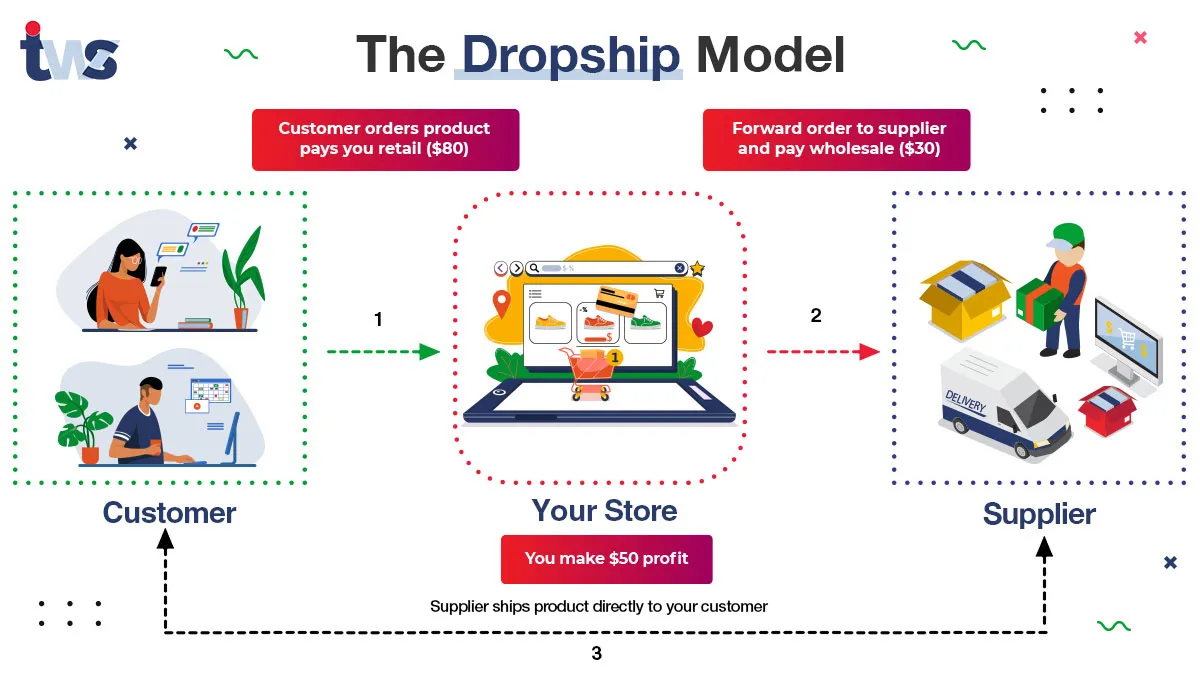
Dropshipping is a retail fulfillment method where a store does not keep the products it sells in stock. Instead, when a store sells a product, it purchases the item from a third party and has it shipped directly to the customer. This model allows entrepreneurs to start a business with minimal upfront investment and without the need to manage inventory.
How Dropshipping Works
- Customer Orders: A customer places an order on the retailer’s website.
- Order Forwarding: The retailer forwards the order details to the supplier.
- Supplier Ships: The supplier ships the product directly to the customer.
- Profit Margin: The retailer earns a profit by marking up the price of the product.
Advantages of Dropshipping
- Low Startup Costs: Entrepreneurs can start a dropshipping business without investing heavily in inventory.
- Flexibility: Dropshipping allows for a wide range of products to be offered without the need for physical storage.
- Scalability: As sales increase, businesses can easily scale operations without the constraints of inventory management.
Challenges of Dropshipping
While dropshipping offers numerous benefits, it also comes with its own set of challenges.
Common Issues Faced by Dropshippers
- Supplier Reliability: The success of a dropshipping business heavily relies on the reliability of suppliers. Delays or quality issues can lead to dissatisfied customers.
- Thin Margins: Competition in the dropshipping space can lead to lower profit margins, making it essential for businesses to find unique products or niches.
- Limited Control: Since dropshippers do not handle the products directly, they have limited control over shipping times and product quality.
The Role of E-Commerce Platforms
Choosing the Right E-Commerce Platform
Selecting the right e-commerce platform is crucial for the success of a dropshipping business. Various platforms offer different features, pricing, and integrations that can impact your operations.
Popular E-Commerce Platforms
- Shopify: Known for its user-friendly interface and extensive app ecosystem, Shopify is a popular choice for dropshippers.
- WooCommerce: A WordPress plugin that allows for customizable online stores, WooCommerce is ideal for those familiar with WordPress.
- BigCommerce: This platform offers robust features for scaling businesses, making it suitable for larger dropshipping operations.
Integrating Dropshipping with E-Commerce Platforms
Most e-commerce platforms provide integrations with dropshipping suppliers, making it easier to manage orders and inventory. These integrations can automate various processes, reducing the workload for business owners.
Key Features to Look For
- Inventory Management: Look for platforms that offer real-time inventory updates to avoid overselling.
- Order Processing: Automated order processing features can streamline operations and improve efficiency.
- Analytics and Reporting: Access to analytics can help you track sales performance and customer behavior.
Marketing Strategies for Dropshipping
Building Your Brand
Creating a strong brand identity is essential for standing out in the competitive dropshipping market. Your brand should resonate with your target audience and reflect your values.
Key Branding Elements
- Logo and Design: Invest in professional branding elements, including a logo and website design that align with your brand identity.
- Unique Selling Proposition (USP): Clearly define what sets your business apart from competitors, whether it’s product quality, customer service, or pricing.
Effective Marketing Channels
Utilizing various marketing channels can help drive traffic to your dropshipping store and increase sales.
Digital Marketing Strategies
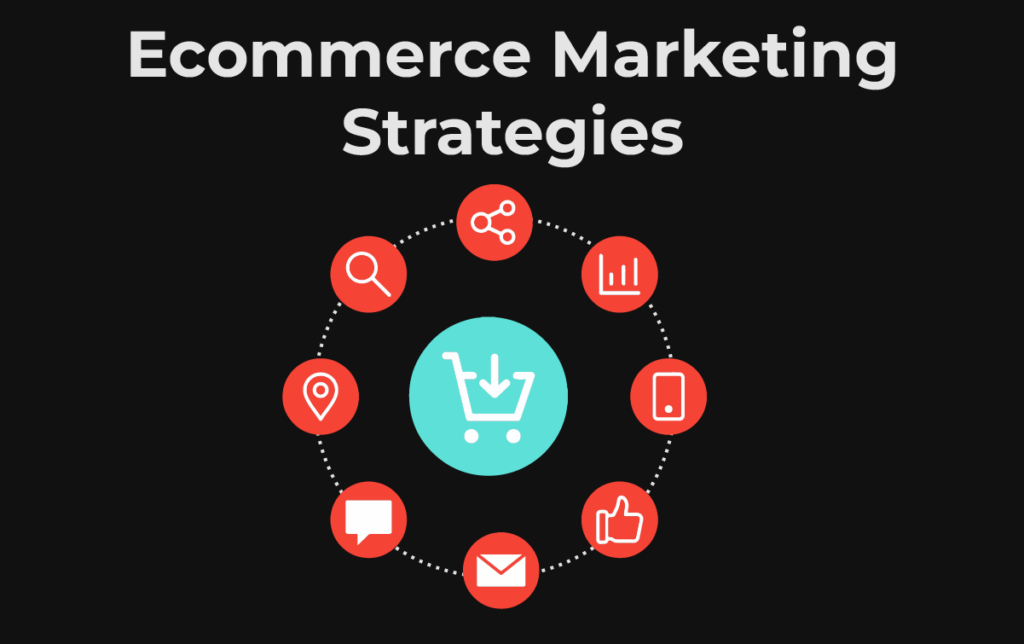
- Social Media Marketing: Leverage platforms like Instagram, Facebook, and Pinterest to showcase your products and engage with customers.
- Content Marketing: Create valuable content that addresses your audience’s pain points and interests, establishing your brand as an authority in your niche.
- Email Marketing: Build an email list to nurture leads and keep customers informed about promotions and new products.
The Future of Dropshipping
Trends Shaping the Dropshipping Landscape
As e-commerce continues to evolve, several trends are emerging that will shape the future of dropshipping.
Personalization and Customer Experience
Consumers increasingly expect personalized shopping experiences. Utilizing data analytics and AI can help dropshippers tailor their offerings to meet individual customer preferences.
Sustainability in E-Commerce
With growing awareness of environmental issues, consumers are seeking sustainable products and practices. Dropshippers can capitalize on this trend by sourcing eco-friendly products and adopting sustainable business practices.
Leveraging Technology for Growth
Advancements in technology will continue to impact the dropshipping model. Embracing new tools and platforms can enhance efficiency and improve customer experiences.
Automation Tools
Utilizing automation tools can streamline various aspects of your dropshipping business, from order processing to customer service. This can free up time for entrepreneurs to focus on growth strategies.
Conclusion
Navigating the world of e-commerce and dropshipping requires a strategic approach. By understanding the benefits and challenges of dropshipping, selecting the right platforms, and implementing effective marketing strategies, entrepreneurs can build successful online businesses. As the landscape continues to evolve, staying informed about trends and leveraging technology will be key to thriving in this competitive market.
As you explore the exciting world of e-commerce and dropshipping, don’t miss the chance to discover unique products and unbeatable deals at LooperBuy. Elevate your shopping experience today: https://looperbuy.com/.
Related Questions & Answers
· What is dropshipping? Dropshipping is a retail fulfillment method where a store does not keep the products it sells in stock. Instead, it purchases the item from a third party and has it shipped directly to the customer.
· What are the advantages of dropshipping? The advantages of dropshipping include low startup costs, flexibility in product offerings, and scalability without the need for inventory management.
· What challenges do dropshippers face? Common challenges include supplier reliability, thin profit margins, and limited control over shipping and product quality.
· How can I choose the right e-commerce platform for dropshipping? Consider factors such as ease of use, available integrations, pricing, and features that align with your business needs.
· What marketing strategies are effective for dropshipping businesses? Effective strategies include social media marketing, content marketing, and email marketing to engage customers and drive sales.
Hot Tags: E-Commerce; Dropshipping; Online Retail; Marketing Strategies; Business Growth; Customer Experience; Automation Tools; Sustainable Practices; E-Commerce Platforms