Table of Contents
Introduction to Global Shipping Delays
In today’s interconnected world, global shipping delays have become a significant concern for businesses and consumers alike. These delays can disrupt supply chains, increase costs, and lead to customer dissatisfaction. Understanding the causes of these delays and exploring potential solutions is crucial for anyone involved in international trade or logistics. This article will delve into the various factors contributing to global shipping delays, their impact on the economy, and strategies to mitigate these challenges.
What Are Global Shipping Delays?
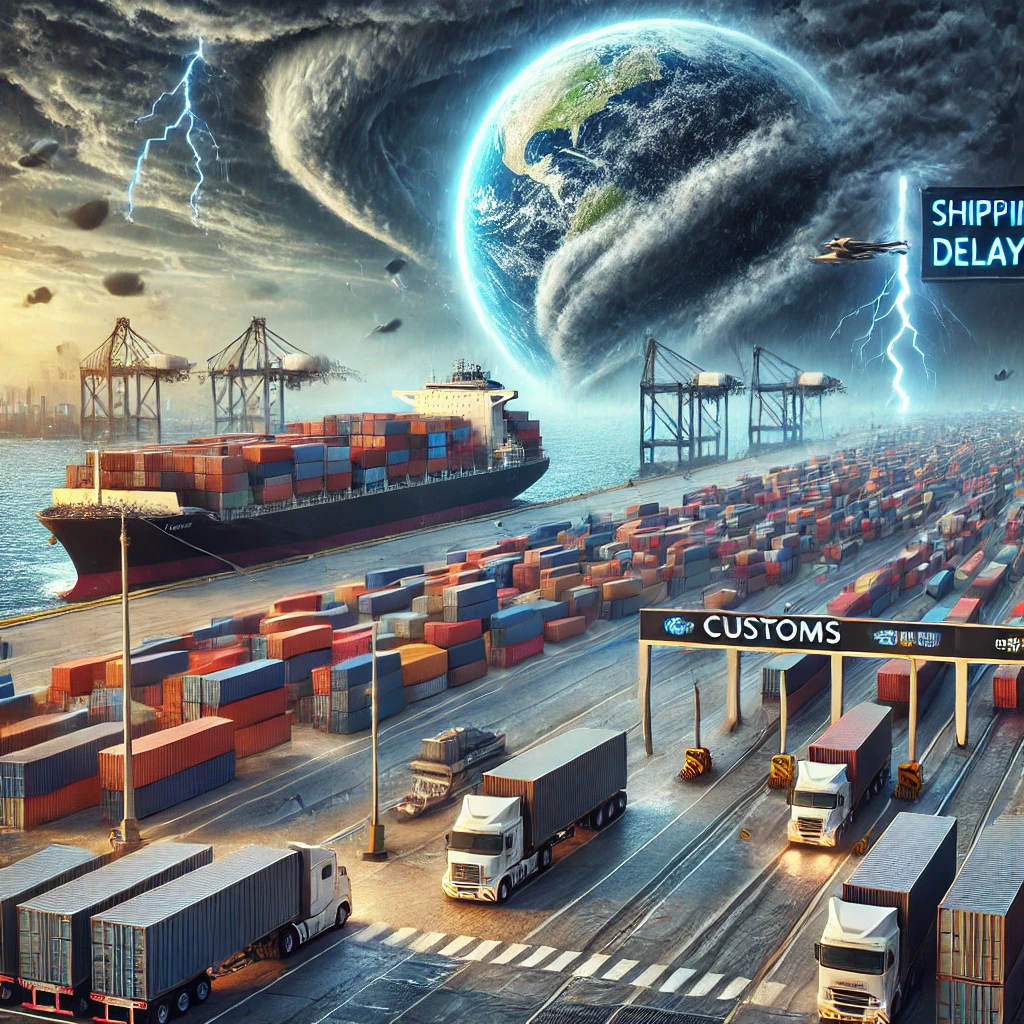
Global shipping delays refer to the postponement of the transportation of goods across international borders. These delays can occur at various stages of the shipping process, from the point of origin to the final destination. They can affect all types of cargo, including raw materials, finished products, and consumer goods.
Common Causes of Global Shipping Delays
Several factors contribute to global shipping delays, including:
- Port Congestion: High volumes of cargo can overwhelm port facilities, leading to longer wait times for ships to dock and unload.
- Customs Delays: Incomplete documentation, regulatory issues, and inspections can slow down the customs clearance process.
- Geopolitical Events: Political instability, trade wars, and conflicts can disrupt shipping routes and lead to delays.
- Weather Conditions: Severe weather events, such as hurricanes or storms, can halt shipping operations and cause delays.
- Labor Strikes: Strikes by dockworkers or transportation workers can significantly impact shipping schedules.
The Impact of Global Shipping Delays
The consequences of global shipping delays can be far-reaching, affecting various stakeholders in the supply chain.
- Economic Consequences
Shipping delays can lead to increased costs for businesses, as they may need to pay for expedited shipping or storage fees. Additionally, delays can disrupt production schedules, leading to lost sales and revenue.
- Customer Dissatisfaction
Consumers expect timely delivery of their orders. When shipping delays occur, it can lead to frustration and dissatisfaction, potentially damaging a company’s reputation and customer loyalty.
- Supply Chain Disruptions
Delays in shipping can create a ripple effect throughout the supply chain. For example, if a manufacturer does not receive raw materials on time, it may be unable to produce finished goods, leading to further delays down the line.
Strategies to Mitigate Global Shipping Delays
While global shipping delays are often unavoidable, there are several strategies businesses can implement to minimize their impact.
- Improve Communication with Suppliers
Establishing clear communication channels with suppliers can help businesses stay informed about potential delays. Regular updates on shipping status and any issues that may arise can enable companies to plan accordingly.
- Optimize Inventory Management
Implementing effective inventory management practices can help businesses maintain adequate stock levels, reducing the impact of shipping delays. This may involve using just-in-time inventory systems or safety stock strategies.
- Diversify Shipping Routes
Relying on a single shipping route can increase vulnerability to delays. By diversifying shipping routes and using multiple carriers, businesses can reduce the risk of disruptions.
- Invest in Technology
Utilizing technology, such as real-time tracking systems and predictive analytics, can help businesses monitor shipments and anticipate potential delays. This information can be invaluable for making informed decisions and adjusting logistics strategies.
- Build Strong Relationships with Logistics Partners
Developing strong partnerships with logistics providers can enhance collaboration and improve overall shipping efficiency. Reliable partners can offer valuable insights and support in navigating shipping challenges.
Conclusion
Global shipping delays are a complex issue that can have significant implications for businesses and consumers. By understanding the causes of these delays and implementing effective strategies to mitigate their impact, stakeholders can navigate the challenges of international trade more effectively. As the global economy continues to evolve, staying informed about shipping trends and best practices will be essential for success.
As you navigate the complexities of global shipping delays, consider enhancing your logistics solutions with the innovative products available at LooperBuy, designed to streamline your operations and improve efficiency. Explore your options at https://looperbuy.com/.
Related Questions & Answers
· What are the key challenges in collecting and standardizing global shipping data? Key challenges include varying regulations across countries, differences in data reporting standards, and the complexity of tracking shipments through multiple logistics providers.
· How can predictive analytics be used to forecast shipping demand and optimize routes? Predictive analytics can analyze historical shipping data and market trends to forecast demand, allowing businesses to optimize routes and allocate resources more efficiently.
· What are the ethical considerations surrounding the use of global shipping data, particularly regarding privacy and security? Ethical considerations include ensuring data accuracy, protecting sensitive information, and complying with regulations regarding data sharing and privacy.
· How do weather conditions impact global shipping delays? Severe weather events can disrupt shipping schedules by causing port closures, delaying vessel departures, and affecting transportation infrastructure.
· What role do labor strikes play in global shipping delays? Labor strikes can halt operations at ports and transportation hubs, leading to significant delays in the movement of goods and increased costs for businesses.
Hot Tags: Global Shipping Delays; Supply Chain Disruptions; Port Congestion; Customs Clearance; Geopolitical Events; Shipping Strategies; Inventory Management; Logistics Solutions; Freight Costs