The landscape of modern mobile technology has shifted dramatically over the past decade. If you walk into any major electronics retailer today, you are greeted by an overwhelming array of devices, most of which boast expansive, edge-to-edge displays. For many users, this is a welcome evolution, providing an immersive canvas for streaming media, gaming, and multitasking. However, there remains a dedicated, vocal contingent of smartphone enthusiasts who pine for the golden age of compactness. Specifically, those searching for a Redmi phone with a 5.5-inch screen find themselves in a challenging position when navigating the United States market. While these devices were once the standard-bearers of efficiency and portability, the industry’s trajectory has left this specific form factor largely in the rearview mirror.
Table of Contents
The Evolution of Smartphone Screen Sizes
To understand why finding a 5.5-inch device is difficult today, one must look at how the industry arrived at its current status quo. Not long ago, a 5.5-inch display was considered a large “phablet” size, offering a generous workspace compared to the smaller, four-inch screens that dominated the early smartphone era. Manufacturers like Xiaomi, through their incredibly popular Redmi series, perfected this size, balancing usability with media consumption capabilities. These devices were hailed for their ability to fit comfortably in one hand while still providing a sufficiently large screen for comfortable web browsing and video viewing.
The Shift Toward Larger Displays
Consumer preference, fueled by the rising consumption of high-definition video content and mobile gaming, pushed manufacturers to increase screen sizes. Simultaneously, advancements in display technology—specifically the reduction of bezels—allowed companies to increase the screen-to-body ratio. Consequently, a phone with a 6.7-inch display today often has a footprint not much larger than a phone with a 5.5-inch screen from a few years ago. This technological leap essentially rendered the classic 5.5-inch design obsolete, as users could enjoy larger screens without necessarily sacrificing the ergonomics of a slightly more compact chassis.
The Legacy of the Redmi Form Factor
Redmi phones were, and in many ways remain, legendary for their value-to-performance ratio. When the Redmi Note series was at the height of its popularity with 5.5-inch screens, it provided an accessible entry point for millions of users who wanted powerful specifications without the premium price tag associated with flagship devices. These phones became staples in global markets, and many users grew deeply attached to their particular dimensions. The tactile satisfaction of a screen size that allowed for true one-handed operation is something that modern, elongated, and wider displays struggle to replicate, regardless of how advanced their under-display sensors or high refresh rates may be.
Sourcing Compact Redmi Devices in the United States
The challenge for US-based users is twofold: availability and compatibility. Xiaomi, the parent company of the Redmi brand, does not have a formal, direct retail presence for its mobile phones within the United States. This means that you will not find the latest Redmi Note or budget-series devices on the shelves of local wireless carriers like AT&T, T-Mobile, or Verizon. Instead, the market for these phones in the US is almost entirely driven by independent importers, online marketplaces, and third-party vendors who bring these devices in from international markets.
The Challenges of Third-Party Retail
When searching for a classic 5.5-inch Redmi phone, or even a newer, smaller-profile device, you will likely be browsing through secondary platforms. These platforms can be a goldmine for finding discontinued gems, but they require a savvy buyer. Because these phones were primarily designed for markets in Asia, Europe, or Latin America, they often lack the specific radio bands necessary for seamless compatibility with all US cellular networks. A device that functions perfectly on one carrier might struggle to find a signal on another, leading to frustration for the unsuspecting consumer. This necessitates a deep dive into technical specifications, comparing “Global Version” versus “China Version” handsets, and understanding that even a unlocked device may not see 4G/LTE speeds on a domestic carrier.
The Hidden Costs of Importing
Beyond the surface price of the device, potential buyers must account for shipping costs from international hubs, potential import duties, and the lack of a localized return policy. Unlike purchasing from a major domestic retailer where a faulty unit can be easily exchanged, importing a niche Redmi device often means you are stuck with the hardware, functional or otherwise. Furthermore, the software experience can be distinct; international versions of these phones often come pre-loaded with different regional settings, potential bloatware, or even variations in the MIUI or HyperOS software skin that may not align with US preferences or language settings, requiring technical knowledge to debloat or flash custom ROMs.
Verifying Compatibility and Support
Before committing to a purchase, it is imperative to cross-reference the specific model number of the Redmi device with the frequency bands supported by your US cellular provider. Furthermore, because these devices are not officially supported in the US, you will not receive local warranty service or dedicated customer support. If your device experiences a hardware failure, you are often left to rely on independent repair shops that may or may not be able to source the necessary components for older or international-specific models. These are the logistical realities that accompany the pursuit of a preferred, yet uncommon, form factor in the US market. The lack of an authorized service center means that simple issues like a degraded battery or a cracked screen become complex problems involving international shipping of parts or DIY repairs.
Assessing Your Needs: Compactness vs. Modern Features
If you are currently on a quest for a 5.5-inch smartphone, it is worth pausing to evaluate what you are actually looking for. Is your priority the literal measurement of the screen, or is it the overall physical size of the phone? If it is the latter, you may find that some modern, bezel-less phones that technically have larger screens—such as those measuring 6.1 or 6.2 inches—actually offer a very similar, or even better, physical handling experience due to their optimized dimensions and weight distribution.
The Trade-off of Older Hardware
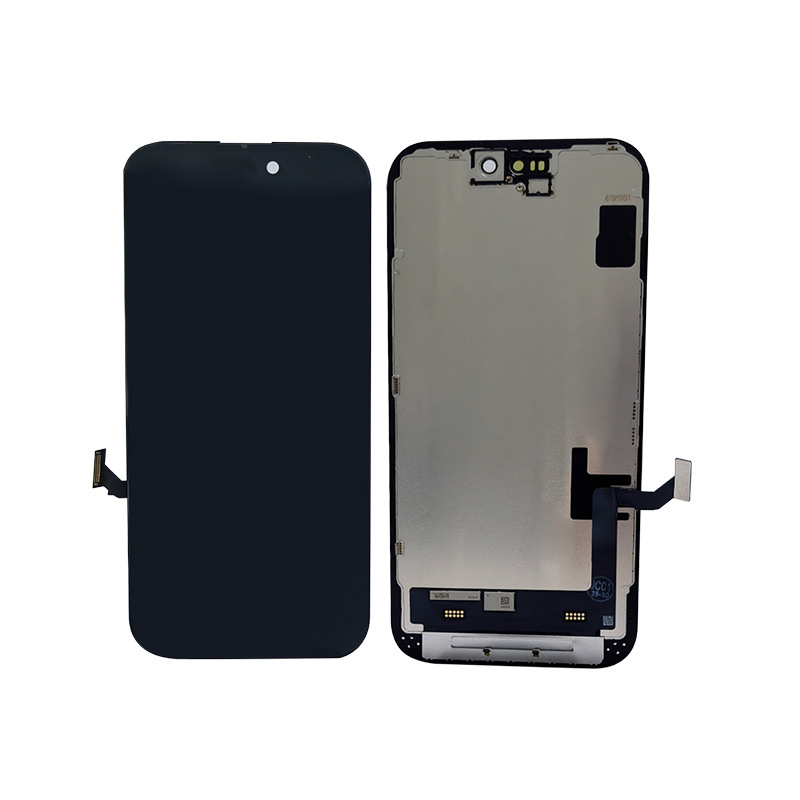
Choosing an older, true 5.5-inch Redmi phone means accepting older technology. You will likely be limited to older versions of the Android operating system, which impacts security updates, app compatibility, and general system performance. Modern applications are increasingly optimized for higher-resolution displays, faster processors, and larger amounts of RAM. Attempting to run current versions of popular social media, banking, or productivity apps on older hardware can lead to sluggish performance, crashes, or an inability to even install the applications due to OS version requirements. Furthermore, internal components like the processor, battery capacity, and camera sensors will be significantly outpaced by current entry-level devices. For casual users, this may be an acceptable sacrifice for the sake of form factor; however, for those who rely on their phones for daily productivity or content creation, the performance gap can become a tangible burden.
The Importance of Software Longevity
One of the most overlooked aspects of purchasing a legacy phone is the software support cycle. Manufacturers generally provide security updates for a limited number of years. An older Redmi device that has reached its end-of-life will stop receiving these vital patches, leaving the phone open to security vulnerabilities. This is particularly concerning if you use the phone for financial transactions or personal communication. While some enthusiast communities develop custom firmware to extend the life of these devices, this requires a level of technical proficiency that goes well beyond the average consumer’s capabilities.
Exploring Modern Alternatives
The market has not entirely abandoned the desire for compact devices. While the exact 5.5-inch Redmi phone may be a relic of the past, several other manufacturers continue to cater to the small-phone niche. Some of these devices offer compact chassis that feel excellent in the hand, paired with modern processors, high-quality cameras, and the benefit of official US support and warranty coverage. Exploring these alternatives might offer a compromise that satisfies your need for a manageable device without the technical and logistical headaches associated with importing discontinued models. Manufacturers have learned that ergonomic efficiency is just as important as screen real estate, leading to a new breed of “compact” flagships that utilize advanced glass and metal cooling architectures to pack power into smaller frames.
The Psychological Value of the Compact Phone
Beyond technical specifications and market trends, there is a psychological element to the desire for a 5.5-inch device. Modern society is increasingly hyper-connected, and for many, the smartphone has become a source of anxiety due to the constant flood of notifications and the “infinite scroll” of social media. A smaller phone serves as a deliberate constraint. It creates a physical barrier to excessive use. By choosing a device that is less conducive to marathon gaming sessions or extended streaming, users can regain a sense of balance. The act of returning to a smaller device is often an act of reclaiming one’s time and focus. This phenomenon has sparked a “digital minimalism” movement where individuals actively seek out hardware that minimizes distractions, valuing a tool that does its job efficiently without demanding constant attention through large, vibrant displays. This trend suggests that while the industry moves toward larger screens, there will always be a market for hardware that facilitates, rather than dictates, how we interact with the digital world.
Conclusion
The pursuit of a specific 5.5-inch Redmi phone in the United States is a journey back in time, driven by a preference for a form factor that defined a generation of smartphone design. While these devices remain functional and hold a nostalgic charm, acquiring and maintaining one in the modern US mobile ecosystem requires significant effort, careful research, and a realistic assessment of the trade-offs regarding technology, connectivity, and support. Whether you choose to hunt down a classic, refurbished unit or opt for a modern compact alternative, the decision ultimately rests on balancing your appreciation for a specific design with the functional requirements of your daily digital life.
How to purchase:Online B2B sourcing platform, China purchase, Chinese suppliers – LooperBuy
Related Questions & Answers
· Can I use a 5.5-inch Redmi phone on a US cellular network?
It depends entirely on the specific model you choose. While some global versions of Redmi phones support common GSM bands used by carriers like T-Mobile or Mint Mobile, you must verify the exact frequency band compatibility on a site like WillMyPhoneWork before purchasing, as many older Redmi models lack the necessary bands for reliable 4G or 5G coverage in the United States.
· Where can I purchase an older Redmi phone with a 5.5-inch screen?
Your best options are online marketplaces such as eBay, AliExpress, or specialized international smartphone import websites. Be cautious when buying from these sources, as you are often purchasing used, refurbished, or “new old stock” items, and consumer protections may be limited compared to purchasing from a major US retailer.
· Are there security risks when using an older, discontinued smartphone?
Yes, there are significant security risks. Older devices often stop receiving critical security patches from the manufacturer once they reach their end-of-life status. This makes them more vulnerable to newly discovered exploits and malware. If you choose to use an older device, it is highly recommended to limit your use of sensitive applications like banking or payment services.
· Is it possible to repair a classic Redmi phone in the US?
Finding official repair parts or authorized service centers for older international Redmi phones in the US is virtually impossible. You would likely need to rely on independent, third-party repair shops that are willing to work on imported devices, and you may need to source parts yourself from international sellers, which can be both expensive and time-consuming.
· What are some modern alternatives for someone who wants a compact phone?
If you want a compact device with modern features, look at phones from brands that have official US presence and cater to the smaller form-factor market. Devices like the Samsung Galaxy S-series (base models) or certain offerings from ASUS (like the Zenfone series) often provide a compact, one-handed experience with current-generation internals, full software support, and reliable US network compatibility.
Hot Tags:
Compact Smartphones, Redmi Note Series, Smartphone Form Factor, Xiaomi Unlocked Phones, Mobile Display Technology, US Network Compatibility, Retro Technology, Third Party Retailers, Smartphone Ergonomics, Device Portability, One Handed Usage, Xiaomi Hardware Ecosystem, Smartphone Import Logistics, Network Band Support, Legacy Tech Restoration, Secondary Hardware Markets, Consumer Choice In Tech, Screen To Body Ratio, Smartphone Design Evolution, User Interface Accessibility, Niche Tech Hobbies, Cellular Infrastructure Challenges, Budget Friendly Mobile Devices, International Device Unlocking, Operating System Longevity, Custom ROM Compatibility, Mobile User Experience Optimization, Performance Versus Portability, Refurbished Electronics Market
These tags encompass the complex ecosystem surrounding the acquisition and use of compact mobile technology. Compact Smartphones and Smartphone Ergonomics highlight the growing consumer demand for Device Portability and One Handed Usage, countering the industry’s shift toward oversized displays. This intersects with Smartphone Form Factor and Screen To Body Ratio, which are critical design elements defining user interaction. The interest in the Redmi Note Series and Xiaomi Unlocked Phones reflects the appeal of Budget Friendly Mobile Devices that offer high value. However, integrating these into the US presents challenges regarding US Network Compatibility and Network Band Support, as international hardware often lacks domestic frequency bands. Navigating this requires Smartphone Import Logistics and reliance on Third Party Retailers. Furthermore, the topic touches upon Legacy Tech Restoration, Operating System Longevity, and the use of Custom ROM Compatibility to extend device lifecycles. These tags represent the tension between Smartphone Design Evolution and the enduring personal preference for manageable, efficient mobile tools.