Conclusion: TCP Global shipping represents a critical component of modern supply chain management, offering businesses and consumers alike the framework necessary to move goods across borders efficiently. By understanding the core logistics, regulatory requirements, and technological advancements involved, stakeholders can significantly optimize their international trade operations, minimize risks, and ensure the timely delivery of freight in an increasingly interconnected global marketplace.
Table of Contents
Understanding the Landscape of International Logistics
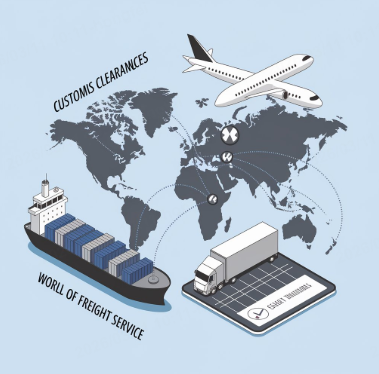
International shipping is the backbone of the global economy, facilitating the movement of raw materials, finished products, and essential components across vast geographical distances. At its heart, the concept of TCP Global shipping—or any comprehensive international logistics strategy—involves the seamless orchestration of various transport modes, warehousing solutions, and complex customs clearance processes. For companies aiming to maintain a competitive edge, mastering these logistics is not merely an operational necessity but a strategic imperative that dictates the speed and reliability of their market presence.
The Evolution of Global Freight Management
The logistics industry has undergone a radical transformation over the past few decades, moving from fragmented, manual processes to highly integrated, technology-driven ecosystems. Where shipping once relied heavily on local providers and disjointed communication channels, modern logistics now demands end-to-end visibility. This evolution has been fueled by the need for greater efficiency, lower costs, and enhanced transparency, as global enterprises seek to synchronize their supply chains with precision. The rise of digital platforms and sophisticated tracking systems has revolutionized how cargo is monitored, allowing for real-time adjustments and proactive problem-solving.
The Strategic Importance of Supply Chain Reliability
Reliability is the currency of the global shipping trade. Disruptions in the supply chain—whether caused by geopolitical instability, environmental factors, or sudden spikes in demand—can have cascading effects on revenue and customer satisfaction. Consequently, organizations that leverage robust TCP Global shipping methodologies prioritize resilience. This involves diversifying logistics partners, maintaining adequate inventory buffers, and investing in advanced risk management protocols. By building these safeguards into the shipping process, businesses ensure that their operations remain fluid even when confronted with unforeseen global challenges.
Core Features of Modern Global Shipping Solutions
Successful international logistics platforms are distinguished by their ability to provide comprehensive services that cater to diverse cargo requirements. Whether dealing with small parcel deliveries or large-scale, heavy-freight maritime shipping, a modern logistics provider must offer flexibility and scalability. These features are designed to minimize the complexities inherent in international borders and regulatory environments.
Comprehensive Logistics and Freight Forwarding
At the foundation of global shipping services lies an extensive network of agents and infrastructure. This ensures that cargo moves smoothly from the origin facility to the final destination, regardless of the complexity of the transit. For instance, specialized services for temperature-sensitive cargo are critical for industries dealing with perishables, requiring strict environmental controls throughout the shipping process. Furthermore, the integration of warehousing, last-mile delivery, and inventory management allows for a cohesive approach that simplifies the customer experience.
Customs Clearance and Regulatory Compliance
One of the most significant hurdles in international shipping is navigating the myriad of customs, duties, taxes, and import regulations unique to each country. Expert logistics providers act as crucial intermediaries, ensuring that all documentation—from commercial invoices to specialized export permits—accurately reflects the shipment’s contents. Proper compliance not only prevents costly delays and cargo seizures but also shields companies from potential legal risks and fines, ensuring that goods traverse international borders with minimal friction.
Enhancing Efficiency Through Technological Integration
In the current era, technology is the primary driver of efficiency in the shipping sector. The adoption of digital tools has streamlined traditional bottlenecks, providing stakeholders with unparalleled control over their freight. From automation in documentation to sophisticated route optimization algorithms, these advancements are essential for maintaining profitability in the high-stakes environment of global trade.
The Role of Data and Real-Time Visibility
Data analytics has become a fundamental tool for logistics optimization. By capturing data at every stage of the transit, companies can identify cost-saving opportunities, forecast potential delays, and optimize their overall shipping strategies. Real-time tracking platforms provide stakeholders with the ability to monitor cargo position and status constantly. This transparency is vital for managing customer expectations and executing agile responses to shifts in market conditions.
Optimizing Cost-Effective Shipping Strategies
Maximizing profit margins in international shipping often requires a shift toward more intelligent freight management. Consolidating smaller shipments into larger, more efficient freight loads—often referred to as Less-than-Truckload (LTL) or container consolidation—can drastically reduce shipping costs. Additionally, strategic route planning and choosing the right combination of air, sea, and land transport based on urgency and budget are techniques used by logistics experts to refine supply chain costs without compromising delivery standards.
Overcoming Challenges in the International Shipping Environment
Despite the advancements in technology and infrastructure, the shipping industry remains fraught with risks. Managing these risks effectively requires a proactive approach, characterized by contingency planning and a deep understanding of the global landscape.
Risk Management and Contingency Planning
Whether it is weather-related delays, capacity shortages, or sudden regulatory shifts, risk is an inherent part of international shipping. Resilient supply chains are built on the principle of adaptability. This means having contingency plans in place—such as alternative shipping routes or secondary logistics providers—that can be activated immediately when disruptions occur. By anticipating potential failure points, companies can minimize the impact of external threats on their operations.
Environmental Responsibility and Sustainable Practices
As global consciousness regarding climate change grows, the logistics industry is under increasing pressure to reduce its carbon footprint. Sustainable shipping practices are no longer just an ethical consideration but a growing regulatory requirement. Many shipping entities are investing in decarbonization efforts, such as utilizing more fuel-efficient vessels, optimizing maritime routes to reduce emissions, and exploring carbon-neutral packaging solutions. This shift toward greener logistics is becoming a core component of brand reputation and long-term viability in the international market.
The Human Element: Talent and Partnership
While technology and infrastructure are the engines of TCP Global shipping, the human element remains irreplaceable. Successful logistics management relies heavily on the expertise, cultural competence, and problem-solving skills of professionals who navigate the nuances of international trade.
Cultivating Logistics Expertise
Navigating global shipping requires a deep understanding of international law, trade agreements, and regional business practices. Logistics teams must be equipped with the knowledge to handle complex negotiations, manage local partnerships, and provide high-quality support to clients. Continuous training and professional development are vital for keeping pace with the rapidly changing regulatory and technological landscape. Companies that invest in their people foster a culture of excellence that translates into better service delivery.
Building Strategic Partnerships
No single entity can master every aspect of global shipping alone. Building strong, long-term relationships with regional logistics partners, freight forwarders, and customs brokers is essential. These strategic alliances allow for smoother local operations, provide access to specialized regional knowledge, and offer greater flexibility when unexpected hurdles arise. A collaborative approach, rooted in trust and shared goals, is the foundation of any enduring shipping network.
Future Trends Shaping the Global Trade Landscape
The future of international shipping is poised to be dominated by further digitalization, increased autonomy, and a greater emphasis on agility. Companies that embrace these emerging trends will likely find themselves at an advantage in an increasingly competitive environment.
Automation and Artificial Intelligence in Logistics
Artificial Intelligence (AI) is already being deployed to predict shipping delays, optimize warehouse operations, and automate complex documentation workflows. As these technologies mature, they will enable even higher levels of operational precision. Autonomous vehicles and drones are also being explored for their potential to revolutionize last-mile delivery, particularly in dense urban environments or remote regions.
Building Agile and Resilient Supply Chains
The final frontier for international logistics is the development of fully agile supply chains that can react instantaneously to global changes. This agility is achieved through the integration of cloud-based logistics management systems that allow all participants in the supply chain—suppliers, carriers, and retailers—to collaborate in real-time. By fostering this level of connectivity, the industry is moving toward a future where global shipping is not just a service, but a highly integrated, self-optimizing network that supports sustainable economic growth across borders. The intersection of global trade and digital innovation will continue to drive progress, ensuring that even as the world grows more complex, the flow of goods remains reliable and efficient.
Streamline your international logistics and elevate your global shipping strategy today by sourcing the most reliable and efficient supply chain solutions at https://looperbuy.com/.
Article Summary:
This article provides a comprehensive overview of the complexities and strategic importance of TCP Global shipping within the international logistics framework. It covers the evolution of freight management, essential services like customs clearance, and the pivotal role of technology in enhancing supply chain visibility and cost efficiency. Furthermore, the piece explores critical risk management, the industry’s shift toward environmental sustainability, and future trends such as AI integration and supply chain agility. The text serves as an essential guide for businesses navigating the challenges of modern, interconnected global trade.
Hot Tags:
TCP Global Shipping; International Logistics; Freight Forwarding; Supply Chain Management; Customs Clearance; Cargo Transportation; Global Trade; Maritime Logistics; Freight Optimization; Logistics Technology; Import Export Services; Shipping Solutions; Global Supply Chain; Last Mile Delivery; Inventory Management; Risk Management; Sustainable Logistics; Cargo Tracking; International Shipping Regulations; Logistics Efficiency; Air Freight; Ocean Freight; LTL Shipping; Shipping Infrastructure; Digital Logistics; Supply Chain Resilience; Global Market Connectivity; Shipping Compliance; Automated Logistics; Freight Costs
Related Questions & Answers
· What is the significance of proper documentation in TCP Global shipping?
Proper documentation is essential because it serves as the official record for customs authorities regarding the contents, value, and origin of the shipment. Accurate paperwork prevents delays at borders, helps avoid heavy fines or penalties, and ensures that the goods are not detained or seized by regulatory agencies.
· How can businesses reduce the costs associated with international shipping?
Businesses can lower shipping costs by utilizing consolidation services (like LTL for freight), optimizing their shipping routes, and choosing the most cost-effective transport mode based on urgency. Leveraging digital logistics platforms to compare rates and automating manual processes also contributes to significant operational savings.
· Why is real-time visibility critical for global freight?
Real-time visibility allows stakeholders to monitor the exact status and location of their cargo throughout the entire transit process. This transparency is vital for managing customer expectations, identifying potential disruptions early, and enabling proactive decision-making, which is crucial for maintaining supply chain reliability.
· What are some of the primary risks in global shipping, and how can they be managed?
Primary risks include geopolitical instability, severe weather, regulatory changes, and capacity shortages. These can be managed by developing comprehensive contingency plans, diversifying logistics partners, maintaining adequate inventory buffers, and utilizing data analytics to anticipate and mitigate potential disruptions before they occur.
· How is the shipping industry addressing environmental concerns?
The industry is increasingly adopting sustainable practices, including the use of fuel-efficient vessels, optimizing maritime routes to lower greenhouse gas emissions, investing in decarbonization technologies, and seeking more eco-friendly packaging and warehousing solutions to minimize their overall carbon footprint.