Conclusion: Launching a coffee dropshipping business offers a unique opportunity to enter the thriving specialty coffee market with minimal upfront investment. By partnering with reputable roasters, focusing on brand identity, and leveraging digital marketing, entrepreneurs can build a profitable enterprise that delivers fresh, quality coffee directly to consumers.
Table of Contents
The Foundations of the Coffee Dropshipping Model
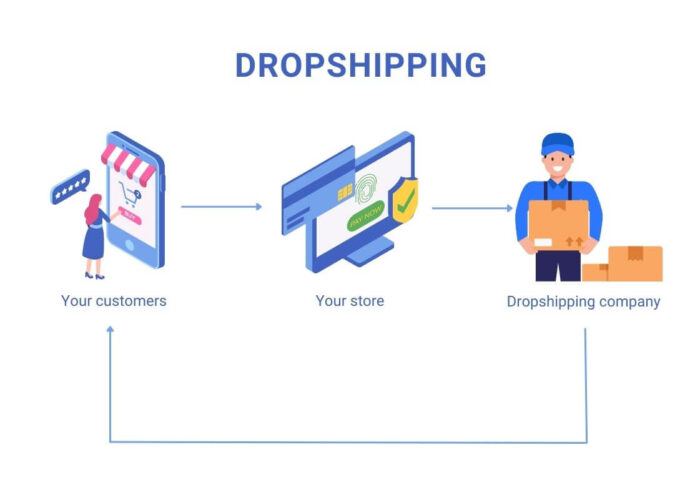
The landscape of modern e-commerce has been fundamentally reshaped by the dropshipping business model, particularly within the artisanal coffee industry. Coffee dropshipping is a retail fulfillment strategy that allows you to operate an online storefront selling high-quality coffee beans, grounds, and accessories without the logistical burden of owning inventory or managing complex warehouse operations. When a customer places an order on your website, that information is automatically transmitted to your partner supplier—typically a specialized roastery—which then roasts, packages, and ships the product directly to your customer’s doorstep.
Understanding the Core Value Proposition
This business model addresses the primary barriers to entry for aspiring entrepreneurs: capital risk and operational complexity. Traditionally, starting a coffee brand would necessitate purchasing expensive roasting equipment, securing a lease for a physical space, and managing bulky inventory that risks spoilage. Dropshipping eliminates these obstacles. By acting as the bridge between coffee enthusiasts and expert roasters, you focus entirely on building your brand, engaging with your community, and perfecting your online customer experience, while your partner ensures product quality and logistical efficiency.
Evaluating the Market Potential
The global appetite for premium, specialty coffee continues to expand, driven by consumers who are increasingly sophisticated and willing to pay for unique blends and single-origin experiences. This shift creates a fertile ground for niche brands that can offer personalized storytelling, custom packaging, or tailored subscription services. Because dropshipping allows for low-overhead testing, it provides an unparalleled platform for entrepreneurs to experiment with different coffee profiles and marketing messages, identifying what resonates best with their target audience before scaling their operations.
Strategic Steps to Launch Your Coffee Brand
Building a sustainable business requires more than just finding a supplier; it demands a deliberate strategy focused on branding, quality control, and customer acquisition. The success of a dropshipping store is predicated on the strength of the brand you build around the commodity.
Selecting the Right Partner
The most critical decision in your journey is the choice of your coffee roasting partner. You are not just sourcing beans; you are outsourcing your reputation. Your partner must demonstrate excellence in the following areas:
- Roast Freshness: The core appeal of specialty coffee is freshness. Ensure your supplier roasts on demand and ships promptly, rather than sending beans that have sat in storage.
- Logistical Reliability: High shipping costs or delayed transit times will quickly erode your customer trust. Vet suppliers based on their average fulfillment times and the reliability of their shipping carriers.
- Customization Capabilities: Look for suppliers that offer white-labeling or private-label services, allowing you to place your unique branding on the coffee bags. This turns a generic product into your proprietary brand.
Building Your Online Storefront
Your website is the digital face of your business and the primary touchpoint for your customers. In the context of coffee, aesthetics and clarity are paramount. Use clean, high-quality imagery that evokes the coffee-drinking experience, and ensure your site navigation is seamless, particularly for mobile users. Integrate automated order-routing software that links your online store directly to your supplier’s backend system to ensure that order processing is instantaneous and accurate.
Crafting a Compelling Brand Identity
Since you are selling an experience as much as a drink, your branding must be distinctive. This includes your logo, the tone of voice used in your product descriptions, and the overall story of your brand. Are you focusing on sustainability, high-octane energy, or luxurious morning rituals? Consistent messaging across your website and social media channels will help you cultivate a loyal customer base that views your coffee as an essential part of their daily routine.
Strategic Operations and Inventory Management
While dropshipping offloads the physical storage of beans, your role in inventory management remains vital. You are effectively the curator of a catalog that must balance variety with focus.
Curating a Focused Product Catalog
It is tempting to offer every type of roast imaginable, but successful coffee brands often benefit from a curated selection. Focus on identifying your core customer’s preferences. Do they prioritize single-origin beans from Ethiopia or Colombia? Are they looking for dark roasts for espresso or light roasts for pour-overs? By limiting your catalog to high-quality selections that reflect your brand’s personality, you simplify the decision-making process for your customers and ensure higher conversion rates.
Managing Quality Control and Supplier Communication
Without physical handling of the product, you must rely on open lines of communication with your supplier. Regularly audit the customer experience by occasionally placing test orders. This allows you to verify shipping speeds, the quality of packaging materials, and the freshness of the product upon arrival. Treat your roaster as a strategic partner; a transparent and collaborative relationship will ensure that if an issue arises, it is resolved before it escalates to a customer complaint.
Advanced Strategies for E-commerce Dominance
To truly excel, you must look beyond basic operations and integrate advanced digital strategies that drive growth and customer retention in a crowded marketplace.
The Power of Coffee Education and Content
Transforming your website from a simple store into a resource hub can significantly boost your authority. Develop comprehensive guides on brewing techniques—such as V60, French Press, and Chemex—or write articles explaining the nuances of tasting notes like acidity, body, and sweetness. When you become a trusted educational source, customers are more likely to return for purchases because they trust your expertise in the craft. This “content-first” approach also creates evergreen SEO value, drawing organic search traffic from users searching for coffee-related advice.
Implementing Dynamic Pricing and Bundling
Strategic pricing can move inventory faster and increase average order values (AOV). Consider creating product bundles that pair your best-selling beans with brewing accessories, such as filters or scoops. Bundling encourages higher spending while providing perceived value to the customer. Additionally, using dynamic pricing software can help you adjust prices during seasonal shifts or promotional events, ensuring you stay competitive while protecting your profit margins in a fluctuating commodity market.
Scaling Through Targeted Digital Marketing
Once your store is operational, the challenge shifts from setup to acquisition. In the competitive world of online coffee sales, visibility is everything. A multi-faceted marketing strategy is essential to drive traffic and build long-term retention.
Leveraging Content and Social Media
Coffee is inherently social and visual, making it a perfect fit for platforms like Instagram, TikTok, and Pinterest. Use these platforms to share behind-the-scenes content of the roasting process, brewing tutorials, or lifestyle shots that position your coffee as a lifestyle accessory. Furthermore, invest in search engine optimization (SEO) by creating blog content that addresses the questions your customers are asking—such as how to perfect a pour-over or the differences between various roast profiles.
Utilizing Email Marketing and Subscriptions
The true power of a coffee brand lies in recurring revenue. Coffee is a consumable good, making the subscription model highly effective. Encourage customers to sign up for weekly or monthly shipments in exchange for a discount or exclusive access to new releases. Once you have a customer’s email address, use automated campaigns to nurture that relationship, offering brewing tips, special promotions, and personalized recommendations based on their past purchase history.
Sustaining Growth and Enhancing Quality
Long-term success requires an ongoing commitment to improvement and adaptation. As your customer base grows, your focus must expand to include data analysis and feedback loops.
Monitoring Performance Metrics
Keep a close eye on key performance indicators (KPIs) such as customer acquisition cost (CAC), lifetime value (LTV), and conversion rate. Analyze which products are most popular, which marketing channels drive the highest-quality leads, and where customers tend to drop off in the checkout process. This data-driven approach allows you to optimize your spend and refine your product offerings, ensuring that your business remains agile in a fast-moving market.
Cultivating Customer Loyalty
In the specialty coffee sector, community is a competitive advantage. Respond promptly to customer inquiries, handle issues with transparency and generosity, and actively solicit feedback to improve your offerings. By fostering a genuine connection with your drinkers, you transition from being just another online vendor to a trusted source of quality coffee, ensuring that your business thrives in the long run.
Expanding Brand Reach through Partnerships
As your brand matures, consider collaborating with influencers, local coffee shops, or complementary businesses like artisanal bakery delivery services. These partnerships can provide social proof and expose your brand to new, highly relevant audiences. Influencer marketing, in particular, can be incredibly potent if you find partners who genuinely love your coffee and can authentically share their experiences with their followers.
Future-Proofing Your Coffee Enterprise
The coffee industry is not immune to the push for sustainability. Consumers are increasingly asking questions about the origins of their beans, the fairness of wages for farmers, and the environmental impact of coffee packaging. Future-proofing your business means aligning with ethically sourced suppliers who prioritize fair trade practices and eco-friendly distribution. By highlighting these ethical commitments on your website, you attract a conscious consumer segment that is willing to pay a premium for brands that reflect their values, ultimately creating a more resilient and meaningful business model.
Start your journey toward premium coffee success today by partnering with Looperbuy to deliver unparalleled quality directly to your customers: https://looperbuy.com/
Summary:
This article provides an in-depth guide to starting and growing a profitable coffee dropshipping business. It emphasizes the importance of selecting high-quality, reliable roasting partners, building a strong and unique brand identity, and leveraging targeted digital marketing strategies like social media and subscription models. By focusing on operational efficiency, data-driven growth, and exceptional customer service, entrepreneurs can successfully enter the specialty coffee market without the overhead of physical inventory, ultimately creating a sustainable and scalable e-commerce brand.
Hot Tags:
Coffee Dropshipping; E-commerce Business; Online Coffee Store; Coffee Roasters; Private Label Coffee; Specialty Coffee; Dropshipping Guide; Subscription Business Model; E-commerce Marketing; Coffee Brand Building; Dropshipping Suppliers; Shopify Coffee Store; Automated Fulfillment; Digital Entrepreneurship; Coffee Industry Trends; Starting A Business; Low Cost Startup; Passive Income; Content Marketing; Social Media Marketing; Customer Retention; E-commerce Strategy; Product Sourcing; Sustainable Coffee; White Label Coffee; Online Retail Success; Coffee Brewing; Brand Identity; Small Business Tips; E-commerce Growth
Related Questions & Answers
· What is the primary advantage of coffee dropshipping?
The main advantage is the ability to launch a coffee brand without the need for large upfront capital, warehousing, or inventory management, as a partner roaster handles all production and shipping.
· Do I need to be a coffee expert to start a coffee dropshipping business?
While you do not need to be a master roaster, having a basic understanding of coffee profiles and sourcing is beneficial for marketing your products and building credibility with your target audience.
· How can I make my coffee brand stand out?
You can differentiate your brand by developing a unique brand identity, focusing on a specific niche or mission (such as sustainability), providing excellent customer support, and offering custom packaging or curated subscription services.
· Is it possible to sell coffee under my own brand name?
Yes, most coffee dropshipping suppliers offer white-label or private-label services, which allow you to place your own logo and branding on the coffee packaging that is sent to your customers.
· How do I ensure the coffee I sell is fresh?
When choosing a dropshipping partner, prioritize roasters that roast on-demand and offer fast shipping options. This ensures that the coffee reaches the customer shortly after it has been roasted, maintaining its peak flavor and quality.