Buying items from China has become a strategic move for businesses and individuals worldwide due to its cost-effectiveness and the wide range of products available. This guide will walk you through the process of sourcing products from China, including finding reliable suppliers, negotiating terms, managing logistics, and ensuring quality control.
Table of Contents
Benefits of Buying from China
One of the primary reasons businesses choose to buy items from China is the competitive pricing. China’s lower labor costs and efficient manufacturing processes enable suppliers to offer products at significantly lower prices compared to other countries. Additionally, China specializes in mass production, allowing for faster delivery times and higher product volumes.
Another benefit is the opportunity to access a vast array of products, from consumer electronics to clothing and machinery. China’s manufacturing sector is highly diversified, making it a one-stop destination for sourcing various goods.
Challenges and Misconceptions
Despite the advantages, there are challenges associated with buying from China. One common misconception is that Chinese products are inherently low-quality. While it is true that some substandard products exist, many Chinese suppliers offer high-quality goods. The key is to conduct thorough research and find reliable suppliers.
Finding Reliable Suppliers
Online Sourcing Platforms
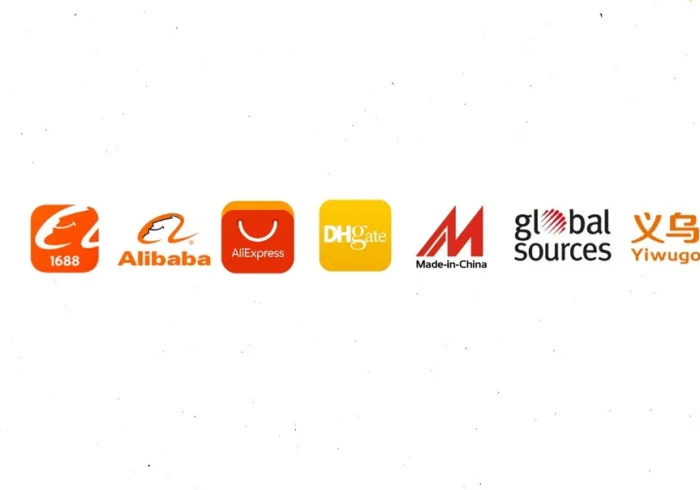
Online platforms such as Alibaba, Global Sources, and LooperBuy are essential tools for finding suppliers in China. These platforms allow you to browse through a vast list of suppliers, view their product offerings, and read reviews from other customers. Alibaba’s “gold supplier” status is often seen as a sign of trustworthiness, although it is important to note that this status can be obtained through premium membership.
If you want to do purchasing directly without registering a Chinese entity, you can use LooperBuy, a one-stop purchasing-logistics solution:https://looperbuy.com/
Directly Contacting Manufacturers
For products requiring specific technical specifications, such as die-casting or plastic injection molding, it is advisable to source directly from manufacturers rather than resellers. This approach not only reduces costs but also ensures better control over the production process.
Evaluating Supplier Credibility
When evaluating suppliers, consider their past performance, communication responsiveness, and ability to develop prototypes. Requesting samples before placing a large order is crucial to ensure the product meets your quality standards.
Negotiating Terms and Pricing
Negotiation is a common practice in Chinese business culture. It is essential to approach negotiations with a clear understanding of market prices and the costs involved in production. Suppliers often have a minimum cost threshold, and prices significantly below this may indicate potential quality issues.
Building a professional relationship with your supplier can lead to better deals and priority service. Regular communication and treating suppliers as partners rather than just vendors can foster long-term collaborations.
Managing Logistics and Shipping
Shipping Options
When importing goods from China, you have several shipping options:
- Air Freight: Ideal for urgent shipments, offering fast delivery times but at a higher cost.
- Sea Freight: More cost-effective for large volumes, though delivery times are longer.
- Express Delivery: Suitable for small quantities, providing quick and reliable service.
Customs Clearance
Ensuring all documentation is accurate and complete is crucial to avoid delays at customs. This includes compliance with import regulations and obtaining necessary certifications.
Inventory Planning
Coordinate your warehouse space and distribution channels to accommodate the arrival schedule of your pre-ordered items. This planning helps maintain a smooth supply chain and prevents stockouts or overstocking.
Quality Control and Risk Management
Quality Assurance Strategies
Implementing rigorous quality checks at multiple stages is vital:
- Prototype Evaluation: Ensure the initial prototype meets your specifications.
- Pre-production Samples: Verify consistency in quality before mass production.
- Final Inspection: Conduct thorough checks before shipment to ensure products meet quality standards.
Handling Delays and Cancellations
Build buffer time into your production schedule to account for potential delays. Negotiate penalty clauses for significant delays beyond the supplier’s control. Understand the supplier’s cancellation policy and your options if the final product does not meet expectations.
Building Long-Term Relationships
Establishing a preferred customer status can lead to benefits such as priority production slots, early access to new designs, and more favorable payment terms. Providing feedback during the pre-order phase can help suppliers refine products for future production runs.
Negotiating exclusivity agreements for unique products can maintain your competitive edge in the market.
Conclusion
Buying items from China offers numerous benefits, including cost savings and access to a wide range of products. However, it requires careful planning, thorough research, and effective management of risks. By developing strong supplier relationships and implementing robust quality control measures, businesses can secure high-quality products at favorable prices.
As global supply chains continue to evolve, mastering the art of sourcing from China will become an increasingly valuable skill for any business looking to stay competitive.
Frequently Asked Questions
·What are the benefits of buying items from China?
The primary benefits include lower costs due to lower labor and material costs, access to a wide range of products, and the ability to mass-produce goods quickly.
·How do I place orders from China more easily?
Use a sourcing platform such as LooperBuy. LooperBuy is a B2B sourcing platform helps global merchants purchase plenty on Chinese products from high quality sources such as 1688.com with cheap price.LooperBuy enables merchants outside China to place orders without registering a Chinese entity. It also allows for direct settlement of payments in foreign currencies.LooperBuy integrates trusted international logistics partners to deliver goods directly to local destinations for merchants.
·What are the common challenges faced when buying from China?
Challenges include language barriers, time zone differences, and finding trustworthy suppliers. Misconceptions about product quality are also common.
·How do I ensure quality control when buying from China?
Implement quality checks at multiple stages, including prototype evaluation, pre-production samples, and final inspections before shipment.
·What shipping options are available for importing goods from China?
Options include air freight for urgent shipments, sea freight for cost-effective large volumes, and express delivery for small quantities.