Table of Contents
The Cornerstone of Successful Drop Shipping
In the dynamic world of e-commerce, drop shipping has emerged as a powerful business model that allows entrepreneurs to launch online stores without the burden of inventory management. The success of a drop shipping venture hinges significantly on establishing relationships with reliable wholesale suppliers. These suppliers serve as the backbone of your operations, directly impacting your product quality, shipping times, and customer satisfaction. This comprehensive guide explores the intricacies of finding, evaluating, and collaborating with wholesale suppliers to build a thriving drop shipping business.
Understanding the Drop Shipping Model
What Makes Drop Shipping Unique?
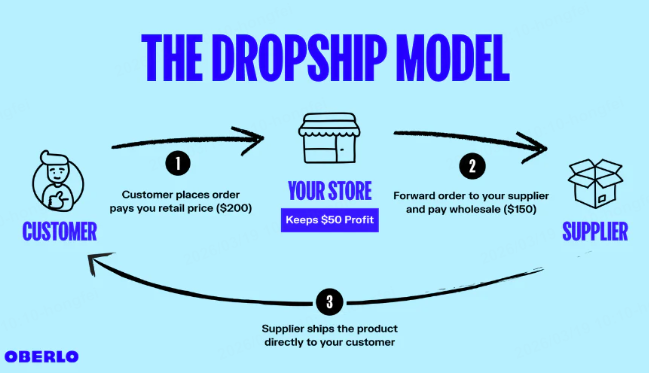
Drop shipping operates on a distinct principle where retailers don’t stock products themselves. Instead, when a customer purchases an item from your online store, you transmit the order to a third-party supplier. This supplier then ships the product directly to your customer. Your profit is derived from the difference between the wholesale cost you pay to the supplier and the retail price your customers pay.
This model has gained popularity due to its low barrier to entry. Entrepreneurs can start a business with minimal upfront investment, as there’s no need to purchase inventory in bulk or maintain a warehouse. The operational simplicity allows business owners to focus on marketing, customer acquisition, and store optimization rather than logistics.
The Role of Wholesale Suppliers
Wholesale suppliers are the unsung heroes of the drop shipping ecosystem. They handle product storage, order fulfillment, and shipping. A reliable supplier ensures that orders are processed promptly, products are packaged securely, and shipments are delivered on time. Conversely, a problematic supplier can lead to delays, damaged goods, and dissatisfied customers, which can tarnish your business reputation swiftly.

Finding Reliable Wholesale Suppliers
Initial Research Strategies
Your journey to finding the perfect wholesale suppliers begins with thorough research. Several avenues can lead you to potential partners:
- Online Directories: Platforms like SaleHoo, Spocket, and Wholesaler Directory compile extensive lists of suppliers across various niches. These directories often include supplier ratings, contact information, and details about their product ranges.
- Trade Shows and Expos: Attending industry-specific events provides opportunities to meet suppliers face-to-face. You can assess their professionalism, learn about new products, and establish personal connections that may lead to favorable business terms.
- Social Media and Forums: Engaging in e-commerce communities on Reddit, Facebook Groups, or specialized forums like Dropshipping Suppliers Analysis can yield recommendations and warnings about different suppliers. Entrepreneurs often share their experiences, highlighting reliable partners and cautioning against problematic ones.
Evaluating Supplier Credentials
Once you’ve identified potential suppliers, rigorous evaluation is essential. Consider the following factors:
- Product Range and Quality: Ensure the supplier offers products that align with your store’s niche. Request product samples to assess quality, design, and functionality. The products should meet your standards and appeal to your target market.
- Pricing Structure: Compare wholesale prices across suppliers. While cost is important, avoid prioritizing it over quality and reliability. A slightly higher price may be justified by better service, faster shipping, or superior products.
- Minimum Order Requirements: Some suppliers impose minimum order quantities. For new drop shipping businesses, finding suppliers with low or no minimums allows you to test products without significant financial risk.
- Shipping Capabilities: Investigate the supplier’s shipping methods, delivery times, and shipping cost structures. Reliable suppliers provide tracking information and offer multiple shipping options to meet varying customer expectations.
- Customer Service: Evaluate the supplier’s responsiveness and willingness to address issues. Prompt communication is crucial when problems arise with orders or shipments.
The Importance of Niche Specialization
Focusing on a specific niche can enhance your drop shipping business’s prospects. Niche markets often have less competition and more dedicated customer bases. When seeking wholesale suppliers, targeting those specialized in your chosen niche offers several advantages:
- Product Expertise: Niche suppliers often have in-depth knowledge of their products, enabling them to provide better support and product information that you can use in your marketing efforts.
- Customer Insights: They may understand the preferences and trends within the niche, helping you curate products that resonate with your audience.
- Competitive Edge: Specializing allows you to position your store as an authority in a particular area, attracting customers seeking specialized products and potentially commanding higher profit margins.
Building and Maintaining Supplier Relationships
Effective Communication Protocols
Establishing clear and efficient communication channels with your wholesale suppliers is fundamental. Regular check-ins can prevent misunderstandings and address potential issues before they escalate. Consider implementing the following practices:
- Dedicated Points of Contact: Identify specific individuals at the supplier’s end for order placements, inquiries, and problem resolution. Having direct contacts streamlines communication and builds personal rapport.
- Order Confirmation Systems: Implement a system where suppliers acknowledge receipt of orders and provide estimated shipping times. This keeps you informed and allows you to manage customer expectations.
- Feedback Mechanisms: Share feedback about product quality, shipping performance, and customer complaints with suppliers. Constructive feedback can lead to improvements in their service and products.
Negotiation Tactics for Better Terms
Strategic negotiation can yield more favorable business terms that enhance your profit margins and operational flexibility:
- Volume Discounts: As your business grows and order volumes increase, negotiate with suppliers for volume-based pricing discounts. Larger order quantities can justify requests for better wholesale rates.
- Extended Payment Terms: Request longer payment windows to improve your cash flow. Some suppliers may offer net 30 or net 60 payment terms, giving you more time to receive customer payments before settling supplier invoices.
- Exclusive Products or Early Access: Negotiate for exclusive rights to certain products or early access to new inventory. This can differentiate your store from competitors and attract customers seeking unique or trending items.
Long-Term Partnership Strategies
Cultivating long-term relationships with reliable wholesale suppliers creates a stable foundation for business growth:
- Consistency in Orders: Maintain a steady ordering pace to demonstrate reliability to suppliers. Consistent business can lead to preferential treatment, such as priority processing during peak periods.
- Collaborative Growth Planning: Share your business growth projections with suppliers. This allows them to prepare for increased demand and may encourage them to invest in their operations to better serve your expanding business.
- Loyalty Incentives: Express your commitment to the partnership through loyalty incentives, such as longer-term contracts or increased order volumes in exchange for better pricing or service enhancements.
Overcoming Common Challenges in Supplier Relationships
Dealing with Unreliable Suppliers
Even with meticulous research, you may encounter suppliers who fail to meet expectations. Develop contingency plans to address such situations:
- Backup Suppliers: Identify and establish relationships with backup suppliers who can take over orders if your primary supplier consistently underperforms. This ensures minimal disruption to your business operations.
- Clear Contractual Agreements: Outline performance expectations in supplier contracts, including penalties for missed shipping deadlines or substandard product quality. Legal agreements can provide recourse when suppliers fail to comply.
- Regular Performance Reviews: Periodically assess supplier performance against agreed-upon metrics. Document issues and address them promptly. If improvements aren’t observed, be prepared to transition to alternative suppliers.
Managing Shipping and Logistics Hurdles
Shipping represents a critical aspect of the customer experience in drop shipping. Anticipate and mitigate shipping challenges with these approaches:
- Diverse Shipping Options: Partner with suppliers offering various shipping methods, including expedited shipping for customers willing to pay a premium for faster delivery. Clearly communicate shipping options and costs on your website.
- Proactive Tracking and Issue Resolution: Monitor shipment tracking information provided by suppliers. If delays occur, communicate promptly with customers and work with suppliers to resolve issues, such as expediting replacement shipments or offering refunds.
- Local vs. International Suppliers: Consider the geographical location of suppliers. Local suppliers may offer faster shipping and easier communication, while international suppliers might provide cost advantages. Balance these factors based on your target market’s expectations and your business objectives.
Leveraging Technology in Supplier Management
Automation Tools for Order Processing
Incorporating technology into your drop shipping operations can significantly enhance efficiency and accuracy:
- E-Commerce Platform Integrations: Many e-commerce platforms like Shopify and WooCommerce offer applications that integrate with supplier systems. These integrations automate order transmission, reducing manual entry errors and accelerating processing times.
- Inventory Management Systems: Utilize inventory management software that connects with your suppliers. These systems can provide real-time updates on product availability, helping you avoid overselling and enabling you to inform customers about stock levels accurately.
Data Analytics for Supplier Assessment
Data analytics provides valuable insights into supplier performance and business impact:
- Performance Metrics Tracking: Monitor key metrics such as order fulfillment time, shipping accuracy, and customer complaint rates. Analyze trends to identify suppliers requiring improvement or recognition for excellent service.
- Cost-Benefit Analysis: Regularly evaluate the total cost of working with each supplier, including wholesale prices, shipping costs, and the impact of their service quality on customer retention and repeat business. This analysis helps in making informed decisions about supplier partnerships.
Conclusion
The success of your drop shipping business is inextricably linked to the quality and reliability of your wholesale suppliers. Conducting thorough research, establishing clear communication, and nurturing long-term relationships form the foundation of a prosperous supplier partnership. While challenges may arise, proactive strategies and leveraging technology can mitigate risks and optimize operations. By prioritizing supplier relationships and continuously refining your approach, you position your drop shipping venture for sustained growth and profitability in the competitive e-commerce landscape.
If you want to enhance your drop shipping efficiency, directly connect with China Quality Inventory 1688 and enjoy high-quality factory prices for your products,you can use looperbuy, a one-stop purchasing-logistics solution:https://looperbuy.com/.
Related Questions & Answers
· What are the most trustworthy online directories for finding drop shipping wholesale suppliers?
Among the most reliable online directories are SaleHoo, known for its extensive supplier database and verification process; Spocket, which specializes in connecting e-commerce businesses with local and international suppliers; and Worldwide Brands, offering a curated list of suppliers across various product categories. These directories often provide supplier ratings, contact details, and information about product ranges, aiding entrepreneurs in making informed decisions.
· How can I ensure the quality of products from a new wholesale supplier without physically inspecting them?
Request product samples to evaluate quality firsthand. Review the supplier’s return and exchange policies for defective items. Check online reviews and ratings from other businesses. Inquire about the supplier’s quality control processes and request certificates of compliance for product safety standards. Engaging in thorough communication about product specifications and expectations can also help mitigate quality concerns.
· What are realistic profit margins when working with wholesale drop shipping suppliers?
Profit margins vary based on product type, competition, and supplier costs. Generally, drop shipping businesses aim for profit margins between 10% to 30%. High-demand, niche, or premium products may allow for higher margins, while highly competitive markets may compress margins. Continuous evaluation of pricing strategies and supplier costs is essential to maintaining viable profit levels.
· How do I handle situations where a wholesale supplier frequently misses shipping deadlines?
Initially, communicate directly with the supplier to understand the reasons for delays and request improvements. If the issue persists, review your contract for penalty clauses related to late shipments. Explore backup suppliers to diversify your fulfillment options. In severe cases, transition to more reliable suppliers to protect your business reputation and customer relationships.
· What legal considerations should I be aware of when contracting with wholesale suppliers?
Ensure contracts outline product specifications, pricing, payment terms, shipping responsibilities, and deadlines. Include clauses addressing product defects, return policies, and intellectual property rights. Consult a legal professional to review contracts and protect your business interests. Comply with consumer protection laws and accurately disclose supplier relationships and shipping processes to customers.
Hot Tags: Drop Shipping Supplier Evaluation; Wholesale Supplier Directories; Niche Market Drop Shipping; E-Commerce Supplier Relationships; Supplier Negotiation Strategies; Drop Shipping Logistics Management; Wholesale Product Quality Assessment; Supplier Performance Metrics; E-Commerce Inventory Systems