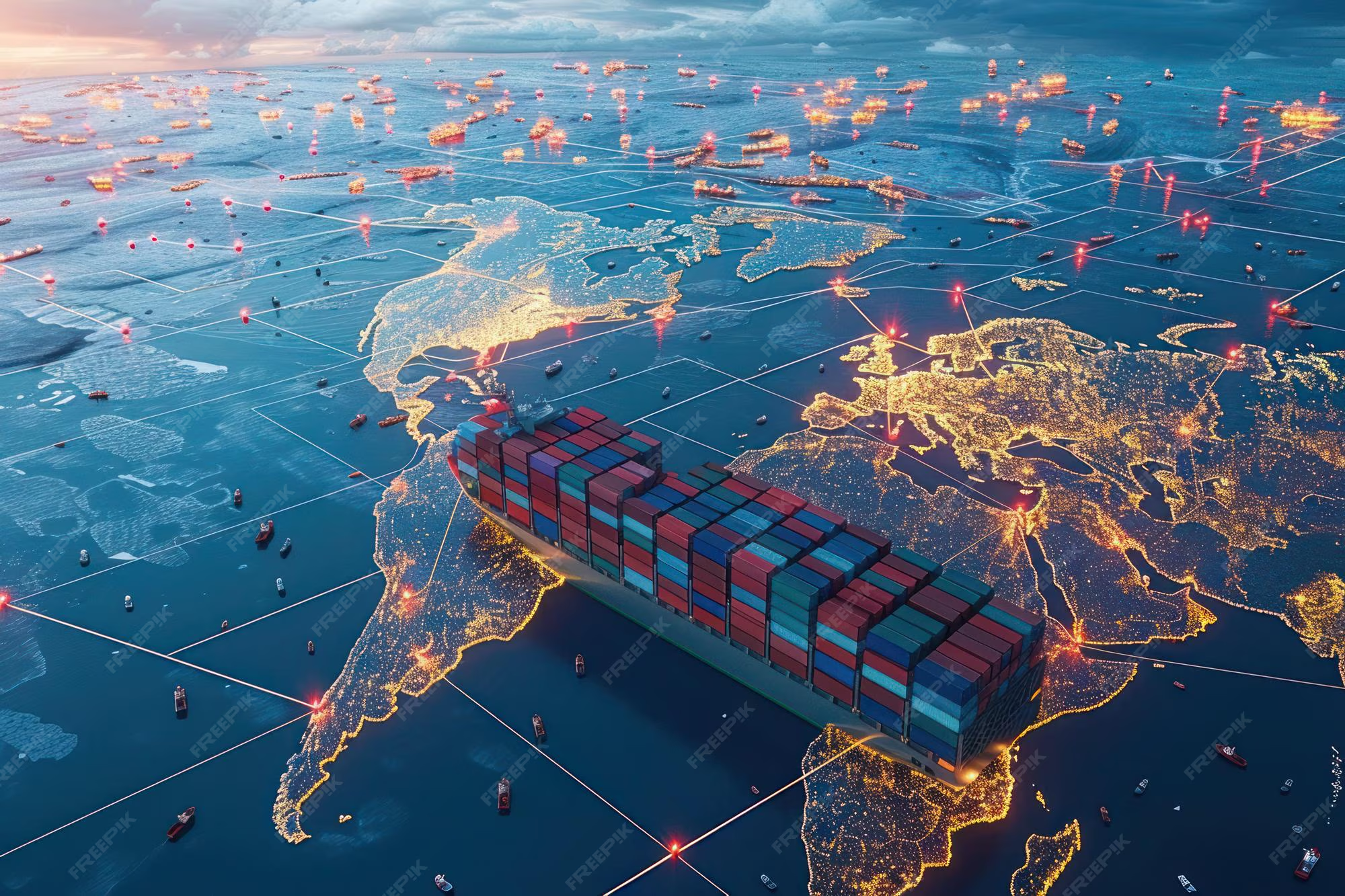
Global shipping routes are the arteries of international trade, facilitating the movement of goods across continents and oceans. These routes are not just pathways for cargo; they are vital to the global economy, influencing trade patterns, economic growth, and geopolitical relationships. In this article, we will explore the major global shipping routes, their significance, and the factors that shape them.
Table of Contents
Understanding Global Shipping Routes
Shipping routes are predetermined paths that vessels follow to transport goods from one port to another. These routes are influenced by various factors, including geography, trade agreements, and economic conditions. The most significant shipping routes are often located in strategic maritime chokepoints, where a large volume of global trade passes through.
The Importance of Shipping Routes
Shipping routes are crucial for several reasons:
- Economic Impact: They facilitate international trade, allowing countries to import and export goods efficiently. This trade is essential for economic growth and development.
- Cost Efficiency: Shipping by sea is often more cost-effective than other modes of transport, such as air freight. This cost efficiency is vital for businesses looking to maximize profits.
- Global Connectivity: Shipping routes connect different regions of the world, fostering international relationships and cultural exchange.
Major Global Shipping Routes
Several key shipping routes dominate global trade. Understanding these routes provides insight into the dynamics of international commerce.
The Panama Canal Route
The Panama Canal is one of the most significant engineering feats in history, connecting the Atlantic and Pacific Oceans. This route drastically reduces the travel distance for ships, allowing them to avoid the lengthy journey around South America.
Economic Significance
The Panama Canal plays a crucial role in global trade, particularly for goods traveling between the east and west coasts of the United States. It is a vital route for container ships, bulk carriers, and tankers, significantly impacting shipping times and costs. The canal’s strategic importance is underscored by the fact that it handles a significant portion of the world’s container traffic, making it a critical node in the global supply chain.
Challenges and Developments
The canal has faced challenges, including congestion and the need for expansion to accommodate larger vessels. Recent developments, such as the expansion project completed in 2016, have allowed the canal to handle larger ships, further enhancing its importance in global shipping. The expansion has also led to increased competition among ports in the Americas, as they vie for a share of the growing traffic.
The Suez Canal Route
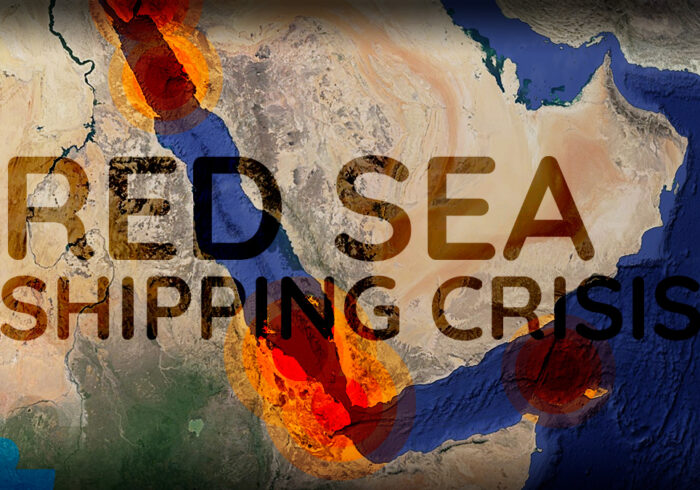
The Suez Canal, located in Egypt, is another critical shipping route that connects the Mediterranean Sea to the Red Sea. This canal is essential for trade between Europe and Asia, significantly reducing travel time for vessels.
Trade Volume
A substantial percentage of the world’s trade passes through the Suez Canal, making it one of the busiest maritime routes globally. It is particularly important for oil and gas shipments, as well as containerized cargo. The canal’s ability to accommodate large vessels has made it a preferred route for shipping companies, further solidifying its role in global trade.
Geopolitical Implications
The Suez Canal’s strategic location has made it a focal point for geopolitical tensions. Control over this route can influence global trade dynamics, as seen during the Suez Crisis in 1956. The canal’s importance has led to ongoing discussions about its security and the need for international cooperation to ensure safe passage for vessels.
The Strait of Malacca
The Strait of Malacca is a narrow waterway between the Malay Peninsula and the Indonesian island of Sumatra. It is one of the most important shipping lanes in the world, serving as a key transit point for vessels traveling between the Indian Ocean and the South China Sea.
Significance for Trade
Approximately one-third of global trade passes through the Strait of Malacca, making it a vital route for oil, natural gas, and consumer goods. The strait is particularly crucial for countries in East Asia, which rely heavily on imports. The high volume of traffic in this area underscores its importance in the global supply chain, as disruptions can have far-reaching effects on trade.
Security Concerns
The Strait of Malacca has faced security challenges, including piracy and territorial disputes. These issues can disrupt shipping and impact global trade, highlighting the need for international cooperation to ensure safe passage. Efforts to enhance security in the strait have included increased naval patrols and collaboration among regional countries to combat piracy and ensure the safety of maritime traffic.
The Transatlantic Route
The Transatlantic shipping route connects North America and Europe, facilitating the exchange of goods between these two major economic regions. This route is essential for various industries, including automotive, technology, and agriculture.
Trade Agreements
Trade agreements, such as the North American Free Trade Agreement (NAFTA) and the United States-Mexico-Canada Agreement (USMCA), have influenced trade patterns along the Transatlantic route. These agreements aim to reduce tariffs and promote trade, benefiting businesses on both sides of the Atlantic. The impact of these agreements extends beyond trade volumes, as they also foster economic cooperation and strengthen political ties.
Environmental Considerations
As global awareness of environmental issues grows, the shipping industry faces pressure to reduce its carbon footprint. The Transatlantic route is no exception, with companies exploring more sustainable shipping practices. Initiatives such as using cleaner fuels, optimizing shipping routes, and investing in energy-efficient vessels are becoming increasingly common as the industry seeks to balance economic growth with environmental responsibility.
The Future of Global Shipping Routes
The landscape of global shipping routes is continually evolving due to various factors, including technological advancements, environmental concerns, and geopolitical shifts.
Technological Innovations
Advancements in technology, such as automation and digitalization, are transforming the shipping industry. These innovations can enhance efficiency, reduce costs, and improve safety.
Automation in Shipping
Automated vessels and port operations are becoming more common, allowing for faster turnaround times and reduced labor costs. This trend is likely to continue as technology advances. The introduction of autonomous ships could revolutionize the industry, potentially leading to significant changes in how goods are transported across the globe.
Digitalization and Data Analytics
The use of data analytics and digital platforms is also reshaping the shipping industry. Companies are leveraging big data to optimize routes, improve supply chain management, and enhance customer service. Digital platforms facilitate real-time tracking of shipments, allowing businesses to respond quickly to changes in demand and supply chain disruptions.
Environmental Sustainability
The shipping industry is under increasing pressure to adopt sustainable practices. This includes reducing emissions, using alternative fuels, and implementing eco-friendly shipping methods.
Regulatory Changes
Governments and international organizations are introducing regulations to promote sustainability in shipping. These regulations can impact shipping routes and practices, pushing the industry toward greener solutions. The International Maritime Organization (IMO) has set ambitious targets for reducing greenhouse gas emissions from shipping, prompting companies to invest in cleaner technologies and practices.
Innovations in Fuel Technology
The development of alternative fuels, such as liquefied natural gas (LNG) and hydrogen, is gaining traction in the shipping industry. These fuels offer the potential to significantly reduce emissions compared to traditional marine fuels. The transition to alternative fuels will require investment in infrastructure and technology, but it represents a crucial step toward a more sustainable shipping industry.
Geopolitical Dynamics
Geopolitical tensions can significantly influence shipping routes. Changes in trade policies, territorial disputes, and military conflicts can alter established routes and create new challenges for global trade.
Trade Wars and Tariffs
Recent trade wars and the imposition of tariffs have disrupted traditional trade patterns, leading to shifts in shipping routes. Companies are adapting to these changes by seeking alternative markets and adjusting their supply chains to minimize the impact of tariffs.
Regional Conflicts
Regional conflicts can also affect shipping routes, as seen in areas like the South China Sea, where territorial disputes have raised concerns about the safety of maritime traffic. The potential for conflict in these regions underscores the importance of diplomatic efforts to ensure the security of global shipping routes.
The Role of Emerging Markets
Emerging markets are playing an increasingly significant role in global shipping routes. Countries in Asia, Africa, and Latin America are becoming key players in international trade, leading to shifts in shipping patterns.
Growth of Asian Economies
Countries like China and India are experiencing rapid economic growth, resulting in increased demand for imports and exports. This growth is reshaping global shipping routes, as more vessels are directed toward Asian ports. The Belt and Road Initiative, launched by China, aims to enhance connectivity and trade across Asia and beyond, further influencing shipping routes.
African Trade Opportunities
Africa is also emerging as a significant player in global trade, with various countries seeking to improve their infrastructure and increase exports. The African Continental Free Trade Area (AfCFTA) aims to boost intra-African trade, which could lead to new shipping routes and increased traffic through African ports.
The Impact of Climate Change
Climate change is another critical factor influencing global shipping routes. Rising sea levels, changing weather patterns, and increased frequency of extreme weather events can disrupt shipping operations and alter established routes.
Adapting to Changing Conditions
Shipping companies must adapt to these changing conditions by investing in resilient infrastructure and developing contingency plans for extreme weather events. This may include rerouting vessels to avoid areas prone to storms or flooding, which can impact shipping schedules and costs.
Environmental Regulations
As concerns about climate change grow, regulatory bodies are implementing stricter environmental regulations for the shipping industry. These regulations aim to reduce emissions and promote sustainable practices, which can influence shipping routes and operational practices.
Conclusion
Major global shipping routes are the backbone of international trade, facilitating the movement of goods across the globe. Understanding these routes and their significance is essential for businesses, policymakers, and anyone interested in the dynamics of global commerce. As the shipping industry evolves, it will be crucial to adapt to new challenges and opportunities, ensuring that these vital lifelines continue to support the global economy.
As you explore the vast world of global shipping routes and their impact on international trade, consider enhancing your shopping experience with the best deals available online. Discover amazing products at unbeatable prices at LooperBuy.
Article Summary: This article explores the major global shipping routes that facilitate international trade, including the Panama Canal, Suez Canal, Strait of Malacca, and Transatlantic Route. It discusses their economic significance, challenges, and the future of shipping in light of technological advancements, environmental sustainability, and geopolitical dynamics.
Hot Tags: Global Shipping Routes; International Trade; Panama Canal; Suez Canal; Strait of Malacca; Transatlantic Route; Maritime Chokepoints; Shipping Industry; Trade Agreements; Environmental Sustainability; Shipping Innovations; Global Economy; Shipping Costs; Cargo Transportation; Trade Patterns; Geopolitical Tensions; Shipping Security; Automation in Shipping; Eco-Friendly Shipping; Maritime Trade; Supply Chain; Logistics; Container Shipping; Bulk Carriers; Oil Transportation; Natural Gas Shipping; Trade Volume; Shipping Challenges; Global Connectivity; Economic Growth; Emerging Markets; Climate Change; Belt and Road Initiative.
Related Questions & Answers
· What are the environmental impacts of major shipping routes?
Major shipping routes contribute to air and water pollution, greenhouse gas emissions, and marine biodiversity loss. The shipping industry is increasingly focusing on reducing its environmental footprint through sustainable practices.
· How do geopolitical factors influence the security of major shipping routes?
Geopolitical factors, such as territorial disputes and military conflicts, can threaten the security of shipping routes. These tensions may lead to increased naval presence and security measures to protect maritime traffic.
· What technological innovations are reshaping global shipping routes?
Technological innovations such as automation, digitalization, and the use of alternative fuels are reshaping global shipping routes. These advancements enhance efficiency, reduce costs, and promote sustainability in the shipping industry.
· What role do trade agreements play in shaping shipping routes?
Trade agreements can influence shipping routes by reducing tariffs and promoting trade between countries. They can lead to increased shipping traffic along specific routes, impacting global trade dynamics.
· How is the shipping industry addressing environmental concerns?
The shipping industry is addressing environmental concerns by adopting cleaner fuels, implementing energy-efficient practices, and complying with regulations aimed at reducing emissions and promoting sustainability.