In the complex landscape of modern risk management, governance, and cybersecurity, professionals often encounter the terms due care and due diligence. While frequently used interchangeably in casual discourse, they represent distinct, critical pillars of operational strategy. Misunderstanding these concepts is not merely an academic oversight; it is a liability that can lead to regulatory exposure, security breaches, and diminished stakeholder trust.
This comprehensive guide dissects the due care vs. due diligence framework. We will bridge the gap between abstract theory and actionable practice, offering expert insights to help you distinguish between these concepts and implement them effectively within your organization.
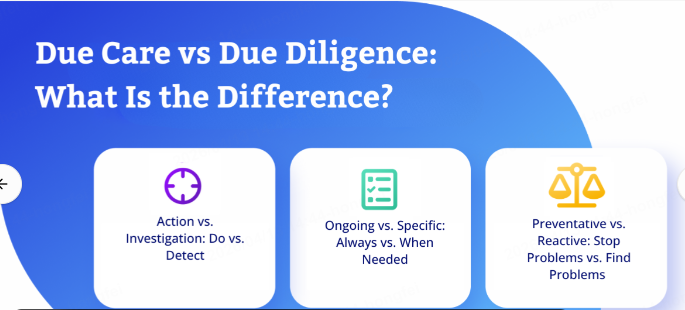
Table of Contents
The Fundamental Definitions
To master risk management, you must first define your terms with precision.
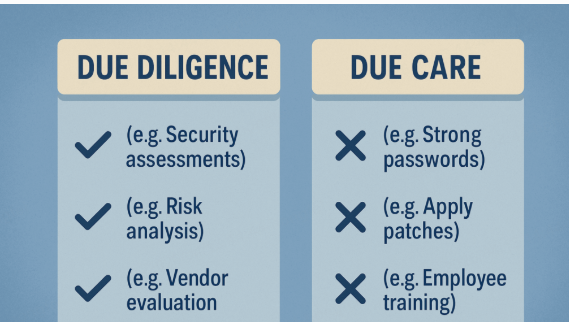
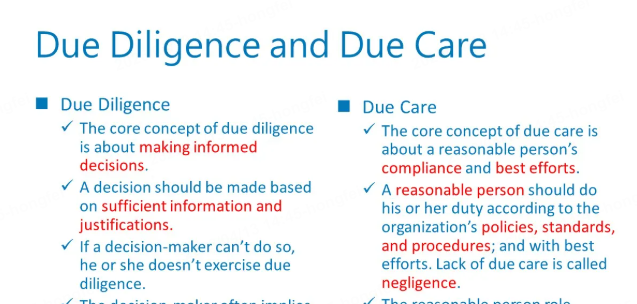
- Due Diligence: This is the proactive, investigative phase. It involves the systematic research, assessment, and analysis conducted before making a major decision—such as entering a partnership, an acquisition, or launching a new technology stack linkedin linkedin. Think of it as the “look before you leap” stage.
- Due Care: This is the ongoing, operational standard. It refers to the continuous actions, prudence, and caution taken to protect an organization’s assets, people, and reputation on a daily basis cliffsnotes mosse-institute. It is the practice of “doing the right thing” consistently cliffsnotes.
Key Comparison: Why the Distinction Matters
| Feature | Due Diligence | Due Care |
|---|---|---|
| Primary Goal | Risk Assessment & Information Gathering linkedin | Responsible Asset Protection smartroom |
| Temporal Nature | Episodic (Project-based) reddit | Continuous (Ongoing) reddit |
| Perspective | Proactive Investigation scribd | Prudent Action/Maintenance diro |
| Outcome | Informed Decision-Making linkedin | Operational Excellence reddit |
Bridging the Gap: Real-World Industry Scenarios
The difference between these concepts is not just academic—it is practical. In cybersecurity, for example, failing to distinguish between them can be catastrophic youtube.
Scenario 1: Mergers and Acquisitions (M&A)
During an acquisition, due diligence is the intensive process of auditing the target company’s security infrastructure, data practices, and regulatory compliance. Once the deal is closed, due care becomes the ongoing process of managing the merged entities’ security, patching vulnerabilities, and training new employees to ensure the “illusion of security” does not become a reality of breach youtube.
Scenario 2: Third-Party Vendor Management
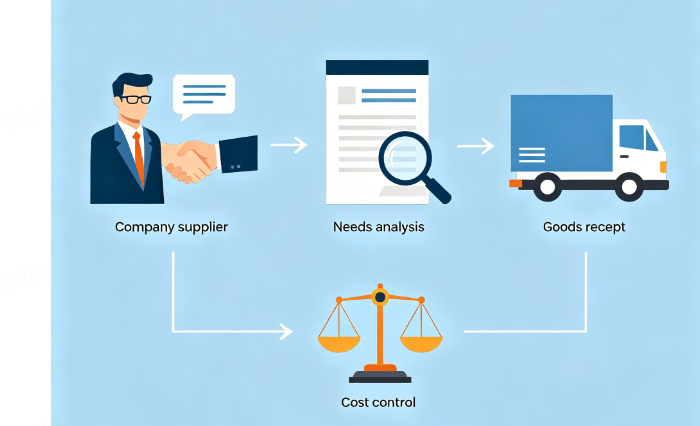
- Due Diligence: Before signing a contract, you rigorously vet the vendor’s security controls, financial stability, and legal standing.
- Due Care: After signing, you maintain active oversight, regular communication, and continuous monitoring of the vendor’s performance to ensure they continue to meet your security standards youtube.
Deep Dive: The Mechanics of Implementation
To truly leverage these concepts, organizations must operationalize them beyond mere policy.
Expert Strategy: The Lifecycle Approach
Too often, companies treat due diligence as a one-time “check-the-box” exercise. To achieve organizational maturity, you must transition to a continuous lifecycle model.
- Dynamic Risk Mapping: Instead of static annual assessments, implement dynamic dashboards that integrate real-time threat intelligence. This transforms episodic due diligence into a living, breathing component of your strategy.
- Automated Vigilance: Due care is notoriously labor-intensive. Use automated security orchestration tools to handle repetitive tasks like patch management, access reviews, and configuration auditing. Automation is the bedrock of operational due care.
The Legal and Ethical Dimension
From a legal perspective, practicing due care is often synonymous with acting as a “reasonable person” in your professional capacity phenomenati. Failing to demonstrate due care when a breach occurs is frequently cited as evidence of negligence. Therefore, meticulous documentation is not optional; it is your primary defense against legal scrutiny. If a security activity is not documented, in the eyes of an auditor, it did not occur.
Strategic Roadmap: Building Your Governance Framework
To harmonize these two concepts, follow this organizational hierarchy:
- Define Governance Standards (Due Diligence Phase): Research and adopt established frameworks (e.g., ISO 27001, NIST). This is your initial investment in knowing what “good” looks like.
- Establish Operational Baselines (Due Care Phase): Based on those standards, set daily operational procedures. This is the “doing” phase.
- Implement Feedback Loops: Use the outcomes of your daily due care activities to inform your next cycle of due diligence. This creates a virtuous cycle of improvement.
Conclusion: A Synergistic Approach
Successfully balancing due care vs. due diligence is the hallmark of a resilient, mature organization. By treating due diligence as the intelligence-gathering mechanism that informs your strategy, and due care as the engine that sustains your defenses, you create a robust ecosystem that protects your assets and satisfies your stakeholders. Stop choosing between them—start integrating them.
Ready to transform your risk management? [Contact our advisory team today] to audit your current frameworks and build a more resilient, compliant future for your organization.
References
- [1] CapLinked: Due Care vs. Due Diligence Explained
- [3] SmartRoom: Due Care vs Due Diligence: Why 78% of Secure Companies Fail
- [4] Diro: What are the Difference Between Due Care and Due Diligence?
- [7] Phenomenati: Due Diligence, Due Care, and the Reasonable Person Standard
- [10] LinkedIn: Due care vs Due Dilligence | Prabh Nair
- [11] Reddit: Due care vs Due diligence : r/cissp
- [12] Diro: What are the Difference Between Due Care and Due Diligence?
- [13] LinkedIn: Cyber Security: Due Diligence vs Due Care
- [15] Scribd: Due Care vs. Due Diligence in CISSP
- [16] Security Stack Exchange: What’s the difference between “Due Care” and “Due Diligence”?
Frequently Asked Questions (FAQ)
1. Can an organization survive with only one of these?
No. Relying only on due diligence leads to paralysis (investigating but never acting), while relying only on due care leads to recklessness (acting without understanding the risks). Both are essential for long-term survival.
2. Which standard is higher?
Due diligence generally involves a higher standard of active, thorough investigation and verification, whereas due care focuses on maintaining a reasonable standard of prudence and operational maintenance phenomenati linkedin.
3. Is due care just “fixing” things?
No. While it involves immediate corrective actions, it is broader; it encompasses all routine, prudent activities required to uphold an organization’s security and legal obligations cliffsnotes caplinked.
4. How does this apply to small businesses?
Even small businesses must practice due diligence when selecting vendors and due care in protecting customer data, regardless of their size, to avoid legal liability and reputation damage.
5. What is the biggest mistake companies make?
The most common mistake is treating these as one-time events rather than continuous, evolving processes integrated into the organizational culture and operational workflows youtube.
Article Brief:
This professional guide explores the critical difference between due care and due diligence. It clarifies definitions, offers expert strategies for effective implementation, and provides real-world scenarios to help professionals strengthen their risk management, governance, and security frameworks.
Hot Tags:B2B Risk Management, Corporate Due Diligence, Due Care vs Due Diligence, Third-Party Vendor Assessment, Cybersecurity Governance, Regulatory Compliance Frameworks, Enterprise Risk Mitigation, Operational Due Diligence, M&A Security Auditing, Proactive Governance Strategies