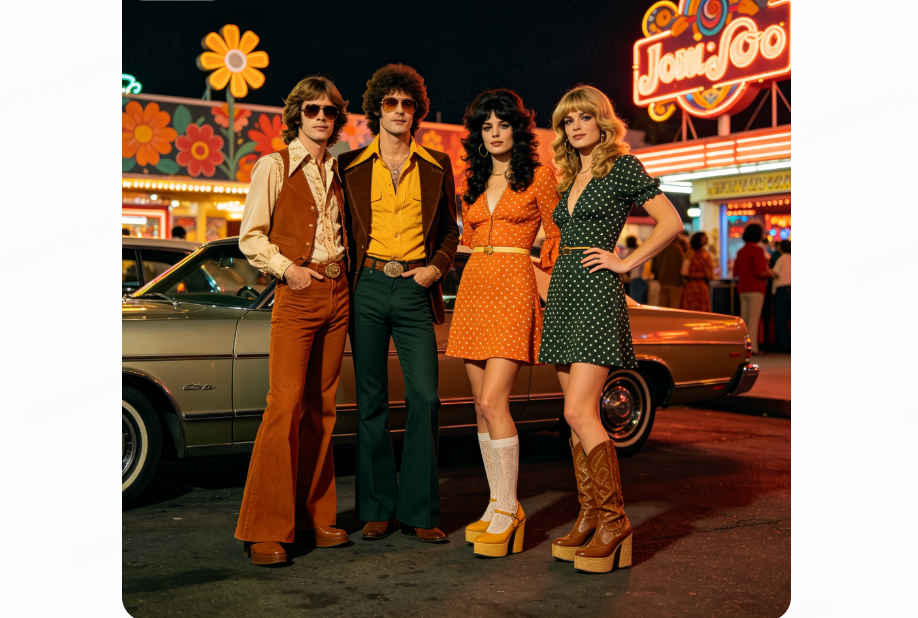
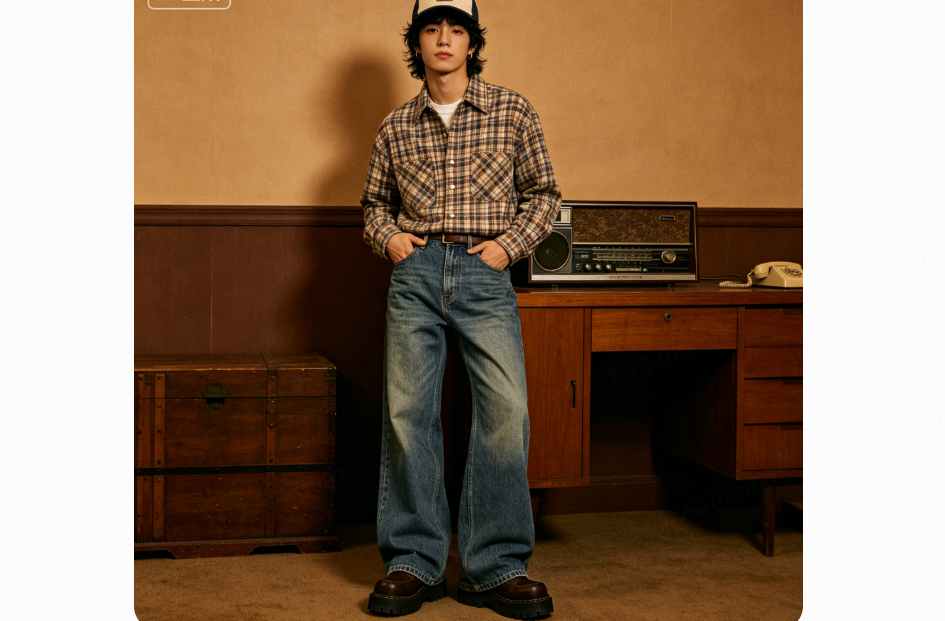
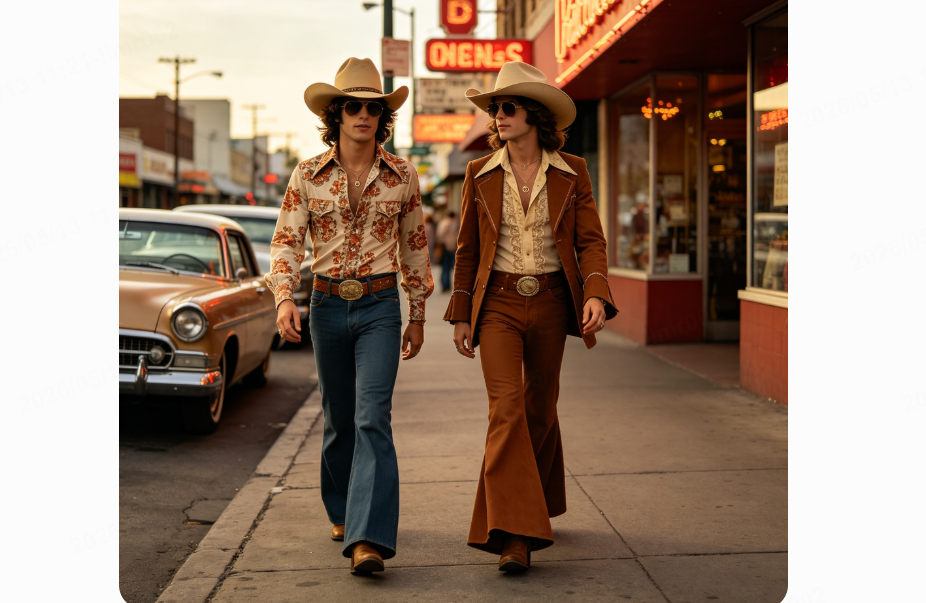
The 1970s was a decade of vibrant self-expression—a kaleidoscope of disco beats, platform shoes, bell-bottom pants, mood rings, and pet rocks that defined a generation. Fast-forward to 2025, and those very same 1970s fads have roared back with a vengeance, reshaping consumer behavior across fashion, home decor, electronics, and event merchandise. As a B2B sourcing strategist with over a decade of experience navigating cross-border supply chains, I see a clear signal: the retro wave is not a fleeting nostalgia trip—it’s a durable, data‑backed market shift. And for brands, wholesalers, and manufacturers ready to capitalize, sourcing authentic 1970s-inspired products from China offers unmatched cost, variety, and speed. Here’s how to seize the moment.
Table of Contents
The Power of Nostalgia: Why 1970s Fads Are Hot Again
Nostalgia has become one of the top three global consumer trends for 2025, according to Ipsos’ global trends report. In an era of rapid digital change and economic uncertainty, consumers—especially younger generations—are turning to the past for comfort and authenticity. The “newstalgia” movement is characterized by products that blend vintage aesthetics with modern functionality, from compact radios styled after 1970s transistor models doubling as smart speakers to cathode-ray-style TVs with streaming capability.
What makes the 1970s uniquely appealing? It was the original “me culture”—an explosion of maximalism, boho aesthetics, disco shine, and sporty retro pieces that rejected minimalism in favor of bold, unapologetic individuality. Designers from Chanel and Saint Laurent to Zimmermann have brought those exact silhouettes back to 2025 runways, proving that 1970s classics are truly timeless.
💡 Key takeaway for B2B buyers: The resurgence is not just about fashion runways. It spans home decor (mushroom lamps, walnut stereo consoles, daisy dishware), electronics (retro‑styled smart speakers, mini CRTs), event supplies (disco balls, lava lamps), and even leisure suits and flared denim. The market is broad and growing—and China’s manufacturing base is perfectly positioned to supply it.
The 1970s Revival by the Numbers: A Lucrative B2B Opportunity
Let’s ground this trend in real data. The global vintage retro decor market alone was valued at $79.5 billion in 2025 and is projected to reach $119.53 billion by 2032, growing at a CAGR of 6.0%. For apparel buyers, China’s traditional and vintage-style clothing exports surged 33% year-over-year in Q1 2025, with European markets growing 125% in France and over 80% in Latin American and Middle Eastern emerging markets.
Major brands are taking notice. Banana Republic launched “Banana Republic Archive,” a curated collection of authentic 1970s–1990s vintage pieces, selling out limited drops almost instantly. High-street retailers in the UK have reported “nowstalgia” as the defining shopping theme of 2025, with 70s-inspired furniture and bold color palettes driving sales.
This isn’t a niche anymore. It’s a mainstream commercial wave. The question isn’t whether toget into 1970s-themed products—it’s how to source them efficiently and at scale.
Why China Is the Global Hub for Manufacturing 1970s-Inspired Products
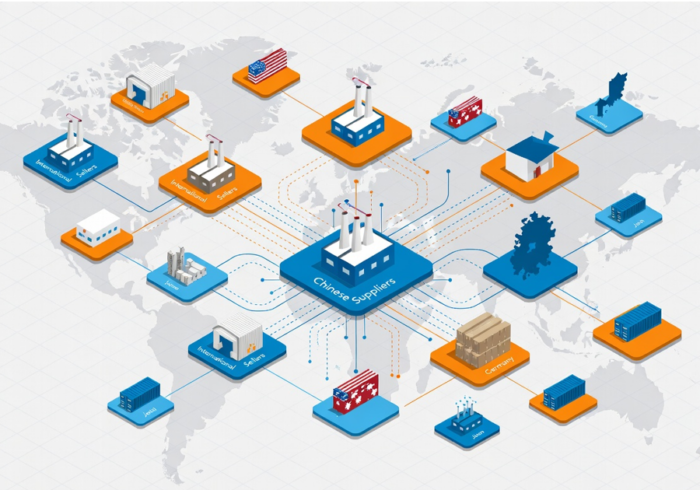
China’s manufacturing ecosystem delivers what nostalgic product lines demand: accuracy, variety, affordability, and speed.
Product diversity: Chinese suppliers cover every category of 1970s revival goods—flared denim and psychedelic prints from Guangdong and Zhejiang, retro-modern furniture from Shanghai and Shenzhen, vintage lighting from Zhongshan (China’s “Lighting Capital”), and even replica lava lamps and vinyl record players from specialized electronics clusters.
Cost advantage: Direct factory pricing runs 25‑40% lower than European or North American equivalents, thanks to mature supply chains, economies of scale, and vertical integration in hubs like the Pearl River Delta and Yangtze River Delta.
Fulfillment capacity: With over 200 major ports and logistics hubs, China can ship bulk or small-batch B2B orders to any corner of the globe reliably and quickly.
I’ve personally advised international wholesalers who struggled for months to find reliable suppliers of 1970s disco balls and mood rings—only to discover that specialized Chinese manufacturers already produce them at a fraction of the cost with superior quality control. The challenge has never been supply. It’s been accessing legitimate, vetted suppliers without getting lost in fragmented platforms or middlemen.
5 High-Demand 1970s-Themed Product Categories to Source Right Now
Based on current search trends and wholesale order data for 2025–2026, here are the hottest segments for B2B buyers:
Retro-styled smart speakers, boomboxes, mini CRTs, vinyl record players
Shenzhen (electronics clusters)
Party & Event Supplies
Disco balls, lava lamps, mood rings, pet rocks, 70s-themed decorations
Yiwu (global wholesale market)
Furniture
Mid-century modern sofas, French Provincial revival, Italian postmodern pieces
Shenzhen, Shanghai, Zhaoqing
Each of these categories has seen double-digit growth in wholesale demand over the past 12 months. The key is moving quickly—first movers in nostalgic product lines typically capture premium pricing and loyalty from trend‑conscious retailers.
A LooperBuy Success Story: Sourcing Retro Vinyl Record Players
Let me share a real example. A boutique European home audio brand approached me in early 2025 wanting to launch a line of portable record players with a distinct 1970s aesthetic—woodgrain finishes, retro knobs, and analog meters. They’d been quoted exorbitant prices from Western suppliers and had no idea where to start in China.
Through LooperBuy’s one‑stop platform, we connected them directly with a specialized audio manufacturer in Shenzhen that already produced high‑quality record mechanisms and had experience with retro casings. The supplier offered custom injection molding for the woodgrain shells and complete design control over the knob placement and meter styling. The buyer placed an initial test order of 500 units—well below the 5,000 MOQ that other platforms demanded—at a per‑unit cost 60% lower than their original Western quote. Within six months, they had scaled to full container orders and were supplying retailers across Germany, France, and the UK.
💬 “I was skeptical about sourcing from China because of horror stories about quality and communication. LooperBuy handled the supplier vetting, sample coordination, and logistics from day one. Now, retro audio is our fastest‑growing category.”—Marcus T., Product Director, European Audio Brand
3 Common Pain Points in Sourcing 1970s Products (And How LooperBuy Fixes Them)
1. Unvetted Suppliers Wasting Your Time and Money
Every B2B buyer has faced this: you find a supplier with beautiful photos of 1970s-inspired products, only to receive samples that look nothing like the listing—or worse, nothing at all.
LooperBuy solution: We pre‑vet all suppliers on our platform against real order history, quality certifications, and customer reviews. You bypass the guesswork and connect directly with manufacturers who have already proven their capabilities to international buyers.
2. Hidden Costs That Destroy Your Margins
Logistics, tariffs, payment conversion fees, and unexpected broker charges can add 30% or more to your landed cost.
LooperBuy solution: Our transparent pricing includes** factory‑direct costs + logistics estimates + no hidden fees**. With integrated payment processing through LianLian Global, you can pay suppliers in foreign currencies directly from your account without expensive conversion fees.
3. Fragmented Product Access Across Multiple Platforms
Manually hunting for 1970s lighting on one site, then apparel on another, then furniture on yet another—it’s inefficient and time‑consuming.
LooperBuy solution: As a single, integrated platform connecting directly to 1688.com—China’s largest B2B marketplace with millions of products—LooperBuy gives you one dashboard to search across all categories, request quotes, track samples, and manage orders.
Your Step‑by‑Step Sourcing Roadmap for 1970s-Themed Products
Here’s how to move from trend insight to profitable inventory in five practical steps:
Step 1: Define your product specifications clearly. Know your materials (e.g., 100% cotton for retro tees? ABS plastic for replica lava lamps?), desired quantities, and quality tolerances before approaching suppliers.
Step 2: Create a shortlist of vetted manufacturers. Use LooperBuy’s search tool to filter suppliers by product category, MOQ, and certifications. Aim for three to five candidates per product type.
Step 3: Order and inspect samples. Never skip this step. For 1970s fashion, check fabric weight and print accuracy. For electronics, test functionality and visual match to vintage references.
Step 4: Negotiate payment and logistics terms. LooperBuy helps you secure favorable terms—often 30% deposit/70% balance upon shipment—and provides consolidated shipping options for multi‑supplier orders.
Step 5: Scale with quality control and repeat orders. Once you’ve validated a supplier, establish regular QC checkpoints. LooperBuy’s platform tracks order history and performance, making repeat orders seamless.
Frequently Asked Questions (FAQ)
Q1: Are 1970s fads really coming back in 2025, or is this just hype? A: The revival is backed by hard data. The global vintage retro decor market is projected to grow from $79.5 billion in 2025 to $119.53 billion by 2032. Major brands like Banana Republic and luxury designers Chanel and Saint Laurent have all launched 1970s-inspired collections. This is a multi-year trend, not a flash in the pan.
Q2: How do I avoid copyright issues when sourcing 1970s-themed products from China? A: Be cautious with band logos, movie posters, or song lyrics from the 1970s. Always work with suppliers who understand intellectual property compliance. On LooperBuy, vetted suppliers will clearly state whether they offer original designs or licensed reproductions. For safety, focus on generic retro aesthetics—bell silhouettes, psychedelic prints, or disco-ball motifs—that capture the era without violating IP.
Q3: What’s the typical minimum order quantity (MOQ) for 1970s-inspired products from Chinese suppliers? A: MOQs vary by category. For retro clothing, many Guangdong and Zhejiang suppliers accept as low as 10–50 pieces per style, making them accessible for boutique brands. For mold‑based products like retro lighting or furniture, MOQs start at 100–500 units. LooperBuy can help you find low‑MOQ suppliers specifically for test runs.
Q4: How long does shipping take, and what about customs clearance? A: Air freight takes 5–10 days for samples or urgent small orders; sea freight takes 25–40 days for full containers. LooperBuy partners with global logistics providers to offer door‑to‑door shipping with customs brokerage included. Most buyers receive their first test orders within 4–6 weeks from payment.
Q5: Can I get custom designs made, not just existing 1970s-style products? A: Absolutely. Many Chinese manufacturers specialize in OEM/ODM (original design manufacturing). With LooperBuy, you can share your design files or mood boards, and vetted suppliers will produce custom molds, fabrics, or electronics boards to your exact specifications. Just budget for higher sample costs and longer lead times (typically 6–12 weeks for first custom run).
Take Action: Turn 1970s Fads Into Your Next Profit Center
The window is open. Consumer appetite for 1970s nostalgia is surging—from millennials rediscovering their parents’ vinyl collections to Gen Z embracing the imperfect, maximalist aesthetic as an antidote to digital perfection. Your competitors are already sourcing.
Visit LooperBuy today to start your search for vetted Chinese suppliers of 1970s-inspired apparel, home decor, electronics, and party goods. With our one‑stop platform, you’ll access 1688.com’s entire product universe, enjoy factory‑direct pricing 25‑40% below Western alternatives, and ship globally with transparent logistics and integrated payments.
Don’t wait for the trend to peak. Start sourcing smarter.
简介(300字符左右): The 1970s are back—bell‑bottoms, disco balls, mood rings, and retro electronics are dominating global consumer markets in 2025. This expert B2B sourcing guide reveals the data behind the nostalgia trend, the hottest product categories for wholesale buyers, and a proven step‑by‑step roadmap for sourcing authentic 1970s‑inspired goods from China. Backed by market forecasts of a $119B vintage decor market and firsthand LooperBuy success stories, discover how one‑stop platform LooperBuy helps brands, wholesalers, and manufacturers unlock this booming opportunity with vetted suppliers, low MOQs, and seamless global logistics.