Table of Contents
Introduction to the Art of Note – Taking Inspired by Leonardo da Vinci
Leonardo da Vinci, the epitome of a Renaissance man, was not only a master painter but also an inventive thinker, scientist, and engineer. His genius was not confined to the canvases he painted but extended to the pages of his notebooks. These notebooks are treasures troves of his thoughts, observations, ideas, and innovations have that inspired countless individuals across generations. In the digital age, where information is just a click away, the art of maintaining a notebook like Da Vinci offers a unique pathway to enhancing creativity, deepening knowledge, and organizing thoughts in a meaningful way. This article delves into the principles and practices that underpinned Da Vinci’s note – taking methods and provides a comprehensive guide on how you can adopt similar approaches to enrich your intellectual journey.
The Significance of Da Vinci – Style Note – Taking in the Modern World
In today’s fast – paced world, our minds are constantly bombarded with information from various sources. The ability to filter, process, and retain valuable knowledge is becoming increasingly crucial. Da Vinci’s notebooks exemplify a systematic yet creative approach to learning and idea generation. By emulating his methods, we can cultivate sharper critical thinking skills, boost our memory, and stimulate our creative potential. Moreover, in an era where digital distractions are rampant, the tactile experience of writing in a notebook can serve as a meditative practice, enhancing focus and engagement with the material.
The Key Elements of Da Vinci’s Note – Taking Philosophy
Curiosity and Observation
Da Vinci’s notebooks are testaments to his insatiable curiosity about the world around him. He observed everything from the flight of birds to the flow of rivers, from human anatomy to the mechanics of machines. To keep a notebook like Vinci Da, cultivate a mindset of curiosity. Observe the details in your surroundings, whether it’s the behavior of people, the patterns in nature, or the workings of a new technology. Jot down your observations regularly, no matter how trivial they may seem at the moment. These notes can later spark groundbreaking ideas or provide insights into complex problems.
Interdisciplinary Thinking
Da Vinci seamlessly integrated knowledge from different domains into his work. His notebooks reflect a blend of art, science, engineering, and philosophy. Embrace interdisciplinary thinking by exploring subjects outside your primary area of interest. For instance, if you’re a marketer, delve into psychology or sociology to gain deeper insights into consumer behavior. Record connections and intersections between different fields in your notebook. This approach can lead to innovative solutions and a more holistic understanding of various issues.
Visual Representation
Da Vinci was a visual thinker, and his notebooks are filled with sketches, diagrams, and illustrations alongside text. Visual elements can enhance comprehension and retention of information. Incorporate drawings, mind maps, charts, and diagrams into your note – taking. If you’re learning a new concept, try to represent it visually. This not only makes the information more memorable but also helps in identifying relationships and patterns that might not be apparent through text alone.
Practical Steps to Keeping a Notebook Like Da Vinci
Choosing the Right Notebook
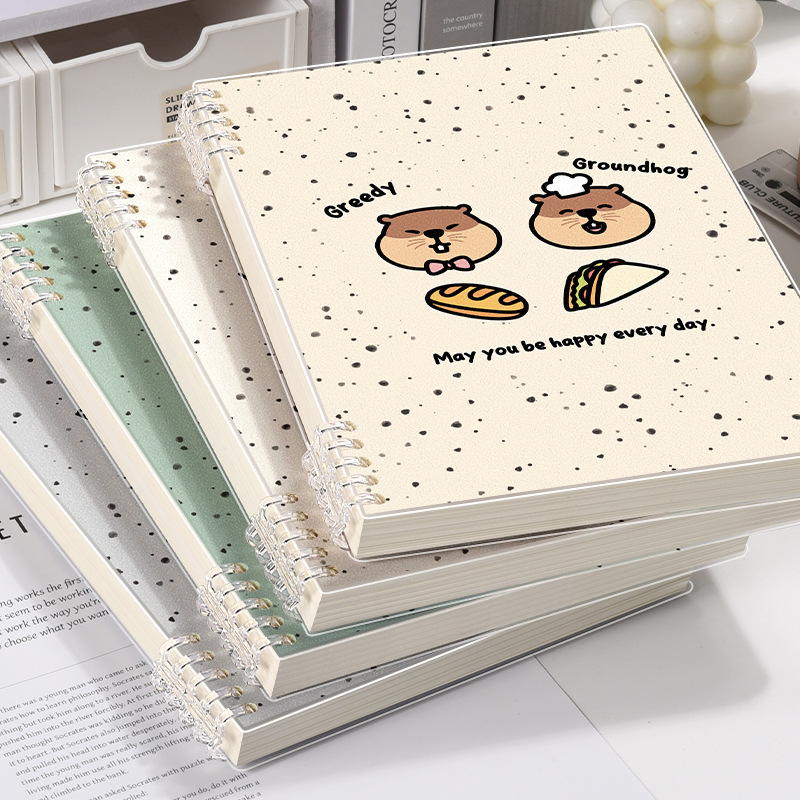
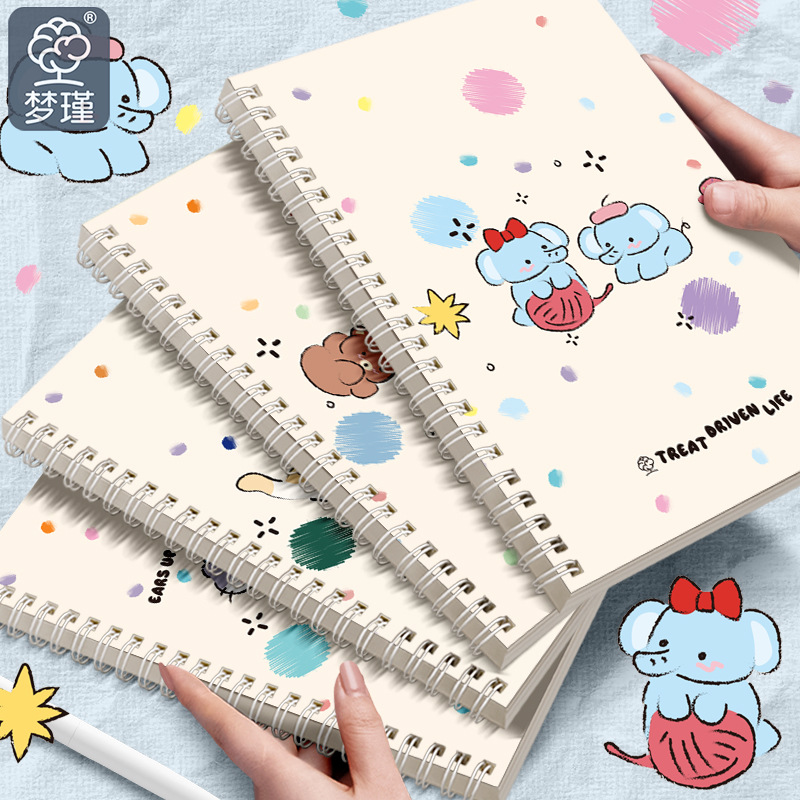
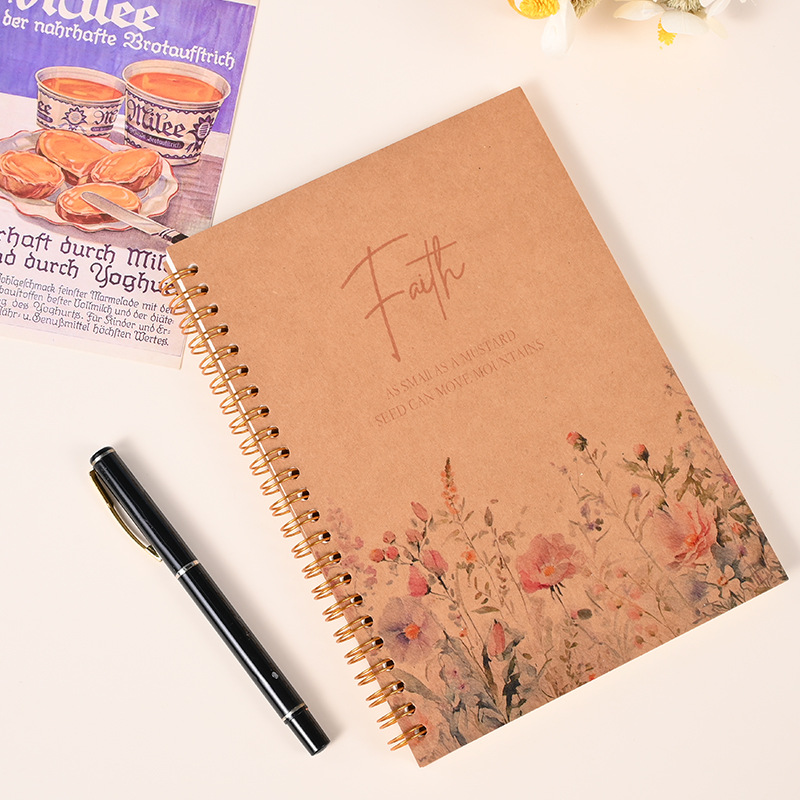
While Da Vinci used handmade notebooks, you have a plethora of options today. Select a notebook that appeals to you in terms of size, quality, and durability. Consider whether you prefer a lined, grid – ruled, or blank notebook. Some people find that different types of paper and bindings suit different purposes. For example, a small, portable notebook can be carried everywhere for quick notes, while a larger one can be used for more elaborate entries at home or in a dedicated workspace.
Establishing a Consistent Note – Taking Habit
Set aside specific times each day or week for note – taking. This could be during your morning commute, over a cup of coffee in the afternoon, or before bed. Consistency is key to building a lasting habit. Start with short sessions and gradually increase the duration as you become more comfortable. Treat your notebook as a sacred space where you can freely express your thoughts without judgment.
Structuring Your Entries
Da Vinci’s notebooks were organized in a way that facilitated easy reference and review. While you don’t need to follow a rigid structure, having some organization can make your notebook more useful. Consider categorizing your entries by topics, such as “Ideas,” “Observations,” “Questions,” or “Projects.” Use headings, bullet points, and numbering to create a clear hierarchy of information. Leave some blank space between entries to allow for additions or connections made in the future.
Reviewing and Expanding Upon Your Notes
Regularly revisit your notebook to review past entries. This process of reflection can lead to new insights and help you track your progress over time. As you gain more knowledge or experience, expand upon your initial notes. Add new information, refine your thoughts, and draw connections between different entries. This dynamic approach turns your notebook into a living document that evolves with your growth.
Leveraging Modern Tools While Honoring Da Vinci’s Principles
Although Da Vinci worked with quills and parchment, you can enhance your note – taking experience with modern technology while staying true to his core principles. Digital tools like note – taking apps can offer benefits such as searchability, cloud storage, and collaboration features. However, balance is essential. Consider using a hybrid approach where you hand – write your initial notes in a physical notebook and later transfer or expand upon them digitally. Some apps even allow you to incorporate sketches and diagrams, bridging the gap between traditional and modern methods.
Overcoming Common Challenges in Maintaining a Da Vinci – Style Notebook
Overcoming the Fear of Imperfection
Da Vinci’s notebooks are filled with crossed – out lines, scribbles, and corrections. He embraced the iterative nature of learning and idea development. Don’t let the fear of making mistakes or creating imperfect entries deter you from note – taking. Remember that your notebook is space a for exploration and growth, not a showcase of finished products. Embrace imperfection as a natural part of the creative process.
Dealing with Information Overload
In the age of the internet, it’s easy to feel overwhelmed by the vast amount of information available. To prevent your notebook from becoming a chaotic dump of random facts, practice selective note – taking. Focus on recording information that genuinely interests you, challenges your thinking, or has practical applications in your life. Apply the principles of critical evaluation to filter out noise and retain valuable content.
Staying Motivated in the Long Run
Maintaining a notebook over an extended period requires motivation and commitment. To stay on track, remind yourself of your initial goals and the benefits you hope to gain from this practice. Celebrate small milestones, such as completing a certain number of entries or making a significant connection between ideas. Joining a community of fellow note – takers or sharing your journey with friends can also provide accountability and encouragement.
Conclusion
Embracing the practice of keeping a notebook in the spirit of Leonardo da Vinci offers a gateway to unlocking your creative potential, deepening your knowledge, and organizing your thoughts in a meaningful and lasting way. By cultivating curiosity, embracing interdisciplinary thinking, incorporating visual elements, and establishing consistent habits, you can transform your notebook into a powerful tool for personal and intellectual growth. Remember that the journey of note – taking is as valuable as the destination, and each entry you make is a step toward becoming a more thoughtful, creative, and insightful individual.
How to Purchase:https://looperbuy.com/search?keywords=how+to+keep+a+notebook+like+da+vinci
Frequently Asked Questions
Q: Can I use a digital notebook instead of a physical one to emulate Da Vinci’s methods?
A: Yes, you can use a digital notebook. While Da Vinci worked with physical materials, the essence of his note – taking lies in the principles he employed, such as curiosity, observation, and interdisciplinary thinking. Digital tools can offer advantages like searchability and backup options. However, some people find that the tactile experience of writing by hand enhances creativity and memory retention. Consider trying both methods and choose the one that feels most natural and effective for you.
Q: How often should I write in my Da Vinci – style notebook?
A: The frequency of writing depends on your personal goals and lifestyle. Ideally, aim to write in your notebook regularly, whether daily, several times a week, or at least once a week. Consistency is more important than the amount of time spent in each session. Even short, focused note – taking sessions can yield significant benefits. Find a rhythm that fits into your routine and stick to it as much as possible.
Q: What should I do if I run out of ideas for my notebook entries?
A: If you’re experiencing a lack of inspiration, revisit your previous entries to see if they spark new thoughts or connections. Engage with different sources of information, such as books, documentaries, lectures, or conversations with knowledgeable individuals. Take walks in nature or visit museums and galleries to stimulate your curiosity. Carry a small notebook or use a note – taking app on your phone to capture ideas as they come to you throughout the day, even if they seem insignificant at first.
Q: How can I make my notebook more visually appealing like Da Vinci’s?
A: Enhancing the visual appeal of your notebook involves incorporating drawings, diagrams, and other visual elements. Start by sketching simple objects or scenes that interest you. Don’t worry about artistic perfection; focus on expressing your observations and ideas visually. Use different colors, patterns, and layouts to differentiate between topics and highlight important points. With practice, your visual note – taking skills will improve, and your notebook will become a more engaging and inspiring companion.
Q: Is it necessary to organize my notebook in a specific way, or can I keep it unstructured?
A: While some organization can make your notebook more useful for review and reference, there’s no strict requirement to follow a particular structure. Experiment with different approaches to find what works best for you. You might start with a completely free – form method and gradually introduce categories or headings as your notebook grows. The key is to create a system that allows you to easily navigate your thoughts and retrieve information when needed without stifling your creativity.
Hot Tags: How To Keep A Notebook Like Da Vinci; Da Vinci Notebook Techniques; Creative Note – Taking Methods; Enhancing Knowledge Through Notebooks; Visual Journaling; Interdisciplinary Learning; Curiosity – Driven Note – Taking; Personal Growth Notebooks; Effective Knowledge Organization; Modern Note – Taking Tools