Office stationery items are essential tools that facilitate daily tasks in any workplace. From writing notes to organizing documents, these supplies play a crucial role in maintaining productivity and efficiency. In this article, we will explore various categories of office stationery items, their uses, and tips for selecting the right supplies for your office needs. Understanding the importance of these items can help you create a more organized and effective work environment.
Table of Contents
What is Office Stationery?
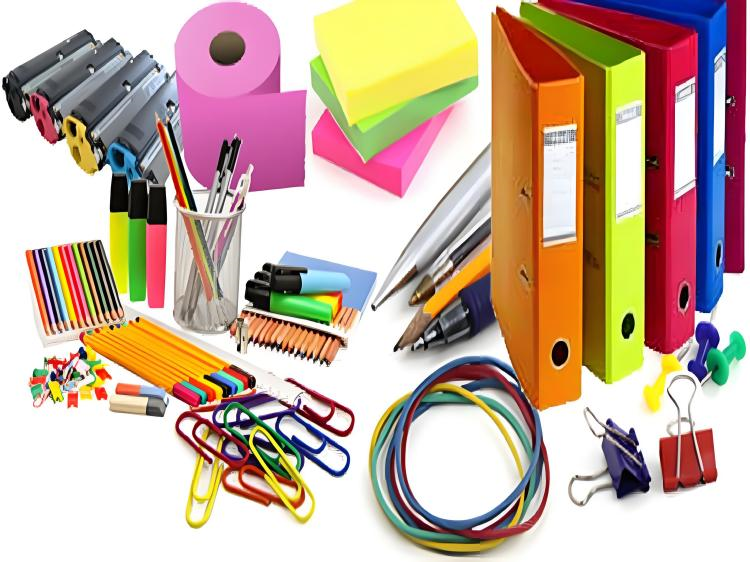
Office stationery refers to a range of items used in an office environment for writing, printing, and organizing documents. These items can include paper products, writing instruments, and organizational tools. The right stationery can enhance workflow, improve organization, and contribute to a professional appearance. In a world where digital communication is prevalent, the tactile experience of using quality stationery can also foster creativity and personal expression, making it an integral part of the office culture.
Categories of Office Stationery Items
1. Writing Instruments
Writing instruments are fundamental to any office. They include:
– Pens: Available in various types such as ballpoint, gel, and fountain pens, each serving different writing preferences. Ballpoint pens are known for their reliability and longevity, while gel pens offer smooth writing experiences with vibrant ink colors. Fountain pens, on the other hand, provide a classic touch and are often favored for formal correspondence.
– Pencils: Ideal for drafting and sketching, pencils come in various hardness levels, suitable for different tasks. Graphite pencils are perfect for writing, while colored pencils can be used for creative projects and presentations. Mechanical pencils offer convenience with their refillable leads, making them a popular choice among professionals.
– Markers and Highlighters: Used for emphasizing text and making notes stand out, these are essential for presentations and meetings. Permanent markers are great for labeling, while dry-erase markers are perfect for whiteboards, allowing for easy updates and changes during brainstorming sessions.
2. Paper Products
Paper products are the backbone of office documentation. Common items include:
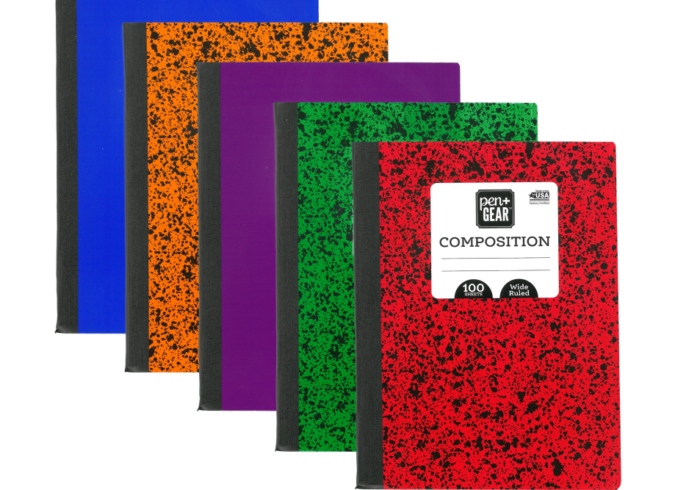
– Notebooks: Useful for taking notes during meetings or brainstorming sessions. They come in various formats, such as lined, grid, or blank pages, catering to different preferences. Some notebooks even feature perforated pages for easy tearing, making them ideal for sharing notes with colleagues.
– Sticky Notes: Great for reminders and quick notes, they can be easily placed on documents or computer screens. Available in various sizes and colors, sticky notes can help prioritize tasks and enhance visual organization in the workspace.
– Printer Paper: Essential for printing documents, reports, and presentations. High-quality printer paper ensures that printed materials look professional and are easy to read. Specialty papers, such as glossy or textured options, can also be used for marketing materials and creative projects.
3. Organizational Tools
Keeping an office organized is vital for productivity. Organizational tools include:
– Folders and Binders: Used to store and categorize documents, making it easier to find important papers. Folders come in various styles, such as pocket folders or expandable options, while binders allow for easy addition and removal of pages, making them versatile for project management.
– Paper Clips and Binder Clips: These help keep documents together without damaging them. Paper clips are ideal for temporary organization, while binder clips provide a stronger hold for larger stacks of paper, ensuring that important documents remain intact.
– Desk Organizers: Useful for keeping writing instruments, papers, and other small items neatly arranged. Desk organizers come in various designs, from simple trays to multi-compartment systems, helping to reduce clutter and improve efficiency.
4. Office Equipment
In addition to stationery, certain equipment is necessary for daily operations:
– Staplers and Staples: Essential for binding documents together. Heavy-duty staplers can handle larger stacks of paper, while mini staplers are perfect for on-the-go use. Some staplers even offer the option to staple without using metal staples, providing a more eco-friendly solution.
– Calculators: Useful for quick calculations, especially in finance-related tasks. From basic models for simple arithmetic to advanced scientific calculators for complex equations, having the right calculator can streamline financial tasks and improve accuracy.
– Scissors: Necessary for cutting paper and other materials. A good pair of scissors can make a significant difference in efficiency, especially when dealing with packaging or crafting tasks.
5. Miscellaneous Supplies
Other supplies that enhance office functionality include:
– Envelopes: Used for mailing documents and letters. Envelopes come in various sizes and styles, including padded options for shipping fragile items. Choosing the right envelope can ensure that your correspondence arrives safely and professionally.
– Labels: Helpful for organizing files and identifying contents. Label makers allow for easy customization, enabling you to create clear and concise labels for folders, storage boxes, and more.
– Tape and Adhesives: Essential for repairs and securing documents. From clear tape for everyday use to double-sided tape for mounting items, having a variety of adhesives on hand can facilitate various tasks in the office.

Choosing the Right Office Stationery
When selecting office stationery, consider the following factors:
1. Purpose
Identify the primary use of the stationery. For example, if you need items for presentations, focus on highlighters and quality paper. Understanding the specific needs of your office can help you make informed decisions about which items to prioritize.
2. Quality
Invest in high-quality stationery that will last longer and perform better. This is particularly important for writing instruments and paper products. Quality items not only enhance the user experience but also reflect positively on your professional image.
3. Budget
Set a budget for your stationery purchases. While it’s tempting to buy the cheapest options, consider the long-term value of quality items. Balancing cost with quality can lead to better overall satisfaction and reduced replacement costs.
4. Brand Preferences
Some brands are known for their reliability and quality. Research and choose brands that are well-reviewed in the office supply community. Familiarity with trusted brands can save time and ensure that you are getting the best products for your needs.
5. Eco-Friendliness
Consider eco-friendly options that minimize environmental impact. Many companies now offer recycled paper products and biodegradable supplies. Choosing sustainable stationery not only benefits the environment but can also enhance your company’s reputation among eco-conscious clients and employees.
Benefits of Using Quality Office Stationery
Using quality office stationery can lead to several benefits:
– Increased Productivity: High-quality items function better, allowing for smoother workflow. When employees have reliable tools, they can focus more on their tasks rather than dealing with faulty supplies.
– Professional Appearance: Well-organized and aesthetically pleasing stationery can enhance the professional image of your office. Clients and visitors are likely to form positive impressions based on the quality of your office supplies.
– Cost-Effectiveness: Investing in durable items can save money in the long run by reducing the need for frequent replacements. Quality stationery often outlasts cheaper alternatives, making it a wise investment for any office.
Conclusion
Office stationery items are more than just supplies; they are essential tools that contribute to the efficiency and professionalism of any workplace. By understanding the different categories of stationery and selecting the right items, you can create a productive office environment that meets your needs. A well-stocked office with quality stationery not only enhances daily operations but also fosters a positive work culture, encouraging creativity and collaboration among team members.
How to purchase:https://looperbuy.com/search?keywords=office+stationery+items
Frequently Asked Questions (FAQs)
1. What are the essential office stationery items I should have?
Essential items include pens, paper, notebooks, staplers, and folders. These tools cover most basic office tasks and ensure that you are prepared for various situations.
2. How can I organize my office stationery effectively?
Use desk organizers, labeled containers, and drawer dividers to keep your stationery neat and accessible. Regularly decluttering your workspace can also help maintain organization.
3. Are there eco-friendly options for office stationery?
Yes, many brands offer recycled paper products, biodegradable pens, and other eco-friendly supplies. Choosing these options can contribute to sustainability efforts in your office.
4. How often should I restock my office stationery?
It depends on usage, but a quarterly review of supplies can help ensure you never run out of essential items. Keeping track of inventory can prevent last-minute shortages.
5. What is the best way to dispose of old stationery?
Recycle paper products and dispose of non-recyclable items according to local waste management guidelines. Many communities have specific recycling programs for office supplies.