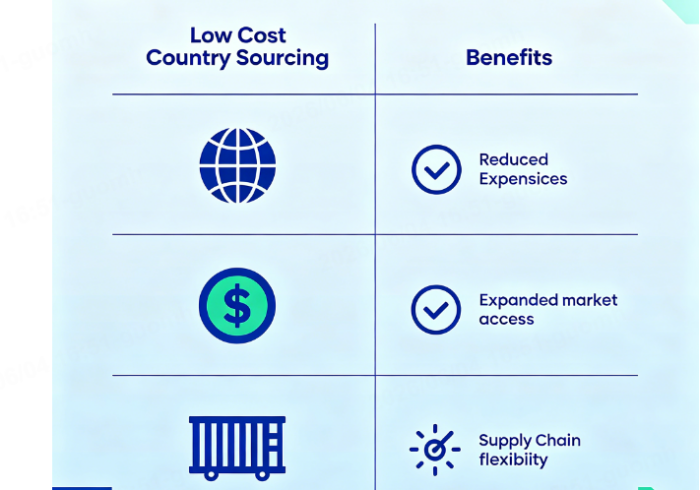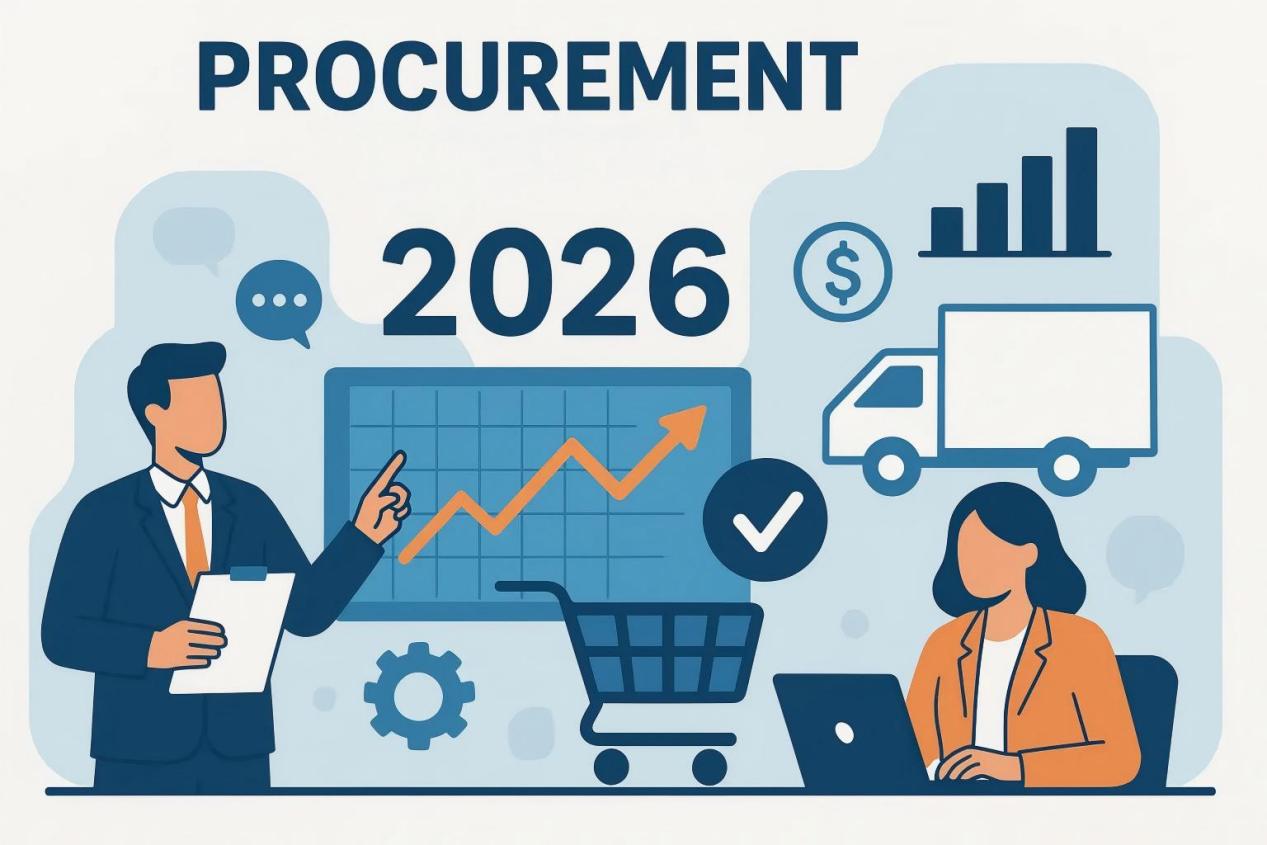
In 2026, B2B procurement platforms sit at the heart of global sourcing. This article explains how modern e-procurement works, why cloud-native and marketplace models matter, and how Looperbuy can help buyers tap reliable Chinese suppliers without holding inventory.
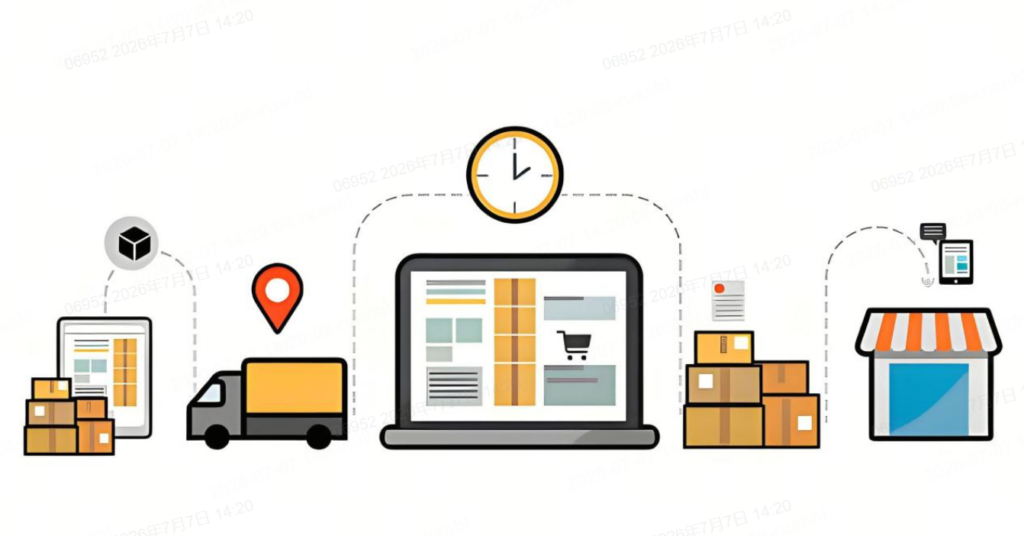
A high-performing online B2B procurement platform in 2026 must combine cloud-native, AI-augmented purchasing workflows with deep supplier, catalog, and logistics orchestration, especially for global buyers sourcing from China without holding inventory. In this article, I’ll walk through how modern e-procurement platforms work from a practitioner’s perspective, and where a global dropshipping-oriented marketplace like Looperbuy can create outsized value for B2B sellers. [linkedin]
Table of Contents
What Is Modern B2B E-Procurement?
In practice, e-procurement is the way companies turn everyday purchasing into a streamlined digital flow: request, approve, order, receive and analyze. Instead of emails and spreadsheets, buyers interact with online catalogs, connected ERPs, and automated workflows that translate business rules into consistent purchasing behavior. [uppler]
A typical process now includes:
– Supplier discovery and pre-qualification through sourcing tools and marketplaces. [tradogram]
– Electronic ordering via PunchOut catalogs, requisitions and purchase orders tied to budget controls. [linkedin]
– Automated routing of approvals, invoices and three-way matching between orders, delivery and billing. [uppler]
For global B2B sellers, the key opportunity is obvious: if you can plug your products and logistics into these flows in a frictionless way, you become the preferred supplier, not just “another option.” [proficientmarketinsights]
Why E-Procurement Platforms Matter In 2026
The procurement software market passed USD 10.7 billion in size and continues to grow at close to 9–12% CAGR, driven by automation and risk management needs. By 2026, many organizations treat e-procurement tools as critical infrastructure, in the same category as ERP and CRM. [penny]
Several trends stand out:
– Automation and AI copilots: leading suites now embed agents that analyze supplier performance, flag risks and suggest optimal sourcing decisions in real time. [penny]
– Risk and resilience focus: after years of disruptions, companies invest heavily in tools that give visibility across global suppliers, freight lanes and inventory buffers. [tradogram]
– Cloud-native architectures: vendors are shifting to SaaS and composable platforms so procurement teams can evolve workflows and integrations without major re-platforming. [linkedin]
For a global purchasing marketplace like Looperbuy, these trends are not abstract—they define the expectations your B2B customers have when they log in, search for Chinese products, and hand over their orders for fulfillment. [proficientmarketinsights]
Core Platform Types And When They Fit
Not all e-procurement solutions solve the same problem. As a content strategist but also a long-time practitioner, I tend to frame the landscape in three buckets. [linkedin]
| Platform type | Primary job | Typical buyer profile | Example capabilities |
| Source-to-pay suites | End-to-end from sourcing to payment | Large enterprises with complex, regulated procurement | Deep ERP integration, AI analytics, advanced risk modules |
| Mid-market procurement tools | Streamlined requisition, approval, ordering | Mid-sized firms, indirect spend, simpler catalogs | Cloud workflows, budget control, basic supplier management |
| Commerce platforms with built-in procurement | Buying workflows embedded in B2B storefronts | Distributors, manufacturers, marketplaces running catalogs at scale | PunchOut catalogs, delegated purchasing, role-based ordering |
Enterprise suites like SAP Ariba, Coupa, Jaggaer, Ivalua and GEP SMART are optimized for high-volume, multi-stakeholder procurement, often tied deeply into ERP stacks. Mid-market tools such as Precoro, Procurify and Tradogram prioritize fast deployment and usability for smaller teams. [linkedin]
In contrast, a B2B commerce platform with native procurement features, like Virto Commerce, places catalogs, pricing, PunchOut and approvals in one environment. This category is particularly relevant for global marketplaces like Looperbuy that want to offer buyers a “single pane of glass” for sourcing, ordering and dropship orchestration. [proficientmarketinsights]
Key Selection Criteria For E-Procurement Software
When I work with procurement leaders on platform decisions, we rarely start with feature lists. Instead, we map how the organization actually buys, then align that to a handful of practical criteria. [linkedin]
Integration And Catalog Complexity
First, we look at how orders flow to back-office systems and how complex the product data is. [uppler]
– PunchOut / cXML support is non-negotiable if buyers initiate orders from their own procurement systems and “punch out” to supplier catalogs. [linkedin]
– ERP integration depth distinguishes systems that offer real-time, two-way synchronization from those that rely on nightly batch files or manual imports. [linkedin]
– Catalog complexity handling matters when you have contract-specific assortments, customer-specific pricing and millions of SKUs, as is common in global B2B marketplaces. [uppler]
For a platform like Looperbuy, which needs to represent diverse Chinese products and dynamically match them to overseas buyer needs, robust catalog management and flexible integrations will be the backbone of the experience. [proficientmarketinsights]
Deployment Model And Control
Next, we weigh deployment and governance. [linkedin]
– Cloud SaaS fits most scenarios, offering faster rollout and vendor-managed updates. [uppler]
– Hybrid or on-premise remains necessary in certain public-sector or highly regulated environments where data residency and control are critical. [linkedin]
– Composability—API-first architecture and modular services—makes it possible to add new procurement channels or adjust approval rules without major disruption. [uppler]
If Looperbuy intends to serve both private enterprises and regulated buyers, designing for multiple deployment patterns and strong API capabilities will be a strategic advantage. [proficientmarketinsights]
Buyer-Specific Priorities
Different buyer profiles demand different emphases in platform features. [linkedin]
– A distributor typically prioritizes catalog complexity and ERP synchronization—because inaccurate stock or pricing directly impacts margin and customer trust. [uppler]
– A manufacturer focuses on direct materials, supplier collaboration and the ability to reflect complex bills of materials and long-term contracts. [tradogram]
– A group purchasing organization (GPO) needs multi-supplier orchestration, member-level access and real-time inventory visibility across partners. [linkedin]
Looperbuy can position itself as a partner that understands these nuances and tailors onboarding, catalog structure and logistics orchestration accordingly, rather than offering a generic “one size fits all” experience. [proficientmarketinsights]
How Commerce Platforms With Procurement Capabilities Work
One of the most interesting evolutions in recent years is the convergence between B2B commerce platforms and e-procurement functionality. Instead of bolting separate procurement tools onto a storefront, some platforms now embed procurement features directly into the same backend that runs catalogs and pricing. [uppler]
In practice, this can include:
– Native PunchOut catalogs so buyers can shop from within their internal procurement systems but still reach a rich, personalized storefront. [linkedin]
– Delegated purchasing and role-based ordering, allowing managers to set spending limits, approvals and responsibilities per user or unit. [linkedin]
– Custom approval workflows configured in the commerce layer, tightly aligned with order capture and fulfillment. [linkedin]
A notable proof point is OMNIA Partners, a large GPO that orchestrates cooperative purchasing across more than 11,000 U.S. public agencies, running multi-supplier catalogs with over 7 million products launched in under four months and complex dropship logistics. This kind of scale and orchestration mirrors what platforms like Looperbuy aim to achieve for global buyers sourcing from China, with minimal inventory risk. [proficientmarketinsights]
Looperbuy’s Role In Global B2B Procurement
From a practitioner’s lens, Looperbuy is well positioned to act as the bridge between international buyers and trusted Chinese suppliers, embedded inside the workflows described above. Instead of buyers managing dozens of supplier relationships, warehouse contracts and shipping providers, Looperbuy can centralize these tasks and expose them through a unified procurement experience. [ossisto]
Key value levers include:
– Inventory-light operations: by orchestrating reliable dropship flows, Looperbuy allows buyers to reduce or remove stock-holding and warehouse costs. [proficientmarketinsights]
– Consolidated logistics management: multi-carrier shipping, customs handling and local delivery can be wrapped into a single, predictable service model. [ossisto]
– Payment and risk simplification: instead of dealing with diverse payment terms and currency risks across many suppliers, buyers transact with Looperbuy as a central partner, while Looperbuy manages upstream settlement. [ossisto]
From my experience working with B2B marketplaces, the platforms that win long-term are those that do more than aggregate products—they embed themselves into the procurement stack of their customers. That means speaking the language of procurement leaders, integrating with their tools and respecting their risk frameworks. [tradogram]
Best Practices For A High-Performing B2B Procurement Platform
1. Cloud-First, API-Driven Architecture
A cloud-based, API first platform makes it easier to onboard suppliers, integrate ERPs and roll out new procurement features quickly. It also ensures updates and security improvements can be delivered without disrupting buyer operations. [uppler]
For Looperbuy, designing all key services—catalogs, ordering, shipping, invoicing, analytics—as modular APIs will simplify both internal development and external integrations with buyer systems. [ossisto]
2. Strict Spending Rules And Governance
The Uppler best-practices guide emphasizes the importance of well-defined procurement policies: clear procedures, tracked steps and a comprehensive vendor list. Platforms that surface these controls directly in the user interface help organizations enforce budgeting, prevent fraud and maintain audit trails. [uppler]
Looperbuy can enhance trust by giving buyers fine-grained control over purchase limits, approval chains and vendor selection, visible inside their dashboard rather than buried in contracts. [ossisto]
3. Proactive Supplier Engagement And Performance Management
Advanced platforms now offer vendor dashboards, communication tools and KPIs to monitor supplier performance. This enables marketplaces to proactively manage delivery times, pricing stability and compliance with sourcing strategies.
For a China-focused marketplace, this means actively measuring:
– On-time delivery rates and lead-time variability.
– Quality metrics and return rates per product line. [tradogram]
– Responsiveness to change requests and order spikes.
With these insights, Looperbuy can curate and highlight top performing suppliers, giving buyers confidence that behind every listing sits a vetted, monitored partner. [proficientmarketinsights]
4. Inventory Optimization And Data-Driven Planning
Many businesses still carry excess inventory despite understanding the cost. Modern platforms address this through data-driven planning and predictive analytics. [tradogram]
By analyzing historical order data, seasonality and lead times, Looperbuy can offer recommendations on when buyers should trigger replenishment, how much buffer stock they truly need and when dropship alone is sufficient. This moves the relationship from transactional to advisory.
5. Centralized Contract And Order Management
Fragmented contract management undermines the benefits of e-procurement. Platforms that provide central repositories for contracts, order histories and related documents make renegotiation and compliance much easier.
Looperbuy can strengthen its position by offering:
– Unified views of supplier contracts, pricing tiers and validity periods. [uppler]
– Automated reminders for renegotiation dates or expiring discounts.
– Cross supplier analytics showing total spend by category or region. [tradogram]
Enhancing User Experience On A B2B Procurement Marketplace
From a UX perspective, the best procurement platforms share several traits: they make complex processes feel simple, they surface critical information in context, and they minimize cognitive load at every step. [ossisto]
Practical UX enhancements for Looperbuy include:
– Clear, role-based dashboards: buyers see open requisitions, pending approvals, top suppliers and shipping status at a glance, tailored to their role. [ossisto]
– Structured navigation and filters: categories, attributes and supplier tags help users quickly narrow down the vast Chinese product landscape. [ossisto]
– In-flow guidance: inline tooltips, contextual help panels and suggested products or suppliers based on historical behavior act as a “copilot” for less experienced buyers. [penny]
Short sentences, concise paragraphs and strategic emphasis on key terms make the interface feel approachable, even when the underlying processes are sophisticated. [ossisto]
Action-Oriented Next Steps For B2B Buyers
For procurement leaders considering a marketplace-enabled approach to global sourcing, a practical path forward could look like this:
1. Map your current purchasing flows and identify where inventory, logistics or payment complexity are highest.
2. Assess your integration landscape—ERP, finance systems, existing procurement tools—and confirm how a platform like Looperbuy can connect.
3. Pilot a focused category (for example, packaging materials or standard industrial components) through Looperbuy’s dropship model to validate lead times, reliability and total landed cost.
Once this pilot demonstrates consistent performance, buyers can expand to additional categories, using the same procurement workflows and approvals they already trust.
For organizations ready to explore this route, the most effective step is to schedule a structured platform walkthrough, starting with your catalog and logistics requirements and moving into concrete integration scenarios.
References
1. Virto Commerce. “Best eProcurement Software in 2026: Top Solutions Compared.”[linkedin]
2. Uppler. “E-procurement platform: What are the best practices to make it perform?”[uppler]
3. Penny. “Procurement in 2026: Five Trends Every Company Must Prepare For.”[penny]
4. Business Research Insights. “E-Procurement Tools Market Trends & Forecast 2026–2035.”[businessresearchinsights]
5. Proficient Market Insights. “B2B Marketplace Platforms Market Overview.”[proficientmarketinsights]
6. Tradogram. “The Evolution of E-Procurement: Trends and Innovations 2026.”[tradogram]
7. Ossisto. “B2B Procurement Platform Guide for Efficient Sourcing.”[ossisto]
Frequently Asked Questions
Q1: What is the main advantage of using an online B2B procurement platform?
A: It centralizes supplier catalogs, approvals, orders and analytics in one place, reducing manual work, improving visibility and enabling more consistent purchasing decisions across the organization. [uppler]
Q2: How can a marketplace like Looperbuy reduce inventory costs for buyers?
A: By orchestrating reliable dropship flows with vetted Chinese suppliers, Looperbuy enables buyers to fulfill orders on demand without holding large stock, thus cutting warehousing and capital lock in. [proficientmarketinsights]
Q3: What features should procurement teams look for when integrating with a B2B marketplace?
A: Native PunchOut support, real-time ERP integrations, flexible approval workflows, multi-supplier catalog handling and robust analytics on supplier performance and spend. [tradogram]
Q4: Are cloud-based procurement platforms secure enough for sensitive data?
A: Leading vendors invest heavily in security, compliance and controlled access, often surpassing the capabilities of on-premise legacy systems, while providing faster updates and patches. [penny]
Q5: How quickly can organizations typically roll out a modern e-procurement solution?
A: Timelines vary, but mid-market tools and commerce platforms with built in procurement can often go live in a few months, especially when starting with a limited category or business unit. [ossisto]