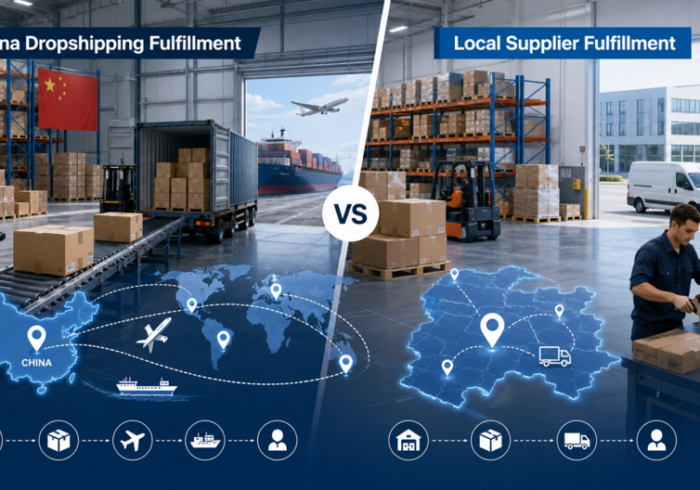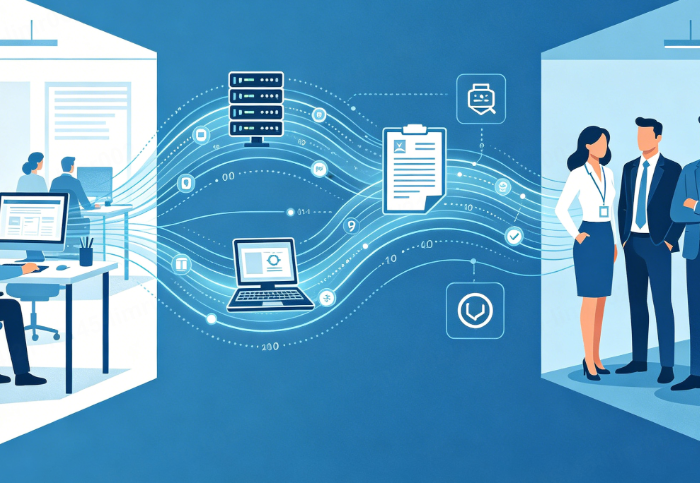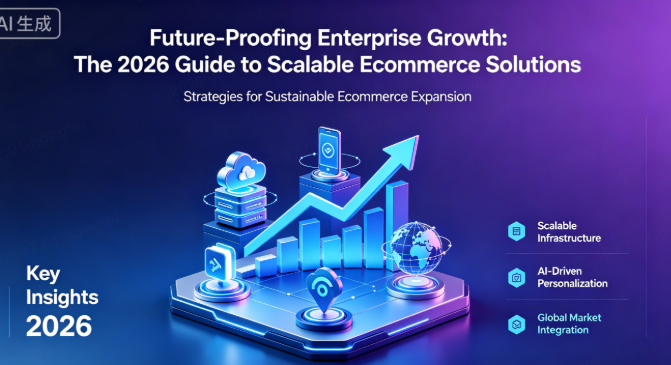
In 2026, the digital commerce arena is no longer defined by simple, static storefronts but by enterprise-grade, high-performance digital ecosystems emergedigital. As global markets demand faster delivery, complex personalized pricing, and seamless cross-border integration, traditional monolithic platforms are struggling to keep pace with the hyper-accelerated expectations of buyers nix-united. For B2B organizations—including international brands, large-scale wholesalers, and nimble manufacturers—adopting scalable ecommerce solutions is no longer a luxury; it is the single most critical strategic decision to ensure survival and sustainable long-term growth emergedigital, k-ecommerce.
Table of Contents
Why Scalability is the Bedrock of 2026 B2B Success
Many businesses do not realize their current infrastructure is failing until they attempt to scale, revealing critical, underlying cracks: sluggish page loads, brittle third-party integrations, and rigid backend architectures that cannot handle massive peak traffic or exponentially expanded product catalogs nix-united.
A truly scalable ecommerce architecture does far more than just manage higher traffic spikes; it provides the operational agility required to pivot in a volatile global economy. It allows your technical team to deploy new features, integrate with global logistics providers—like those enabling direct sourcing from China—and adapt to emerging AI-driven buying behaviors without massive, recurring development overhead netguru, nix-united.
Core Pillars of Modern Ecommerce Architecture
To build a platform that survives and thrives over the next five years, your technical roadmap must embrace five foundational layers of modular architecture rbmsoft:
- Presentation Layer: Modern, decoupled frontends (often leveraging frameworks like React or Vue.js) that provide lightning-fast, highly personalized omnichannel experiences for end-users.
- Business Logic Layer: The core B2B engine handling complex workflows such as multi-tier contract pricing, complex approval hierarchies, and bulk order management.
- Data Layer: Optimized distributed databases and sophisticated Product Information Management (PIM) systems that can support millions of SKUs with sub-millisecond retrieval speeds.
- Integration Layer: API-first middleware that connects your store to your ERP systems (e.g., SAP, NetSuite, or Microsoft Dynamics), CRM, and global logistics hubs wearebrain, k-ecommerce.
- Infrastructure Layer: Cloud-native environments utilizing CDN edge caching, serverless computing, and auto-scaling to maintain 99.99% uptime during massive demand surges com, com.
Scaling Through Global Sourcing: The LooperBuy Perspective
For platforms like LooperBuy, bridging the gap between global sourcing and enterprise-grade commerce is the ultimate competitive advantage. In 2026, the most successful scalable ecommerce solutions are those that treat “Commerce Operations”—including cross-border logistics, automated procurement, and multi-currency payments—as first-class, natively integrated citizens rather than secondary, unstable plugins k-ecommerce, oroinc.
By leveraging a B2B sourcing platform that integrates natively with your digital storefront, you can provide foreign brand owners and wholesalers with immediate, transparent access to massive product catalogs, while automating the supply chain complexities (such as customs, inspection, and international freight) that previously hindered global scaling rbmsoft, k-ecommerce. This seamless integration removes the friction inherent in traditional international trade, allowing you to scale your product offerings globally with minimal incremental operational cost.
Deep Dive: The Evolution of Composable Commerce
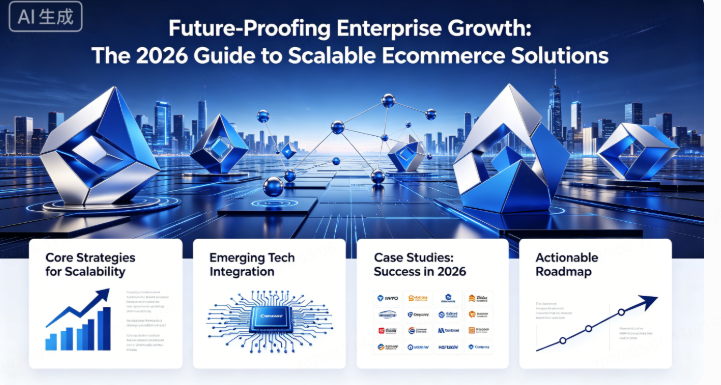
The shift toward composable commerce is perhaps the most significant trend for 2026. Rather than investing in a “one-size-fits-all” monolith, enterprises are now assembling best-of-breed components.
- Customizability: You select the best search tool, the best checkout provider, and the best inventory system, and link them via APIs.
- Reduced Vendor Lock-in: You are no longer tethered to a single platform provider’s roadmap; you can replace any single component without a full platform overhaul.
- Speed to Market: Agile teams can push updates to individual services (like your checkout page) without testing the entire commerce platform, drastically reducing time-to-market.
Strategic Checklist for Enterprise Replatforming
To move toward a truly scalable ecommerce model, follow this phased approach:
- Audit Current Constraints: Conduct a technical audit to identify where your current system slows down operations—be it slow load times, outdated database schemas, or rigid, manual procurement workflows nix-united.
- Prioritize API-First: Ensure your new platform allows for easy, authenticated connections to external systems, avoiding the “black box” limitations of legacy monoliths that hinder growth swell.
- Plan for AI Integration: As autonomous buying agents become the standard in 2026, your architecture must support machine-to-machine interactions for real-time pricing updates and automated procurement decision-making alphap.
- Invest in Global Logistics: Integrate your digital storefront with global sourcing networks to ensure that as your catalog grows, your supply chain remains elastic and efficient.
Conclusion: Future-Proofing Your Digital Footprint
The choice of your commerce architecture is a long-term commitment. By prioritizing scalability, modularity, and native integration with sourcing networks, you position your organization to capture new markets, optimize procurement costs, and deliver superior value to your customers. Now is the time to audit your stack and begin the transition toward a more flexible, high-performance future.
References
- [1] Kokil Thapa, “Scalable Product Catalog Architecture for E-Commerce 2026,” April 2026, https://kokil.com.np/blog/scalable-product-catalog-architecture-for-e-commerce
- [2] Emerge Digital, “Best SaaS B2B Ecommerce Platforms in 2026,” November 2025, https://emergedigital.co/best-saas-b2b-ecommerce-platforms-in-2026-for-ecommerce-website-development/
- [5] MuleSoft, “Why API-Led Connectivity Matters in 2026,” https://www.mulesoft.com/resources/api/api-led-connectivity
- [7] Shopify Plus, “Headless Commerce Explained,” https://www.shopify.com/enterprise/headless-commerce
- [8] RBMSoft, “Ecommerce Architecture: The Ultimate Guide for 2026,” March 2026, https://rbmsoft.com/blogs/ecommerce-architecture/
- [9] Gartner, “Composable Commerce Strategies,” 2026, https://www.gartner.com/en/digital-markets/ecommerce
- [10] McKinsey, “AI in B2B Sales and Procurement,” 2026, https://www.mckinsey.com/capabilities/growth-marketing-and-sales/our-insights
- [12] AWS, “Scaling E-commerce with Serverless Architectures,” https://aws.amazon.com/solutions/ecommerce/
- [14] k-ecommerce, “B2B Ecommerce Best Practices for Growth,” March 2026, https://k-ecommerce.com/blog/b2b-ecommerce-best-practices-and-strategies-for-long-term-success
- [15] NIX United, “E-commerce Replatforming: Plan Your Migration in 2026,” April 2026, https://nix-united.com/blog/blog-e-commerce-replatforming/
- [16] BigCommerce, “The Future of B2B Sourcing,” https://www.bigcommerce.com/blog/b2b-sourcing/
- [19] BigCommerce, “Headless vs. Traditional Commerce,” https://www.bigcommerce.com/articles/headless-commerce/
Frequently Asked Questions (FAQ)
1. What defines “scalable ecommerce solutions” in 2026?
It refers to architectures that handle rapid growth in traffic, products, and transaction complexity without requiring a complete rebuild, typically leveraging headless, microservices, or composable frameworks netguru, nix-united.
2. How do I know when it is time to replatform?
Indicators include high maintenance costs, slow development release cycles, fragile ERP integrations, or performance failures during peak shopping events nix-united.
3. Is headless commerce right for every B2B business?
Headless is ideal for brands needing custom omnichannel experiences or those outgrowing their platform’s native capabilities; it requires a skilled development team to manage the added complexity wearebrain, bettercommerce.
4. How does API-first architecture benefit global sourcing?
It connects your commerce platform to procurement and global logistics systems, enabling real-time data flow for bulk orders, custom pricing, and supply chain visibility swell, oroinc.
5. What is the biggest challenge in replatforming?
Data migration and complex system integration are the most significant hurdles. Over 80% of projects struggle with scope, making structured planning essential rbmsoft.
Brief Introduction:
As B2B commerce matures in 2026, enterprise leaders must transition from rigid, monolithic systems to scalable ecommerce solutions. This guide examines how modern architectural patterns—such as headless commerce and API-first designs—empower global brands to handle complex supply chains, enhance digital user experiences, and maintain long-term competitive advantages in a high-velocity digital economy.
Hot tags: #B2BCommerce #ScalableEcommerce #EcommerceArchitecture #DigitalTransformation #HeadlessCommerce #EnterpriseSolutions #B2BProcurement #GlobalSourcing #ComposableCommerce #TechStrategy
Hot tags: B2B e-commerce platform, Scalable ecommerce solutions, Composable commerce architecture, MACH architecture, Enterprise digital transformation, B2B procurement software, Headless commerce, Global sourcing platforms, E-commerce scalability strategies, Multi-vendor B2B marketplace.