Table of Contents
The Quiet Renaissance: Why Books Are the New Luxury Goods in Drop Shipping
Paper as Portal, Not Product
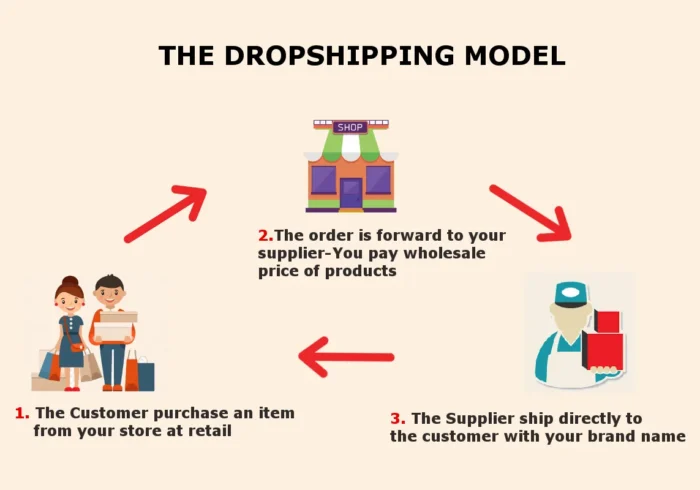
In an era of infinite scroll, the physical book has become a talisman—an object whose weight, scent, and deckled edges promise refuge from the flicker. Drop shipping books leverages this tactile nostalgia while eliminating the warehouse middleman. A single ISBN can exist in a thousand virtual carts, yet only one copy leaves the printer when a reader in Boise clicks “buy.” The result is a marketplace where literature travels faster than light, but never rests on a shelf.
Micro-Niche Manuscripts and the Long Tail
Print-on-demand platforms now host titles that would make a traditional publisher blush: poetry chapbooks on fermentation, graphic novels about urban beekeeping, and memoirs written by retired tugboat captains. These micro-niches thrive because drop shipping removes the risk of unsold inventory. The algorithm becomes both curator and librarian, surfacing a memoir about Icelandic winters to a reader in Arizona who once searched for “how to knit a sweater.”
The Sustainability Paradox
A book that is printed only after purchase is inherently greener, yet the express envelopes and plastic mailers threaten to cancel the virtue. Forward-thinking drop shippers offset this with seed-paper thank-you notes, compostable labels, and carbon-neutral shipping options that turn the act of reading into a small act of planetary kindness.
Supply Chain Sonata: From Pixel to Print to Porch
Print-On-Demand Orchestras in Tennessee
Deep in the hills outside Nashville, a warehouse hums like a jazz ensemble. HP Indigo presses print covers in Pantone-perfect hues while robotic arms stitch spines and trim pages with the precision of a Swiss watchmaker. The facility can pivot from a 200-page romance to a 600-page textbook in the time it takes to change the toner. For drop shippers, this agility means never having to say “out of stock.”
Shanghai-to-Sheboygan Silk Road
High-speed inkjet printers in Jiangsu province now serve U.S. customers through a single API call. A memoir uploaded at dawn in Detroit can be printed, bound, and handed to a DHL courier before the author finishes her coffee. The Pacific becomes a mere pond when data moves faster than freighters.
The European Micro-Factory
In the shadow of Montmartre, a boutique press prints limited-edition art books on demand. Each cover is embossed with gold foil that catches the Parisian light, then shrink-wrapped and dropped into a FedEx pouch addressed to a collector in Portland. The Seine and the Willamette are now neighbors.
Design Alchemy: Covers, Fonts, and the Psychology of Shelf Appeal
Algorithmic Aesthetics
Drop shipping platforms A/B test cover thumbnails in milliseconds. A serif font that evokes vintage academia may outperform a minimalist sans-serif by a hairline margin, prompting an immediate redesign that reaches every virtual storefront simultaneously. The market votes with clicks, not critics.
The Serif of Sustainability
Fonts printed with vegetable-based inks on recycled cream stock signal eco-consciousness before the first page is turned. Subtle debossing of the spine adds tactile luxury without adding weight, a crucial consideration when every gram counts toward shipping cost.
QR Codes as Easter Eggs
A discreet QR code on the back cover links to a playlist curated by the author. The reader scans, discovers jazz tracks that inspired Chapter Three, and feels inducted into a secret society. The book becomes a portal rather than a product.
Marketing Manuscripts: Hashtags, BookTok, and the Viral Sentence
BookTok as Launchpad
A fifteen-second clip of a reader crying over page 217 can propel a self-published memoir into the stratosphere. Drop shippers ride this wave by pre-loading influencer kits: advance PDFs, annotated galleys, and discount codes timed to peak engagement. The algorithm becomes the publicist.
Micro-Influencer Libraries
Instead of one mega-celebrity, brands now seed fifty micro-influencers with niche audiences. A gardening guru with forty thousand followers may generate more preorders than a morning-show slot. The long tail meets the long read.
Subscription Boxes for Serial Readers
Monthly “blind date” boxes pair a mystery novel with artisanal tea. The surprise element drives retention, and the tea steams in Instagram stories, turning caffeine into content.
Logistics Choreography: Speed, Safety, and the Signature Moment
Cold Chain Classics
Chocolate cookbooks ship from Belgium to Nevada in insulated sleeves that keep ganache firm and pages pristine. Temperature sensors ping a dashboard; if the sleeve warms, a replacement is dispatched before the first complaint arrives.
Signature Moments
A handwritten note tucked between pages transforms a transaction into a relationship. The note is printed on demand, signed by a robotic arm that mimics the author’s handwriting, then spritzed with a hint of vanilla. The reader smells the story before she reads it.
Return Logistics and the Second Chapter
Returned books are inspected, re-shrink-wrapped, and listed as “lightly loved” at a discount. The resale becomes a sustainability badge, and the second reader feels part of a literary relay.
Pricing Sorcery: Bundles, Subscriptions, and the Lifetime Reader
The Capsule Bundle
A mystery novel bundled with a bookmark and a Spotify playlist feels curated rather than upsold. The margin doubles while perceived value triples.
Lifetime Library Subscriptions
Readers pay once to receive every new release from a favorite indie author. The author gains predictable revenue; the reader gains the thrill of first editions.
Tiered Shipping as Storytelling
Standard shipping arrives in five days; express arrives in two; “mystery courier” arrives with a handwritten riddle. Each tier is a plot twist in the customer’s personal narrative.
Sustainability and Circularity: From Cradle to Second Read
Seed Paper Thank-Yous
Each order includes a thank-you card printed on seed paper. Customers plant the card, post the sprouts, and tag the brand. The cycle becomes content.
Print-Only-After-Purchase Philosophy
No warehouse, no remainder bins, no pulping. Trees are felled only for books that already have homes, turning each purchase into an act of conservation.
Repair Cafés and the Annotated Life
Pop-up booths at farmers’ markets offer spine repair and marginalia preservation, turning worn books into heirlooms.
Future-Proofing: AR Footnotes, NFT First Editions, and the Book as IoT Hub
AR Footnotes and the Living Page
Scan a QR code and watch a historical map unfold above the page, showing the exact route of the protagonist’s escape. The book becomes an immersion device.
NFT First Editions
Blockchain-stamped first editions grant owners access to author Q&As and behind-the-scenes podcasts. The digital token becomes a backstage pass.
The Book as Beacon
Future editions integrate NFC tags that trigger Spotify playlists when the reader reaches certain chapters, turning the book into a multimedia symphony.

Conclusion
Drop shipping books is no longer about moving paper; it is about orchestrating emotion, ethics, and velocity into a narrative that arrives precisely when the reader needs it. Master the micro-niche, the sensory package, and the circular promise, and every book becomes a passport to a borderless library.
If you want to enhance your drop shipping efficiency further by connecting directly with high-quality suppliers on platforms like 1688 and simplifying international logistics,you can use looperbuy, a one-stop purchasing-logistics solution:https://looperbuy.com/.
Related Questions & Answers
· How do I choose a reliable print-on-demand partner for drop shipping books?
Look for facilities with ISO-grade color consistency, 48-hour turnaround, and transparent bulk-discount tiers; request sample swatches before committing.
· What licenses do I need to sell books I didn’t write?
Secure either a distribution agreement with the publisher or a print-and-sell license; public-domain titles need no additional rights but should still carry a copyright notice.
· How can I prevent shipping damage to hardcovers?
Use corrugated mailers with corner guards, shrink-wrap the book, and add a fragile-label sticker; many POD printers offer upgraded packaging for pennies.
· Do drop shipping books work for subscription-box models?
Yes—curate micro-genres or author serials, bundle with bookmarks or tea, and stagger releases to keep churn low and excitement high.
· What metrics should I track to scale a book drop shipping store?
Monitor LTV per reader cohort, creative click-through rates, supplier SLA compliance, and return-rate heat maps to refine offers and margins.
Hot Tags: Drop Shipping Books; Print On Demand Publishing; Sustainable Book Supply; BookTok Marketing; Micro-Niche Literature; Subscription Book Boxes; Eco Friendly Packaging; Self Publishing Logistics; AR Enhanced Reading