Table of Contents
Introduction
The global shipping industry plays a crucial role in international trade, facilitating the movement of goods across vast distances. As economies become increasingly interconnected, understanding global shipping statistics is essential for businesses, policymakers, and researchers alike. This article delves into the latest trends, challenges, and future projections of the shipping industry, providing a comprehensive overview of its significance in the global economy.

The Current State of Global Shipping
Overview of Shipping Volumes
In recent years, global shipping volumes have experienced significant fluctuations due to various factors, including economic conditions, trade policies, and environmental regulations. According to recent data, the total volume of goods transported by sea has seen a steady increase, with container shipping leading the way. In 2023, the global container shipping market was estimated to be worth over $10 trillion, reflecting the growing demand for maritime transport.
The International Maritime Organization (IMO) reported that shipping accounts for approximately 80% of global trade by volume and over 70% by value. This statistic underscores the importance of maritime transport in facilitating international commerce. The rise of e-commerce has further accelerated shipping volumes, as consumers increasingly demand fast and reliable delivery of goods.
Key Players in the Shipping Industry
The shipping industry is dominated by a few major players, with companies like Maersk, MSC, and CMA CGM controlling a significant portion of the market. These companies operate large fleets of container ships, bulk carriers, and tankers, enabling them to meet the diverse needs of global trade. The competition among these shipping giants has led to innovations in logistics, efficiency improvements, and a focus on sustainability.
In addition to these major players, there are numerous smaller shipping companies that contribute to the industry. These companies often specialize in niche markets, such as regional shipping or specific types of cargo, providing essential services that complement the offerings of larger firms.
Regional Trends in Shipping
Different regions exhibit varying trends in shipping activity. Asia, particularly China, has emerged as a powerhouse in maritime trade, accounting for a substantial share of global shipping volumes. The rise of e-commerce and the demand for fast delivery services have further fueled growth in this sector. China’s Belt and Road Initiative (BRI) has also played a significant role in enhancing trade routes and increasing shipping activity across Asia and beyond.
Conversely, regions like Europe and North America are witnessing shifts in trade patterns, influenced by geopolitical tensions and changing consumer preferences. The ongoing trade disputes between the United States and China have led to a reevaluation of supply chains, with companies seeking to diversify their sourcing strategies to mitigate risks.
Factors Influencing Global Shipping Statistics
Economic Factors
The health of the global economy directly impacts shipping volumes. Economic growth typically leads to increased demand for goods, resulting in higher shipping activity. Conversely, economic downturns can lead to reduced trade volumes. For instance, the COVID-19 pandemic caused a temporary decline in shipping activity, but the subsequent recovery has seen volumes rebound sharply.
In addition to overall economic growth, specific sectors also influence shipping statistics. For example, the demand for raw materials, such as oil, coal, and iron ore, drives bulk shipping volumes. Similarly, the growth of the manufacturing sector in emerging markets has led to increased demand for container shipping as finished goods are transported to global markets.
Environmental Regulations
Environmental concerns are increasingly shaping the shipping industry. Stricter regulations aimed at reducing greenhouse gas emissions and promoting sustainable practices are influencing shipping operations. The International Maritime Organization (IMO) has set ambitious targets for reducing emissions, prompting shipping companies to invest in cleaner technologies and alternative fuels.
The introduction of the IMO 2020 regulation, which limits the sulfur content of marine fuels, has had a significant impact on the industry. Shipping companies have had to adapt by either switching to low-sulfur fuels or investing in scrubber technology to comply with the new standards. This transition has resulted in increased operational costs, which are often passed on to consumers.
Technological Advancements
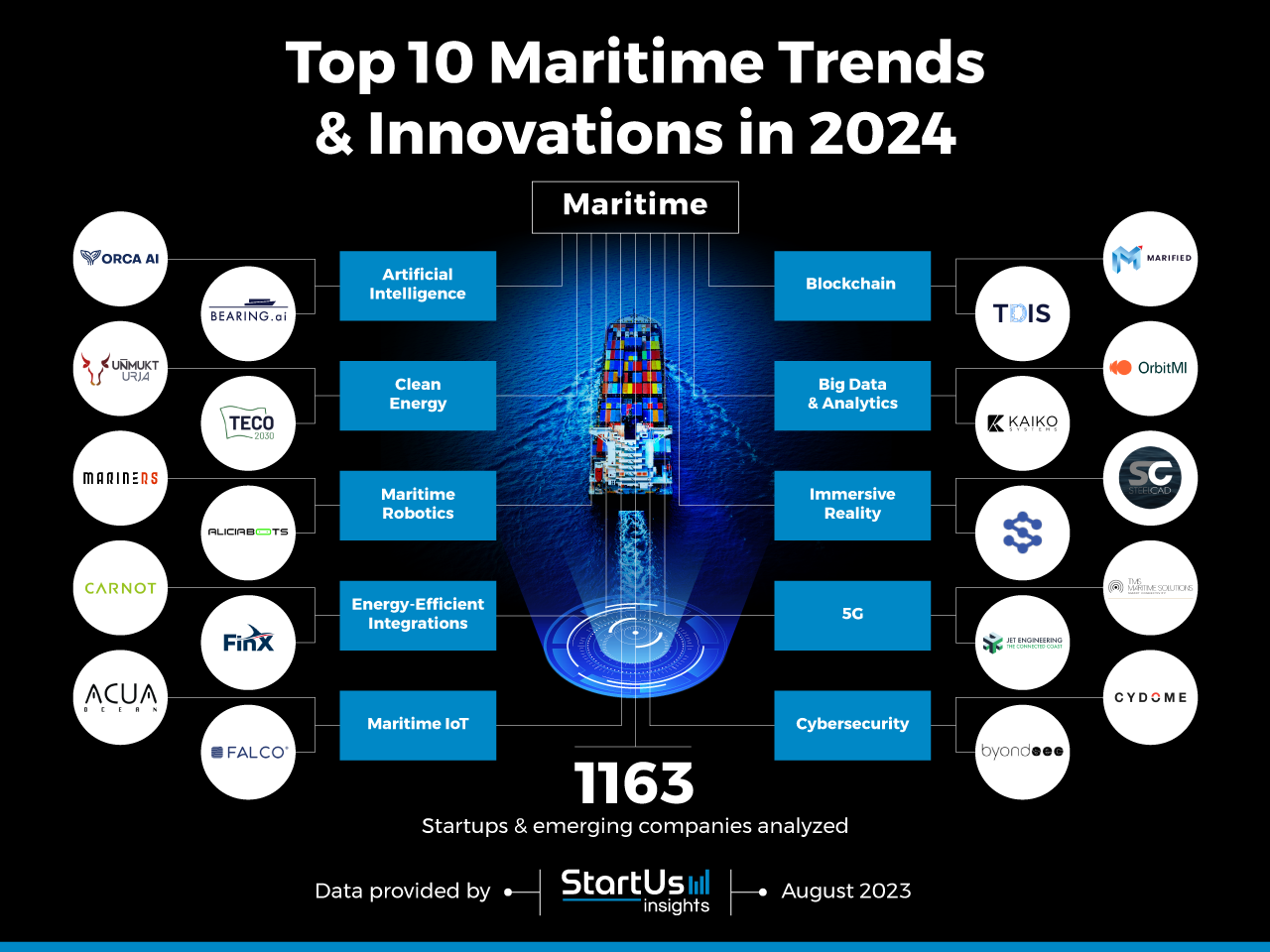
Technological innovations are transforming the shipping industry. The adoption of digital tools, automation, and data analytics is enhancing operational efficiency and reducing costs. For example, the use of blockchain technology is improving transparency in supply chains, while AI-driven logistics solutions are optimizing route planning and cargo management.
The implementation of Internet of Things (IoT) devices in shipping has also revolutionized the industry. These devices enable real-time tracking of cargo, allowing companies to monitor shipments and respond quickly to any issues that arise. This level of visibility enhances customer satisfaction and helps companies manage their supply chains more effectively.
Challenges Facing the Shipping Industry
Supply Chain Disruptions
The shipping industry is vulnerable to various disruptions, including natural disasters, geopolitical tensions, and pandemics. The recent blockage of the Suez Canal highlighted the fragility of global supply chains and the potential for significant economic repercussions. Companies are increasingly focusing on risk management strategies to mitigate the impact of such disruptions.
In addition to natural disasters, geopolitical tensions can lead to significant disruptions in shipping routes. For example, tensions in the South China Sea have raised concerns about the security of shipping lanes, prompting companies to consider alternative routes. The ongoing conflict in Ukraine has also affected shipping routes and trade patterns, particularly in Europe.
Rising Costs
Shipping costs have been on the rise due to several factors, including increased fuel prices, port congestion, and labor shortages. These rising costs are being passed on to consumers, leading to higher prices for goods. Companies are exploring ways to optimize their supply chains and reduce costs, such as by diversifying shipping routes and investing in more efficient vessels.
The increase in shipping costs has also been exacerbated by the COVID-19 pandemic, which caused significant disruptions in global supply chains. Port congestion and delays in shipping have led to increased freight rates, further impacting the cost of goods. Companies are now more focused on building resilient supply chains that can withstand future disruptions.
Labor Shortages
The shipping industry is facing a shortage of skilled labor, particularly in the wake of the pandemic. Many seafarers have left the industry, and attracting new talent has become a challenge. This labor shortage is impacting shipping operations and could hinder the industry’s ability to meet growing demand.
To address this issue, shipping companies are investing in training programs and initiatives to attract new talent. Additionally, there is a growing emphasis on improving working conditions for seafarers to retain existing staff. The industry recognizes that a skilled workforce is essential for maintaining operational efficiency and meeting the demands of global trade.
Future Projections for Global Shipping
Growth Forecasts
Looking ahead, the global shipping industry is expected to continue its growth trajectory, albeit at a moderated pace. According to industry forecasts, shipping volumes are projected to increase by 2-3% annually over the next decade. This growth will be driven by rising consumer demand, particularly in emerging markets, and the ongoing expansion of global trade networks.
The growth of e-commerce is expected to be a significant driver of shipping volumes in the coming years. As more consumers turn to online shopping, the demand for efficient and reliable shipping services will continue to rise. Companies that can adapt to these changing consumer preferences will be well-positioned to succeed in the evolving shipping landscape.
Sustainability Initiatives
Sustainability will be a key focus for the shipping industry in the coming years. Companies are increasingly investing in green technologies, such as wind-assisted propulsion and hydrogen fuel cells, to reduce their carbon footprint. The transition to more sustainable practices will not only help meet regulatory requirements but also enhance the industry’s reputation among environmentally conscious consumers.
The shipping industry is also exploring alternative fuels, such as biofuels and ammonia, as part of its efforts to reduce emissions. These initiatives are essential for achieving the IMO’s targets for reducing greenhouse gas emissions and ensuring the long-term sustainability of the industry.
Digital Transformation
The digital transformation of the shipping industry is set to accelerate, with companies leveraging advanced technologies to improve efficiency and customer service. The integration of IoT devices, big data analytics, and machine learning will enable real-time monitoring of shipping operations, enhancing decision-making and operational performance.
As the industry embraces digitalization, companies are also focusing on cybersecurity to protect sensitive data and ensure the integrity of their operations. The increasing reliance on technology makes the shipping industry vulnerable to cyber threats, and companies must invest in robust security measures to safeguard their systems.
Conclusion
Global shipping statistics provide valuable insights into the dynamics of the maritime industry and its impact on the global economy. As the industry navigates challenges such as supply chain disruptions, rising costs, and labor shortages, it is also poised for growth driven by technological advancements and sustainability initiatives. Understanding these trends is essential for stakeholders looking to thrive in an increasingly complex and interconnected world.
As the global shipping industry continues to evolve, ensuring timely and efficient delivery of goods is more important than ever—discover the best deals and enhance your shopping experience at LooperBuy today! Shop Now.
Article Summary
This article explores the current state of global shipping, examining key trends, challenges, and future projections. It highlights the impact of economic factors, environmental regulations, and technological advancements on the shipping industry. As the sector continues to evolve, understanding these dynamics is crucial for businesses and policymakers alike.
Hot Tags: Global Shipping; Maritime Trade; Container Shipping; Shipping Industry Trends; Supply Chain Management; Environmental Regulations; Shipping Costs; Digital Transformation; Economic Impact; Trade Policies; Shipping Innovations; Labor Shortages; Sustainability in Shipping; Shipping Forecasts; International Trade; Shipping Logistics; Freight Rates; Shipping Technology; Global Trade; Maritime Economics; Shipping Challenges; Port Congestion; E-commerce Shipping; Shipping Efficiency; Alternative Fuels; Shipping Giants; Shipping Statistics; Trade Volume; Maritime Policy; Shipping Operations.
Related Questions & Answers
· What are the most significant regional disparities in global shipping growth?
Regional disparities in global shipping growth are influenced by factors such as economic development, trade policies, and infrastructure investments. For instance, Asia, particularly China, has seen rapid growth in shipping volumes, while regions like Europe and North America are experiencing slower growth due to geopolitical tensions and changing trade dynamics.
· How are emerging technologies like AI and blockchain impacting shipping efficiency and security?
Emerging technologies such as AI and blockchain are enhancing shipping efficiency by improving supply chain transparency, optimizing route planning, and enabling real-time tracking of cargo. These technologies also bolster security by protecting sensitive data and ensuring the integrity of shipping operations.
· What are the long-term implications of current geopolitical tensions on global shipping routes and costs?
Current geopolitical tensions can lead to disruptions in shipping routes, increased shipping costs, and a reevaluation of supply chains. Companies may seek to diversify their sourcing strategies and explore alternative routes to mitigate risks associated with geopolitical instability.
· How does the rise of e-commerce affect global shipping statistics?
The rise of e-commerce has significantly increased demand for shipping services, leading to higher shipping volumes and a greater emphasis on fast and reliable delivery. This trend is driving innovations in logistics and prompting companies to adapt their operations to meet changing consumer expectations.
· What role do environmental regulations play in shaping the future of the shipping industry?
Environmental regulations are pushing the shipping industry towards more sustainable practices, including the adoption of cleaner technologies and alternative fuels. Compliance with these regulations is essential for reducing emissions and ensuring the long-term viability of the industry.