The world of female Muslim clothing is rich and diverse, reflecting a blend of cultural significance, fashion trends, and personal expression. As Muslim women navigate their identities within various cultural contexts, their clothing choices often embody a deep connection to their faith, heritage, and contemporary fashion. This article explores the multifaceted aspects of female Muslim clothes, focusing on their cultural significance, modesty, fashion trends, and accessories.
Table of Contents
The Cultural Significance of Female Muslim Clothes
Understanding Modesty in Islam
Modesty is a fundamental principle in Islam, influencing how Muslim women dress. The Quran encourages believers to dress modestly, which is interpreted in various ways across different cultures. For many, this means wearing loose-fitting clothing that covers the body, such as the hijab, abaya, or jilbab. These garments not only fulfill religious obligations but also serve as expressions of identity and cultural heritage. The concept of modesty extends beyond clothing; it encompasses behavior, speech, and interactions with others, creating a holistic approach to living a life aligned with Islamic values. This comprehensive understanding of modesty allows Muslim women to navigate their daily lives with confidence, knowing that their attire reflects their beliefs and values.
The Role of Traditional Garments
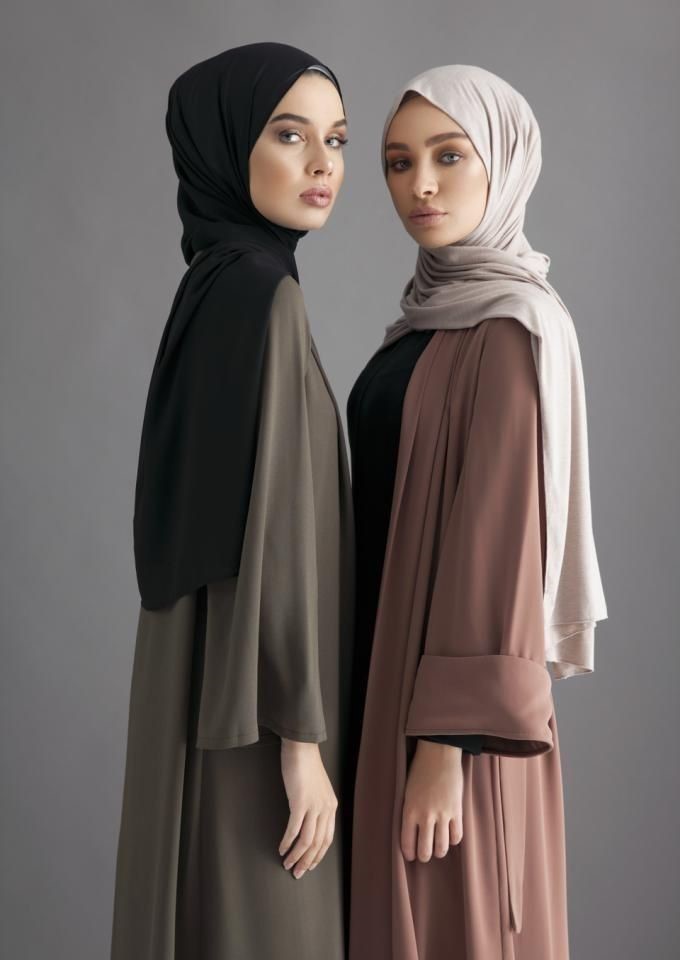
Traditional garments like the abaya and hijab hold significant cultural weight. The abaya, a long, flowing robe, is often associated with Middle Eastern cultures but has gained popularity worldwide. It symbolizes both modesty and elegance, allowing women to express their style while adhering to Islamic principles. The hijab, which covers the hair and neck, is a powerful symbol of faith and identity for many Muslim women. It represents a commitment to modesty and can vary in style, color, and fabric, reflecting personal taste and cultural background. The choice of fabric, such as silk, cotton, or chiffon, can also influence the overall aesthetic and comfort of the garment, making it suitable for various occasions, from everyday wear to formal events.
Cultural Variations in Muslim Clothing
The diversity of Muslim clothing is evident in the various styles adopted by women around the world. In South Asia, for instance, women may wear colorful salwar kameez, while in Indonesia, the kebaya is a popular choice. Each of these garments carries its own cultural significance and reflects the local customs and traditions of the region. This variety showcases the adaptability of Muslim clothing to different cultural contexts while maintaining the core values of modesty and respect. Additionally, the fusion of traditional and modern styles has led to innovative designs that appeal to younger generations, allowing them to honor their heritage while embracing contemporary fashion trends.
Fashion Trends in Female Muslim Clothing
The Rise of Modest Fashion
In recent years, the fashion industry has seen a significant rise in modest fashion, catering to the needs of Muslim women. Designers and brands are increasingly recognizing the demand for stylish yet modest clothing. This trend has led to the emergence of collections that blend contemporary fashion with traditional modesty, allowing women to express their individuality without compromising their values. The rise of modest fashion has also sparked discussions about inclusivity and representation in the fashion industry, encouraging brands to create diverse collections that cater to a wider audience.
Influential Designers and Brands
Several designers and brands have made a name for themselves in the modest fashion market. They create innovative pieces that combine modern aesthetics with traditional elements. These collections often feature bold colors, unique patterns, and high-quality fabrics, appealing to a wide range of consumers. The success of these brands highlights the growing acceptance and celebration of modest fashion in the global fashion landscape. Notable designers have also collaborated with mainstream fashion houses, further bridging the gap between modest and contemporary fashion, and showcasing that modesty can be both stylish and fashionable.
Social Media and Modest Fashion
Social media platforms have played a crucial role in promoting modest fashion. Influencers and fashion bloggers showcase their outfits, inspiring others to embrace their style while adhering to modesty guidelines. This online presence has created a vibrant community where women can share tips, ideas, and inspiration, further driving the popularity of modest fashion. Platforms like Instagram and TikTok have become essential tools for modest fashion enthusiasts, allowing them to connect with like-minded individuals and discover new trends. The visibility of diverse styles and interpretations of modest fashion has empowered women to embrace their identities and express themselves creatively.
Accessories and Styling Options
The Importance of Accessories
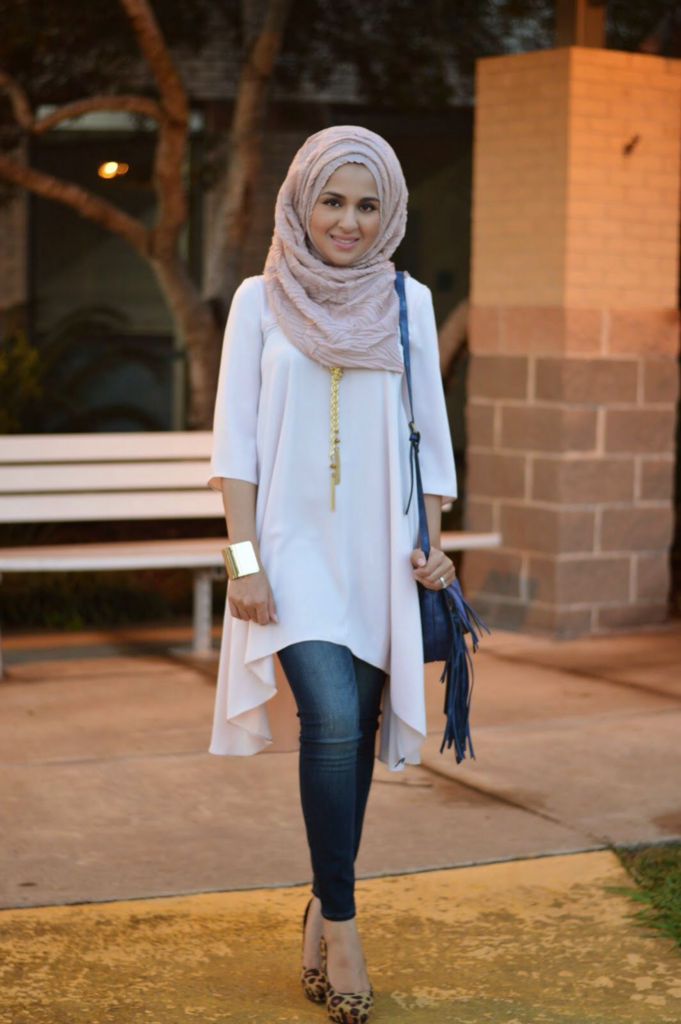
Accessories play a vital role in enhancing the overall look of female Muslim clothing. From statement jewelry to stylish handbags, the right accessories can elevate an outfit and reflect personal style. Many Muslim women use accessories to express their individuality, choosing pieces that complement their clothing while adhering to modesty principles. Accessories can also serve practical purposes, such as providing warmth or functionality, while still being fashionable. The careful selection of accessories allows women to personalize their outfits, making them unique and reflective of their personalities.
Styling the Hijab
The hijab itself can be styled in numerous ways, allowing for creativity and personal expression. Women experiment with different fabrics, colors, and tying techniques to create unique looks. This versatility makes the hijab not just a religious obligation but also a fashion statement. Many women coordinate their hijabs with their outfits, showcasing their fashion sense while maintaining modesty. The use of embellishments, such as brooches or decorative pins, can also add a touch of elegance to the hijab, making it a focal point of the outfit. This creative styling empowers women to embrace their cultural identity while exploring their personal style.
Footwear Choices
Footwear is another essential aspect of styling for Muslim women. While comfort is crucial, many opt for stylish shoes that complement their outfits. From elegant flats to chic heels, the choice of footwear can significantly impact the overall look. Modest fashion brands often offer a range of footwear options that align with the principles of modesty while keeping up with current trends. The right pair of shoes can enhance an outfit, providing both style and comfort, making them suitable for various occasions, from casual outings to formal events.
Conclusion
The world of female Muslim clothing is a dynamic interplay of cultural significance, fashion trends, and personal expression. As Muslim women navigate their identities, their clothing choices reflect a deep connection to their faith and heritage while embracing contemporary fashion. The rise of modest fashion and the influence of social media have further enriched this landscape, allowing women to express their individuality within the framework of modesty.
As we continue to explore the evolving nature of female Muslim clothes, it becomes clear that these garments are not just about covering the body; they are powerful symbols of identity, culture, and empowerment. The ongoing dialogue surrounding modest fashion encourages a broader understanding of diversity in fashion, promoting acceptance and appreciation for different styles and cultural expressions.
How To Purchase:https://looperbuy.com/search?keywords=female+muslim+clothes
Frequently Asked Questions
1. What is the significance of the hijab in Muslim culture?
The hijab symbolizes modesty and faith for many Muslim women. It represents a commitment to Islamic principles and can vary in style and interpretation across different cultures.
2. How has modest fashion evolved in recent years?
Modest fashion has gained popularity, with designers creating stylish clothing that adheres to modesty guidelines. This evolution reflects a growing acceptance of diverse fashion choices within the industry.
3. What are some popular traditional garments for Muslim women?
Popular traditional garments include the abaya, jilbab, salwar kameez, and kebaya. Each of these garments carries cultural significance and reflects the traditions of different regions.
4. How can accessories enhance modest outfits?
Accessories such as jewelry, handbags, and shoes can elevate modest outfits, allowing women to express their personal style while adhering to modesty principles.
5. What role does social media play in promoting modest fashion?
Social media platforms allow influencers and fashion bloggers to showcase modest outfits, inspiring others and creating a community that celebrates modest fashion and personal expression.