Table of Contents
The Charm of Necklaces
A necklace is a piece of jewelry worn around the neck, often made of metal, string, or other materials and decorated with beads, pearls, gemstones, etc. It is one of the most popular types of jewelry, with a history spanning thousands of years. From ancient civilizations like Egypt and Mesopotamia to modern times, necklaces have always been an important accessory for people to showcase their style and personality.
Types of Necklaces
Choker
Chokers are usually 14 to 16 inches in length and worn close to the neck. They can complement any neckline and are suitable for various occasions, from casual outings to formal events. Chokers can be made of leather, gold, velvet, or thick string, offering both casual and formal options. Their close-fitting design makes them a versatile choice for any outfit.
Collar Necklace
Collar necklaces are short, typically 12 to 13 inches in length, and often consist of three or more strands of pearls or other materials. They encircle the neck like a crewneck sweater, hence the name. Collar necklaces can be formal or casual, depending on the materials used. They are ideal for off-the-shoulder outfits, turtleneck sweaters, boat necks, or V-necks.
Graduated Necklace
As the name suggests, graduated necklaces feature beads or decorative pieces that increase in size from the clasp to the other end. They can be single-strand or multi-layered, with each layer extending further down the blouse or shirt. Graduated necklaces look elegant and are suitable for both casual and formal occasions, though they shine particularly well with formal attire.
Lariat Necklace
Lariat necklaces are scarf-like, with no clasp points. They wrap around the neck and have one strand hanging down the front. Sometimes called lasso necklaces, they often have a Y-shape and may feature a pendant or charm at the bottom. They are perfect for U-shaped necklines and can be worn for both casual and formal events.
Tassel Necklaces
Tassel necklaces have tassels at the end of various chains. They are bold and versatile, suitable for everything from t-shirts to silk blouses. The tassels can be made of gold or silver chains, basic strings, feathers, or embroidery thread, offering a variety of sizes and colors to match different occasions.
Thread Necklace
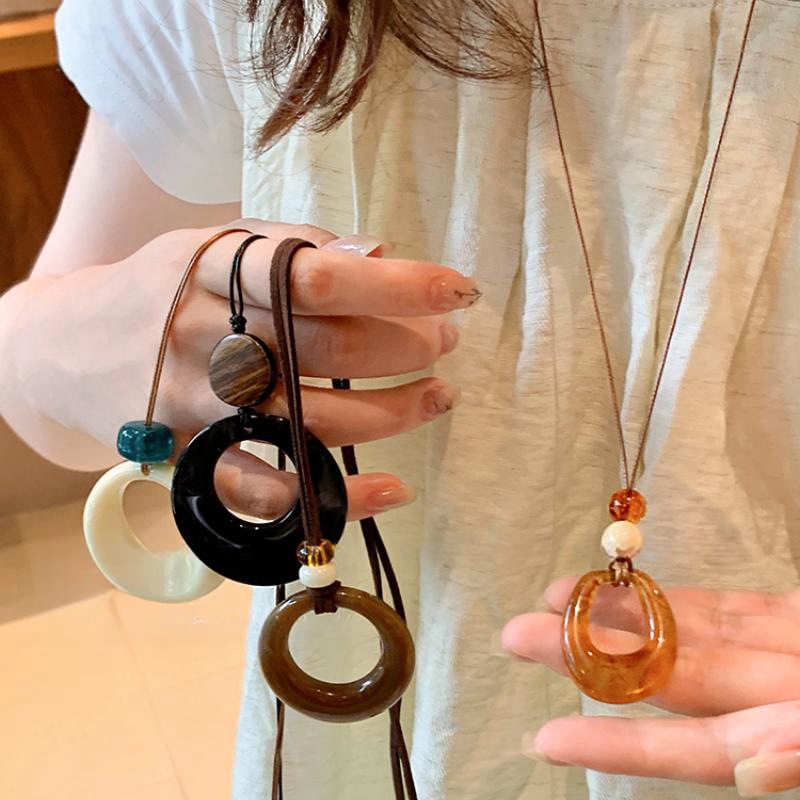
Thread necklaces are made of thick threads tied in a knot at the neckline, eliminating the need for eyelets or other fastenings. They can be adorned with silver pendants, large beads, or items made of silver, wood, or metal. Thread necklaces are usually between 14 and 20 inches long and are great for casual dresses or blouses.
Statement Necklace
Statement necklaces are bold, attention-grabbing pieces designed to serve as the centerpiece of an outfit. They often feature oversized gemstones, intricate metalwork, dimensional layers, or mixed materials. While traditionally associated with eveningwear, they are now commonly used to elevate casual outfits.
Bib Collar Necklace
Bib collar necklaces feature a symmetrical arrangement of decorative elements like beads or pearls that encircle the neck and chest area. They are ideal for formal events, evening gatherings, weddings, or high-end business settings. They are typically worn alone due to their bold style and pair well with off-the-shoulder and scoop necklines.
Slider Necklace
Slider necklaces have an adjustable movable bead or clasp, allowing you to adjust the length of the pendant as desired. They have a V-shape and are extremely compatible with short or thick necklaces. Slider necklaces are suitable for casual outings and work events and pair well with casual tops, dresses, or blouses.
Fringe Necklace
Fringe necklaces feature a series of pendant elements that hang from links or a cord around the neck. They can be made of thread, leather, chains, etc. Fringe necklaces are high-energy and elegantly designed, perfect for parades and festivals. They can be layered with other boho-style accessories and work best with V-necks and strapless tops.
Necklace Materials
Gold
Gold is a classic and luxurious material for necklaces. However, its softness makes it less durable for everyday wear, and it is prone to bending or deforming. Gold alloys containing nickel may cause allergic reactions in sensitive individuals. Solid gold chains are the most durable, but they can be heavy and expensive. Hollow gold chains are lighter and more affordable.
Platinum
Platinum is highly regarded for its rarity, strength, and enduring white sheen. It is hypoallergenic and doesn’t tarnish over time. Platinum necklaces are ideal for everyday wear due to their durability and resistance to scratches and dents. However, platinum is more expensive than many other metals.
Silver
Silver is a popular and affordable material for necklaces. It has a beautiful white sheen and is relatively durable. However, silver can tarnish over time and may require regular cleaning to maintain its shine.
Stainless Steel
Stainless steel is known for its durability and resistance to tarnishing. It is hypoallergenic and offers a modern, sleek look. Stainless steel necklaces are lightweight and comfortable to wear, making them suitable for everyday use.
Titanium
Titanium is a strong and lightweight metal that is resistant to corrosion and tarnishing. It is hypoallergenic and offers a unique, contemporary appearance. Titanium necklaces are ideal for those seeking a durable and low-maintenance option.
Beads and Pearls
Beads and pearls are versatile materials used in necklaces. They come in various colors, shapes, and sizes, allowing for endless design possibilities. Pearl necklaces, in particular, exude elegance and sophistication. Pearl necklaces can be paired with a sheath dress or a blouse with a crisp collar for a polished look, or layered with other casual necklaces for a touch of effortless elegance.
Necklace Styles and How to Style Them
Pendant Necklaces
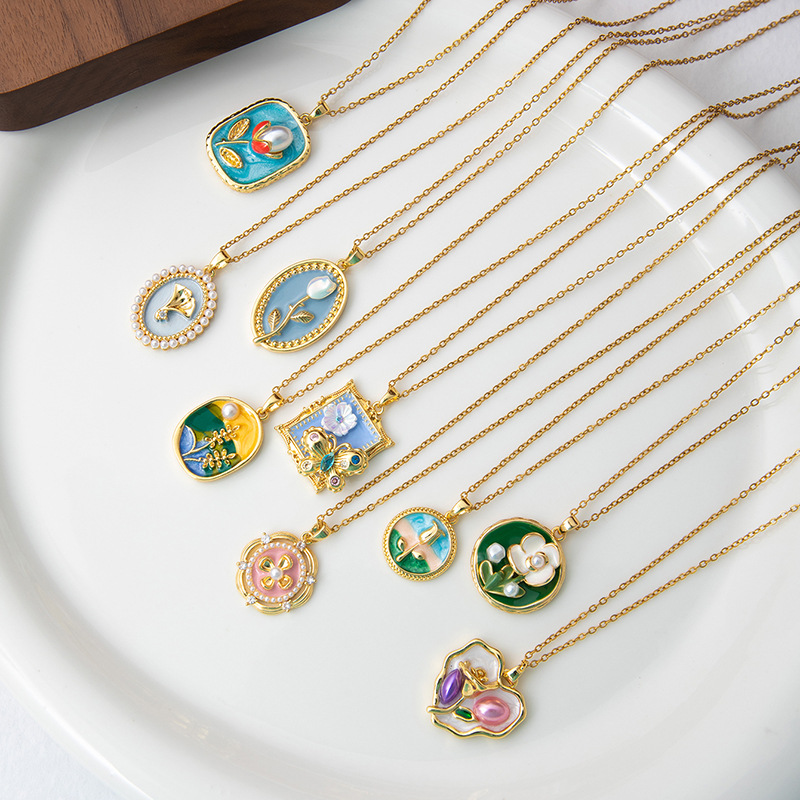
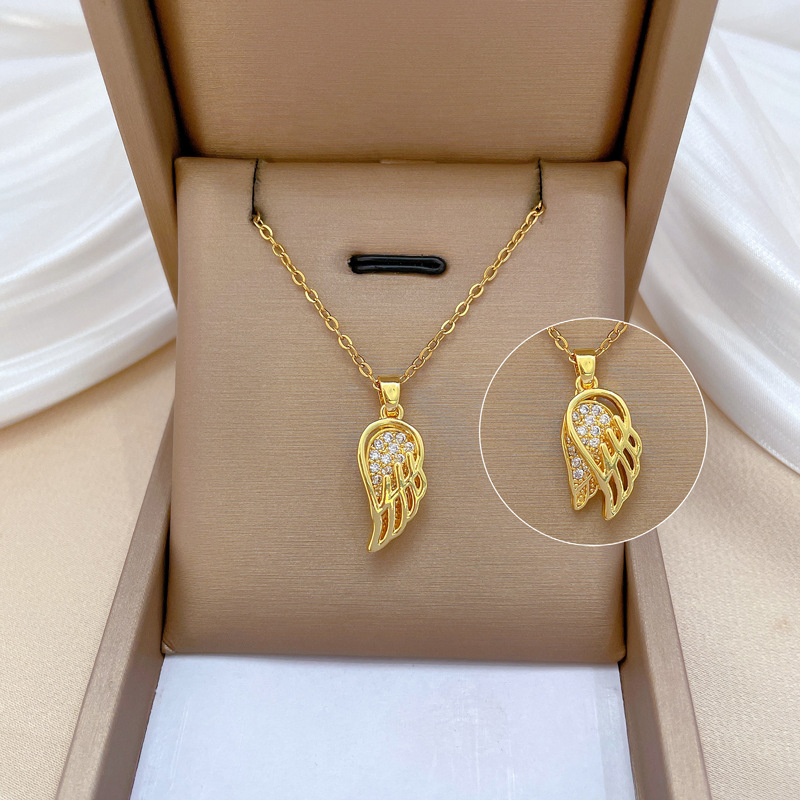
Pendant necklaces feature a single pendant or charm hanging from a chain. They can be dressed up or down depending on the occasion. For a casual look, pair a pendant necklace with jeans and a t-shirt. For a more formal look, wear it with a sleek dress or blouse.
Tennis Necklaces
Tennis necklaces are a symbol of elegance, featuring a single strand of diamonds or gemstones linked together. They are perfect for adding a touch of luxury to any outfit. Pair a tennis necklace with a little black dress for a classic evening look or wear it over your favorite blouse for a sophisticated work outfit.
Multi-Strand Necklaces
Multi-strand necklaces combine multiple strands of chains, beads, or other materials into a single necklace. They create a layered and dimensional look. These necklaces can be paired with a simple, close-fitting top or layered over a flowy blouse to add texture and interest.
Charm Necklaces
Charm necklaces allow for self-expression through a collection of trinkets. The base is a delicate chain from which individual charms dangle. Charm necklaces are versatile and can be dressed up or down. They are ideal for showcasing personal significance and style.
Riviere Necklaces
Riviere necklaces feature a continuous loop of dazzling gemstones. They exude luxury and grandeur and are perfect for formal occasions. Pair a Riviere necklace with a strapless dress or plunging neckline for a dramatic evening look or with a crisp white shirt and slacks for daytime sophistication.
How to Choose the Perfect Necklace
Personal Style
Choose necklaces that reflect your aesthetic preferences and can easily integrate into your wardrobe. Whether you prefer bold statement pieces or delicate, minimalist designs, there is a necklace style to suit every personal taste.
Neckline Compatibility
Different necklines pair well with different necklace styles. V-necks go well with pendant necklaces that echo the neckline’s shape. High necklines favor longer chains or statement pieces. Strapless or off-the-shoulder garments are enhanced by collar necklaces or chokers. Simple round necklines accommodate a wide range of necklace styles.
Occasion
The occasion will also influence your choice of necklace. For everyday wear, opt for versatile pieces like simple chains, delicate pendants, or station necklaces. For professional settings, choose polished, understated designs. For formal events, reserve more elaborate pieces like tennis necklaces, graduated strands, and statement necklaces that can take center stage.
Conclusion
Necklaces are versatile and elegant jewelry pieces that can enhance any outfit and express personal style. By understanding the different types of necklaces, their materials, and how to style them, you can choose the perfect necklace for any occasion. Whether you’re looking for a bold statement piece or a delicate accessory to complement your look, there is a necklace out there that will perfectly suit your needs.
How to Purchase:https://looperbuy.com/search?keywords=necklace
Frequently Asked Questions
Q1: What are the most popular types of necklaces?
A1: Some of the most popular types of necklaces include chokers, collar necklaces, graduated necklaces, lariat necklaces, tassel necklaces, thread necklaces, statement necklaces, bib collar necklaces, slider necklaces, and fringe necklaces. Each type offers unique styles and features to suit different occasions and personal preferences.
Q2: What materials are commonly used for necklaces?
A2: Common materials used for necklaces include gold, platinum, silver, stainless steel, titanium, beads, and pearls. Each material has its own characteristics, such as durability, hypoallergenic properties, and resistance to tarnishing, making them suitable for different types of necklaces and wearers.
Q3: How can I choose the right necklace for my outfit?
A3: To choose the right necklace for your outfit, consider your personal style, the neckline of your clothing, and the occasion. V-necks pair well with pendant necklaces, high necklines favor longer chains or statement pieces, and strapless or off-the-shoulder garments are enhanced by collar necklaces or chokers. For everyday wear, opt for versatile pieces, while formal events call for more elaborate designs.
Q4: How do I care for my necklace?
A4: Proper care can extend the life of your necklace. Store it in a jewelry box or pouch to prevent tangling and scratches. Clean it regularly with a soft cloth and mild soap, avoiding harsh chemicals. For gemstone necklaces, follow specific care instructions to maintain their brilliance and luster.
Q5: What is the difference between gold-plated and gold-filled necklaces?
A5: Gold-plated necklaces have a thin layer of gold on the outside, while gold-filled necklaces have a thicker layer of gold over a base metal, usually brass. Gold-filled necklaces are more durable and less likely to tarnish or chip compared to gold-plated necklaces. They also have a more genuine shine and are a better value for those seeking a gold appearance without the high cost of solid gold.
Hot Tags: Necklace; Types of Necklaces; Necklace Materials; Statement Necklace; Choker; Collar Necklace; Graduated Necklace; Lariat Necklace; Tassel Necklace; Thread Necklace