Table of Contents
Introduction
In the realm of industrial applications, maintaining optimal temperatures is crucial for the efficiency and longevity of machinery and equipment. Electric motors with fans play a pivotal role in industrial cooling solutions, ensuring that systems operate within safe temperature ranges. This article delves into the significance of electric motors with fans, their operational mechanisms, and their applications in various industries. By understanding the intricate relationship between these components, industries can better appreciate their importance in maintaining operational integrity and efficiency.
Understanding Electric Motors and Fans
What are Electric Motors?
Electric motors are devices that convert electrical energy into mechanical energy. They are widely used in various applications, from household appliances to large industrial machines. The basic components of an electric motor include the stator, rotor, and windings. The interaction between these components generates rotational motion, which can be harnessed to drive fans and other machinery. Electric motors are classified into different types, including AC (Alternating Current) and DC (Direct Current) motors, each serving specific applications based on their operational characteristics. The versatility of electric motors allows them to be tailored for various industrial needs, making them indispensable in modern manufacturing and processing environments.
The Function of Fans in Cooling
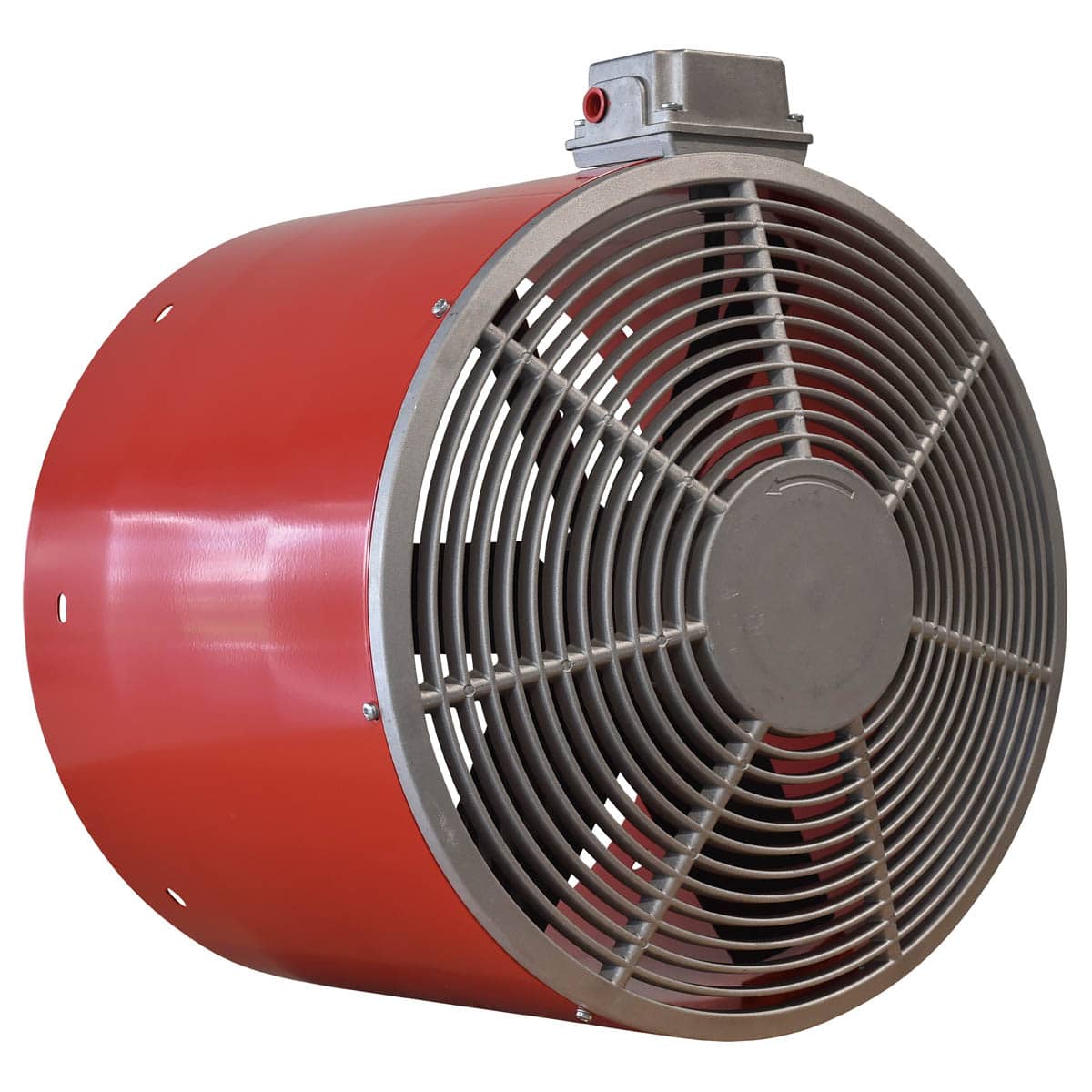
Fans are mechanical devices that create airflow to cool down equipment or spaces. In industrial settings, fans are often used in conjunction with electric motors to enhance cooling efficiency. The combination of electric motors and fans is essential for dissipating heat generated by machinery, ensuring that operational temperatures remain within acceptable limits. Fans can be categorized into different types, such as axial and centrifugal fans, each designed for specific airflow requirements. The effectiveness of a fan is determined by its design, size, and the speed at which it operates, all of which are influenced by the electric motor driving it. This synergy between motors and fans is critical for achieving optimal cooling performance in various industrial applications.
The Importance of Cooling in Industrial Applications
Preventing Overheating
Overheating can lead to significant damage in industrial equipment, resulting in costly repairs and downtime. Electric motors with fans help prevent overheating by providing a continuous flow of cool air, which dissipates heat effectively. This is particularly important in high-performance environments where machinery operates at high capacities. The consequences of neglecting cooling needs can be severe, including equipment failure, reduced productivity, and increased maintenance costs. By implementing effective cooling solutions, industries can safeguard their investments and ensure that machinery operates reliably over extended periods.
Enhancing Efficiency
Maintaining optimal temperatures not only protects equipment but also enhances operational efficiency. When machinery operates within the ideal temperature range, it performs better, consumes less energy, and has a longer lifespan. Electric motors with fans contribute to this efficiency by ensuring that cooling is consistent and effective. This efficiency translates into lower operational costs and improved output quality, which are critical factors in competitive industrial environments. Moreover, efficient cooling systems can lead to reduced energy consumption, aligning with sustainability goals and regulatory requirements.
Types of Electric Motors Used in Cooling Solutions
AC Motors
Alternating Current (AC) motors are commonly used in industrial cooling applications. They are known for their durability and efficiency. AC motors can be found in various fan types, including centrifugal and axial fans, which are designed to move large volumes of air. The robustness of AC motors makes them suitable for continuous operation in demanding environments, where reliability is paramount. Additionally, AC motors can be easily integrated into existing systems, making them a popular choice for retrofitting older equipment with modern cooling solutions.
DC Motors
Direct Current (DC) motors are also utilized in cooling solutions, particularly in applications requiring variable speed control. DC motors can adjust their speed based on the cooling needs, providing flexibility and energy savings. This adaptability is especially beneficial in environments where temperature fluctuations are common, allowing for precise control over airflow and cooling capacity. The ability to modulate speed not only enhances cooling efficiency but also contributes to energy conservation, making DC motors an attractive option for industries focused on reducing their carbon footprint.
How Electric Motors with Fans Work Together
Mechanism of Operation
The operation of electric motors with fans involves several steps:
1. Power Supply: The electric motor receives electrical energy from a power source, which can be either AC or DC, depending on the motor type.
2. Motor Activation: The motor converts this electrical energy into mechanical energy, causing the rotor to spin. This conversion is facilitated by electromagnetic interactions within the motor.
3. Fan Rotation: The spinning rotor drives the fan blades, creating airflow. The design of the fan blades and the speed of rotation determine the volume and velocity of the air moved.
4. Airflow Generation: The fan moves air across heat-generating components, dissipating heat and maintaining a cooler environment. This airflow is critical for preventing hotspots and ensuring uniform temperature distribution across equipment.
Control Systems
Modern industrial cooling solutions often incorporate advanced control systems that monitor temperature and adjust fan speeds accordingly. This ensures that cooling is optimized based on real-time conditions, further enhancing efficiency. These control systems can include programmable logic controllers (PLCs) and sensors that provide feedback on temperature and airflow. By automating the cooling process, industries can achieve significant energy savings and improve the overall reliability of their cooling systems.
Applications of Electric Motors with Fans in Industry
HVAC Systems
In Heating, Ventilation, and Air Conditioning (HVAC) systems, electric motors with fans are essential for regulating indoor temperatures. They help circulate air, ensuring that spaces remain comfortable and energy-efficient. The integration of electric motors in HVAC systems allows for precise control over temperature and humidity levels, contributing to improved air quality and occupant comfort. Additionally, energy-efficient motors can significantly reduce the operational costs of HVAC systems, making them a vital component in both residential and commercial applications.
Manufacturing
In manufacturing environments, electric motors with fans are used to cool machinery, preventing overheating during prolonged operations. This is particularly important in processes that generate significant heat, such as metalworking and plastic molding. The ability to maintain optimal temperatures not only protects equipment but also enhances product quality by ensuring consistent processing conditions. Furthermore, effective cooling can reduce the risk of workplace accidents related to overheating machinery, promoting a safer working environment.
Data Centers
Data centers generate substantial heat due to the high density of servers and networking equipment. Electric motors with fans are critical in cooling these environments, ensuring that equipment operates efficiently and reliably. The cooling systems in data centers must be meticulously designed to handle the heat load generated by numerous servers, and electric motors with fans play a central role in this process. By maintaining optimal temperatures, data centers can prevent equipment failures and ensure uninterrupted service, which is essential for businesses that rely on continuous data availability.
Power Generation
In power generation facilities, electric motors with fans are used to cool transformers and other critical components. Effective cooling is vital for maintaining operational integrity and preventing failures. The cooling systems in power plants must be robust and reliable, as any failure can lead to significant downtime and financial losses. Electric motors with fans provide the necessary cooling to ensure that power generation equipment operates within safe temperature limits, contributing to the overall efficiency and reliability of the power supply.
Benefits of Using Electric Motors with Fans
Energy Efficiency
Electric motors with fans are designed to be energy-efficient, reducing operational costs. By optimizing cooling processes, industries can save on energy bills while maintaining performance. The use of high-efficiency motors and fans can lead to substantial energy savings, which is particularly important in industries with high energy consumption. Additionally, energy-efficient cooling solutions can help companies meet sustainability goals and comply with environmental regulations.
Reliability
Electric motors are known for their reliability and low maintenance requirements. When paired with fans, they provide a robust solution for industrial cooling needs. The durability of electric motors ensures that cooling systems can operate continuously without frequent breakdowns, minimizing downtime and maintenance costs. This reliability is crucial in industrial settings where equipment failure can lead to significant production losses.
Versatility
Electric motors with fans can be adapted for various applications, making them suitable for a wide range of industries. Their versatility allows for customized cooling solutions tailored to specific operational requirements. Whether in HVAC systems, manufacturing processes, or data centers, electric motors with fans can be configured to meet the unique cooling demands of each application. This adaptability is a key advantage in an ever-evolving industrial landscape.
Challenges and Considerations
Noise Levels
One of the challenges associated with electric motors and fans is noise generation. In some applications, excessive noise can be a concern. Selecting the right motor and fan combination can help mitigate this issue. Additionally, implementing sound-dampening materials and designing enclosures can further reduce noise levels, creating a more pleasant working environment. Addressing noise concerns is particularly important in settings where quiet operation is essential, such as in offices or residential areas.
Space Constraints
In certain industrial settings, space may be limited. Compact electric motors and fans are available to address these constraints while still providing effective cooling. The design of cooling systems must take into account the available space, ensuring that all components fit without compromising performance. Innovative designs, such as integrated motor-fan units, can help maximize space efficiency while delivering optimal cooling.
Maintenance
While electric motors are generally low-maintenance, regular inspections and servicing are necessary to ensure optimal performance. This includes checking for wear and tear on fan blades and motor components. Implementing a proactive maintenance schedule can help identify potential issues before they lead to equipment failure, ensuring that cooling systems operate reliably. Training personnel on proper maintenance practices is also essential for maximizing the lifespan of electric motors and fans.
Future Trends in Electric Motors with Fans
Smart Technology Integration
The integration of smart technology into electric motors and fans is a growing trend. Smart sensors can monitor temperature and airflow, allowing for real-time adjustments and improved energy efficiency. These advancements enable industries to implement predictive maintenance strategies, reducing downtime and enhancing operational efficiency. The use of data analytics can also provide insights into cooling performance, helping organizations optimize their systems further.
Sustainable Solutions
As industries move towards sustainability, electric motors with fans are being designed with eco-friendly materials and energy-efficient technologies. This shift not only benefits the environment but also aligns with regulatory standards. The development of sustainable cooling solutions is becoming increasingly important as companies seek to reduce their carbon footprint and meet consumer demand for environmentally responsible practices.
Advanced Materials
The development of advanced materials for electric motors and fans is enhancing performance and durability. Lightweight and heat-resistant materials are being utilized to improve efficiency and reduce energy consumption. These innovations can lead to more compact and efficient cooling systems, further driving the adoption of electric motors with fans in various industrial applications. As material science continues to evolve, the potential for improved performance in cooling solutions will expand.
Conclusion
Electric motors with fans are integral to industrial cooling solutions, providing essential temperature control for various applications. Their ability to prevent overheating, enhance efficiency, and adapt to different environments makes them invaluable in modern industry. As technology continues to evolve, the role of electric motors with fans will only become more significant, paving the way for innovative cooling solutions that meet the demands of the future. By investing in advanced cooling technologies, industries can ensure their operations remain efficient, reliable, and sustainable.
How to purchase:https://looperbuy.com/search?keywords=electric+motor+with+fan
Frequently Asked Questions
1. What is the primary function of electric motors with fans in industrial cooling?
Electric motors with fans primarily function to dissipate heat generated by machinery, preventing overheating and ensuring optimal operational efficiency.
2. How do AC and DC motors differ in their application for cooling solutions?
AC motors are typically used for their durability and efficiency in constant-speed applications, while DC motors offer variable speed control, making them suitable for applications requiring adjustable cooling.
3. What are the benefits of using electric motors with fans in HVAC systems?
Electric motors with fans enhance air circulation, improve energy efficiency, and maintain comfortable indoor temperatures in HVAC systems.
4. How can noise levels be managed in electric motors with fans?
Selecting the right motor and fan combination, along with implementing sound-dampening materials, can help manage noise levels in industrial applications.
5. What future trends are expected in the development of electric motors with fans?
Future trends include the integration of smart technology for real-time monitoring, the use of sustainable materials, and advancements in motor design for improved efficiency.