Table of Contents
Introduction to Drop Shipping
Drop shipping is an e-commerce business model that has gained significant popularity in recent years. It allows retailers to sell products without holding inventory, as the shipping responsibility is transferred to a third-party supplier. This model offers several advantages and disadvantages that entrepreneurs should consider before venturing into this business.
What is Drop Shipping?
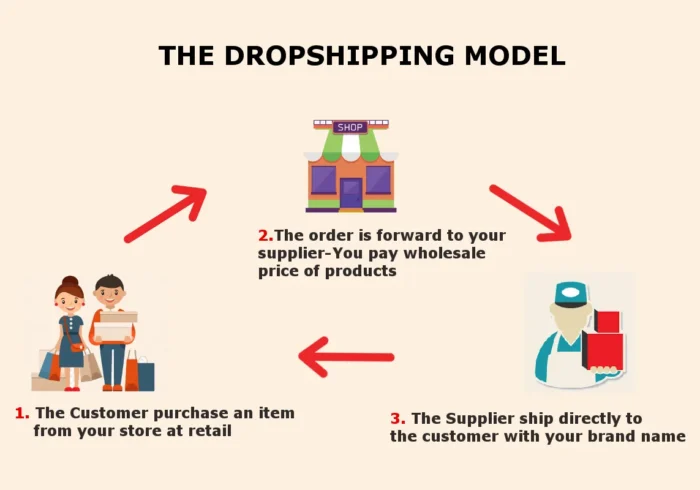
In the drop shipping model, the retailer creates an online store and markets products to customers. When a customer places an order, the retailer forwards the order to a third-party supplier, who then ships the product directly to the customer. The retailer profits from the difference between the wholesale price paid to the supplier and the retail price charged to the customer.
The Rise of Drop Shipping
The drop shipping model has become increasingly popular due to the growth of e-commerce and the desire for businesses to minimize inventory costs and risks. It allows entrepreneurs to start a business with minimal upfront investment and without the need for physical storage space.

Pros of Drop Shipping
Low Startup Costs
One of the most significant advantages of drop shipping is the low startup costs involved. Entrepreneurs can launch a business with minimal capital since there is no need to purchase inventory in bulk or maintain a warehouse. This makes it an accessible option for individuals looking to enter the e-commerce space without substantial financial resources.
No Inventory Management
Drop shipping eliminates the need for businesses to manage inventory. The responsibility of storing, handling, and shipping products falls on the supplier. This allows retailers to focus their time and resources on marketing, sales, and customer service, rather than on logistics and inventory control.
Flexibility and Scalability
The drop shipping model offers flexibility in terms of product selection and business expansion. Retailers can easily add or remove products from their catalog based on market demand and trends. Additionally, the business can scale rapidly during peak seasons or promotional periods without significant additional costs or logistical complexities.
Wider Product Range
Retailers can offer a diverse range of products without being limited by physical storage constraints. This enables businesses to cater to different customer segments and market niches, increasing the potential customer base and sales opportunities.
Reduced Risk
Since retailers do not hold inventory, they are not burdened with the financial risk of unsold stock. They can test different products in the market with minimal investment, reducing the potential for loss if a product does not perform well.
Cons of Drop Shipping
Supplier Reliability
A major challenge in drop shipping is finding and relying on reliable suppliers. Unreliable suppliers can lead to shipping delays, poor product quality, and customer dissatisfaction. Retailers must carefully vet and establish strong relationships with suppliers to ensure consistent product delivery and quality.
Limited Control Over Shipping
Retailers have less control over the shipping process since it is managed by the supplier. This can result in longer delivery times, shipping errors, or damaged goods, which can negatively impact the customer experience. Addressing shipping-related issues may require significant communication and coordination with the supplier.
Narrow Profit Margins
Drop shipping often operates on relatively low profit margins. Retailers must balance competitive pricing to attract customers with sufficient markup to cover operational costs and generate profit. This can be challenging in highly competitive markets.
Customer Service Challenges
Handling customer inquiries and issues can be more complex in the drop shipping model. Retailers must manage expectations regarding shipping times and product availability, and resolve problems related to orders that they do not directly control. This requires efficient communication with suppliers and transparent messaging to customers.
Competition
The drop shipping model has become quite popular, leading to increased competition in the market. Standing out among competitors requires effective marketing strategies, unique value propositions, and excellent customer service to attract and retain customers.
Conclusion
Drop shipping presents both opportunities and challenges for entrepreneurs looking to enter the e-commerce space. While it offers advantages such as low startup costs, no inventory management, and flexibility, it also comes with challenges like supplier reliability, limited shipping control, and narrow profit margins. By carefully evaluating these factors and implementing sound business strategies, entrepreneurs can navigate the drop shipping landscape and build successful businesses.
If you want to enhance your drop shipping efficiency, directly connect with China Quality Inventory 1688 and enjoy high-quality factory prices for your products,you can use looperbuy, a one-stop purchasing-logistics solution:https://looperbuy.com/.
Related Questions & Answers
· What are the primary advantages of starting a drop shipping business?
The primary advantages include low startup costs, no need for inventory management, flexibility in product selection, scalability of the business, and reduced financial risk due to not holding stock.
· How can drop shipping businesses ensure supplier reliability?
Businesses can ensure supplier reliability by conducting thorough background checks, requesting product samples, reading reviews from other customers, and starting with small orders to test the supplier’s performance before committing to larger volumes.
· What strategies can help drop shipping businesses compete in a saturated market?
Effective strategies include focusing on niche markets, offering exceptional customer service, implementing strong branding and marketing strategies, providing unique value propositions, and continuously optimizing the customer shopping experience.
· How do profit margins in drop shipping compare to traditional retail models?
Profit margins in drop shipping are typically narrower compared to traditional retail models. This is because retailers must account for the wholesale cost paid to suppliers while still offering competitive pricing to attract customers. However, by carefully selecting products and suppliers, and optimizing operational efficiency, businesses can achieve sustainable profitability.
· What steps can drop shipping businesses take to improve customer satisfaction despite limited control over shipping?
Businesses can improve customer satisfaction by setting accurate shipping expectations upfront, providing transparent shipping updates, having clear return and exchange policies, and maintaining open communication channels with both customers and suppliers to address any issues that arise promptly.
Hot Tags: Drop Shipping Business Model; E-Commerce Pros and Cons; Online Retail Challenges; Inventory-Free Retail; Drop Shipping Supplier Reliability; Low-Cost Entrepreneurship; Scalable Business Model; E-Commerce Competition; Customer Service in Drop Shipping