In the fast-paced B2B procurement environment of 2026, choosing the right computing architecture—laptop vs desktop CPU—has become a strategic decision that directly impacts operational efficiency and long-term cost. While the line between mobile and stationary performance is blurring, understanding the fundamental differences in processor architecture remains essential for wholesalers, brands, and IT procurement teams.
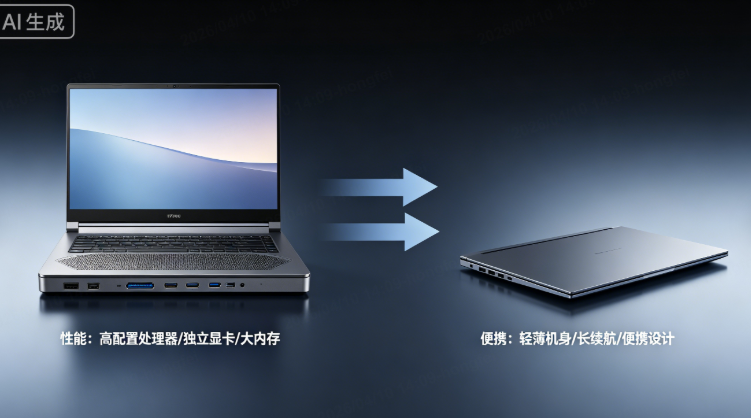
Table of Contents
The Fundamental Divide: Architecture & Thermal Design Power (TDP)
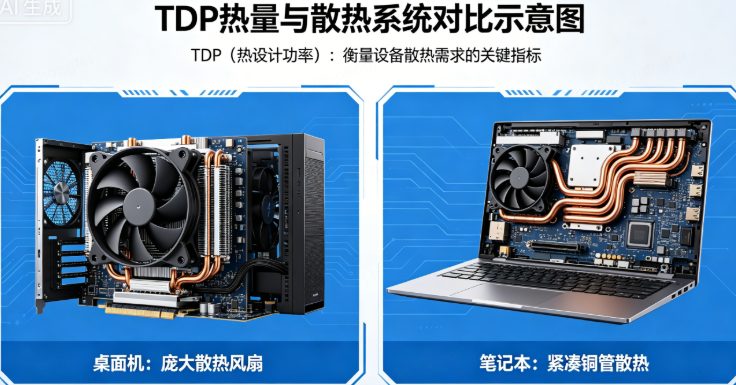
The primary distinction between a laptop CPU and a desktop CPU lies in their approach to efficiency versus raw power.
- Desktop CPUs: Designed with a high Thermal Design Power (TDP), these processors prioritize raw performance. They thrive on the massive thermal headroom provided by large cases, high-end heat sinks, and active cooling fans. croma, laptopoutlet.co
- Laptop CPUs: Engineered for mobility, these chips must balance performance with energy efficiency to preserve battery life and minimize heat output in restricted chassis. siriuspowerpc, computershop
While 2026 advancements in chip architecture—such as Intel’s Core Ultra 200 “Lunar Lake” and AMD’s Ryzen “Strix Point” series—have dramatically narrowed the gap, the physics of cooling remains a constant. pcmag, co
Key Performance Comparison Table
| Feature | Laptop CPU (2026) | Desktop CPU (2026) |
|---|---|---|
| Primary Focus | Energy Efficiency & Portability | Maximum Performance & Stability |
| Thermal Ceiling | Limited (Higher Throttling Risk) | High (Sustainable Peak Performance) |
| Upgradeability | Minimal (Usually Soldered) | High (Socketed, Modular) |
| Sustainability | Often Lower (Difficult to Repair) | High (Easy Part Replacement) |
| Best For | Mobile Professionals, Hybrid Work | Content Creation, Data Analysis, AI Training |
Deep Dive: The 2026 B2B Procurement Reality
1. The AI Workload Impact
The rise of on-device AI tools, from Microsoft Copilot to local large language models, has shifted procurement requirements. zjak For businesses running resource-intensive AI models, desktop CPUs remain the superior choice due to their sustained high-clock speeds and superior memory bandwidth handling. zjak
2. Strategic Financial Hedging
In the current climate of memory shortages and price fluctuations, B2B buyers are moving away from purely price-driven decisions. msi Opting for modular desktop platforms that support “Deploy Now, Upgrade Later”—such as utilizing dual-memory slot systems—provides a better Total Cost of Ownership (TCO) over a 4-year lifecycle. msi, newegg
3. The Portability/Performance Paradox
While ultra-thin laptops under 1kg exist, they often sacrifice sustained performance for form factor. pcmag For power users, slightly thicker chassis designs often provide better airflow, allowing the laptop CPU to perform more consistently under heavy loads, narrowing the gap with entry-level desktop counterparts. pcmag
Advanced Technical Considerations for Procurement Professionals
Beyond basic clock speeds and core counts, modern B2B procurement requires a granular look at Instruction Set Architecture (ISA) efficiency. Modern mobile processors are now optimized for “heterogeneous computing,” utilizing high-efficiency cores (E-cores) for background tasks, which is ideal for remote employees managing multiple communication apps. In contrast, desktop processors remain dominated by high-performance cores (P-cores) designed to handle constant, heavy compute loads.
Procurement Tip: When analyzing laptop vs desktop CPU specs for your organization, check the “Base Power” vs “Turbo Power” ratings. A laptop CPU may list a high burst speed but will only maintain it for a few seconds before thermal constraints force a downclock. Desktops generally lack this extreme throttling profile.
The “Total System” Ecosystem Approach
It is vital to remember that the CPU does not operate in a vacuum. A high-performance desktop CPU is often bottlenecked by slower SSDs or insufficient system RAM. Conversely, a modern laptop CPU paired with ultra-fast LPDDR5X RAM can often outperform an aging desktop setup in daily business productivity tasks. When sourcing through platforms like LooperBuy, look for balanced configurations where the CPU, memory, and storage are optimized for the specific task at hand. Avoid “spec-chasing” where you over-invest in a high-end CPU while neglecting the I/O throughput necessary for modern enterprise workflows.
Expert Insight: Making the Right Procurement Decision
When procuring for your organization, consider the user persona rather than just the specification sheet:
- For the Office-Bound Professional: Prioritize desktop systems. The combination of ease-of-repair, lower cost per unit of performance, and superior cooling makes them the standard for sustained data-intensive tasks. zjak
- For the Hybrid Workforce: Modern laptops are more than capable, but look for machines with accessible RAM slots and M.2 storage to extend their useful life. newegg
- Strategic Sourcing Tip: Use global platforms like LooperBuy to access diverse, high-quality hardware configurations that align with these technical needs, ensuring you don’t overpay for unnecessary specs while securing hardware that fits your specific deployment strategy.
Frequently Asked Questions (FAQ)
Q1: Can a modern laptop CPU in 2026 truly replace a desktop CPU?
- A: For most general business workflows, yes. However, for specialized tasks like heavy 3D rendering, local AI model training, or sustained heavy data analysis, a desktop CPU still holds a performance advantage. co, zjak
Q2: Are desktops significantly cheaper than laptops?
- A: Generally, yes. At the same price point, a desktop can often provide 30–50% more raw performance because you are not paying for the premium of miniaturized components and batteries. aigadgetdeals
Q3: Does the CPU make a difference in laptop battery life?
- A: Absolutely. Modern mobile-optimized CPUs (like those in the Intel Core Ultra or AMD Ryzen series) feature advanced power-management cores that drastically extend battery life during light tasks. pcmag, ifeeltech
Q4: Should businesses worry about CPU upgradeability in 2026?
- A: If you plan to keep hardware for 4+ years, yes. Focus on desktop platforms or laptops that allow for component expansion, as this protects your investment against future software demands. msi, newegg
Q5: How does AI change B2B hardware buying?
- A: AI requires more RAM and localized compute power. For high-demand AI usage, prioritize machines with advanced NPUs and higher memory capacities (32GB+) over basic standard setups. ifeeltech, zjak
References
- PCMag: Buying a Business PC in 2026
- Sirius Power PC: Laptop vs Desktop CPU Differences
- MSI Business: 2026 Desktop Procurement Guide
- iFeeltech: 2026 Business Computer Specs Guide
- Newegg: Complete 2026 Laptop Buying Guide
Brief Summary:
This comprehensive guide provides B2B buyers with a strategic analysis of laptop versus desktop CPU performance in 2026. By examining thermal design power, AI-readiness, and long-term procurement sustainability, it empowers wholesalers and brand managers to make informed, efficient hardware investments. Whether prioritizing portability or raw computing power, this article offers the expert insights needed to optimize your organizational IT strategy.
Hot Tags: B2B hardware procurement, enterprise workstation solutions, bulk laptop vs desktop sourcing, IT hardware supply chain, professional CPU performance analysis, wholesale computing infrastructure, AI-ready business hardware, B2B procurement strategy, high-performance office computing, global electronic component sourcing.