Art is an essential part of childhood development, allowing children to express themselves, explore their imaginations, and develop fine motor skills. In this article, we will delve into the world of children’s art toys, exploring their benefits, types, and how they can inspire creativity in young minds. By understanding the significance of art in a child’s life and the various tools available, parents and caregivers can make informed choices that nurture creativity and self-expression.
Table of Contents
The Importance of Art in Child Development
Art plays a crucial role in the development of children. It is not just about creating beautiful pictures; it encompasses a range of skills and benefits that contribute to a child’s overall growth. Engaging in artistic activities helps children develop fine motor skills, enhances their cognitive abilities, and boosts their self-esteem. Moreover, art can serve as a therapeutic outlet, helping children process their emotions and experiences in a constructive manner.
Fine Motor Skills Development
When children engage in art activities, they use their hands and fingers to manipulate various materials. This helps improve their hand-eye coordination and dexterity. Activities such as painting, drawing, and sculpting require precise movements, which are essential for tasks like writing and typing later in life. As children practice these skills, they gain confidence in their abilities, which can translate to other areas of learning. For instance, the grip they develop while holding a paintbrush can enhance their writing skills as they transition to using pencils and pens.
Cognitive Development
Art encourages children to think critically and solve problems. When they create, they must make decisions about colors, shapes, and materials. This process enhances their cognitive skills, allowing them to think outside the box and develop innovative solutions. Additionally, art can introduce concepts such as symmetry, balance, and perspective, which are foundational in subjects like math and science. By engaging in art, children learn to analyze their work and make adjustments, fostering a growth mindset that is beneficial throughout their educational journey.
Emotional Expression
Art provides a safe outlet for children to express their feelings. Whether they are happy, sad, or frustrated, creating art allows them to communicate their emotions in a constructive way. This emotional expression is vital for their mental health and well-being. Through art, children can explore complex feelings that they may not yet have the vocabulary to articulate. This process can be particularly beneficial during challenging times, as it offers a way for children to process their experiences and find solace in creativity.
Types of Children’s Art Toys
There is a wide variety of art toys available for children, each designed to cater to different interests and age groups. Here are some popular categories that can inspire creativity and provide hours of fun.
Painting and Drawing Supplies
Painting and drawing are fundamental forms of artistic expression. Toys in this category include:
– Watercolor Sets: These sets often come with brushes and paper, allowing children to experiment with colors and techniques. Watercolors are particularly engaging because they encourage children to explore blending and layering colors, leading to unique creations.
– Colored Pencils and Crayons: Essential for any young artist, these tools are perfect for drawing and coloring. The variety of colors available can inspire children to create vibrant artworks, and the tactile experience of coloring can be soothing and enjoyable.
– Chalk and Chalkboards: Great for outdoor play, chalk allows for large-scale creations that can be easily erased and redone. This medium encourages spontaneous creativity, as children can draw and write freely without the pressure of permanence.
Craft Kits
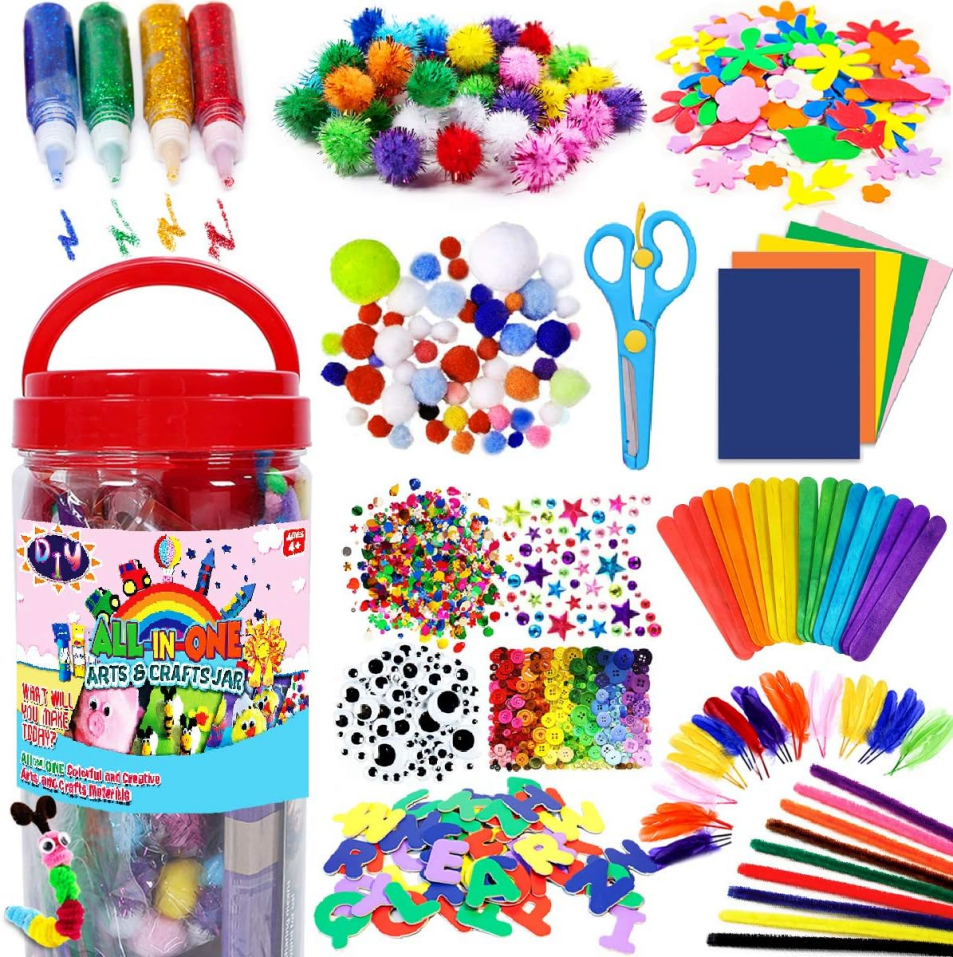
Craft kits are excellent for children who enjoy hands-on projects. These kits often include various materials and instructions for creating specific items, such as:
– Beading Kits: Children can create jewelry or decorative items using colorful beads. This activity not only fosters creativity but also enhances fine motor skills as they string beads onto threads.
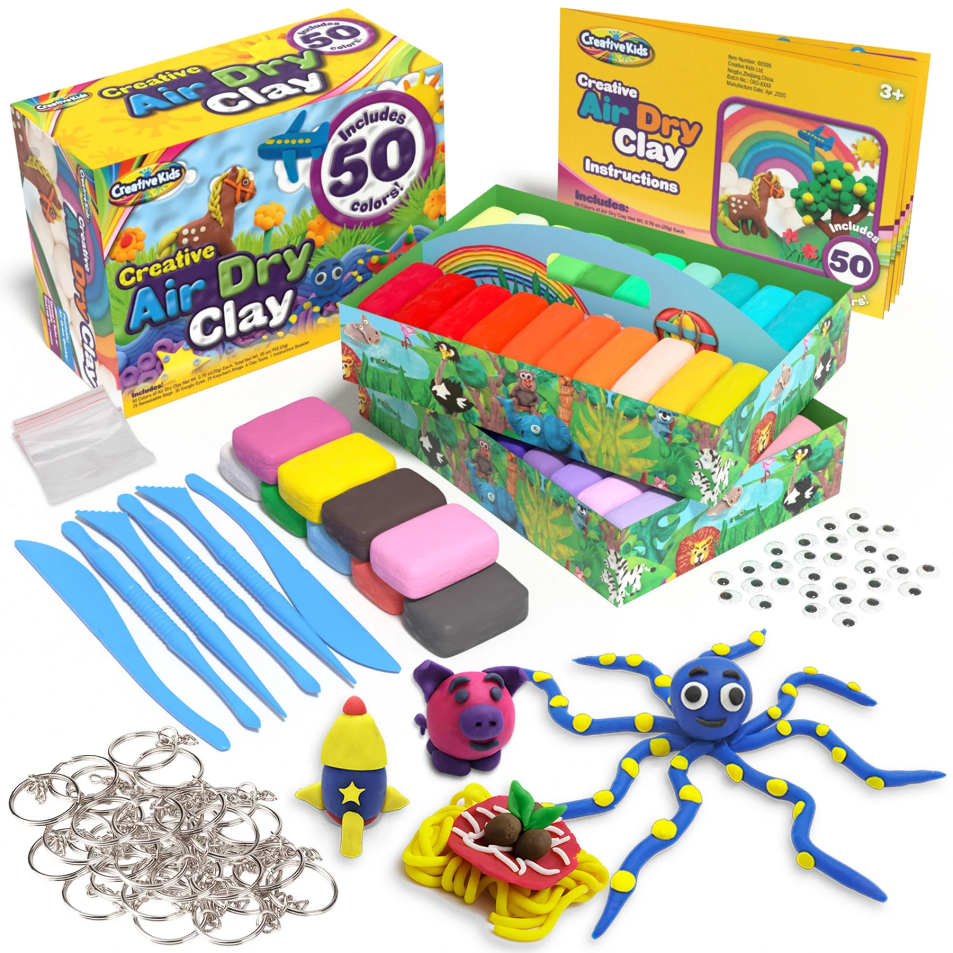
– Sculpting Kits: These kits may include air-dry clay or modeling dough, allowing children to mold and shape their creations. Sculpting encourages spatial awareness and can lead to imaginative play as children create characters and scenes.
– Collage Kits: With a variety of papers, stickers, and embellishments, children can create unique collages. This form of art encourages experimentation with textures and colors, allowing for personal expression.
Educational Art Toys
Some art toys are designed to be educational, combining creativity with learning. Examples include:
– Art Spinner Kits: These kits allow children to create unique designs by spinning paint on paper. This fun activity introduces concepts of motion and physics while producing beautiful artwork.
– Drawing Tablets: Digital drawing tablets can introduce children to technology while allowing them to express their creativity. These devices often come with various tools and effects, enabling children to explore digital art in a user-friendly way.
Choosing the Right Art Toys
When selecting art toys for children, consider their age, interests, and skill level. Here are some tips to help you choose the best options:
Age Appropriateness
Ensure that the art toys are suitable for the child’s age. Younger children may benefit from larger, easier-to-handle tools, while older children can handle more complex materials. Age-appropriate toys not only ensure safety but also provide the right level of challenge to keep children engaged and motivated.
Safety Considerations
Always check for safety certifications and ensure that the materials are non-toxic. This is especially important for younger children who may put items in their mouths. Look for art supplies that are labeled as safe for children, and avoid items with small parts that could pose a choking hazard.
Encouraging Creativity
Look for toys that encourage open-ended creativity rather than those that are overly structured. Toys that allow children to explore and create freely can lead to more imaginative play. Open-ended art supplies, such as blank canvases, mixed media materials, and versatile tools, can inspire children to think creatively and develop their unique artistic style.
Benefits of Art Toys
Investing in children’s art toys can yield numerous benefits, including:
Enhancing Creativity
Art toys stimulate creativity by providing children with the tools they need to express themselves. The more they create, the more their imagination expands. Engaging in various art forms can also inspire children to explore different themes and subjects, broadening their understanding of the world around them.
Building Confidence
Completing an art project can boost a child’s confidence. They learn to take pride in their work and appreciate their unique artistic voice. This sense of accomplishment can encourage them to take on new challenges, both in art and other areas of life.
Fostering Social Skills
Art activities can be a great way for children to interact with peers. Group projects encourage teamwork and communication, helping children develop essential social skills. Collaborative art projects can also teach children about sharing, compromise, and the value of different perspectives.
Conclusion
Children’s art toys are more than just playthings; they are valuable tools for fostering creativity, enhancing skills, and promoting emotional well-being. By providing children with a variety of art supplies and encouraging them to explore their artistic abilities, we can help them develop into confident, creative individuals. Investing in art toys not only enriches their playtime but also lays the foundation for lifelong skills and passions.
How to purchase:https://looperbuy.com/search?keywords=children%27s+art+toys
Frequently Asked Questions
1. What age is appropriate for children’s art toys?
Children can start using art toys as early as 2 years old, with age-appropriate options available for all stages of development. It’s important to choose toys that match their developmental milestones to ensure a safe and enjoyable experience.
2. Are art toys safe for young children?
Yes, as long as they are non-toxic and meet safety standards. Always check labels for age recommendations and safety certifications. Parents should supervise younger children during art activities to ensure safety and proper use of materials.
3. How can I encourage my child to be more creative with art?
Provide a variety of materials, allow for free exploration, and avoid overly structured projects. Encourage them to express their ideas without fear of making mistakes. Creating a dedicated art space at home can also inspire creativity and make art a regular part of their routine.
4. What are some popular types of art toys for kids?
Popular options include painting supplies, craft kits, educational art toys, and drawing tools. Each type offers unique opportunities for creative expression and skill development.
5. Can art toys help with my child’s development?
Absolutely! Art toys enhance fine motor skills, cognitive abilities, and emotional expression, contributing to overall development. Engaging in art can also improve focus and concentration, which are beneficial in academic settings.