The global life science market is expanding at an extraordinary pace, with projections showing growth from $103.4 billion in 2025 to over $254 billion by 2034, driven by a compound annual growth rate of nearly 12 percent. For biotech firms focused on life science research and innovation, this growth represents both tremendous opportunity and mounting operational complexity. Behind every breakthrough in gene editing, personalized medicine, and diagnostic technology lies a vast and intricate supply chain that must deliver specialized reagents, laboratory instruments, and research consumables with absolute reliability. Yet in 2026, that supply chain is under unprecedented strain.

Table of Contents
Why Supply Chain Resilience Has Become the Defining Challenge for Life Science Innovation
The past several years have exposed the fragility of global pharmaceutical and biotechnology supply networks. Geopolitical disruptions, logistics bottlenecks, and raw material volatility have transformed procurement from a back-office function into a boardroom priority. For biotech firms focused on life science research and innovation, the implications are particularly severe. Research timelines cannot afford delays. Clinical trials cannot tolerate inconsistent reagent quality. A single supply chain failure can set back years of scientific progress.
The situation intensified in early 2026 when military conflict in the Middle East disrupted key pharmaceutical trade routes. Insurance costs for vessels transiting the Suez Canal surged, alternative routes around Africa added weeks to delivery times, and air freight capacity through Gulf hubs collapsed. One industry analysis noted that between late February and early March 2026, air cargo volumes in the Gulf region dropped by 79 percent. For life science companies dependent on specialized enzymes, oligonucleotides, and temperature-sensitive biological materials, these disruptions represented an existential threat to research continuity.
The lesson for procurement leaders is clear: the traditional model of relying on a narrow set of established suppliers, often concentrated in specific geographic regions, is no longer viable. Resilience must be built into the supply chain architecture itself.
What the Gene Editing Revolution Means for Research Procurement
The scientific frontier in 2026 is being defined by gene editing technologies moving from laboratory exploration into clinical application. Nature’s 2026 outlook highlighted that CRISPR-based therapies are entering a new phase, with personalized gene editing treatments for rare diseases advancing into formal clinical trials. A landmark case involving an infant with a rare metabolic disorder demonstrated that customized CRISPR therapy could stabilize a previously untreatable condition, laying the foundation for broader clinical implementation.
This shift has direct implications for procurement strategy. Gene editing research demands extraordinarily high standards for input materials. Plasmids must be sequence-verified. Enzymes must maintain consistent activity across lots. Cell culture reagents must meet stringent sterility and performance criteria. The margin for error is effectively zero, because the downstream consequences of a contaminated or underperforming input can invalidate months of experimental work.
At the same time, the pace of innovation means that research teams are constantly adopting new tools and methodologies. A laboratory that relied on traditional transfection methods two years ago may now require electroporation equipment, guide RNA libraries, and Cas9 protein variants sourced from specialized suppliers. The ability to rapidly identify and qualify new suppliers without compromising quality standards has become a competitive advantage for innovative biotech firms.
The Strategic Advantage of Digital B2B Sourcing Platforms
In response to these pressures, the life science procurement landscape is undergoing a structural transformation. Digital B2B marketplaces are evolving from simple discovery platforms into comprehensive supply chain ecosystems that offer transparency, verification, and transactional reliability. The global B2B commerce market, currently valued in the trillions, is projected to expand dramatically over the coming decade as procurement leaders shift from conventional sourcing models to digital-first approaches.
Platforms like LooperBuy represent this new paradigm. Founded in 2024, LooperBuy connects global buyers directly with Chinese manufacturers through an integrated sourcing, payment, and logistics infrastructure. For biotech firms focused on life science research and innovation, this model addresses several critical pain points simultaneously.
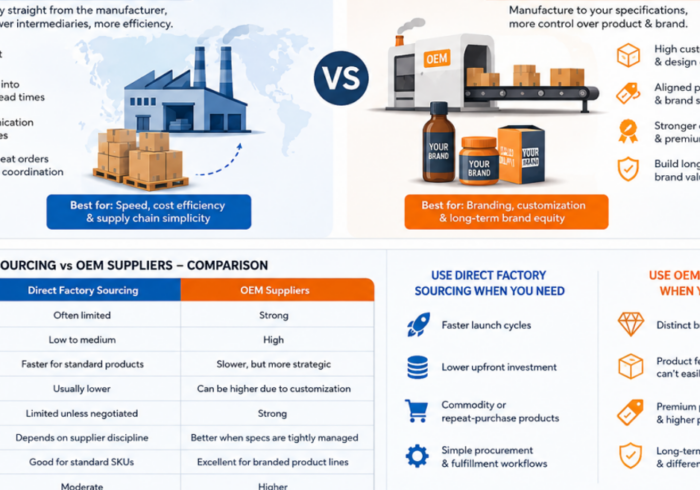
First, direct factory access means competitive pricing on high-volume consumables without the markup layers imposed by traditional distributors. Second, multi-currency settlement capabilities eliminate a major friction point for international buyers who cannot easily transact in Chinese yuan. Third, integrated logistics partnerships provide door-to-door delivery with visibility into shipment status and handling conditions.
The breadth of product categories available through such platforms is particularly relevant for life science buyers. Beyond core research reagents, laboratories require a vast array of supporting materials: personal protective equipment, sample storage consumables, analytical instrument accessories, and facility maintenance supplies. Sourcing these through multiple specialized vendors creates administrative overhead and dilutes purchasing power. A consolidated sourcing platform allows procurement teams to address diverse requirements through a single channel.
How to Evaluate Supplier Reliability in a Global Sourcing Context
For procurement professionals new to international sourcing, particularly from Chinese manufacturers, establishing robust supplier qualification processes is essential. The following framework provides a practical starting point.
Step 1: Define technical specifications with precision. Vague requirements invite inconsistent supply. Specify purity grades, testing methods, packaging formats, and documentation requirements in writing. For life science applications, request certificates of analysis for each lot.
Step 2: Verify manufacturing capabilities directly. Digital platforms should facilitate direct communication with factory representatives. Ask specific questions about production capacity, quality control procedures, and experience serving international life science customers.
Step 3: Request samples and conduct validation testing. Never approve a supplier based solely on catalog claims. Order samples, test them against your existing specifications, and document performance data before committing to volume purchases.
Step 4: Assess logistics and cold chain capabilities. Many life science materials require temperature-controlled shipping. Confirm that the supplier and their logistics partners can maintain appropriate conditions throughout transit and provide temperature monitoring data if required.
Step 5: Establish clear quality agreements. Define acceptance criteria, non-conformance procedures, and corrective action expectations before the first commercial order. This protects both parties and creates a foundation for long-term collaboration.
The Road Ahead for Life Science Supply Chains
The trajectory of the life science industry points toward continued acceleration. Research and development spending among major pharmaceutical companies reached unprecedented levels in 2026, with nine firms reporting half-year R&D investments exceeding $5 billion. This investment will translate into demand for an ever-expanding array of specialized materials, instruments, and services.
For biotech firms focused on life science research and innovation, the strategic imperative is clear. Supply chain resilience cannot be treated as a secondary concern. It must be embedded in procurement strategy, supplier relationships, and operational planning. Digital sourcing platforms that combine global reach, product breadth, and transactional reliability will play an increasingly central role in enabling research organizations to focus on what they do best: advancing scientific knowledge and developing transformative therapies.
Ready to strengthen your research supply chain? Explore how LooperBuy can connect your organization with qualified Chinese manufacturers, streamline international procurement, and reduce total sourcing costs. Visit our platform to begin your supplier discovery process.
References
- Research and Markets. “Life Science Market Outlook 2026-2034.” https://www.researchandmarkets.com/reports/6243390/life-science-market-outlook-market-share
- Research and Markets. “Life Science Market Report 2026.” https://www.researchandmarkets.com/reports/6231633/life-science-market-report
- Ubigene. “Nature Outlook 2026: Gene Editing Poised to Drive the Next Wave of Precision Medicine.” https://www.ubigene.us/application/nature-outlook-2026-gene-editing-precision-medicine
- Sohu. “Middle East Conflict Impacts Global Pharmaceutical Supply Chain.” https://www.sohu.com/a/1007893282_114911
- LianLian Global. “LianLian International Partners with LooperBuy.” https://global.lianlianpay.com/article/MTE1NjM2LDE1Ng.html
- ET Edge Insights. “SCM Fest 2026: B2B Marketplaces Are Rewriting the Rules of Supply Chains.” https://etedge-insights.com/featured-insights/scm-fest-2026-b2b-marketplaces-are-rewriting-the-rules-of-supply-chains/
- Phrda. “Global Pharmaceutical R&D Investment Top 10 Ranking.” http://phrda.com/artilce_43465.html
Frequently Asked Questions
Q1: What types of life science products can be sourced through LooperBuy?
LooperBuy provides access to a broad range of Chinese-manufactured products relevant to life science research, including laboratory consumables, reagents, analytical instruments, personal protective equipment, and general research supplies. Buyers can search by category or submit specific sourcing requests.
Q2: How does LooperBuy ensure product quality from Chinese suppliers?
LooperBuy facilitates direct communication between buyers and factories, enabling detailed specification discussions and sample requests. The platform also supports documentation requests including certificates of analysis and quality certifications. Buyers are encouraged to conduct their own validation testing before volume orders.