The dream of location independence and passive income has made dropshipping one of the most discussed business models of the last decade. As we navigate 2026, the digital landscape has shifted dramatically. With AI-driven competition, rising logistics costs, and smarter, more discerning consumers, the question remains: Can you actually make a living off dropshipping today? The answer is a resounding yes, but only if you strip away the “get rich quick” fantasies and replace them with the rigor of a legitimate, brand-focused enterprise.
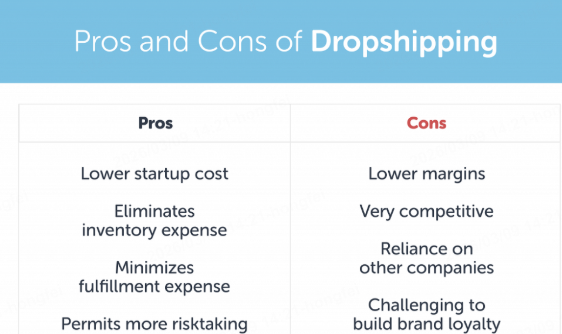
Table of Contents
The Evolution of the Dropshipping Business Model
To understand how to succeed today, we must first acknowledge how the industry has changed. The era of simply slapping a cheap, low-quality item onto a generic Shopify store and running ads is effectively over. In 2026, the marketplace is saturated with sophisticated e-commerce players, and consumers have little patience for poor user experiences or shipping delays.
Moving From “Dropshipper” to “E-commerce Brand”
The most significant shift is the transition from transactional dropshipping—where you act as a mere middleman—to brand-building. Successful entrepreneurs no longer view themselves as just “dropshippers.” Instead, they treat their venture as an e-commerce brand that happens to use a dropshipping fulfillment method to manage initial inventory risk. Building a brand means curating a product line that solves specific problems, establishing a distinct visual identity, and fostering customer trust through excellent service. It involves creating a cohesive brand voice that communicates your values, whether that is sustainability, premium quality, or specialized technical utility. By focusing on a long-term brand narrative, you transform your store from a one-hit-wonder into a platform capable of generating recurring revenue and customer lifetime value.
Adapting to Modern Consumer Expectations
Today’s buyers expect Amazon-level convenience. They demand fast shipping, clear tracking information, and responsive customer support. If your business model relies on slow, unpredictable shipping from overseas suppliers without transparent communication, you will fail to earn the customer retention necessary to build a sustainable income. Making a living today requires finding reliable supply chain partners who can meet these higher standards. This might mean partnering with local fulfillment centers, utilizing third-party logistics (3PL) providers, or strictly vetting suppliers who can guarantee shipping times under ten days to your primary markets. Providing proactive updates about order status—even before a customer asks—is now a baseline expectation rather than a competitive advantage.
The Reality of Profitability and Financial Planning
The romanticized image of dropshipping is often devoid of the actual costs of doing business. Achieving a full-time income is not just about revenue; it is about net profit margins. Without careful financial management, you can easily generate thousands in sales while losing money on advertising and operational overhead.
Managing Margins in a Competitive Landscape
Advertising costs, particularly on platforms like Meta, TikTok, and Google, are higher than they were years ago. To make a sustainable living, your products must possess a high enough perceived value to allow for healthy profit margins—ideally 30% or more after accounting for cost of goods sold (COGS) and ad spend. This is why niche selection is critical. Rather than chasing trending, low-cost gadgets that every other store is selling, focus on high-demand, low-competition niches where you can command premium pricing. When you sell a commodity, you are competing on price; when you sell a solution or a branded experience, you compete on value. Understanding your break-even point is the most important financial exercise you can perform; if your customer acquisition cost (CAC) exceeds your contribution margin per order, your business is effectively a treadmill that burns cash.
The True Cost of Starting and Scaling
It is misleading to claim that dropshipping requires “zero” investment. To make a living, you need a professional-looking website, high-quality creative assets for advertising, and a testing budget. Relying solely on organic traffic is possible but significantly slower. For those aiming to reach full-time income levels within a reasonable timeframe, setting aside a budget for paid acquisition and professional tools is essential. Beyond the obvious costs, you must account for payment gateway fees, subscription costs for e-commerce platforms, app integrations for inventory management, and potentially even incorporation taxes or business licenses. A professional approach treats these as investments in a scalable infrastructure rather than unnecessary expenses.
Strategies for Building a Sustainable Income
So, if the old tactics are dead, how do you actually build a livelihood? It requires a strategic pivot toward long-term value, data, and community.
The Power of Niche Specialization
Niches allow you to become an expert in your target customer’s pain points. When you specialize, your marketing becomes sharper, your copywriting resonates more deeply, and your brand develops authority. A store selling generic home goods will struggle to compete, but a store dedicated to ergonomic home office solutions for remote professionals can build a loyal audience that provides repeat business. Specialization also makes SEO significantly easier. By creating content that addresses the specific questions of a niche audience, you gain organic search traffic that is inherently more “warmed up” and ready to purchase than cold ad traffic.
Leveraging AI and Automation
In 2026, you are competing against AI. Therefore, you must use it. Use artificial intelligence tools to optimize your product descriptions, generate high-converting ad copy, and even automate customer service inquiries. Automation allows you to scale your operations without linearly increasing your workload. AI can help you analyze customer behavior patterns, segment your email marketing lists, and even predict inventory demand spikes. By freeing yourself from the repetitive tasks of order processing and basic communications, you can focus on the activities that actually move the needle: product research, brand strategy, and creative development. The modern solopreneur effectively manages an entire “department” of AI-powered agents, allowing one person to do the work that formerly required a small team.
The Importance of Content-Led Marketing
In a world of automated ads, authentic content is your competitive advantage. Whether through short-form video on social media or educational blog posts on your site, creating content that provides value builds the trust required for a sustainable living. Today’s buyers look for “social proof”—they want to see the product in action, read genuine reviews, and feel connected to the brand behind the screen. Content-led marketing isn’t just about showing the product; it’s about telling the story of the life improved by your product. If you sell hiking gear, create content about hidden trails. If you sell specialized kitchen tools, create recipes. This builds an emotional connection that transactional advertising cannot replicate.
Operational Excellence and Scalability
Moving beyond the start-up phase requires a focus on operational stability and systems that survive without your constant manual intervention. Many dropshippers hit a ceiling because they are personally tied to every order fulfillment process.
Building Resilient Supply Chains
Reliability is the currency of the modern e-commerce world. If you want to make a full-time living, you must diversify your supplier base. Never rely on a single supplier for a winning product. If that supplier raises prices, lowers quality, or shuts down, your entire livelihood disappears. Develop relationships with multiple vendors. Consider moving to private labeling or custom packaging once a product proves successful. This adds a layer of professionalism that discourages price-checkers and increases your brand’s perceived value significantly.
Mastering Data-Driven Decisions
Making a living means removing emotion from the equation. If an ad campaign is losing money, cut it. If a product isn’t selling despite your best efforts, pivot to the next. Use analytical tools to track every metric: conversion rates, bounce rates, average order value (AOV), and customer retention rates. Scaling is simply the act of doubling down on what the data proves is working. By understanding the “math” of your business—the exact ratio of traffic to conversion—you can scale your budget with confidence rather than gambling on gut feelings.
Navigating Challenges and Overcoming Obstacles
Every business model faces hurdles, and dropshipping is no exception. Tariffs, fluctuating shipping costs, and platform policy changes are part of the landscape. Making a living means staying agile and diversifying your risk. If you rely solely on one supplier or one advertising platform, you are vulnerable. Building a resilient business requires you to constantly test new products, explore secondary marketing channels, and cultivate a direct relationship with your customers through email and SMS marketing. Diversification is your greatest insurance policy against platform volatility.
Conclusion
Making a living off dropshipping in 2026 is entirely possible, provided you view it as a real business rather than a shortcut to wealth. By focusing on building a reputable brand, selecting specialized niches, mastering the economics of profit margins, and leveraging modern tools to create authentic content, you can create a sustainable and scalable income stream. Success in this field now demands more skill, patience, and professional discipline than ever before, but for those who commit to playing the long game, the rewards remain substantial. The path to a full-time income is paved with deliberate strategy, a commitment to quality, and an unwavering focus on the needs of the customer.
To build the professional, reliable, and high-margin brand necessary to thrive in today’s market, start sourcing your premium inventory from a partner that prioritizes quality and efficiency at https://looperbuy.com/.
Summary
In 2026, dropshipping remains a viable path to making a living, but it has shifted from a low-effort side hustle to a competitive e-commerce business model. Success now requires moving beyond generic product-flipping to focus on brand building, niche specialization, and high customer service standards. By navigating rising advertising costs with healthy profit margins, embracing AI-driven automation, and prioritizing authentic content marketing, entrepreneurs can build sustainable income streams that compete with traditional retail. The shift toward brand authenticity and operational resilience is the key to thriving in the current digital economy.
Hot Tags:
Dropshipping Success; E-commerce Business; Shopify Store; Online Retail; Passive Income; Digital Marketing; Niche Selection; Brand Building; Order Fulfillment; Profit Margins; Product Research; E-commerce Strategy; Social Media Marketing; Customer Retention; Supply Chain Management; Advertising Costs; Remote Entrepreneur; Small Business Growth; Market Trends; Scalable Business; AI In E-commerce; Conversion Optimization; Global Selling; Inventory Risk; Customer Trust; Professional Store Design; Content Marketing; Long-term Profitability; Market Research; Entrepreneurship 2026
Related Questions & Answers
· How much capital do I really need to start dropshipping?
While you can technically start with very little, most sustainable businesses require a starting budget of $500 to $1,500 to cover professional platform subscriptions, domain costs, high-quality creative production, and initial testing budgets for advertising.
· Is it still possible to succeed in dropshipping without paying for ads?
Yes, you can succeed with organic growth, but it requires significantly more time, effort, and creative skill. You must focus on building a strong community and producing highly engaging, viral-potential content on platforms like TikTok, Instagram Reels, or YouTube Shorts to drive free traffic to your store.
· How do I find reliable suppliers in 2026?
Look for suppliers who offer transparent shipping times, integrated apps for automated order syncing, and high-quality product imagery. It is often beneficial to order samples yourself to test the shipping speed and product quality before listing items on your store.
· Why is building a brand more important now than before?
As the barrier to entry for setting up a basic store has dropped, competition has exploded. Consumers are now more skeptical of unbranded, mystery-shipping stores; branding provides the necessary trust to convert visitors into loyal, repeat customers.
· What is the biggest risk in dropshipping today?
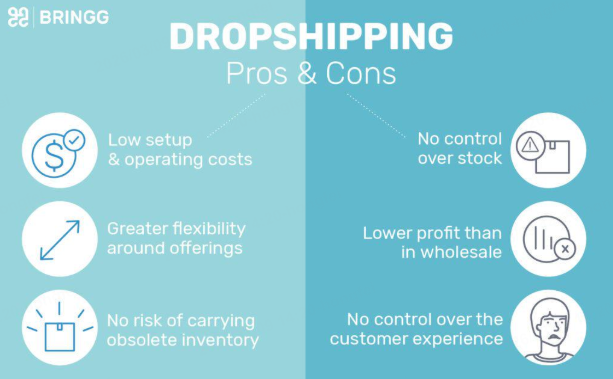
The biggest risk is losing control over the customer experience. If your supplier fails to ship on time or sends a low-quality product, the customer blames your brand, not the supplier, which can lead to high chargeback rates and the permanent closure of your payment gateway or ad accounts.