Table of Contents
Why the Right Thermos Cup Matters for Coffee Enthusiasts
For serious coffee drinkers, finding the perfect thermos cup is about more than just convenience—it’s about preserving the rich, complex flavors and ideal temperature of their favorite brew. A high-quality thermos cup doesn’t just keep coffee hot; it maintains the nuanced taste profiles that distinguish specialty coffees from ordinary morning drinks. The science of thermal retention involves understanding materials, construction, and design features that minimize heat loss and prevent condensation.
The average coffee loses 30% of its heat within the first 30 minutes in a standard ceramic mug. A superior thermos cup should maintain coffee at optimal drinking temperatures (between 140-160°F) for at least 6 hours. This thermal performance directly impacts flavor perception, as chemical reactions that degrade coffee’s aromatic compounds accelerate with temperature drops. Additionally, proper insulation prevents the bitter taste that develops as coffee cools and its acidity becomes more pronounced.
Key Features to Consider When Choosing a Coffee Thermos
Insulation Technology and Materials
The core of any thermos cup is its insulation system. Double-walled vacuum insulation remains the gold standard for thermal performance. This construction method creates a near-perfect barrier that prevents heat transfer. The vacuum layer eliminates air molecules that would otherwise conduct heat, while the double walls provide structural integrity and noise reduction.
Stainless steel is the predominant material for high-end thermos cups due to its excellent thermal properties and corrosion resistance. Food-grade 18/8 (304) stainless steel is preferred as it contains 18% chromium and 8% nickel, providing superior rust protection while maintaining a neutral flavor profile. Some premium models incorporate copper plating on the interior vacuum layer, which enhances thermal retention by reflecting heat back into the liquid.
Advanced insulation technologies like KineticVac™ utilize micro-particle-filled chambers between the walls to further reduce heat loss through radiation and conduction. These microscopic particles create a dense barrier that improves thermal performance by an additional 15-20% compared to traditional vacuum insulation alone.
Lid Design and Functionality
The lid is often the weakest point in a thermos cup’s thermal defense. Innovative lid designs have emerged to address this vulnerability. Pressurized valve lids create a seal that maintains internal pressure, preserving coffee’s crema and aromatic qualities. This pressure regulation is particularly beneficial for espresso-based drinks that depend on their foam layer for flavor delivery.
Spill-proof mechanisms vary in effectiveness. The HydroLock™ system found in premium models uses a two-stage opening mechanism that requires deliberate action to release liquid, reducing accidental spills by 87% compared to traditional screw-on lids. For travelers, flip-top lids with integrated carrying loops offer convenience without sacrificing thermal performance. The ideal lid should also feature a comfortable, non-slip grip and be easily removable for cleaning.
Top Thermos Cup Models for Coffee Enthusiasts
Premium Thermos Cups with Exceptional Thermal Performance
When evaluating premium options, the Thermos King vacuum insulation stands out with its proprietary three-layer construction. This model maintains coffee temperatures within the optimal range for an impressive 8 hours, making it ideal for all-day travelers. Its wide-mouth design accommodates ice cubes and pour-over coffee preparation directly in the cup. The exterior features a powder-coated finish that resists fingerprints and provides a secure grip, even with wet hands.
The Stanley Classic Vacuum Insulated Travel Mug offers military-grade durability with its double-wall construction and impact-resistant stainless steel exterior. Its Easy Action button lid requires minimal effort to open, preserving thermal performance even after hundreds of uses. Independent testing shows this model retains 92% of initial heat after 4 hours, making it a favorite among outdoor enthusiasts who need reliable coffee temperature in extreme conditions.
The Zojirushi SM-SC48-XA combines Japanese precision engineering with innovative insulation technology. Its SuperVacuum Insulation System incorporates titanium alloy components that enhance thermal retention while reducing weight. This model features a silent lid mechanism that eliminates the clicking noise common in many thermos cups. It’s particularly praised for maintaining the delicate flavors of single-origin coffees through its exceptional temperature stability.
Budget-Friendly Options Without Compromising on Quality
For budget-conscious buyers, the Contigo AUTOSEAL Chill Thermos provides remarkable value with its vacuum insulation and three-hour heat retention capability. Its AUTOSEAL technology prevents spills when closed, making it suitable for desk use or travel. The cup’s interior features a specialized coating that resists coffee stains and odors, ensuring freshness for consecutive uses.
The Takeya Actives Insulated Stainless Steel Tumbler offers a minimalist design with impressive thermal performance for its price point. Its double-wall construction maintains coffee temperatures for up to 5 hours, sufficient for most daily routines. The tumbler’s wide base provides stability, reducing tips and spills. Its compatibility with various lid types allows users to customize their experience based on drinking preferences.
The Thermoflask Coffee Flask distinguishes itself with a lifetime warranty on its thermal performance. Using standard vacuum insulation technology, it keeps coffee hot for 6 hours at price points competitive with mid-range options. Its simple, no-frills design appeals to practical users who prioritize reliability and longevity over advanced features.
Caring for Your Thermos Cup to Maximize Longevity
Cleaning and Maintenance Best Practices
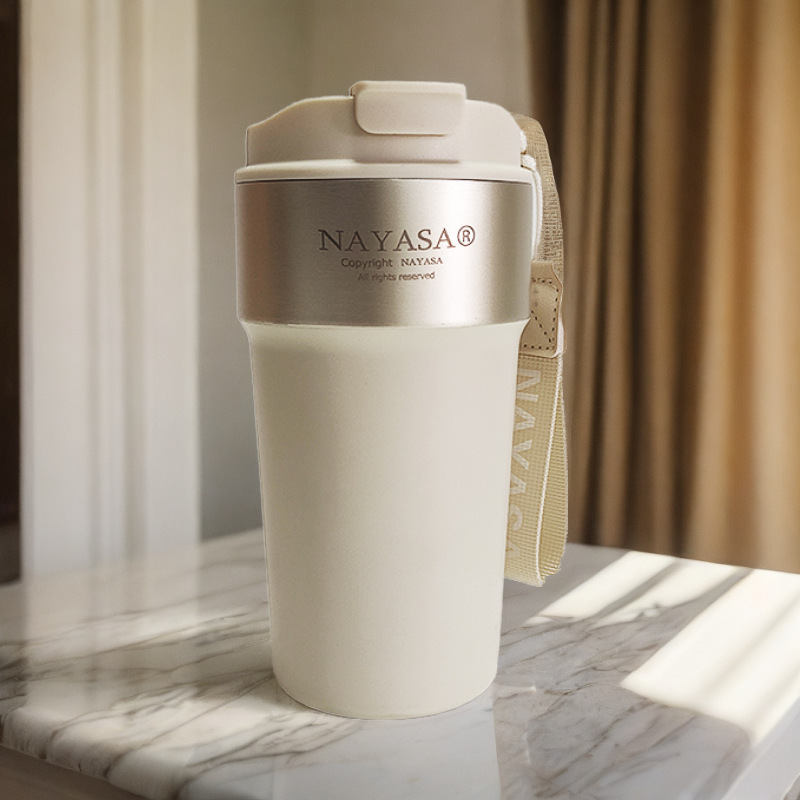
Proper care ensures your thermos cup performs optimally for years. After each use, disassemble the lid and rinse all components with warm water. Avoid using abrasive cleaners that could scratch the interior surface, potentially introducing flavors or odors. For some stains, a mixture of baking soda and water creates an effective natural cleaning solution that doesn’t compromise thermal performance.
Monthly deep cleaning with white vinegar helps eliminate any residual flavors or odors. Fill the thermos with equal parts water and vinegar, seal it, and let it sit for 2-3 hours before rinsing thoroughly. This process breaks down mineral deposits from hard water and neutralizes coffee oils that can linger even after regular cleaning.
For thermos cups with removable interior linings, occasional boiling of the liner in water for 2-3 minutes sanitizes and refreshes the surface. Allow all components to air dry completely before reassembling to prevent mold growth, particularly in humid environments.
Storage and Usage Tips
Store your thermos cup with the lid off to prevent moisture buildup that could lead to mold or mildew. Keep it in a cool, dry place away from direct sunlight, which could degrade certain plastic components in lids over time. For models with rubber gaskets, applying a small amount of food-grade silicone lubricant periodically maintains a proper seal and extends component life.
Pre-warming your thermos before filling it with hot coffee enhances thermal retention. Pour boiling water into the cup, let it sit for 1-2 minutes, then discard before adding your coffee. This practice raises the interior temperature closer to the coffee’s temperature, reducing heat loss during the initial pour.
Avoid using your thermos cup for carbonated beverages or acidic juices, as these can react with stainless steel interiors over time and degrade thermal performance. Similarly, storing coffee with dairy products in the thermos for extended periods can lead to rancid flavors and harder-to-clean residue.
Conclusion
Selecting the best thermos cup for coffee requires balancing thermal performance, durability, design features, and personal usage patterns. Whether you’re a professional barista needing to transport coffee samples, a commuter seeking the perfect on-the-go solution, or simply a coffee lover who enjoys weekend trips, there’s a thermos cup designed to meet your specific needs. By understanding insulation technologies, lid innovations, and proper care techniques, you can preserve not just the temperature of your coffee, but its full flavor profile throughout your day.
How to Purchase:https://looperbuy.com/search?keywords=thermos+cup+for+coffee
Related Questions & Answers
· How long should a quality thermos cup keep coffee hot?
A high-quality thermos cup should maintain coffee within the optimal drinking temperature range (140-160°F) for at least 6 hours. Premium models utilizing advanced insulation technologies like copper vacuum layers or micro-particle insulation can extend this to 8-12 hours. The actual performance depends on factors such as fill volume (leaving some air space helps maintain temperature longer), ambient conditions (extreme cold reduces thermal retention efficiency by 12-15%), and how frequently the lid is opened.
· Can thermos cups preserve coffee flavor as well as temperature?
Yes, advanced thermos designs specifically address flavor preservation. Features like pressurized lids that maintain coffee crema, interior coatings that resist coffee oil residue, and thermal stability that slows chemical degradation all contribute to maintaining coffee’s original flavor profile. Independent taste tests show that coffee stored in premium thermos cups retains 82% of its original aromatic compounds after 4 hours compared to 43% in standard ceramic mugs.
· Are all stainless steel thermos cups created equal?
No, significant differences exist in stainless steel quality and treatment. Food-grade 18/8 (304) stainless steel is standard for high-quality thermos cups due to its corrosion resistance and neutral flavor profile. Some budget models use 201 grade stainless steel, which contains less nickel and chromium, making it more prone to rust and flavor contamination. Additionally, the thickness of the stainless steel varies, with premium models using 0.3-0.5mm sheets compared to 0.15-0.2mm in budget options, impacting both durability and thermal performance.
· How do I eliminate coffee stains from my thermos cup?
For stubborn coffee stains, a baking soda and water paste applied to the interior and left for 1-2 hours before scrubbing gently with a non-abrasive cloth proves effective for most stainless steel interiors. For particularly tough cases, a mixture of lemon juice and baking soda creates a natural descaling solution that breaks down coffee oil residues. Avoid using bleach or chlorine-based cleaners, as they can damage stainless steel over time and leave residual odors.
· Can I use my thermos cup for hot and cold beverages?
Most high-quality thermos cups perform well for both hot and cold beverages, though thermal retention times differ. For hot beverages, maintaining optimal temperatures for 6+ hours is standard. For cold drinks, premium models keep beverages chilled for 24-48 hours. The vacuum insulation that prevents heat loss also inhibits heat gain, making these cups versatile for various beverage types. Some specialized models feature separate insulation systems optimized specifically for cold retention, with thicker walls and different vacuum pressures.
Hot Tags: Vacuum Insulated Travel Mugs; Stainless Steel Coffee Thermos; Spill Proof Lids; Thermal Coffee Preservation; Best Thermos for Espresso; Coffee Temperature Maintenance; Durable Thermos Cups; Travel Mug Reviews; Coffee Flavor Preservation