Table of Contents
Introduction
Folding tables are a versatile and practical furniture choice for various settings, from home use to events and parties. They offer convenience due to their portability and space-saving design. However, if you’ve never opened one before, the process might seem a bit daunting. This comprehensive guide will walk you through everything you need to know about opening folding tables.
Understanding Folding Table Mechanisms
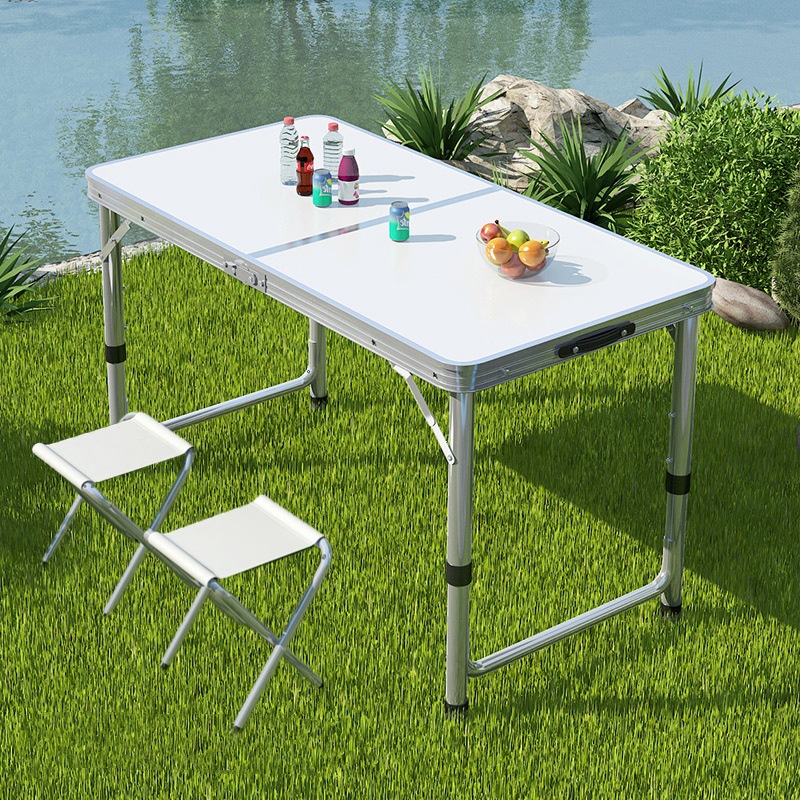
Folding tables come with different types of mechanisms that allow them to be folded and unfolded. Common mechanisms include manual locking, automatic locking with leg extension, and automatic locking upon opening. Each mechanism operates differently, so it’s essential to familiarize yourself with the type your table has.
Manual Locking Mechanism
Some tables have a switch that needs to be moved into the lock position to secure the table. To unlock, simply move the switch into the unlocked position. This type of mechanism provides a secure hold but requires manual operation to engage and disengage the lock.
Automatic Locking with Leg Extension
In this mechanism, extending the legs automatically engages the locking feature. To collapse the table, fold the legs back in. This mechanism offers convenience as the lock is activated simply by extending the legs.
Automatic Locking upon Opening
When you open these tables completely, an automatic lock engages to keep it stable. To fold up the table, push the lock and slide one side inward while holding it. This mechanism ensures the table remains securely open during use without the need for manual locking.
Step-by-Step Guide to Opening a Folding Table
Locating the Release Levers
Start by locating the release levers on the underside of the table. These levers are essential for unlocking the table from its folded position. They are typically found near the hinges or at the center of the table.
Unfolding the Table
Place the table on its side and use the molded hand slots at the ends of the table to pull it open. Apply some force if needed, as the table is designed to stay securely closed when not in use. As you open the table, you will hear an audible sound as it unlocks.
Securing the Legs
Once the table is unfolded, unfold the table legs. Each pair of legs usually operates on a single rod. Hold the table upright with one hand and pull each leg pair into the open position. Ensure that the steel rings or locking pins slide into place, indicating that the legs are locked and secure.
Locking the Table into Position
Depending on the model, your folding table may have different locking mechanisms. For tables with a manual locking switch, move the lock tab into the lock position. For self-locking tables, the center bar’s unique fixed position will automatically lock the pin as you open the legs, keeping the table open without additional action needed.
Different Models and Their Variations
Rectangular and Round Tables
The process for opening rectangular and round folding tables is similar. Both types feature the fold-in-half design and require locating the release levers and securing the legs. The main difference lies in the shape of the tabletop, which may affect how you position and handle the table during setup.
Banquet Tables
Banquet tables are designed to accommodate more people and are often used for events and parties. They come in various lengths such as 4-foot, 6-foot, and 8-foot. The opening mechanism is consistent with other folding tables, but the larger size may require slightly more effort when unfolding and securing the legs.
Tips for Smooth Operation
Applying Gentle Pressure
If you find the table difficult to open, apply gentle but firm pressure at the hinge points. The durable design ensures that it will unlock without causing damage to the table.
Ensuring Proper Locking
Always check that the safety rings and locking mechanisms are properly engaged before using the table. This ensures stability and prevents the table from accidentally folding during use.
Using the Carrying Handles Effectively
When transporting the table, use the carrying handles to maintain a secure grip. This prevents the table from shifting unexpectedly and makes it easier to maneuver, especially over longer distances.
Maintenance and Cleaning of Folding Tables
Regular Cleaning
After each use, clean the tabletop with a damp cloth or paper towel to remove any stains or spills. For more thorough cleaning, use mild soap and water, avoiding abrasive cleaners that could damage the surface.
Storing the Table
When not in use, fold the table and store it in a dry place such as a garage, closet, or under a bed. This protects the table from dust, moisture, and potential damage, extending its lifespan.
Inspecting for Wear and Tear
Periodically inspect the table for any signs of wear and tear, such as loose legs or damaged hinges. Addressing these issues promptly can prevent further damage and ensure the table remains functional and safe to use.
Troubleshooting Common Issues
Difficulty in Folding or Unfolding
If you experience difficulty in folding or unfolding the table, check that the release levers are fully engaged and that there are no obstructions hindering the movement. Applying a small amount of lubricant to the hinges can also help if they become stiff over time.
Wobbling or Instability
If the table feels unstable or wobbly after opening, ensure that all legs are fully extended and locked into position. Check that the steel rings or locking pins are properly aligned and secured. If the issue persists, it may be necessary to tighten the leg screws or contact customer support for further assistance.
Table Not Locking Properly
If the table does not lock properly into the open position, verify that the locking mechanisms are clean and free of debris. For tables with a manual locking switch, ensure the switch is pushed securely into the lock position. For self-locking tables, confirm that the center bar is in the correct fixed position to engage the automatic locking system.
Conclusion
Opening a folding table is a straightforward process that becomes easier with practice. By familiarizing yourself with your table’s features, following the step-by-step guide, and adhering to maintenance tips, you can ensure your table remains a reliable and convenient solution for various occasions. Proper care will help your folding table provide years of service, offering a durable and practical surface for events and household needs.
How to Purchase:https://looperbuy.com/search?keywords=how+to+open+folding+table
Related Questions and Answers
Q: What should I do if the table is difficult to open?
A: If you find the table difficult to open, start by checking that the release levers are fully engaged. Apply gentle but firm pressure at the hinge points. The durable design ensures that it will unlock without causing damage to the table. If the hinges have become stiff over time, applying a small amount of lubricant can also help.
Q: How do I ensure the table is stable after opening?
A: After unfolding the table and securing the legs, always check that the safety rings or locking pins are properly engaged. This ensures stability and prevents the table from accidentally folding during use. If the table still feels unstable, ensure all legs are fully extended and locked into position.
Q: Can I adjust the height of a folding table?
A: Many folding tables come with adjustable leg heights to accommodate different preferences or surface levels. Follow the manufacturer’s instructions to adjust the height accordingly. However, some models may not have adjustable legs, so it’s important to check your specific table’s features.
Q: How should I store my folding table to prolong its lifespan?
A: When not in use, fold the table and store it in a dry place such as a garage, closet, or under a bed. This protects the table from dust, moisture, and potential damage. Avoid storing it in areas with extreme temperatures or high humidity, as this can affect the table’s materials and mechanisms.
Q: What can I do if the table’s locking mechanism is not working properly?
A: If the table’s locking mechanism is not working properly, start by checking if there is any debris or dirt hindering its operation. Clean the mechanism and ensure all parts are aligned correctly. For tables with a manual locking switch, make sure the switch is pushed securely into the lock position. If the issue persists, it may be necessary to contact customer support for further assistance or replacement parts.
Hot Tags: How to Open Folding Table; Folding Table Opening Instructions; Folding Table Maintenance Tips; Folding Table Variations; Folding Table Storage; Folding Table Stability Issues; Folding Table Locking Mechanism; Folding Table Cleaning Guide; Folding Table Transport Tips; Folding Table Setup Guide