Table of Contents
Introduction to Alpaca Wool Scarves
Alpaca wool scarves have emerged as a symbol of sustainable luxury, prized for their unparalleled softness, thermal efficiency, and eco-friendly production. Originating from the Andes Mountains, alpaca fibers are naturally hypoallergenic, lightweight, and biodegradable, making them a favorite among eco-conscious consumers and high-end fashion brands. This guide explores the unique qualities of alpaca wool, strategies for sourcing ethical suppliers, and trends shaping the future of this niche market.
Why Choose Alpaca Wool?
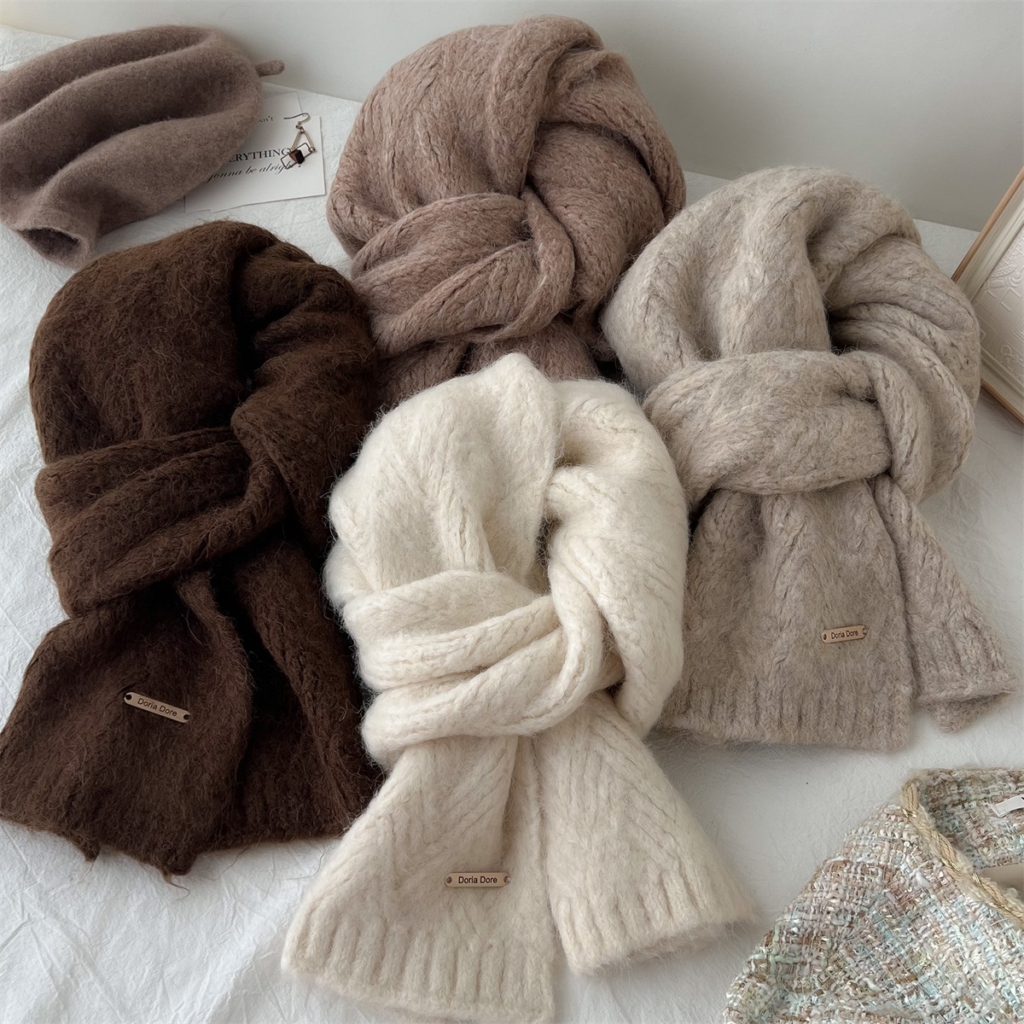
Natural Benefits of Alpaca Fiber
- Thermal Regulation: Alpaca fibers contain microscopic air pockets that trap heat, providing warmth without bulk. Unlike sheep’s wool, alpaca wool wicks moisture, keeping the wearer dry in cold climates.
- Hypoallergenic Properties: The absence of lanolin (a common allergen in sheep’s wool) makes alpaca scarves suitable for sensitive skin.
- Durability: Alpaca fibers are stronger than cashmere and resist pilling, ensuring scarves retain their appearance over time.
Sustainability and Ethics
- Low Environmental Impact: Alpacas graze gently on Andean grasslands, minimizing soil erosion. Their padded feet are less damaging than hooved livestock.
- Ethical Farming: Ethical cooperatives in Peru and Bolivia prioritize humane shearing practices, fair wages, and community development.
Sourcing Ethical Alpaca Wool Scarves
Identifying Reliable Suppliers
- Certifications: Look for suppliers certified by the Responsible Alpaca Standard (RAS) or Fair Trade, which ensure humane animal treatment and fair labor practices.
- Transparency: Ethical suppliers provide traceability reports detailing the wool’s origin, processing methods, and carbon footprint.
Key Sourcing Channels
- Andean Cooperatives: Direct partnerships with cooperatives in Peru or Bolivia guarantee authentic, handwoven scarves. For example, Centro Textiles in Cusco works with indigenous artisans using traditional techniques.
- Global B2B Platforms: While platforms like 1688.com offer bulk pricing for alpaca-blend scarves, prioritize suppliers with RAS certifications to avoid counterfeit fibers.
- Luxury Fashion Brands: Brands like Prada and Stella McCartney collaborate with certified farms to create high-end alpaca collections.
Challenges in Alpaca Wool Sourcing
Quality Inconsistencies
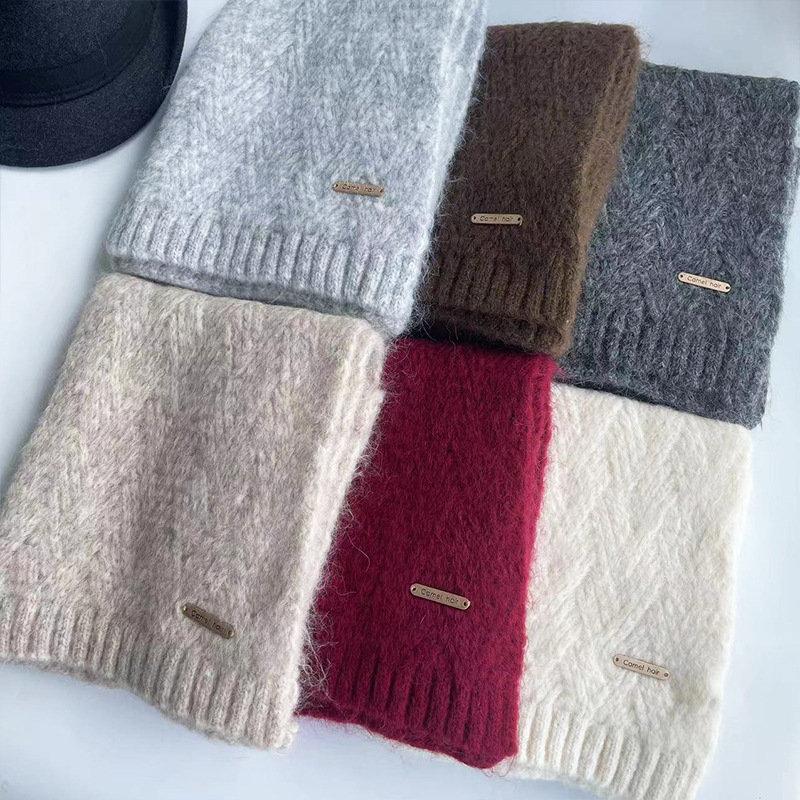
- Blended Fibers: Some suppliers mix alpaca with cheaper materials like acrylic. Solution: Request fiber composition reports and third-party lab tests.
- Dyeing Practices: Low-cost suppliers may use toxic dyes. Opt for scarves colored with natural, plant-based dyes like cochineal or indigo.
Ethical Concerns
- Exploitative Labor: Uncertified farms may underpay artisans. Mitigate by partnering with Fair Trade-certified cooperatives.
- Greenwashing: Brands may falsely claim sustainability. Verify certifications through platforms like Textile Exchange.
Logistics and Costs
- High Tariffs: Import duties on luxury textiles can exceed 20%. Mitigate by sourcing from countries with free trade agreements (e.g., Peru-EU FTA).
- Shipping Delays: Handmade scarves require longer production times. Plan orders 4–6 months in advance during peak seasons.
Future Trends in Alpaca Wool Scarves
Technological Innovations
- Blockchain Traceability: Brands like Kuna use blockchain to track wool from farm to consumer, ensuring authenticity and ethical compliance.
- 3D Knitting: Automated machines create seamless, zero-waste scarves, reducing material waste by up to 30%.
Sustainable Fashion Movements
- Circular Economy: Brands offer take-back programs to recycle old scarves into new products.
- Carbon-Neutral Production: Farms are adopting solar energy and reforestation initiatives to offset emissions.
Customization and Personalization
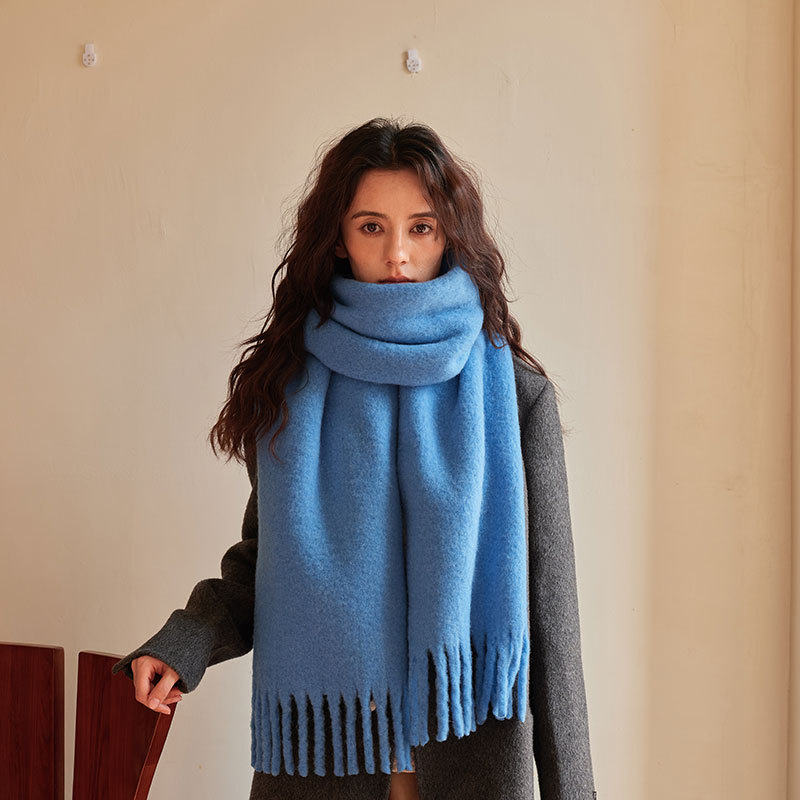
- Made-to-Order Scarves: Platforms like Etsy allow buyers to customize patterns, colors, and lengths.
- Monogramming: Luxury brands add embroidered initials or symbols for a bespoke touch.
Conclusion
Alpaca wool scarves represent a harmonious blend of luxury, sustainability, and cultural heritage. By prioritizing certified suppliers, transparent supply chains, and innovative production methods, businesses can cater to discerning consumers while supporting ethical practices. The future of alpaca wool lies in leveraging technology for traceability and embracing circular fashion principles, ensuring this ancient craft thrives in a modern, eco-conscious world.
How to Purchase:https://looperbuy.com/search?keywords=alpaca+wool+scarf
Related Questions & Answers
· How can I verify the authenticity of alpaca wool?
Request a fiber composition report or third-party lab test. Genuine alpaca fibers are smoother and warmer than imitations like acrylic blends.
· What certifications ensure ethical alpaca wool sourcing?
Look for the Responsible Alpaca Standard (RAS) or Fair Trade Certification, which guarantee humane animal treatment and fair wages for artisans.
· Are alpaca wool scarves machine-washable?
Handwashing in cold water with mild detergent is recommended to preserve fiber integrity. Avoid wringing; lay flat to dry.
· Why are alpaca scarves more expensive than sheep’s wool?
Alpaca wool is rarer, requires hand-shearing, and involves labor-intensive artisan techniques. Ethical certifications also add to costs.
· Can alpaca wool scarves cause allergies?
Alpaca fibers are lanolin-free and hypoallergenic, making them safe for most allergy sufferers. Always check for blends with irritants like mohair.
Hot Tags: Alpaca Wool Scarves; Ethical Fashion Sourcing; Sustainable Textile Certification; Handmade Knitwear; Luxury Winter Accessories; Fair Trade Alpaca; Eco-Friendly Dyeing; Blockchain Fashion Traceability; Customizable Scarves.