Table of Contents
Introduction to China’s Computer Keyboard Industry
China is the global leader in computer keyboard manufacturing, producing over 80% of the world’s keyboards, from budget-friendly membrane models to high-end mechanical and gaming peripherals. Leveraging advanced manufacturing infrastructure, cost efficiency, and rapid prototyping capabilities, Chinese suppliers cater to global brands, startups, and DIY enthusiasts. This guide explores how to navigate China’s keyboard ecosystem, covering supplier selection, quality assurance, logistics, and emerging trends in 2024.
Types of Keyboards Produced in China
Mechanical Keyboards
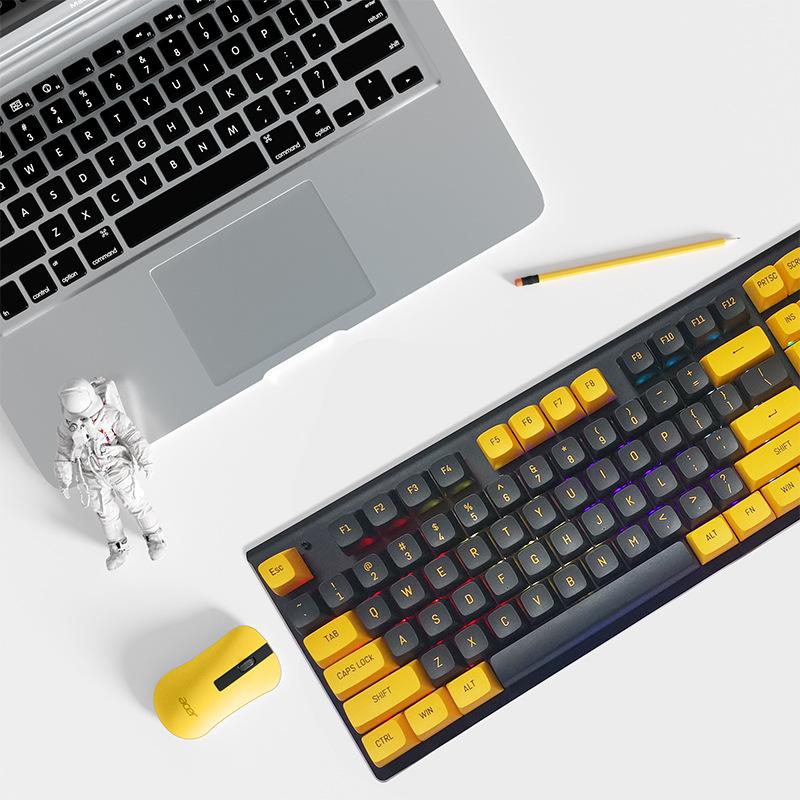
- Switch Varieties: Suppliers produce keyboards with Cherry MX clones (e.g., Gateron, Kailh) and custom switches for tactile, linear, or clicky feedback.
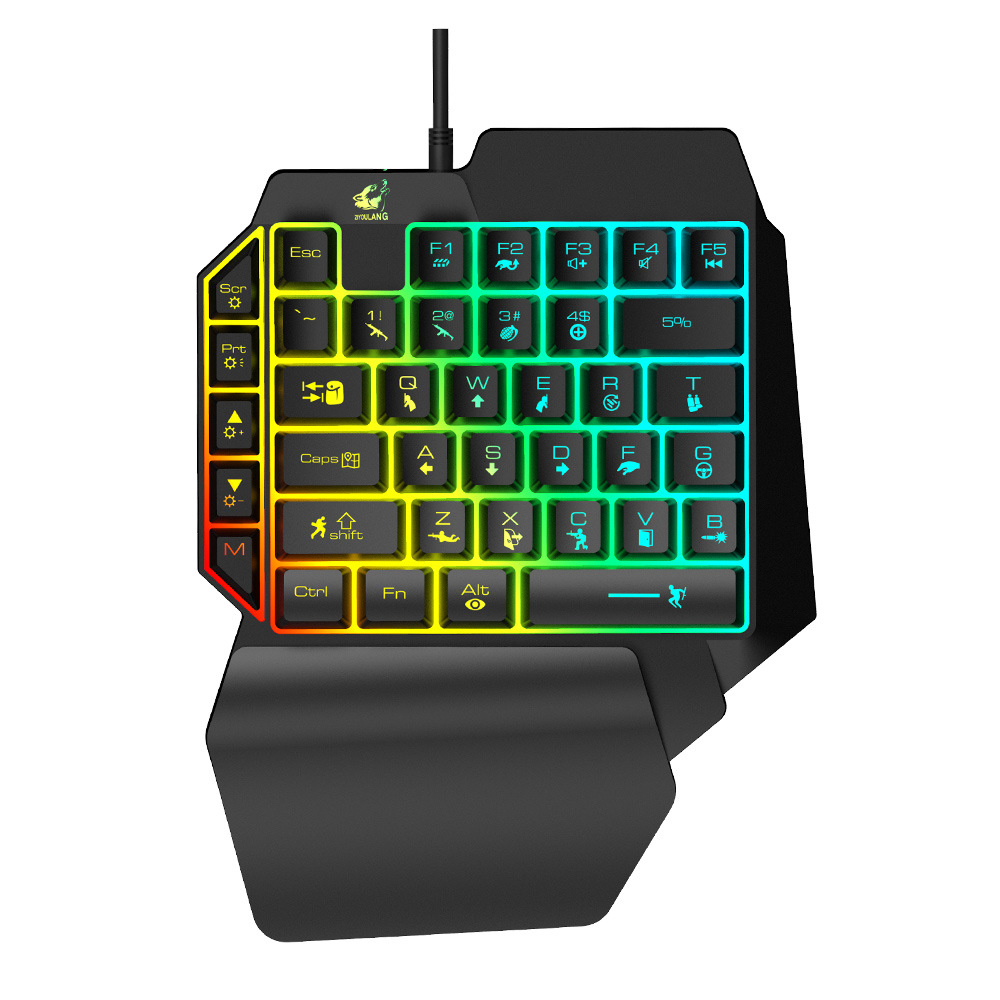
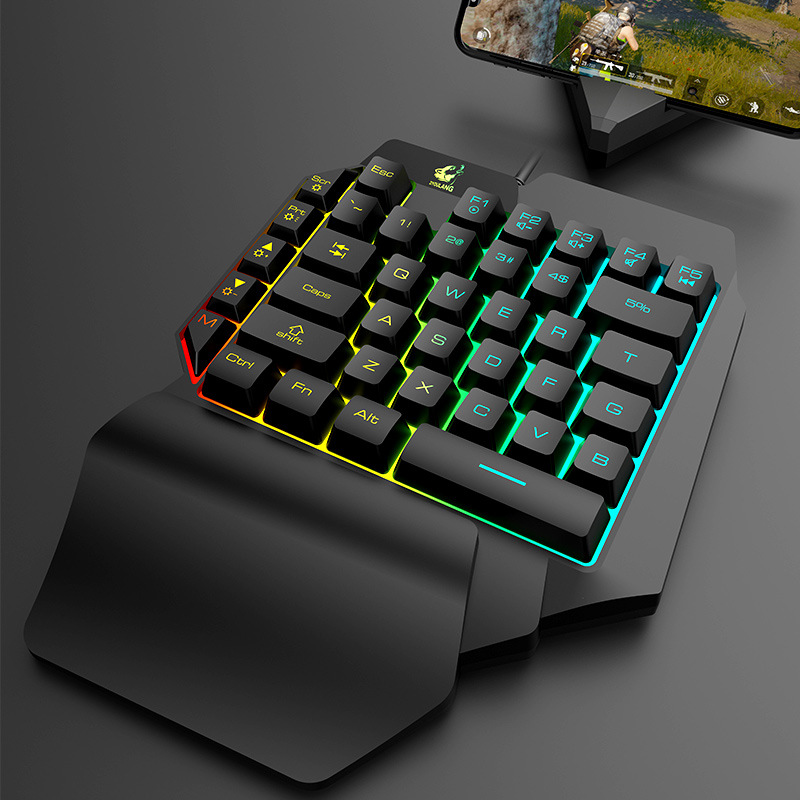
- Customization: RGB backlighting, hot-swappable switches, and programmable macro keys are popular among gamers and professionals.
Membrane and Scissor-Switch Keyboards
- Cost-Effective Solutions: Ideal for office use, these keyboards prioritize durability and silent operation.
- Thin Designs: Scissor-switch keyboards are common in compact laptops and ultra-slim peripherals.
Wireless and Bluetooth Keyboards
- Energy Efficiency: Low-power Bluetooth 5.0/5.1 modules extend battery life.
- Multi-Device Pairing: Keyboards compatible with Windows, macOS, iOS, and Android devices.
Specialized Keyboards
- Ergonomic Designs: Split keyboards and vertical models reduce wrist strain.
- Industrial Keyboards: Waterproof, dust-resistant keyboards for harsh environments.
Strategies for Sourcing Reliable Suppliers
Supplier Verification
- Certifications: Prioritize suppliers with ISO 9001 (quality management), ISO 14001 (environmental compliance), and RoHS (hazardous substance restrictions).
- Factory Audits: Conduct onsite inspections to evaluate production lines, testing equipment, and working conditions. Third-party agencies like QIMA or SGS provide detailed audit reports.
- Sample Testing: Request keyboard samples to assess switch consistency, keycap durability, and software functionality.
Cost Optimization
- Bulk Order Discounts: Negotiate tiered pricing for orders exceeding 1,000 units. For example, per-unit costs for membrane keyboards may drop by 15–20% for 5,000+ units.
- Material Selection: Opt for ABS or PBT keycaps instead of premium materials like metal alloys for budget-friendly models.
Logistics and Compliance
- Tariff Management: Utilize bonded warehouses in China to defer import duties until products are sold.
- DDP Shipping: Choose Delivered Duty Paid terms to streamline customs clearance in destination markets.
- Regulatory Compliance: Ensure keyboards meet FCC (U.S.), CE (EU), and KC (South Korea) certifications for electromagnetic compatibility (EMC) and safety.
Quality Control Challenges and Solutions
Common Quality Issues
- Key Chatter: Unintended repeated keystrokes due to faulty switches.
- Backlight Inconsistencies: Uneven RGB lighting or dead LEDs.
- Software Bugs: Programmable macros or driver compatibility issues.
Mitigation Strategies
- Pre-Shipment Inspections: Third-party inspectors test 10–20% of units for functionality, durability, and packaging accuracy.
- Warranty Agreements: Include clauses for free replacements or repairs for defects detected within 6–12 months.
Future Trends in Keyboard Manufacturing
Technological Innovations
- Optical Switches: Light-based actuation for faster response times and longer lifespans (e.g., Razer Optical Switches).
- AI-Enhanced Typing: Keyboards with predictive text algorithms or adaptive backlighting based on usage patterns.
Sustainability Initiatives
- Recycled Materials: Keycaps made from post-consumer plastics or biodegradable resins.
- Modular Designs: Easily repairable keyboards to reduce e-waste.
Market Expansion
- Emerging Markets: Demand for budget gaming keyboards in Southeast Asia and Africa.
- Custom-Built Keyboards: Platforms offering DIY kits for enthusiasts to assemble personalized peripherals.
Conclusion
China’s computer keyboard industry combines innovation, affordability, and scalability, making it indispensable for global businesses. By partnering with certified suppliers, implementing rigorous quality control, and embracing trends like optical switches and sustainable materials, brands can capitalize on this dynamic market. Future success will hinge on balancing cost efficiency with technological advancement and environmental responsibility.
How to Purchase:https://looperbuy.com/search?keywords=chinese+computer+keyboard
Related Questions & Answers
· How can I verify the quality of a Chinese keyboard supplier?
Request factory audit reports, product samples, and certifications like ISO 9001. Use third-party inspection services to test functionality and durability.
· What certifications are essential for importing keyboards?
Ensure compliance with FCC (U.S.), CE (EU), and RoHS certifications. Wireless keyboards may require Bluetooth SIG certification.
· How do I avoid customs delays when importing keyboards?
Opt for DDP shipping terms, provide accurate HS codes (e.g., 8471.60.90 for USB keyboards), and ensure proper labeling.
· Are there eco-friendly keyboard options from China?
Yes. Look for suppliers using recycled plastics, biodegradable packaging, or modular designs for easy repairs.
· What are the MOQs for custom keyboard designs?
MOQs typically start at 500–1,000 units for custom keycaps or layouts. Suppliers may offer lower MOQs for standardized designs.
Hot Tags: Mechanical Keyboard Suppliers; Custom Keycap Manufacturing; Wireless Keyboard OEM; Ergonomic Keyboard Design; Gaming Peripheral Trends; RoHS Compliance Certification; DDP Shipping Solutions; Sustainable Tech Accessories; Bluetooth Keyboard Suppliers.