The role of an MCN company has evolved far beyond content creation and influencer management. In 2026, leading MCN companies are becoming full-stack supply chain partners, integrating sourcing, fulfillment, and logistics into a single operational layer for global brands. This shift matters because the sourcing landscape itself has become more complex: 87% of e-commerce businesses expect to change their primary manufacturing locations within three years, and 58% of Chinese supply chain executives are actively diversifying their supplier base. For foreign brand owners, wholesalers, and manufacturers, the MCN company model now offers a practical alternative to fragmented sourcing workflows.

This guide examines how the MCN company is redefining B2B procurement, why China remains the center of global sourcing, and how platforms like LooperBuy are enabling one-stop access to Chinese products with integrated global logistics.
Table of Contents
Why the MCN Company Model Is Transforming B2B Sourcing
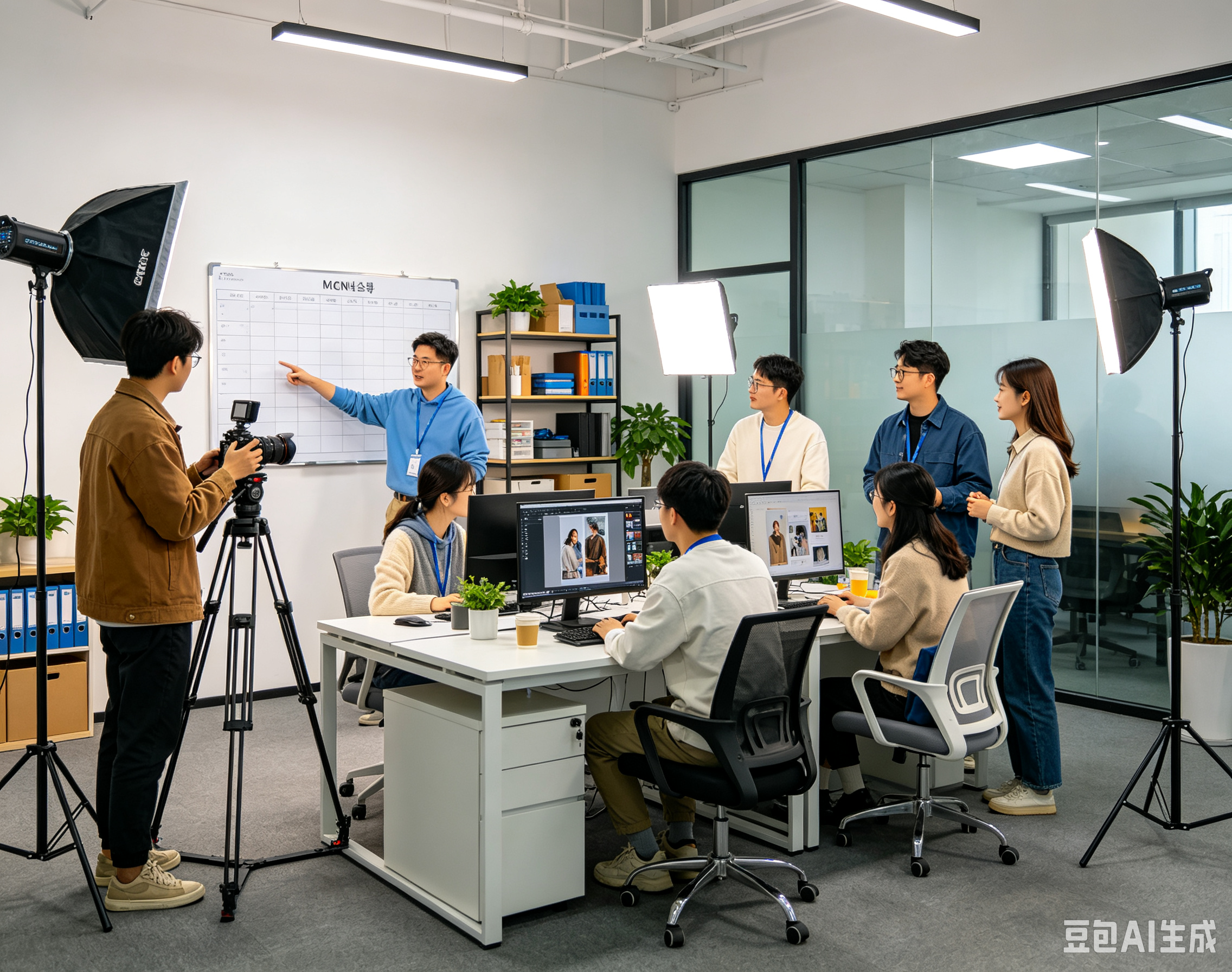
The traditional MCN company focused on talent representation and content monetization. That model has fundamentally changed. According to the 2025 China MCN Development Report, MCN institutions are no longer satisfied with being content intermediaries. They are moving into supply chain integration, e-commerce hosting, and logistics coordination to support brands going global. The MCN company is now a full-link service provider that connects product discovery, supplier vetting, and cross-border fulfillment.
This transformation is driven by three forces. First, global brands demand speed and reliability from their sourcing partners. Second, tariff volatility and geopolitical disruption have made single-source supply chains untenable, pushing buyers toward diversified, multi-hub sourcing networks. Third, AI-powered trade intelligence is lowering the barrier to cross-border procurement, enabling MCN companies to offer data-driven sourcing decisions at scale.
For foreign brand owners and wholesalers, the practical benefit is clear: working with an MCN company that has integrated sourcing capabilities means fewer intermediaries, faster supplier matching, and a single point of accountability for order execution.
China’s Enduring Role in Global B2B Sourcing
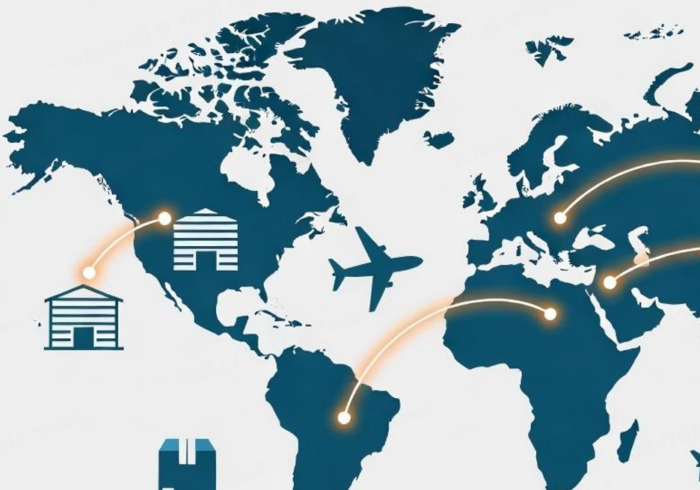
Despite diversification trends, China remains the world’s manufacturing powerhouse, producing over 28% of global goods. The country has moved up the value chain, and foreign companies continue to source from China for more technically complex products and to create competitive advantages by integrating Chinese suppliers into their global supply chains.
What has changed is the sourcing model. Buyers are no longer limited to simple manufacturer-direct purchases. The options now include:
- Buying directly from a local manufacturer with full responsibility for quality control and logistics
- Working through an intermediate agent who manages supplier relationships and order execution
- Establishing a strategic partnership with a local manufacturer for long-term capacity commitments
For most foreign brands operating without a legal presence in China, the intermediate agent model offers the best balance of risk control and operational efficiency. This is where an MCN company with sourcing infrastructure adds the most value. It provides local presence, supplier verification, and operational control without requiring the buyer to establish a Chinese entity.
What Makes a B2B Sourcing Platform Reliable
Not all sourcing platforms are built the same. The market segments into three categories: marketplace sourcing tools that emphasize supplier discovery, store-side wholesale apps that manage pricing tiers, and combined sourcing-and-fulfillment systems that handle procurement and logistics in one workflow.
For brands that need to reduce inventory exposure rather than maximize catalog control, sourcing-fulfillment platforms are the most efficient choice. These platforms combine factory access, storage, shipping support, and order execution in one coordinated flow. LooperBuy is designed precisely for this model. It connects global buyers directly to Chinese suppliers across a wide product range, handles payment and logistics coordination, and ships to 40+ countries.
The key differentiator is supplier verification. On Alibaba, verified supplier badges involve independent on-site inspections by firms like SGS, TÜV Rheinland, and Intertek, offering a stronger baseline than self-reported Gold Supplier status alone. A reliable B2B sourcing platform should integrate this level of verification into its supplier vetting workflow. LooperBuy’s supplier criteria framework, for example, applies a five-criteria vetting process for production partner models, which is particularly relevant for Etsy sellers and DTC brands sourcing from China.
How LooperBuy Solves the Three Biggest Sourcing Pain Points
Foreign brands sourcing from China face three recurring obstacles: supplier trust, payment friction, and logistics complexity. LooperBuy addresses each.
Supplier Trust. LooperBuy provides access to 1688.com’s catalog of over 10 million products through a curated supplier network. Buyers can source from verified manufacturers without navigating the language barrier or the verification burden alone.
Payment Friction. The platform integrates with payment partners to allow direct payment from a buyer’s account balance to LooperBuy, eliminating the need for wire transfers to unfamiliar Chinese suppliers. This reduces fraud risk and speeds up order processing.
Logistics Complexity. LooperBuy handles consolidation, shipping, and delivery to 40+ countries, with logistics pricing that is competitive for cross-border B2B volumes. For brands managing multiple product categories, this means one logistics provider instead of ten.
Visual Placement Suggestion
Insert a process flow diagram after this section showing the end-to-end LooperBuy workflow: Product Discovery → Supplier Verification → Order Placement → Quality Inspection → Consolidated Shipping → Delivery. This visual will improve scannability and help readers understand the operational chain at a glance.
2026 Sourcing Trends Every B2B Buyer Should Track
Three developments are reshaping how foreign brands approach China sourcing.
Supplier diversification is accelerating. More than half of Chinese supply chain executives plan to increase the number of suppliers in 2026, prioritizing diversification over cost reduction alone. For foreign buyers, this means the supplier landscape is becoming more fragmented but also more competitive, which favors platforms that can aggregate and vet suppliers efficiently.
AI is becoming the dominant sourcing tool. At the 2026 Nantong sourcing fair, artificial intelligence was the dominant theme across the exhibition floor, with platforms introducing AI agents for trade intelligence and sourcing automation. Buyers can now use AI to screen suppliers, estimate landed costs, and predict lead times before committing to orders.
Compliance is shifting from a bonus to a baseline. Product certifications, patents, and import/export licenses are no longer optional. As one cross-border trade analysis noted, compliance requirements are becoming an entry ticket rather than a competitive advantage. A reliable sourcing partner must verify supplier compliance documentation as part of the onboarding process.
A Practical Comparison of Sourcing Models
Use this framework to choose the right model for your business:
If your primary need is product discovery and price comparison across many suppliers, start with a marketplace sourcing tool. If you already have wholesale customers and need pricing control within your existing storefront, a store-side wholesale app is sufficient. If you want to reduce upfront inventory commitments and avoid managing procurement, warehousing, and logistics as separate operational tasks, a combined sourcing-fulfillment platform like LooperBuy is the most efficient choice.
Practical Steps for Your First China Sourcing Order
If you are a foreign brand owner or wholesaler preparing your first order through a B2B sourcing platform, follow these five steps:
- Define your specifications precisely. Include material requirements, dimensions, certifications, and packaging standards in your request. Suppliers respond better to detailed briefs, and ambiguous requests lead to sample mismatches.
- Request samples before committing to bulk orders. A high-quality sample does not guarantee mass production quality, but it is the minimum due diligence step. Budget for sample shipping costs and evaluate not just the product but the supplier’s communication responsiveness.
- Verify the supplier’s legal identity. Confirm the exact Chinese legal name, Unified Social Credit Code, and current registration status on official government databases before sending any deposit.
- Start with a trial order. Avoid full upfront payments. Use trade assurance or escrow services until trust is established. A trial order of 500 to 5,000 units is typical for most factories.
- Consolidate shipments. Combine orders from multiple suppliers to reduce total shipping costs. Using a single logistics coordinator like LooperBuy simplifies this process and reduces the risk of lost or delayed shipments.
Why Foreign Brands Choose LooperBuy for China Sourcing
LooperBuy is a one-stop B2B sourcing platform designed for global brand owners, wholesalers, and manufacturers who want direct access to Chinese products without the operational overhead of managing multiple suppliers and logistics providers.
The platform’s core advantages are straightforward:
- Global direct sourcing from a broad product catalog spanning consumer goods, apparel, beauty, home products, and more
- Integrated logistics with competitive pricing for cross-border B2B shipments to 40+ countries
- Supplier verification through a structured vetting process that prioritizes reliability over lowest price
- Payment efficiency with direct account balance payment to LooperBuy, reducing transfer friction and fraud risk
For brands that value reliability over the cheapest possible unit price, this model provides the operational stability needed to scale. As one sourcing expert put it, the key to successful China sourcing is not finding the cheapest supplier but finding a reliable partner who understands your quality standards and can scale with your business.
Frequently Asked Questions
What is an MCN company in the context of B2B sourcing?
An MCN company in B2B sourcing is a multi-channel network that has expanded beyond content and influencer management into supply chain integration, supplier vetting, and cross-border fulfillment. It acts as a full-link service partner that connects product discovery with operational execution for global brands.
Why should a foreign brand use a B2B sourcing platform instead of contacting Chinese suppliers directly?
A B2B sourcing platform provides supplier verification, payment facilitation, quality inspection coordination, and logistics consolidation that would otherwise require a local presence in China. It reduces fraud risk, saves time on supplier vetting, and provides a single point of accountability for order execution.
How does LooperBuy verify Chinese suppliers?
LooperBuy applies a structured supplier vetting framework that includes business license verification, production capability assessment, and compliance documentation review. The platform prioritizes verified suppliers with export experience and consistent quality standards.
What are the typical costs and timelines for a first China sourcing order?
Sampling and negotiation typically take two to six weeks before order placement. Most factories require a 30% deposit and minimum order quantities ranging from 500 to 5,000 units. Shipping consolidation and logistics costs vary by destination and product category.
Can LooperBuy handle orders across multiple product categories?
Yes. LooperBuy supports sourcing across a wide range of product categories, allowing buyers to consolidate orders from multiple suppliers into a single shipment. This is particularly valuable for brands that need to maintain a diverse product portfolio without multiplying logistics providers.
What is the biggest risk in China sourcing, and how can it be mitigated?
The biggest risk is paying a deposit to a supplier who is not a legitimate manufacturer. Mitigation steps include verifying the supplier’s business license, confirming registration status on official databases, requesting samples, and using escrow or trade assurance payment methods until trust is established.
References
- Exertis Supply Chain. “How to Source Products from China: The Complete Business Guide (2026).” https://www.exertissupplychain.com/news/how-to-source-products-from-china/
- Trade Commissioner of Canada. “Sourcing Road Map.” https://www.tradecommissioner.gc.ca/en/market-industry-info/search-country-region/country/canada-china-export/sourcing-road-map.html
- Retail Technology Innovation Hub. “Global e-commerce brands restructure supply chains to boost efficiency in 2026.” https://retailtechinnovationhub.com/home/2026/5/10/global-ecommerce-brands-restructure-supply-chains-to-boost-efficiency-in-2026
- 365Dropship. “LooperBuy B2B Wholesale App Guide Compares Six Platforms.” https://www.365dropship.com/blog/looperbuy-wholesale-app-comparison-sourcing-marketplaces
- Why.com.cn. “2025 China MCN Development Report.” http://www.why.com.cn/wx/article/2025/06/05/17491256661173597025.html
- DP World. “Chinese Companies Prioritise Supply Chain Resilience, AI and New Markets for Growth.” https://www.dpworld.com
- WorldFirst. “Exporting from China: A Supplier Verification Guide for South Asian Businesses.” https://www.worldfirst.com
- Alibaba. “Strategic Sourcing for Magento Retailers.” https://www.alibaba.com
- Nantong Government. “Nantong sourcing fair expands reach as AI takes hold in cross-border trade.” https://en.nantong.gov.cn
- Sohu. “2026 Cross-border E-commerce Fair: Overseas Buyer Sourcing Logic Has Changed.” https://www.sohu.com
- QCC KYC. “China Supplier Due Diligence: How to Verify a Supplier Before Sending a Deposit.” https://www.qcckyc.com
Hot Tags
mcn company, B2B sourcing platform, China sourcing for global brands, LooperBuy B2B wholesale, one-stop sourcing China, global B2B procurement, supplier verification China, cross-border trade platform, wholesale sourcing China, B2B ecommerce sourcing 2026