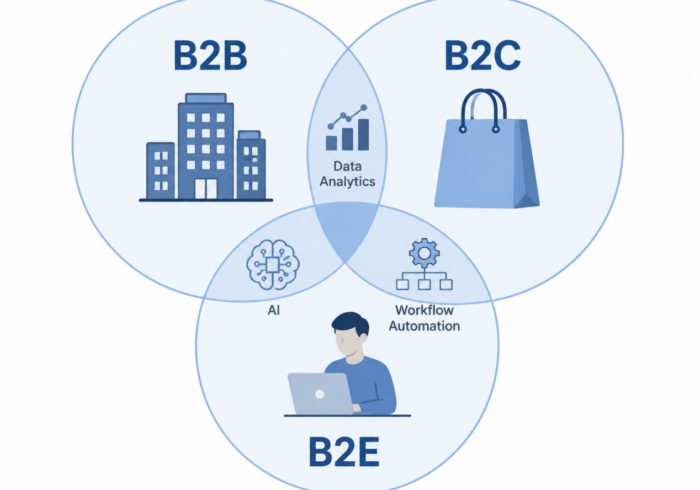
A creative engine is not a tool. It is the operational infrastructure that turns brand vision into shipped product without the friction of fragmented sourcing. For foreign brands, wholesalers, and manufacturers, the real creative engine is not a design suite or a prompt library. It is the platform that connects product discovery, procurement, storage, and global logistics into one coherent system. LooperBuy exists because that engine should not require a dozen intermediaries to run.

Table of Contents
What a Creative Engine Actually Means in B2B Sourcing
The term creative engine has been applied to content generation systems, template automation tools, and AI-driven design platforms. But in the context of global sourcing, the definition shifts. A creative engine is the mechanism that lets a brand operator move from concept to customer delivery without losing control of cost, quality, or timeline.
For brands sourcing from China, the creative engine is the sourcing platform itself. It must handle supplier discovery, order execution, inventory management, and cross-border fulfillment. The creative part is not the visual output. It is the elimination of operational chaos.
The Problem with Fragmented Sourcing Infrastructure
Most B2B buyers still operate with a fractured stack. They find suppliers on one marketplace, negotiate via email, arrange inspections through a third party, coordinate freight with a forwarder, and manage inventory in a separate system. Each handoff introduces delay and risk.
The B2B eCommerce platform market is responding to this fragmentation by moving toward unified operating models. Industry analysts now recommend connecting commerce, ERP, CRM, product data, pricing, payments, and fulfillment rather than treating them as isolated tools. The creative engine concept, properly applied, is the operational layer that makes this connection possible for smaller brands without enterprise-level IT budgets.
How LooperBuy Functions as a Creative Engine for Global Buyers
LooperBuy operates as a one-stop B2B sourcing platform that allows brands, wholesalers, and manufacturers to procure directly from China without managing the traditional chain of intermediaries. The platform combines product discovery, order execution, storage, logistics support, and multi-currency handling into a single workflow.
The distinction matters. Marketplace platforms like Alibaba and Global Sources excel at supplier discovery but do not execute orders, manage storage, or coordinate shipping. Store-side wholesale apps handle pricing tiers and gated catalogs but assume the seller already controls inventory and fulfillment. LooperBuy is positioned in the third category: sourcing-plus-fulfillment systems that reduce inventory exposure by integrating procurement and logistics.
For a foreign brand testing a new product line, this model reduces upfront inventory commitment. For a wholesaler managing recurring orders, it eliminates the coordination overhead of separate sourcing and freight relationships. The creative engine is the workflow that makes both possible.
Expert Perspective: What Separates Effective Sourcing Platforms from Directories
Supplier discovery is not the hard part. Anyone can search a catalog. The hard part is verification, execution, and consistency.
Canadian trade guidance on sourcing from China emphasizes that seeing is believing: face-to-face supplier engagement, factory visits, certification checks, and reference validation are essential before committing to bulk orders. Red flags include vague technical answers, reluctance to provide references, and pressure to commit without samples. A platform that handles supplier vetting and order execution on behalf of the buyer removes these friction points.
The creative engine, in this context, is not about generating more options. It is about filtering out the options that will fail.
Practical Steps for Brands Using a Creative Engine Approach
- Define the product category with technical specificity. Sourcing agents and platforms perform better when the buyer provides detailed specifications, not general descriptions.
- Request samples before production. A high-quality sample does not guarantee a high-quality bulk order, but a poor sample is a reliable indicator of capability limits.
- Budget for compliance. Products entering markets with CE, UKCA, or other compliance requirements need testing and documentation. Compliance costs should be planned into the sourcing budget, not discovered after importation.
- Use pre-shipment inspections. Third-party inspections using AQL standards (typically 2.5 for general goods) catch defects before goods leave the factory. The cost of inspection is negligible compared to the cost of defective inventory.
- Treat logistics as part of the product. A sourcing platform that does not handle fulfillment coordination leaves the buyer with the most operationally complex part of the process. Integrated sourcing-and-fulfillment systems exist specifically to close this gap.
Why China Remains Central to the Sourcing Creative Engine
China has moved up the value chain from low-cost manufacturing to more technically complex production and integrated supply chain participation. For foreign brands, sourcing from China is no longer only about cost reduction. It is about accessing manufacturing ecosystems that do not exist at comparable scale elsewhere.
China’s cross-border e-commerce exports reached 473.55 billion yuan in the first quarter of 2026 alone. The infrastructure that supports this volume, from supplier networks to logistics corridors, is the raw material that platforms like LooperBuy organize into a usable creative engine for individual brands.
The Creative Engine as Risk Reduction Infrastructure
The most valuable function of a sourcing creative engine is not speed. It is the reduction of inventory risk.
Combined sourcing-and-fulfillment platforms are specifically designed for sellers who need lower inventory exposure rather than maximum catalog control. By coordinating procurement, storage, and shipping in one system, the buyer avoids the cash flow trap of committing to inventory that may not sell, while still accessing the product range and pricing that direct China sourcing provides.
For brands managing seasonal demand, product launches, or test-and-learn inventory strategies, this model is operationally superior to traditional bulk purchasing. The creative engine lets the brand iterate on product mix without drowning in warehouse obligations.
A Note on User Experience and Platform Trust
Platform selection frameworks that segment by function rather than feature count align with common supplier vetting practices that prioritize operational fit over catalog size. Buyers evaluating sourcing platforms should ask a simple question: does this platform reduce the number of things I have to manage myself?
LooperBuy’s positioning as a combined sourcing-and-fulfillment system answers that question directly. The platform handles the operational tasks that most brands are not equipped to perform efficiently: supplier coordination, order execution, storage, and logistics. The brand focuses on product strategy and customer acquisition. The creative engine handles the rest.
Actionable Takeaways
If you are a foreign brand, wholesaler, or manufacturer sourcing from China, evaluate platforms by their operational coverage, not their catalog depth. A platform that discovers suppliers but leaves you to manage execution is a directory. A platform that integrates procurement and fulfillment is a creative engine.
Start with a low-risk product category. Test the platform’s sample process, order execution speed, and logistics coordination. Measure landed cost, not unit price. A lower unit price from an uncoordinated supplier frequently produces a higher landed cost after freight, inspections, and delay-related costs are included.
Most importantly, treat your sourcing platform as infrastructure, not a transaction channel. The right creative engine compounds in value as your volume grows. The wrong one becomes a bottleneck you outgrow in six months.
Frequently Asked Questions
What is a creative engine in the context of B2B sourcing?
A creative engine is the integrated operational system that connects product discovery, supplier coordination, order execution, storage, and global logistics into a single workflow. It reduces the number of separate systems and intermediaries a brand must manage when sourcing from China.
How does LooperBuy differ from Alibaba or Global Sources?
Alibaba and Global Sources primarily function as supplier discovery marketplaces. LooperBuy is positioned as a combined sourcing-and-fulfillment platform that handles procurement coordination, storage, and logistics support in addition to product access.
What product categories can be sourced through LooperBuy?
LooperBuy provides access to a broad range of product categories through its China sourcing network. Buyers should provide detailed specifications for their target products to ensure supplier matching and quality alignment.
Does LooperBuy handle customs and import compliance?
The platform coordinates logistics and shipping support. Buyers are responsible for understanding their destination market’s import regulations, compliance markings, and duty requirements.
What are the typical minimum order quantities?
MOQs vary by product category and supplier. Chinese manufacturers typically require MOQs ranging from hundreds to thousands of units, though some facilities offer lower MOQs at higher per-unit prices. LooperBuy’s fulfillment model is designed to support both bulk buying and lower-exposure purchasing strategies.
How can I verify product quality before committing to a bulk order?
Request samples before production. Use third-party inspection services for pre-shipment quality checks. AQL 2.5 is a standard inspection level for general goods, allowing up to 2.5% minor defects in sampled units.
References
- Wedia. Creative Engine Product Overview. Wedia Group. https://www.wedia-group.com
- Research and Markets. B2B eCommerce Platform Market Global Forecast 2026-2032. https://www.researchandmarkets.com/reports/5896356
- Government of Canada. Sourcing Road Map: China. Trade Commissioner Service. https://www.deleguescommerciaux.gc.ca
- General Administration of Customs of China. Q1 2026 Cross-Border E-Commerce Import and Export Data. Ministry of Commerce Public Service Platform. https://fec.mofcom.gov.cn
- 365Dropship. LooperBuy B2B Wholesale App Comparison. https://www.365dropship.com/blog/looperbuy-wholesale-app-comparison-sourcing-marketplaces
- Exertis Supply Chain Services. How to Source Products from China: Complete Business Guide. https://www.exertissupplychain.com
Hot tags
B2B sourcing platform, creative engine, China wholesale supplier, cross-border fulfillment, one-stop procurement, global logistics solution, B2B eCommerce infrastructure, direct China sourcing, inventory risk reduction, sourcing and fulfillment integration
Meta Description
Discover how a creative engine transforms B2B sourcing from China. LooperBuy integrates product discovery, procurement, and global logistics for brands and wholesalers.