This article shows how to start dropshipping with no money in 2026 using a practical, low-risk approach. It covers product selection, supplier choice, free traffic, store setup, and a 14-day launch plan for beginners and B2B sellers.
If you want to start dropshipping with no money in 2026, the real goal is not “zero cost” in the strictest sense. It is low upfront risk, smart use of free or trial-based tools, and a business model that lets you validate demand before you commit capital.
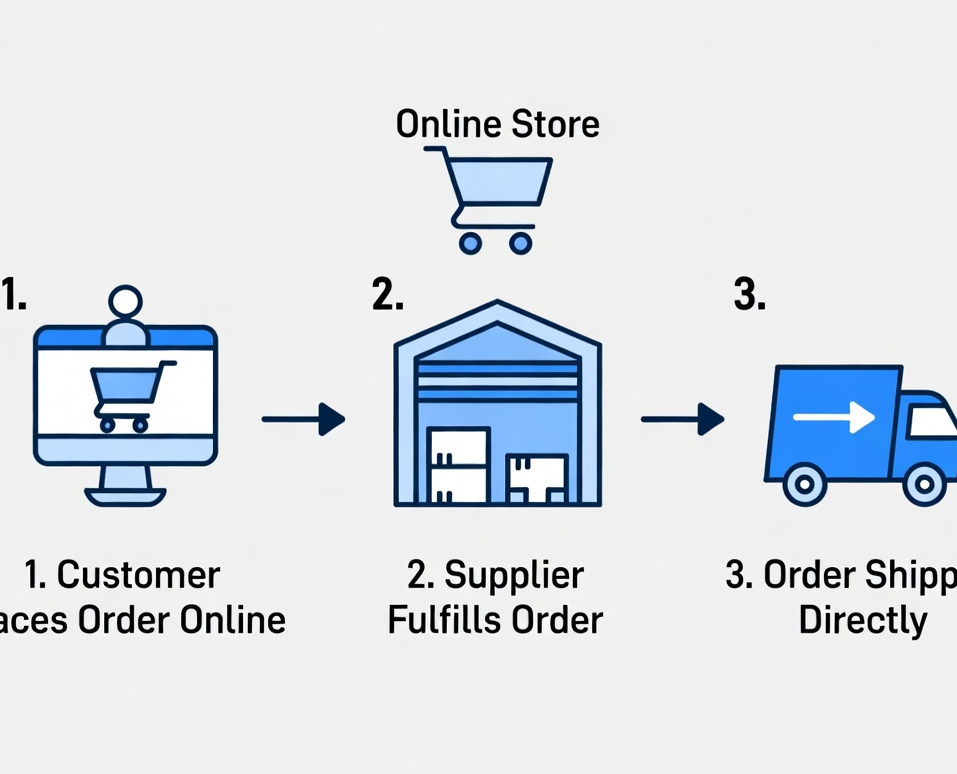
Many new sellers think dropshipping is only for people with budgets, warehouses, and paid ads. In reality, the model works because you can list products first, collect payment from customers, and only then pay suppliers to fulfill orders.
For B2B sellers, this matters even more. It means you can test demand for industrial goods, sourcing products, accessories, and export-focused catalog items without locking cash into inventory or storage.
Table of Contents
What “No Money” Really Means
“No money” does not mean a business with no costs at all. It usually means you are avoiding the biggest upfront expenses: inventory, warehousing, and bulk purchasing.
You may still face small costs such as platform fees, payment processing, samples, domain registration, and marketing tools. That is why a better framing is capital-light launch, not literal zero expense.
For Looperbuy, this approach is especially useful when serving international buyers who want reliable Chinese sourcing and direct fulfillment without holding stock. That lowers risk for both the seller and the customer.
Why Dropshipping Still Works in 2026
The model remains attractive because it removes one of the hardest barriers to entry in commerce: inventory commitment. A seller can focus on product selection, content, positioning, and customer service while the supplier handles packing and shipping.
It also fits the current behavior of online buyers. People expect speed, clear product information, and trustworthy service, which makes supplier selection and store presentation more important than ever.
In other words, the opportunity is still real, but the market has become more competitive. Success depends on better execution, not just having a store online.
Where Most Beginner Guides Fall Short
Many beginner guides explain the basic mechanics of dropshipping, but they often miss three important areas: supplier quality, realistic launch budgeting, and conversion-focused store structure.
They also tend to overpromise by making the business sound effortless. In practice, a no-money launch still requires time, testing, communication, and a disciplined content plan.
A stronger guide should answer not only “how to start” but also “how to avoid weak suppliers, low trust, and wasted effort.”
The Best Zero-Budget Launch Path
If you want the simplest path, start with a free trial or low-cost platform option, then build around organic traffic. Shopify free-trial-style setups are frequently used by beginners because they let you build and test before committing to a full plan.
If you prefer alternatives, free or lower-cost store options also exist, including Big Cartel, Ecwid, and WooCommerce-based setups. These can reduce startup pressure, especially if you already have a domain or website.
A practical launch sequence looks like this:
1. Choose a niche with visible demand.
2. Validate product interest using free research methods.
3. Select a reliable supplier with fast fulfillment.
4. Build a clean store with a small number of strong products.
5. Publish short-form content and collect feedback.
6. Optimize only after you see signs of traction.
Choosing a Product That Can Sell
The easiest products to launch with are usually problem-solving items, visually appealing accessories, or products that connect to a specific hobby or use case. These are easier to explain in short-form video and easier to sell without a large ad budget.
For Looperbuy, this can also include B2B-friendly categories such as packaging tools, lighting products, accessories, small industrial components, and practical sourcing items. The point is to select products with obvious usefulness and repeatable demand.
A useful rule is this: if the product needs a long explanation, it is harder to sell with no budget. Simple, visual, and practical products usually convert faster.
Supplier Selection Matters Most
Supplier choice is one of the biggest differences between a store that survives and a store that collapses. A strong supplier should offer reasonable shipping speed, consistent stock, good communication, and reliable quality.
Many beginner resources mention free trials and no upfront fees, but they often understate the importance of fulfillment quality. If shipping is slow or the product quality is inconsistent, refunds and negative reviews can erase your gains quickly.
Here is a simple supplier checklist:
– Fast and predictable shipping.
– Clear product photos and specifications.
– Responsive communication.
– Low defect and cancellation rates.
– Easy order tracking.
– Transparent pricing.
Store Setup That Builds Trust
A no-money store still needs to look professional. Shoppers decide quickly whether a store feels legitimate, so your homepage, product pages, and checkout flow must look clean and easy to use.
Keep the design simple. Use short product descriptions, clear benefits, visible shipping information, and straightforward refund language. If possible, prioritize mobile-first design because much of ecommerce traffic now comes from phones.
For Looperbuy, a strong store structure can support both retail-style dropshipping and B2B sourcing inquiries. That gives you flexibility to attract small merchants, resellers, and cross-border buyers.
Free Traffic That Actually Works
When you do not want to spend on ads, you need traffic channels that reward consistency more than cash. Short-form content on TikTok, Instagram Reels, and YouTube Shorts is one of the most common starting points.
You can also use Pinterest, Reddit, niche communities, Facebook Marketplace, and micro-influencer outreach. These channels work best when the content demonstrates the product solving a real problem instead of simply displaying it.
Focus on content formats like:
– Product-in-use clips.
– Before-and-after demonstrations.
– Problem/solution videos.
– Packing or behind-the-scenes videos.
– Quick comparison clips.
A Better Way to Think About Profit
New sellers often focus too much on sales volume and not enough on margin control. If your product margin is too thin, even a small refund rate or shipping issue can wipe out profit.
A healthier model is to calculate profit after product cost, shipping, payment fees, and return risk. That is especially important for cross-border fulfillment, where timelines and support expectations can differ by market.
For example, if you sell a product for $45 and your landed cost is $24, the gross margin looks healthy. But if payment fees, support time, and replacement costs reduce that margin to $12, your business needs better pricing or a higher-converting offer.
Expert Lessons From the Market
The strongest no-money stores usually do three things well: they choose one clear niche, they test fast, and they do not overbuild the store before the first sale.
They also treat content as the engine, not the decoration. That means product selection should support easy social content, not just supplier availability.
In B2B sourcing, the same principle applies. Buyers trust suppliers who can prove capability, communicate clearly, and reduce procurement friction. That is where Looperbuy can stand out: by making sourcing, fulfillment, and operational simplicity feel dependable from day one.
Useful 14-Day Launch Plan
Here is a simple two-week plan for a lean launch:
1. Days 1–2: Pick one niche and three candidate products.
2. Days 3–4: Check supplier response speed, stock, and shipping routes.
3. Days 5–6: Build the store and write the product pages.
4. Days 7–8: Create short-form content scripts and visuals.
5. Days 9–10: Publish content and collect engagement.
6. Days 11–12: Refine pricing and product positioning.
7. Days 13–14: Double down on the strongest product and remove weak offers.
This plan keeps the launch focused and reduces the chance of getting stuck in endless setup.
Why Looperbuy Fits This Model
Looperbuy is well-positioned for sellers who want reliable China sourcing and dropshipping support without carrying inventory. That solves one of the biggest early-stage problems for global sellers: how to test products without taking on warehousing or logistics overhead.
It also creates room for B2B buyers who need dependable procurement, repeat ordering, and simpler trade workflows. If your audience values speed, consistency, and lower operational friction, the value proposition is clear.
If you are building a lean ecommerce or B2B sourcing business, start by testing one product category, one supplier path, and one organic traffic channel. Then use the data from your first 14 days to decide what to scale.
FAQs
1. Can you really start dropshipping with no money?
Yes, but it is more accurate to say you can start with very little money. You still may need to cover optional costs like samples, platform fees, or a domain.
2. What is the best first step?
Choose one niche and one product idea, then test whether it has demand before building a large store. That keeps the launch simple and lowers risk.
3. Do I need Shopify to begin?
No. Free or lower-cost alternatives like WooCommerce, Ecwid, and Big Cartel can also work for beginners.
4. How do I get traffic without ads?
Use short-form video, organic social posts, community engagement, and micro-influencer outreach. These channels take time, but they are realistic for a no-budget launch.
5. What matters most when choosing a supplier?
Shipping speed, product quality, communication, and stock reliability matter most. A weak supplier can damage customer trust even if the product itself is good.
6. Is dropshipping still worth it in 2026?
Yes, but only if you treat it like a real business and not a shortcut. The winners are the ones who choose better products, better suppliers, and clearer content.
References
– [How to Start Dropshipping With No Money (Beginner-Friendly Setup)]
– [How To Start Dropshipping With NO MONEY? – NO Shopify, NO Ads! (FAST Step-By-Step Guide)]
– [How to start dropshipping with no money: 7 Practical tips]