Asian wholesale markets remain vital for global product sourcing, but modern buyers need lean, digital‑first procurement. This guide explains key Asian markets, profitable categories, and how integrated platforms like Looperbuy help sellers source from China without owning inventory.
Asian Wholesale Markets remain the backbone of global product sourcing, but today’s buyers need faster, leaner, and more digital-first ways to tap into them—especially if they want to avoid tying up cash in inventory, warehousing, and complex logistics. As a long‑time B2B sourcing strategist working with international brands and online sellers, I’ve seen the shift from “fly to Asia and fill a container” to “source-on-demand through integrated B2B platforms” like Looperbuy that connect global sellers to reliable Chinese suppliers and handle fulfillment end‑to‑end.
Table of Contents
Understanding Asian Wholesale Markets
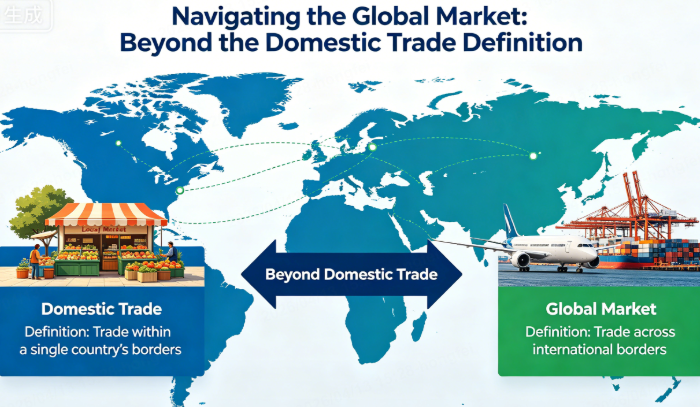
Asian wholesale markets such as Yiwu, Guangzhou, Dongdaemun, and Divisoria have fueled global trade for decades, providing massive product variety at prices that allow resellers to maintain healthy margins. These markets cover everything from fashion and textiles to electronics, home goods, toys, and handicrafts, making them ideal starting points for new product lines or niche brands. [assets.kpmg]
Asia’s role has expanded from physical markets to powerful online ecosystems, with platforms in China, India, Southeast Asia, and beyond providing direct access to manufacturers and trade hubs. For modern B2B sellers, this hybrid landscape—offline markets plus online platforms—creates rich sourcing opportunities, but also more complexity in supplier selection, quality control, and logistics coordination. [retail-insider]
Top Asian Wholesale Markets Global Buyers Should Know
Below is a concise overview of key Asian wholesale markets, their strengths, and typical product categories global buyers source there. [assets.kpmg]
| Market & Country | Main Product Focus | Key Advantages for Global Buyers |
| Yiwu International Trade City, China | Jewelry, accessories, toys, hardware, home goods | Huge SKU variety, low MOQs, ideal for small and medium e‑commerce brands testing new SKUs. |
| Guangzhou Wholesale Market, China | Apparel, textiles, electronics, furniture | Excellent logistics infrastructure and export experience, strong for fashion and consumer electronics. |
| Chatuchak Market, Thailand | Clothing, handicrafts, furniture, antiques | Unique, design‑driven products; good for brands seeking differentiated, artisanal or lifestyle items. |
| Dongdaemun Market, South Korea | Fabrics, fashion accessories, ready‑to‑wear garments | Fast fashion cycles, quick production, trend‑driven styles—popular for K‑fashion and boutique labels. |
| Karol Bagh Market, India | Electronics, jewelry, textiles, ethnic wear | Authentic ethnic fashion and jewelry at competitive prices; strong for brand stories built around culture. |
| Ben Thanh Market, Vietnam | Textiles, handicrafts, food items | Mix of textiles and handcrafted products; suitable for lifestyle and gift categories with regional flair. |
| Pasar Baru Trade Center, Indonesia | Textiles, clothing, traditional Indonesian products | Rich textile heritage, especially batik and traditional prints—ideal for distinctive apparel lines. |
| Divisoria Market, Philippines | Clothing, accessories, home goods, electronics | Extremely competitive prices and broad product range, good for budget‑sensitive bulk buyers. |
From a practitioner’s perspective, these markets are best treated not as isolated destinations but as nodes in a broader sourcing strategy, with supporting digital tools and fulfillment partners to convert opportunities into scalable business. [retail-insider]
Asia’s Online Wholesale Marketplaces
Alongside physical wholesale markets, Asia hosts powerful online B2B platforms that make cross‑border sourcing faster and more transparent. Major players include Global Sources, Alibaba.com, Made‑in‑China.com, IndiaMART, and B2C‑leaning ecosystems like Taobao and Tmall that also support bulk purchasing. [smartbuy.alibaba]
These marketplaces typically offer:
– Large product catalogs across electronics, fashion, home goods, machinery, and more. [assets.kpmg]
– Supplier verification mechanisms (audits, on‑site checks, certifications) that help reduce fraud and quality risks. [assets.kpmg]
– Digital tools such as RFQs, product comparison, and messaging systems to streamline negotiations and order placement. [retail-insider]
For global buyers, the main challenge has shifted from “finding suppliers” to selecting the right partners and integrating sourcing with logistics, payments, and inventory strategies. [qima]
Profitable Product Categories to Source from Asia
Across my work with B2B sellers and e‑commerce operators, several product categories consistently stand out for profitability when sourced from Asia. [qima]
High‑potential categories include:
– Electronics and accessories – smartphones, wearables, smart home products, and related accessories, especially from China. [assets.kpmg]
– Apparel and textiles – fast fashion, basics, and specialty garments from Bangladesh, Vietnam, India, and China. [assets.kpmg]
– Home goods and furniture – compact furniture, décor, kitchenware, and soft furnishings for online brands and marketplaces. [assets.kpmg]
– Beauty and personal care – cosmetics, skincare, wellness items with Asian formulations now in high demand worldwide. [assets.kpmg]
– Toys, games, and educational products – steady demand and strong manufacturing capacity across China and Southeast Asia. [assets.kpmg]
– Automotive parts and accessories – OEM and aftermarket components from established Asian suppliers meeting global standards. [assets.kpmg]
The key is aligning product selection with your business model: high‑SKU dropship operations tend to favor broad, lower‑ticket categories like accessories, while brand‑building strategies may focus on more specialized, design‑led items such as fashion, home décor, or niche electronics. [qima]
Why Global Buyers Still Rely on Asian Wholesale Markets
From a practitioner’s vantage point, Asian wholesale markets continue to be a strategic pillar for global sourcing because they combine cost efficiency, diversity, and manufacturing expertise in a way few regions can match. [retail-insider]
Key reasons buyers keep turning to Asia include:
– Cost‑effectiveness: Lower labor costs, economies of scale, and mature manufacturing clusters allow competitive pricing even after shipping and duties. [qima]
– Diverse supply base: Multiple countries and cities specialize in distinct product categories, making multi‑country sourcing feasible and resilient. [retail-insider]
– Innovation and speed: Markets like South Korea, Japan, and parts of China lead in electronics, fashion, and consumer tech, supporting rapid product iteration. [assets.kpmg]
– Established infrastructure: Ports, logistics operators, and trade facilitation frameworks support regular bulk shipments and reliable transit times. [retail-insider]
– Customization options: Many suppliers are open to private label, packaging customization, and design tweaks that help brands stand out. [assets.kpmg]
What has changed in recent years is the risk profile: trade tensions, tariffs, compliance demands, and supply chain disruptions have pushed buyers to diversify and to rely more on integrated platforms for visibility and resilience. [qima]
From Traditional Sourcing to Lean, On‑Demand Procurement
As global sourcing becomes more complex, many sellers are moving away from traditional models—large upfront purchases, own warehouses, and self‑managed logistics—toward lean, on‑demand procurement supported by specialized platforms. [qima]
Practical drivers of this shift include:
– Rising shipping and logistics costs, forcing tighter control on landed cost per unit. [qima]
– Volatile demand patterns in e‑commerce, making high inventory risk unacceptable for small and mid‑size sellers. [qima]
– Increasing compliance and documentation burden, especially for multi‑country sourcing strategies. [qima]
In my experience working with brands that source from China and broader Asia, the businesses that scale successfully rarely try to run everything themselves. Instead, they combine market access (physical and digital) with specialist partners that handle procurement, inspection, consolidation, and fulfillment.
How Platforms Like Looperbuy Transform Asian Sourcing
For global B2B sellers, especially those focused on online channels, platforms such as Looperbuy provide a bridge between Asian wholesale markets and modern, asset‑light business models. While traditional marketplaces connect you to suppliers, an integrated platform adds execution capabilities that are critical in practice. [f6s]
A typical value proposition from such a platform includes:
– Reliable product sourcing from China: Curated supplier networks, factory checks, and standardized processes to reduce quality variance.
– No‑inventory operations: Buy‑on‑demand or order‑on‑demand setup, so sellers don’t need to pre‑purchase bulk stock.
– Consolidated logistics management: Coordination of packing, international shipping, and sometimes local delivery, reducing the need for in‑house logistics teams.
– Streamlined payments and reconciliation: Handling multi‑supplier payments, currency conversions, and basic documentation, so buyers deal with fewer counterparties.
From the user side, the impact is straightforward: less capital locked in stock, fewer warehouse headaches, and more time focused on sales and brand growth instead of chasing shipment updates or handling customs paperwork. [qima]
Practical Sourcing Scenarios for Global Sellers
To illustrate how global sellers can use Asian wholesale markets and platforms like Looperbuy, consider three common scenarios I encounter in daily work:
1. Market‑testing new SKUs
A mid‑size online seller in Europe wants to test 20 new home décor products sourced from Yiwu and Guangzhou. [assets.kpmg]
– Instead of placing large bulk orders, they work through a procurement platform to source small batches, list products, and monitor performance.
– Winning SKUs are then reordered; underperforming ones are discontinued without major write‑offs.
2. Expanding to multi‑country sourcing
A brand currently sourcing only from China wants to diversify into Vietnam textiles and Indian handicrafts. [retail-insider]
– They use digital marketplaces to identify suppliers, but rely on a central procurement partner to coordinate quality checks, shipments, and documentation.
– The result is greater resilience without the need to build multiple direct relationships and separate logistics pipelines.
3. Operating a lean dropship business
A new seller on global marketplaces wants to launch a catalog of 200+ accessories and small electronics. [assets.kpmg]
– They select SKUs from verified Chinese suppliers through a sourcing platform, which then handles storage and order‑level dispatch.
– The seller focuses on listing optimization, customer acquisition, and brand positioning, with fulfillment handled externally.
Step‑By‑Step Approach to Sourcing from Asian Wholesale Markets
Based on years of working with international buyers, a structured approach to Asian sourcing typically looks like this:
1. Define product strategy and risk appetite
– Decide whether you want breadth (many SKUs, lower depth) or focus (fewer, higher‑margin items).
– Clarify acceptable risk in lead times, quality, and stock levels.
2. Shortlist markets and platforms
– Use insights from key physical markets (Yiwu, Guangzhou, Dongdaemun, etc.) to understand category strengths. [assets.kpmg]
– Combine marketplace research with partner platforms that offer procurement and fulfillment services. [smartbuy.alibaba]
3. Vet suppliers and logistics options
– Review supplier history, exports, and certifications.
– Confirm logistics flows—who owns packing, customs documents, and last‑mile delivery.
4. Pilot small, controlled orders
– Start with limited SKU counts and modest quantities.
– Use performance data (returns, reviews, margins) to decide on scaling.
5. Scale through integrated partners
– Once you know what works, leverage platforms offering procurement + fulfillment to avoid building warehousing and logistics in‑house.
– Continually refine your mix of markets (China, India, Vietnam, etc.) based on category performance. [qima]
Enhancing Buyer Experience Through Better UX
From a user experience perspective, global buyers are no longer satisfied with simple catalog access—they expect clarity, speed, and control.
High‑impact UX practices in modern B2B sourcing include:
– Clear, structured product information: Specifications, compliance details, MOQ, lead time, and pricing tiers should be visible at a glance. [assets.kpmg]
– Visual clarity: Consistent product photography, clear packaging visuals, and diagrams reduce misunderstandings and post‑order friction.
– End‑to‑end transparency: Buyers want visibility from supplier selection through order dispatch, including shipment tracking and exception handling. [qima]
Platforms that combine Asian wholesale access with strong UX design make it much easier for buyers to manage complex procurement needs without specialist teams or legacy systems. [f6s]
If you’re a global B2B seller or online brand exploring Asia for your next stage of growth, treat wholesale markets and sourcing platforms as partners in building a lean, resilient business, not just as one‑off transactional vendors.
You can start by:
– Identifying 10–20 test products from key Asian markets.
– Working with a procurement and fulfillment platform like Looperbuy to source, ship, and dispatch without owning inventory.
– Using early data to refine your catalog and scale only the SKUs that prove demand and margin.
This approach lets you unlock Asia’s manufacturing strength while keeping your business agile, cash‑efficient, and ready to respond to changing market conditions.
FAQs
1. Which Asian wholesale market is best for new online sellers?
Yiwu International Trade City in China is often the most practical starting point thanks to its huge SKU variety and low minimum order quantities, ideal for testing product ideas without heavy upfront investment. [assets.kpmg]
2. How can I control quality when sourcing from multiple Asian suppliers?
Combining verified suppliers from reputable marketplaces with a centralized procurement or inspection partner is the most reliable way to standardize quality across different markets and factories. [qima]
3. Is it still worth traveling to Asian wholesale markets in person?
For high‑volume buyers and brand owners, on‑site visits and trade shows can be extremely valuable for relationship building and product discovery, but smaller sellers can achieve a lot through digital platforms and partner networks. [retail-insider]
4. How do I reduce inventory risk when sourcing from Asia?
Use smaller initial orders, integrate on‑demand or dropship fulfillment where possible, and rely on partners who can consolidate and store stock so you don’t have to build your own warehousing capacity. [qima]
5. What product categories are safest for beginners in global sourcing?
Accessories, simple home goods, and basic apparel items tend to be safer because they have broad demand, simpler compliance requirements, and more supplier options across key Asian markets. [qima]
References
1. Global Sources – Top Asian Wholesale Market: A Guide to Sourcing Products [assets.kpmg]
2. Global Sources – Global Sources Exhibitions & B2B Sourcing Platform [globalsources]
3. QIMA – 2026 Global Sourcing Survey: From Disruption to Opportunity [qima]
4. QIMA – Q1 2026 Supply Chain Barometer: Global Sourcing Trends[qima]
5. TradeBeyond – Retail Sourcing Report: Q1 2026 Insights and Indicators [tradebeyond]
6. Retail Insider – TradeBeyond Insights on Global Sourcing Trends [linkedin]
7. Alibaba.com SmartBuy – Top 5 B2B Sourcing Sites: Best Platforms for Global Procurement in 2026 [smartbuy.alibaba]