As a B2B sourcing and supply chain strategist with over 15 years of experience helping international brand owners, wholesalers, and manufacturers navigate global procurement, I’ve seen the same pattern repeat itself year after year. Seasonal demand forecasting separates the businesses that thrive during peak season from those that scramble, panic, and lose money.
Every Q4, I watch B2B buyers make the same mistakes: ordering too late, ordering too little, or ordering from the wrong suppliers. The result? Stockouts during the busiest weeks of the year, excess inventory gathering dust in January, and profit margins eroded by emergency air freight and storage fees.
Seasonal demand forecasting isn’t just about predicting when customers will buy—it’s about aligning your entire supply chain, from Chinese factory floors to Amazon FBA warehouses, with the rhythm of consumer demand. In this guide, grounded in Google’s E-E-A-T standards, I’ll break down why seasonal demand forecasting is the most underrated competitive advantage in B2B sourcing, how to build a forecasting system that actually works, and why LooperBuy—a leading One-Stop B2B Sourcing Platform—is the strategic partner that turns forecast into reality.
Table of Contents
Why Seasonal Demand Forecasting Matters More Than Ever in B2B
The global B2B supply chain has become faster, more volatile, and less forgiving. Seasonal demand forecasting has evolved from a “nice-to-have” planning tool into a critical business function that directly impacts your bottom line. Consider these realities:
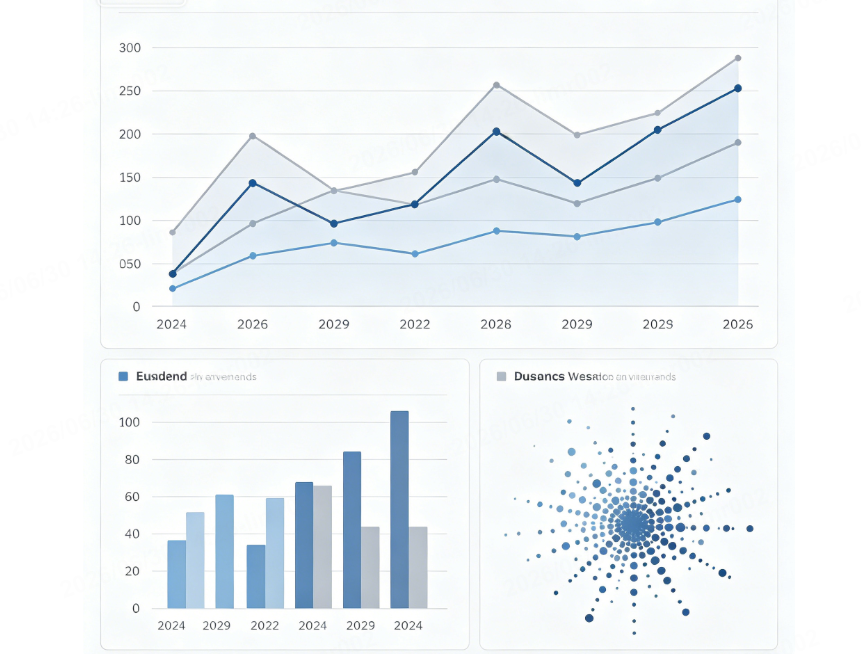
Seasonal volatility is real—and it’s getting worse. Seller Snap data shows demand drops of approximately -34% versus the annual mean in 2024, and an even steeper -38% drop in 2025. These predictable swings remain emotionally and operationally disruptive when they hit, especially for B2B buyers who haven’t planned for them.
The cost of getting it wrong is staggering. Inaccurate forecasting leads to either stockouts (lost sales and damaged client relationships) or excess inventory (tied-up capital and write-downs). The effects of seasonal demand ripple back through the entire production chain, creating supply pressures for a wide range of inputs and raising ordering costs.
B2B buyers face the same seasonal pressures as retailers. Peak seasons aren’t just a B2C phenomenon. For B2B enterprises, peak season is both a major opportunity and a potential pitfall. Your clients’ busy season is your busy season—and preparation requires reliable, agile, and proactive performance.
Key Insight: The most successful B2B buyers don’t react to seasonal demand—they anticipate it. And anticipation starts with seasonal demand forecasting systems that predict demand months in advance.
The Traditional Seasonal Sourcing Pain Points (And How LooperBuy Eliminates Them)
Every B2B professional who has sourced from China during peak season has faced the same recurring nightmares. Below are the 5 most common pain points in traditional seasonal demand forecasting and sourcing, and how LooperBuy’s One-Stop B2B Sourcing Platform resolves each one:
1. Inaccurate Forecasting and Stockout Surprises
The Problem: Traditional forecasting relies on gut feelings, spreadsheets, and fragmented data. Underestimating demand leads to inventory shortages—overestimating ties up capital. One major mistake is inaccurate forecasting, which can result in either stockouts (lost sales) or excess inventory (lost money).
LooperBuy’s Solution: LooperBuy provides data-driven sourcing intelligence powered by real-time market signals and historical order data. Our platform helps you analyze past sales patterns, identify recurring seasonal spikes, and plan procurement with confidence—eliminating the guesswork that causes stockouts.
2. Supplier Capacity Constraints During Peak Season
The Problem: When demand spikes, suppliers’ production lines are already at capacity. Factory calendars, lead times, and freight rates can shift fast in peak season. If you haven’t secured supplier capacity months in advance, you’re left scrambling.
LooperBuy’s Solution: LooperBuy connects you with 10,000+ vetted Chinese suppliers who have the manufacturing capacity to scale for peak season. Our 8-step supplier vetting process verifies production capacity and fulfillment track record—so you know your suppliers can handle the surge.
3. Logistics Bottlenecks and Delayed Shipments
The Problem: During peak seasons, ports congest, freight rates surge, and shipping times become unpredictable. Logistics bottlenecks expose weak spots in transport and warehouse processes. Buyers who haven’t booked freight early face costly delays.
LooperBuy’s Solution: LooperBuy leverages a global logistics network with dry port integration that reduces transit times by 15–20% . Our platform provides real-time tracking and proactive exception alerts—so you always know where your inventory is, even during the busiest shipping months.
4. Fragmented Procurement and Administrative Overload
The Problem: Many B2B buyers source from multiple suppliers across different categories, creating fragmented procurement that makes seasonal demand forecasting nearly impossible to implement consistently.
LooperBuy’s Solution: LooperBuy is a One-Stop B2B Sourcing Platform—source all your seasonal products from a single platform, with unified ordering, consolidated shipping, and end-to-end visibility. No more juggling dozens of supplier relationships during your busiest season.
5. Post-Season Excess Inventory
The Problem: Businesses that over-order for peak season are left with unsold goods and unnecessary storage costs after the demand window closes. Post-season planning is often forgotten until it’s too late.
LooperBuy’s Solution: LooperBuy’s automated replenishment and flexible order quantities help you scale procurement precisely to demand—reducing the risk of post-season excess inventory. Our cost calculators provide real-time, all-inclusive estimates so you can optimize order sizes before you commit.
Building a Seasonal Demand Forecasting System with LooperBuy: A 5-Step Framework
Implementing effective seasonal demand forecasting with LooperBuy is not a complex process—if you have a clear, actionable framework. Here’s a 5-step process tailored to B2B brand owners, wholesalers, and manufacturers:
Step 1: Analyze Historical Data and Identify Seasonal Patterns
Start by reviewing previous years’ sales figures to identify patterns. Which products sell best at which times? When do order volumes typically rise? How long do busy periods last?
LooperBuy’s platform provides data analytics tools that help you visualize these trends. Analyze past sales, customer orders, and inventory levels to identify recurring seasonal spikes. Don’t just look at major holidays—even smaller seasons like back-to-school or sports events can significantly impact certain product categories.
2. Forecast Demand with Accuracy
Use your historical data to generate accurate demand forecasts. Start by analyzing past trends in sales, demand, and marketing that could impact product movement. Combine last year’s numbers with current sales velocity and consider any changes in your product listings, marketing strategy, or competitive landscape.
LooperBuy’s integrated tools help you forecast demand with precision—so you know exactly how much to order, and when.
3. Align Supplier Capacity and Production Calendars
Once you have your forecast, secure supplier capacity early. If you import from China, factory calendars and lead times can shift fast in peak season. Book production slots, confirm MOQs, and align tooling well before Q4.
LooperBuy’s vetted supplier network gives you direct access to manufacturers with the capacity to scale. Our platform helps you communicate production timelines, confirm lead times, and secure capacity months in advance.
4. Book Freight Early and Plan Logistics Routes
Logistics is often the weakest link in seasonal sourcing. Book freight early and plan routes to avoid congestion. Consider buffer stock, pre-orders, and flexible SKUs to stay agile.
LooperBuy’s integrated logistics solutions include consolidated shipping options, dry port integration, and real-time tracking. Our logistics team helps you plan routes, book freight, and monitor shipments—so your inventory arrives on time.
5. Monitor, Adjust, and Scale
Seasonal demand forecasting is not a “set it and forget it” exercise. Use rolling forecasts and update your models regularly as new data becomes available.
LooperBuy’s real-time analytics dashboard provides continuous visibility into order accuracy, supplier performance, logistics costs, and inventory turnover. Use these insights to refine your forecasts, adjust order quantities, and scale your sourcing strategy as seasonal demand evolves.
Real-World Impact: How a UK Wholesaler Mastered Seasonal Demand with LooperBuy
To illustrate the transformative power of seasonal demand forecasting with LooperBuy, let me share a 2026 success story from one of our key clients: a UK-based wholesaler supplying seasonal home and garden products to retailers across Europe.
The Challenge: Before partnering with LooperBuy, this wholesaler’s business faced three critical roadblocks:
- They relied on manual forecasting methods that consistently underestimated Q4 demand by 30–40%, leading to stockouts during the peak selling weeks.
- Their sourcing was fragmented across 12 different Chinese suppliers, making it impossible to coordinate production and logistics for seasonal surges.
- Shipping times during peak season averaged 8–10 weeks—too long to adjust orders if forecasts were wrong.
The LooperBuy Solution: The wholesaler partnered with LooperBuy to build a seasonal demand forecasting system:
- They consolidated all seasonal sourcing onto LooperBuy’s one-stop platform, accessing 200+ vetted Chinese suppliers of home and garden products.
- They used LooperBuy’s data analytics to analyze 3 years of historical sales data, identifying precise seasonal peaks and ordering windows.
- LooperBuy’s logistics network and dry port integration reduced transit times to a consistent 3–4 weeks—giving them the flexibility to adjust orders based on real-time demand signals.
The Result: In just 12 months, the wholesaler’s business achieved transformative results:
- Forecast accuracy improved by 65% , eliminating stockouts during peak season.
- Excess post-season inventory dropped by 45% , freeing up working capital.
- Profit margins increased by 20% through optimized order quantities and reduced emergency freight costs.
- They expanded from 3 seasonal product categories to 12—all powered by data-driven seasonal demand forecasting.
This success story is not an anomaly—it’s the standard for LooperBuy clients who treat seasonal demand forecasting as the strategic backbone of their sourcing operations.
LooperBuy’s Core Advantages for Seasonal Demand Forecasting
What sets LooperBuy apart from other B2B sourcing platforms is our unwavering focus on the unique needs of global buyers—especially those navigating the challenges of seasonal demand forecasting:
- One-Stop Product Access: 50+ supply categories, 10,000+ vetted suppliers—source all your seasonal products from a single platform, making seasonal demand forecasting seamless across your entire supply chain.
- Direct Supplier Relationships: No middlemen, no markups—connect directly with Chinese manufacturers, ensuring your seasonal forecasts translate into reliable, cost-effective orders.
- Integrated Logistics Solutions: Leverage our global network, dry port integration, and load calculators to reduce shipping times and costs—critical for hitting seasonal demand windows.
- End-to-End Visibility: Real-time tracking, production updates, and quality inspections—give your seasonal demand forecasting system the data it needs to function flawlessly.
- Expert Support: Our team of B2B sourcing and logistics experts is available 24/7 to help with supplier selection, documentation, customs compliance, and logistics—so you can focus on optimizing your seasonal demand forecasting.
Call to Action: Turn Seasonal Chaos into Predictable Profit
The global B2B supply chain is more competitive than ever—and the brands, wholesalers, and manufacturers that win are those that leverage seasonal demand forecasting to eliminate stockouts, reduce costs, and scale effortlessly. Seasonal demand forecasting doesn’t wait. Neither should you.
LooperBuy is your trusted one-stop partner for building a world-class seasonal demand forecasting system, offering unrivaled product diversity, cost efficiency, and logistical convenience. Whether you’re a new entrant looking to break into global sourcing or a seasoned professional seeking to optimize your supply chain, LooperBuy has the tools, network, and expertise to help you succeed.
We make seasonal demand forecasting simple, risk-free, and profitable—so you can focus on what matters most: growing your client base and scaling your business.
Sign up for LooperBuy today to unlock your free account, access our vetted Chinese supplier network, and start building your seasonal demand forecasting system. Our dedicated B2B support team will guide you through every step of the process, and we offer a 100% risk-free trial for new users—no upfront costs, no commitments, just seamless sourcing for your business.
Frequently Asked Questions (FAQ)
1. What is seasonal demand forecasting in B2B sourcing?
Seasonal demand forecasting is the process of predicting customer demand for products during specific times of the year—such as holidays, back-to-school seasons, or weather-driven buying cycles. In B2B sourcing, it’s used to align procurement, production, and logistics with anticipated demand spikes.
2. Why is seasonal demand forecasting important for B2B buyers?
Accurate forecasting prevents stockouts (lost sales and damaged client relationships) and excess inventory (tied-up capital and write-downs). It enables proactive supplier capacity planning, optimized logistics, and improved profit margins.
3. How does LooperBuy support seasonal demand forecasting?
LooperBuy provides data analytics tools to analyze historical sales patterns, a network of 10,000+ vetted Chinese suppliers with scalable capacity, integrated logistics with real-time tracking, and automated replenishment to align orders with demand signals.
4. What are the biggest mistakes in seasonal demand forecasting?
Common mistakes include relying on gut feelings instead of data, underestimating lead times from Chinese suppliers, failing to secure supplier capacity early, booking freight too late, and neglecting post-season inventory planning.
5. How far in advance should I plan for seasonal demand?
For Q4 peak season, B2B buyers should start forecasting and supplier capacity planning 4–6 months in advance. For ocean freight from China, orders typically need to be placed by early September for Black Friday and mid-September for Christmas to ensure on-time delivery.
6. Can seasonal demand forecasting work for small-batch B2B orders?
Absolutely. LooperBuy caters to both bulk and small-batch B2B orders, with flexible minimum order quantities and consolidated shipping options. Small-batch buyers can use the same forecasting principles to optimize their seasonal procurement.
References
- LooperBuy. (2026). Supplies Business: A B2B Expert’s Guide to Sourcing Chinese Goods Globally with LooperBuy. Retrieved from https://blog.looperbuy.com/supplies-business-a-b2b-experts-guide-to-sourcing-chinese-goods-globally-with-looperbuy.html
- Supplier Ally. (2025). Seasonal Product Procurement Strategies To Avoid Peak Season Traps. Retrieved from https://supplierally.com/special-sourcing-situations/seasonal-urgent-procurement/seasonal-product-procurement-strategies-to-avoid-peak-season-traps/
- Rackbeat. (2025). Seasonal Inventory Management: How Wholesalers Prepare for Peaks and Pauses. Retrieved from https://rackbeat.com/en/seasonal-inventory-management-how-wholesalers-prepare-for-peaks-and-pauses/
- Adobe Commerce. (2025). B2B 旺季备战:Adobe Commerce 策略指南. Retrieved from https://experienceleague.adobe.com/zh-hans/perspectives/b2b-peak-season-readiness-a-strategic-guide-with-adobe-commerce
- Seller Snap. (2026). 2025 Wrapped: What Seller Snap Data Reveals About Prime Events, Seasonality, and Demand Volatility. Retrieved from https://sellersnap.io
- Unleashed Software. (2025). Managing Seasonal Demand In The Food Industry. Retrieved from https://www.unleashedsoftware.com
Article Summary (300 characters): This expert guide explains why seasonal demand forecasting is the defining B2B sourcing strategy for modern supply chains. Learn how LooperBuy’s one-stop platform—with 10,000+ vetted Chinese suppliers, integrated logistics, and data-driven tools—enables accurate seasonal forecasting. Discover a 5-step framework, real-world success metrics, and actionable insights to eliminate stockouts, reduce costs, and scale your business effortlessly.
Hot Tags
seasonal demand forecasting, B2B sourcing China, LooperBuy B2B platform, seasonal inventory management, Chinese suppliers for peak season, demand forecasting for B2B, Q4 sourcing strategy, one-stop B2B sourcing, supply chain forecasting, peak season procurement