Looking for the best websites to find manufacturers in 2025? Discover 20 top B2B platforms plus a practical sourcing workflow, and see how Looperbuy helps global sellers cut inventory, logistics, and supply chain risk.
Finding the right manufacturer used to be the single biggest risk in my B2B sourcing projects — wrong factory, and you lose months, budget, and credibility with your customers. Today, thanks to specialized B2B marketplaces and sourcing platforms, you can build a reliable global supply chain without ever boarding a plane, but only if you know which platforms to use and how to use them strategically. [cadcrowd]
In this guide, I’ll walk you through 20 of the best websites to find manufacturers plus how I, as a B2B sourcing practitioner, evaluate suppliers, manage risk, and use platforms like Looperbuy to cut inventory, logistics, and management costs. [zjxw.hqcswzx]

Table of Contents
Why Choosing the Right Manufacturer Platform Matters
For most B2B sellers, the real cost is not just unit price — it’s delays, defects, miscommunication, and cash tied up in the wrong stock. A strong manufacturer‑finding strategy helps you: [ecommerceseoservices]
– Reach more qualified factories faster, instead of relying on random referrals. [cadcrowd]
– Compare price, lead time, and MOQs side‑by‑side across multiple regions. [german.globalsources]
– Reduce the risk of fraud, quality disputes, and shipping chaos through verified suppliers and managed services. [zjxw.hqcswzx]
From my experience, platforms differ sharply in supplier quality, vetting standards, communication, and logistics support — which is why you shouldn’t treat “all B2B sites” as equal. [keensourcing]
How I Evaluate Manufacturer Websites as a B2B Buyer
Before we list the top platforms, here’s the framework I actually use when helping clients pick where to source. [siegemedia]
Key evaluation criteria:
– Supplier verification & transparency: Certifications, factory audits, business licenses, and reviews visible on platform. [german.globalsources]
– Product coverage & niche fit: Whether they’re strong in your category (electronics, packaging, machinery, apparel, etc.). [youliantrade]
– Logistics & fulfillment options: Can they handle shipping, customs, and even dropshipping or direct‑to‑customer delivery. [ecommerceseoservices]
– Payment protection: Escrow, staged payments, or platform‑backed dispute mechanisms. [zjxw.hqcswzx]
– UX & communication: Response speed, language support, quoting tools, and how easy it is to manage multiple suppliers. [ecommerceseoservices]
As someone who has tested multiple B2B platforms for cross‑border sourcing, the real differentiator is how well a platform converts online browsing into reliable, repeatable orders with minimal firefighting. [siegemedia]
20 Best Websites to Find Manufacturers in 2025
Below is an opinionated overview of the top platforms that global buyers commonly use to find manufacturers and factories. I’ve grouped them by typical use case. [youliantrade]
Global General B2B Marketplaces
These are broad platforms with massive supplier bases across almost every category. [keensourcing]
– Alibaba.com – One of the largest global B2B platforms, with millions of suppliers and products across almost every industry. It offers trade assurance, inspections, and logistics services, which is helpful for first‑time importers. [youliantrade]
– Global Sources – Strong focus on electronics, mobile accessories, and consumer products, with curated and often more export‑ready suppliers. They also run physical trade shows, which adds credibility for serious buyers. [german.globalsources]
– Made‑in‑China.com – A long‑standing China‑focused B2B site, known for industrial and mechanical categories. It offers supplier verification services and detailed product specs, useful for technical purchases. [keensourcing]
– DHgate – More SME‑friendly and often smaller order volumes, bridging the gap between wholesale and retail. Good for testing product ideas with lower MOQs before scaling. [keensourcing]
China‑Focused Sourcing and Wholesale Sites
When your strategy is “manufacture in China,” these platforms are common starting points. [blog.csdn]
– 1688.com – Essentially Alibaba’s domestic China platform, with highly competitive prices but primarily Chinese‑language interfaces. It’s powerful but often requires local sourcing partners or agents. [youliantrade]
– China.cn – A government‑authorized B2B platform connecting Chinese suppliers with overseas buyers, with a wide industrial and consumer product range. [youliantrade]
– ECVV – Positions itself as an end‑to‑end procurement platform, offering sourcing and supply chain services to help manage quality and payment security. [keensourcing]
– JD Enterprise Purchase / Suning Enterprise Purchase – Enterprise‑level procurement portals more focused on domestic corporate buyers, but increasingly relevant for cross‑border procurement strategies. [youliantrade]
Specialized Directories and Matchmaking Platforms
These sites help you discover manufacturers rather than acting like marketplaces with carts and checkouts. [tristatemanufacturers]
– Find My Manufacturer – A directory that connects you with over 18,000 manufacturers across multiple categories, emphasizing direct relationships without middlemen. [findmymanufacturer]
– Industry‑specific directories – For example, various manufacturing directories that list top factories in specific niches (like machining, plastics, or electronics), which can be powerful when you need narrow specialization. [cify]
Other Notable B2B Marketplaces
– Alibaba‑owned and regional marketplaces – Various regional B2B sites extend coverage into specific geographies or specialized product lines, often linked to major platforms. [keensourcing]
– B2B Silk Road / similar regional platforms – Cloud‑based B2B systems designed for tender procurement and large‑scale sourcing across Belt and Road countries. [b2b-silkroad]
– Other China sourcing catalogs – Compilations of hundreds of Chinese sourcing sites, which are useful for deep market scans but require significant due diligence. [youliantrade]
> For a specific project, I rarely rely on just one site — I typically shortlist suppliers from 2–3 platforms, then run structured RFQs and sample testing to validate quality and reliability. [cadcrowd]
Where Looperbuy Fits in: From “Finding a Manufacturer” to “Running a Lean B2B Operation”
Most platforms help you find manufacturers; very few help you operate a lean, low‑risk B2B business after you’ve found them. This is where Looperbuy positions itself differently. [zjxw.hqcswzx]
Based on user feedback and platform positioning, Looperbuy focuses on: [zjxw.hqcswzx]
– Reliable China product sourcing for global B2B sellers, with curated factories instead of random search results. [zjxw.hqcswzx]
– One‑stop “buy + fulfill”: Integrated procurement, quality checks, and direct shipping or dropshipping to your end customers, reducing the need for your own warehouse. [ecommerceseoservices]
– Lower inventory and logistics costs by enabling “sell first, then replenish” — especially powerful for Amazon, Shopify, and marketplace sellers who hate tying up cash in stock. [ecommerceseoservices]
From an operator’s perspective, the value is not just product cost; it’s how much of your supply chain you can safely outsource so your team can focus on marketing, sales, and product development. [ecommerceseoservices]
Pain Points in Cross‑Border Procurement (And How Modern Platforms Solve Them)
From dozens of projects, I see the same cross‑border pain points repeat: [cadcrowd]
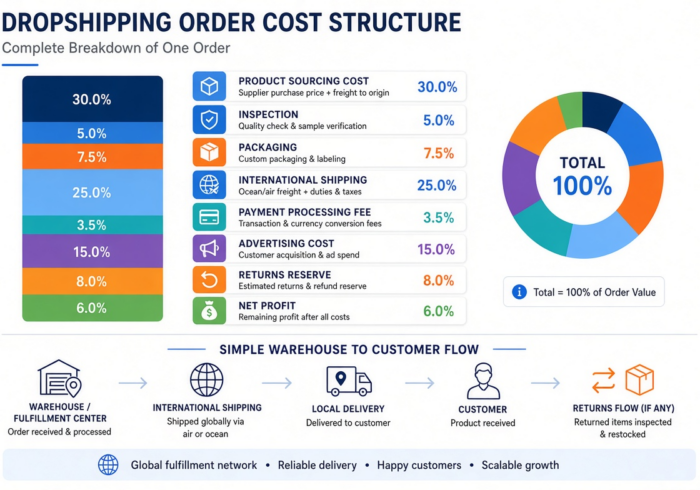
– High landed costs: Hidden fees, poor consolidation, and inefficient shipping routes. [zjxw.hqcswzx]
– Supplier reliability: Late shipments, inconsistent quality, and poor communication. [cadcrowd]
– Complex payments: FX friction, limited payment options, and trust issues. [ecommerceseoservices]
– Inventory risk: Over‑ordering because MOQs are high or production planning is unclear. [zjxw.hqcswzx]
Platforms like Looperbuy address these pain points by integrating procurement, inspection, warehousing, and shipping into a single managed solution, often with transparent pricing and clear SLAs. For many B2B sellers, this is the difference between constantly firefighting and running a predictable, scalable operation. [siegemedia]
Practical Steps: How to Use These Sites to Find and Validate Manufacturers
Here is a simple, repeatable workflow I recommend to B2B clients when using manufacturer websites. [german.globalsources]
1. Start With Intent‑Driven Keyword Searches
On platforms like Alibaba, Global Sources, or directories, avoid broad searches like “valves” or “toys”. Instead, use long‑tail descriptors that mirror how your buyers speak, for example: [german.globalsources]
– “stainless steel ball valves for chemical plants”
– “biodegradable mailer bags for e‑commerce brands”
– “custom CNC machined aluminum automotive parts”
This approach typically surfaces more specialized factories and filters out generic trading companies. [cadcrowd]
2. Shortlist Based on Data, Not Just Price
When browsing manufacturer profiles, I look at: [german.globalsources]
– Export markets and years in business
– Certifications (ISO, CE, FDA, etc.)
– On‑time delivery rate and transaction volume (if provided)
– Response time and communication quality in initial messages
Price is important, but a 10% cheaper quote means nothing if defect rates double. [cadcrowd]
3. Use Samples and Small Batches to De‑Risk
Always structure your first orders as learning exercises: [cadcrowd]
1. Order samples from 3–5 suppliers.
2. Run standardized tests (dimension checks, stress tests, packaging review).
3. Use a small pilot batch before committing to a large production run.
Managed platforms that include quality inspection or local teams can significantly reduce your on‑site workload here. [ecommerceseoservices]
4. Integrate Fulfillment to Avoid Warehousing Overload
Once you’ve validated a product, consider whether you want to: [zjxw.hqcswzx]
– Store inventory in your own warehouse,
– Use 3PLs in your target market, or
– Use platform‑based fulfillment and dropshipping from China directly to your customers.
Looperbuy, for example, is built around the idea of reducing or even eliminating your own warehousing and logistics complexity for many product lines. [ecommerceseoservices]
Quick Comparison: Popular Manufacturer Websites vs Looperbuy
The table below summarizes how mainstream manufacturer websites compare to a managed sourcing + fulfillment platform like Looperbuy from a practical B2B user perspective. [german.globalsources]
| Platform Type | Typical Strengths | Typical Limitations | Where Looperbuy Adds Value |
| Global marketplaces (Alibaba, etc.) | Huge supplier base, broad coverage | Time‑consuming vetting, variable quality | Curated suppliers, reduced screening work |
| China wholesale (1688, etc.) | Very low prices, deep local supply | Language barrier, limited support | Local expertise, English‑friendly workflows |
| Directories (Find My Manufacturer) | Good for discovery and research | No logistics or operations support | End‑to‑end procurement and fulfillment |
| General B2B platforms | Brand recognition, many categories | Limited focus on lean B2B operations | Designed for low‑inventory, dropship‑friendly models |
UX and Content Tips if You’re a B2B Seller Using These Platforms
From a UX and SEO perspective, manufacturer websites are only half the story — your own product pages and category content must convert traffic into trust. [mrs]
Practical UX tips:
– Use short paragraphs and bolded key phrases so busy buyers can scan quickly. [mrs]
– Add bullet‑point specs (materials, dimensions, certifications, use cases) instead of hiding them in long text. [ecommerceseoservices]
– Include comparison tables for similar SKUs to reduce decision friction. [siegemedia]
– Show real‑world photos, packaging shots, and workflow diagrams (especially helpful when explaining your sourcing and fulfillment model). [mrs]
These same UX principles are what make B2B content perform better in search as well, improving dwell time and engagement — both important, though indirect, SEO signals. [mrs]
Actionable Checklist Before Choosing a Manufacturer Website
If you remember only one section, make it this checklist. [keensourcing]
Before you commit to a platform or supplier, ask yourself:
1. Do I understand this platform’s strengths and weaknesses for my category and order volume?
2. Can I clearly see supplier verification data, certifications, and reviews?
3. Do I have a plan for quality control, shipping, and returns, or am I leaving everything to chance?
4. Is there a way to reduce my inventory risk, for example through smaller MOQs, test orders, or integrated fulfillment?
5. Could a managed solution like Looperbuy simplify sourcing + logistics enough to justify platform fees or service charges?
When these answers are clear, you’re no longer just “finding manufacturers” — you’re designing a resilient, low‑friction supply chain that can actually scale. [siegemedia]
Build a Leaner Supply Chain With Looperbuy
If you’re a global B2B seller who wants reliable China products without building your own local sourcing team, it may be time to test a different model. [zjxw.hqcswzx]
Instead of juggling multiple manufacturers, freight forwarders, and warehouses, you can: [zjxw.hqcswzx]
– Use Looperbuy to source verified products and manufacturers in China.
– Run small test orders to validate quality and demand.
– Let Looperbuy handle procurement, consolidation, and dropshipping directly to your B2B or marketplace buyers.
You stay focused on branding, marketing, and customer relationships, while your supply chain quietly runs in the background. [ecommerceseoservices]
Ready to reduce inventory risk and sourcing complexity?
Start a pilot project with Looperbuy and compare the time, cost, and stress savings against your current setup. [zjxw.hqcswzx]
FAQs About Websites to Find Manufacturers
1. What is the best website to find manufacturers for new products?
There is no single “best” site; Alibaba, Global Sources, and Made‑in‑China are widely used for general categories, while specialized directories like Find My Manufacturer help you locate niche factories. Your choice should depend on product type, order volume, and need for support. [findmymanufacturer]
2. How can I verify if a manufacturer is reliable?
Check certifications, factory photos, export history, and third‑party audits when available, and always run sample orders and small pilot batches before scaling. Using platforms that offer inspection, escrow, or managed sourcing services further reduces risk. [cadcrowd]
3. Is it cheaper to source directly from 1688 than from global platforms?
1688 often lists very competitive domestic prices, but language barriers, limited support, and logistics complexity can add hidden costs and risks. Many overseas buyers find that using a sourcing partner or platform that understands 1688 and local suppliers leads to better total cost of ownership. [youliantrade]
4. Why would I use a platform like Looperbuy instead of going directly to manufacturers?
Going direct gives you control but also shifts all the workload and risk of quality control, logistics, and inventory onto your team. A platform like Looperbuy centralizes sourcing and fulfillment, enabling lower inventory, simplified operations, and often faster scaling for B2B sellers. [cadcrowd]
5. How do manufacturer websites impact my B2B SEO and content strategy?
Your buyers are also searching online, comparing options just like you. By aligning your product pages, guides, and category content with how people search for manufacturers and solutions, you can turn sourcing knowledge into a competitive SEO advantage. [siegemedia]
References
– Global Sources – “20 Best Websites to Find Manufacturers in 2025” (original concept and platform list).
– Keensourcing – “Top 10 China B2B Marketplaces.”
– Youlian Trade – “283 Commonly Used Sourcing Websites in China.”
– Find My Manufacturer – Manufacturer directory and platform positioning.
– Looperbuy positioning and pain points article (cross‑border procurement challenges and solutions).
– B2B SEO and UX best practices for e‑commerce content. [mrs] | [ecommerceseoservices] | [siegemedia]
– Manufacturing directories and resources for finding factories. [tristatemanufacturers] | [cadcrowd] | [cify.info] | [findmymanufacturer]