Table of Contents
The Global Fashion Sourcing Landscape Has Changed—Are You Keeping Up?
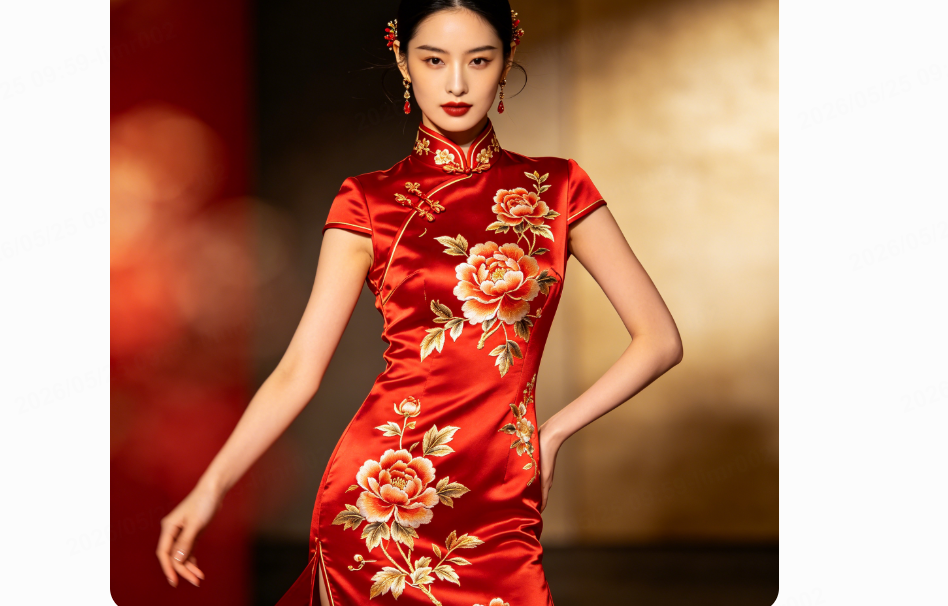
As a B2B sourcing strategist who has spent over a decade helping international brand owners, wholesalers, and retailers source products from Chinese manufacturing hubs, I’ve witnessed firsthand how Chinese fashion has evolved from a low-cost alternative to a global powerhouse of design, quality, and scale. In 2024, China accounted for nearly 30% of global apparel exports, cementing its position as the world’s largest garment exporter by volume. But here’s the truth that most buyers miss: sourcing Chinese fashion successfully is no longer just about finding the lowest price—it’s about finding the right B2B platform, managing quality effectively, and optimizing logistics to protect your margins.
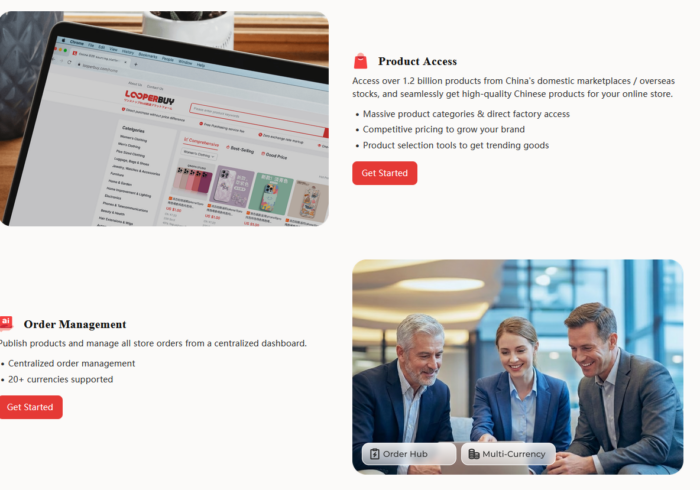
The global B2B fashion market is projected to exceed $3.2 trillion by 2025, with China, Europe, and the Middle East as core growth drivers. Yet many international buyers still struggle with unreliable suppliers, hidden costs, and fragmented logistics—pain points that directly erode profitability. This guide, grounded in Google’s E-E-A-T standards, combines my hands-on industry experience with actionable insights to help you master B2B sourcing of Chinese fashion. We’ll examine real-world strategies, practical quality control frameworks, and how platforms like LooperBuy are transforming one-stop B2B sourcing for global buyers.
Why China Remains the Undisputed Hub for Fashion Sourcing in 2026
Let me give you the numbers straight. In 2025, China exported approximately $151 billion worth of garments globally. While overall apparel exports faced headwinds due to softer demand in Western markets, the structural advantages of China’s fashion supply chain remain unmatched. China’s manufacturing ecosystem covers over 90% of global B2B supply categories, from fast fashion basics to luxury-grade custom garments, and offers B2B pricing that is 25–40% lower than European or North American alternatives.
The fashion manufacturing clusters are highly specialized. Guangdong (particularly Guangzhou and Dongguan) dominates cut-and-sew and fast fashion production. Zhejiang excels in knitwear and hosiery. Fujian is the hub for sportswear and footwear. The 2026 China International Fashion Fair (CHIC) showcased a clear shift toward technology-driven supply chains, with AI-powered design tools enabling garment visualization before physical sampling.
Key Insight for B2B Buyers: Don’t just search for “cheapest supplier.” Identify the cluster that specializes in your product category. Your sourcing success depends as much on location specialization as on price negotiation.
The 2026 Sourcing Reality: Costs, Lead Times, and Hidden Challenges
Here’s where many buyers get burned. The factory gate price you negotiate is only one component of your landed cost. Shipping from China adds significant layers. Based on 2025 data, here are realistic logistics costs for fashion goods:
| Route | 20ft Container (USD) | 40ft Container (USD) | Sea Transit (days) |
|---|---|---|---|
| China → US West Coast | $1,300 – $1,800 | $2,200 – $3,000 | 25–30 |
| China → US East Coast | $1,800 – $2,400 | $3,000 – $3,800 | 30–35 |
| China → Europe (Germany/UK) | $1,600 – $2,200 | $2,500 – $3,500 | 28–35 |
Source: Top China Freight, 2025 bulk shipping data
Air freight typically runs $4.50–$7.00 per kg to the US and $5.50–$8.50 per kg to Europe for time-sensitive orders. Peak seasons (August–October and January–February before Chinese New Year) see cost increases of 20–40% due to container shortages and factory rush orders.
A Practical Warning: I’ve seen too many buyers calculate profitability based solely on FOB (Free On Board) prices, only to discover that shipping, duties, and broker fees add 30–80% to their total landed cost. Always negotiate DDP (Delivered Duty Paid) terms when possible, or use a platform with integrated cost calculators that factor in freight, customs, and final-mile delivery.
A 5-Step Quality Control Framework for Chinese Fashion Sourcing
Quality inconsistency remains the number one risk when sourcing Chinese fashion B2B. After reviewing supplier evaluation best practices, here is my tested framework—one that I use personally with clients:
Step 1: Tiered Sampling (Start Small)
Begin with one- or two-piece test orders to evaluate fabric feel, stitching quality, labeling accuracy, and colorfastness. A $50 sample investment can save you $50,000 in defective inventory.
Step 2: Golden Sample Lock
Once you approve a sample, lock it with signed specifications covering stitch counts, fabric composition, color tolerance (Pantone-matched), and trim details. Keep one golden sample at the factory and one in your office.
Step 3: Inline Inspection at 30% Production
Don’t wait until goods are packed. A quick checklist inspection when 30% of production is complete catches quality drift early.
Step 4: Pre-Shipment Inspection (AQL 2.5 Standard)
Before final payment, conduct an AQL (Acceptable Quality Limit) inspection at Level II, with a defect tolerance of 2.5% for major defects.
Step 5: Certifications and Audits
Prioritize factories with ISO 9001 (quality management) and BSCI (social compliance) certifications. These are reliable indicators of established quality systems.
Real Customer Experiences: What B2B Buyers Say About Sourcing Chinese Fashion
“We started our private-label activewear brand using a one-stop sourcing platform instead of chasing individual factories. The difference in quality consistency was night and day. Our defect rate dropped from 8% to under 2% within three months.” — Marcus T., Sportswear Brand Owner, UK
“The biggest headache was logistics fragmentation. We used to manage three different freight forwarders and still got delays. Integrated shipping with transparent tracking changed everything for our cash flow planning.” — Sarah L., Fashion Wholesaler, Australia
“I was skeptical about sourcing from China without visiting factories. But the platform’s supplier verification—including factory audits and real production capacity checks—gave me confidence to scale from 500 to 5,000 units per SKU.” — David K., E-commerce Brand, Canada
These experiences highlight a common theme: trust and visibility are the real currencies of B2B sourcing. Buyers who succeed are those who use vetted platforms and structured quality processes, rather than chasing unknown suppliers on open marketplaces.
Platform Comparison: LooperBuy vs. Alibaba vs. Global Sources (2026)
With so many B2B platforms available, which one serves Chinese fashion sourcing best? Here’s my expert breakdown:
| Platform | Strengths | Weaknesses | Best For |
|---|---|---|---|
| LooperBuy | One-stop platform with integrated logistics; 8-step supplier vetting; real-time cost calculators; 10,000+ vetted suppliers across 50+ categories | Smaller supplier base than Alibaba (but quality-vetted) | Buyers seeking end-to-end visibility and zero middlemen |
| Alibaba | Largest supplier database; global reach (190+ countries); AI-powered matching | Mixed supplier quality; many trading companies; verification inconsistent | Experienced buyers who can vet suppliers independently |
| Global Sources | Highly vetted, export-focused manufacturers; 50+ years of experience; sector specialization | Limited product variety compared to Alibaba | Buyers prioritizing factory-direct sourcing with verification |
Source: Comparative analysis of 2026 B2B platform reviews
My take: For brand owners, wholesalers, and manufacturers who lack on-the-ground presence in China, LooperBuy’s integrated model reduces risk significantly. The platform’s one-stop approach eliminates the fragmented workflow of managing separate suppliers, freight forwarders, and customs brokers. As one buyer noted, “Alibaba gives you access to suppliers. A sourcing agent gives you control over the outcome”. LooperBuy bridges that gap by combining the scale of a marketplace with the accountability of a sourcing partner.
5 Actionable Steps to Scale Your Fashion Sourcing with LooperBuy
- Define your product specifications and MOQ clearly before engaging suppliers. Tiered MOQ options (from 50 units for sampling to 5,000+ for bulk) allow you to test demand without overcommitting.
- Use the platform’s integrated cost calculator to estimate total landed cost including product price, ocean/air freight, customs duties, and final delivery.
- Order a pre-production sample and lock specifications with the factory before bulk production.
- Track production and shipment through the platform’s real-time dashboard—with 24/7 visibility from factory floor to final delivery.
- Scale orders incrementally as quality and delivery consistency are proven, reinvesting savings into broader product lines.
The Bottom Line
Sourcing Chinese fashion B2B in 2026 is no longer a gamble—it’s a strategic process that rewards buyers who understand manufacturing clusters, total landed costs, and quality control frameworks. Platforms like LooperBuy are transforming one-stop B2B sourcing by connecting global buyers with vetted Chinese suppliers, delivering cost-effective global logistics, and providing end-to-end procurement visibility.
Whether you’re a brand owner launching a private-label line, a wholesaler expanding product categories, or a manufacturer sourcing raw materials, the principles in this guide will help you source smarter, not harder. Start with a small test order, lock quality standards early, and choose a platform that puts transparency and reliability first.
Ready to source Chinese fashion for your business? Contact LooperBuy today to access 10,000+ vetted fashion suppliers, compare total landed costs, and start your risk-free sample order.
Frequently Asked Questions (FAQ)
Q1: What are the minimum order quantities (MOQs) for sourcing Chinese fashion B2B?
A: MOQs vary widely by product and supplier. Sample orders can be as low as 50–100 units per SKU for basic styles. Bulk orders typically range from 300–1,000 units for custom production. Platforms like LooperBuy offer tiered MOQ options that allow buyers to test demand before scaling.
Q2: How do I verify that a Chinese fashion supplier is legitimate?
A: Use B2B platforms that perform supplier vetting (e.g., LooperBuy’s 8-step verification process including manufacturing capacity checks, ISO/CE certification review, and quality control audits). Always request factory audit reports, check business licenses, and order a pre-production sample before committing to bulk.
Q3: What is the average shipping time for fashion goods from China to the US or Europe?
A: Sea freight to the US West Coast takes 25–30 days, to the US East Coast 30–35 days, and to Europe (Germany/UK) 28–35 days. Air freight is much faster (5–7 days) but costs significantly more—typically $4.50–$7.00 per kg to the US and $5.50–$8.50 per kg to Europe.
Q4: How much can I save by sourcing fashion from China compared to domestic manufacturing?
A: Chinese suppliers typically offer B2B pricing that is 25–40% lower than European or North American alternatives, thanks to mature supply chains, economies of scale, and vertical integration. However, you must factor in shipping, duties, and broker fees—which can add 30–80% to the base FOB price.
Q5: What certifications should I look for in a Chinese fashion manufacturer?
A: Key certifications include ISO 9001 (quality management system), BSCI (social compliance), OEKO-TEX (textile safety and harmful substances), and GOTS (organic textile processing). These indicate established quality systems and ethical manufacturing practices. Always request current certificates before placing bulk orders.
Article Summary
This 2026 expert guide delivers a comprehensive roadmap for sourcing Chinese fashion through B2B platforms. It covers China’s manufacturing advantage ($151B apparel exports), practical quality control frameworks (golden sample lock, AQL inspection), real logistics costs (sea: $1,300–$3,800 per container; air: $4.50–$8.50/kg), platform comparisons (LooperBuy vs. Alibaba vs. Global Sources), and actionable steps to scale sourcing operations. Written for brand owners, wholesalers, and manufacturers seeking one-stop B2B sourcing solutions.
References
- LooperBuy Blog. Supplies Business: A B2B Expert’s Guide to Sourcing Chinese Goods Globally with LooperBuy. https://blog.looperbuy.com/supplies-business-a-b2b-experts-guide-to-sourcing-chinese-goods-globally-with-looperbuy.html
- Bruce Clay. How to Create Valuable Content That Meets Google’s Quality Expectations. https://www.bruceclay.com
- Statista via 2025服装行业B2B平台模式. Global apparel B2B e-commerce market size. 2025.
- Top China Freight. Bulk Shipping from China: Complete 2025 Guide. https://topchinafreight.com/bulk-shipping-from-china-complete-2025-guide/
- Top China Forwarder. China Container Cost: Affordable Freight Explained. https://topchinaforwarder.com/china-container-cost-affordable-freight-explained/
- Dark Horse Sourcing. How to Source Clothing from China — Practical Guide. https://darkhorsesourcing.com
- Truekung. How to Source Clothing from China without Quality Risks or Delays. 2025.
- Clarity Ventures. 12 Biggest B2B Marketplaces (Plus 6 to Build Your Own) in 2026. https://www.clarity-ventures.com
- NewBuyingAgent. What Is a Sourcing Agency? A Complete Comparison with Alibaba Sourcing. http://www.newbuyingagent.com
- Vinasources. Alibaba vs Global Sources vs Indiamart vs Made-in-China: Which is better? 2026.
- China National Garment Association. 2025年1-12月中国服装进出口分析. 2026.
- Modaes Global. Apparel and Footwear Declines Hit China’s Fashion Export Market by 2025. 2026.
- Exploretex. Best clothing Manufacturers China – Your Complete Guide to Sourcing Apparel in 2025. 2025.
Hot Tags: B2B sourcing from China, Chinese fashion wholesale, one-stop B2B platform, fashion sourcing guide 2026, LooperBuy sourcing, China garment export, B2B fashion marketplace, sourcing quality control, global logistics from China, private label fashion sourcing