Table of Contents
Introduction to Drop Shipping
Drop shipping has emerged as a popular business model in the e-commerce landscape, allowing entrepreneurs to sell products without the need to maintain inventory. This model offers a unique opportunity for individuals looking to start their own business with minimal upfront investment. In this article, we will explore the basics of drop shipping, including how it works, its advantages and disadvantages, and essential strategies for success.
What is Drop Shipping?
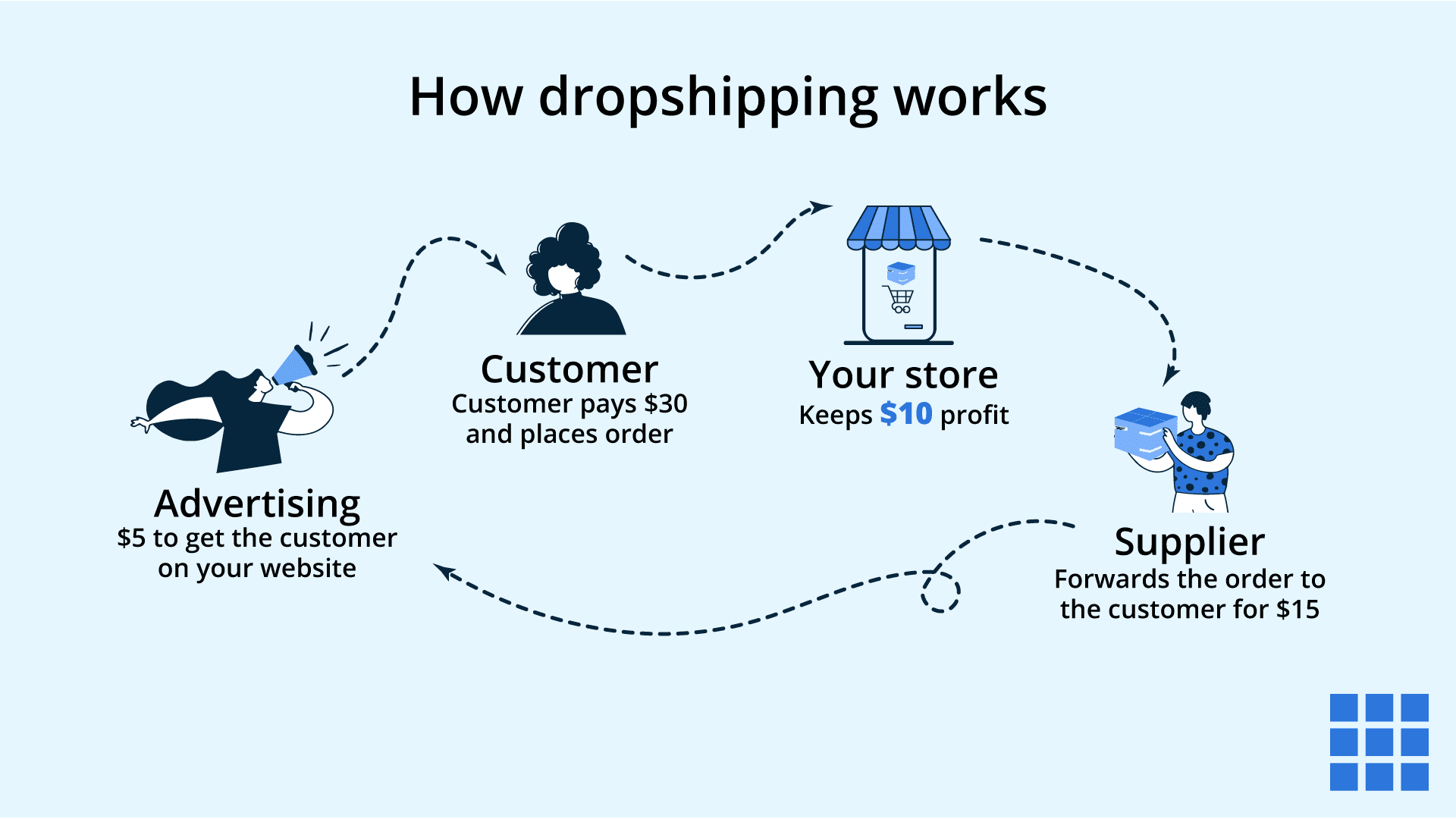
Drop shipping is a retail fulfillment method where a store does not keep the products it sells in stock. Instead, when a store sells a product, it purchases the item from a third party and has it shipped directly to the customer. As a result, the seller never sees or handles the product. This model allows entrepreneurs to focus on marketing and customer service rather than inventory management.
How Drop Shipping Works
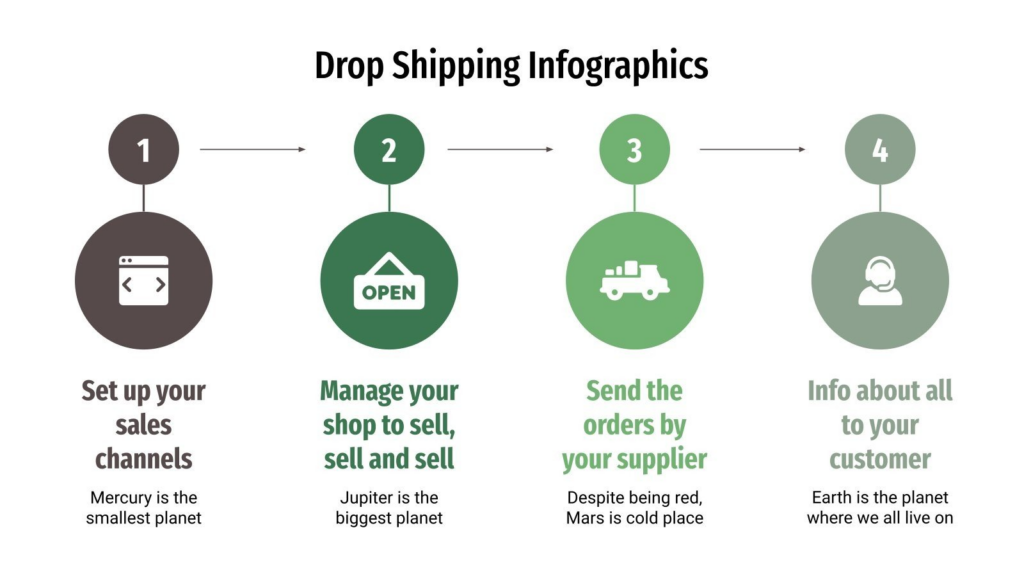
The drop shipping process involves several key steps:
- Setting Up an Online Store: Entrepreneurs can create an online store using platforms like Shopify, WooCommerce, or BigCommerce. These platforms provide the necessary tools to build and manage an e-commerce site.
- Choosing a Niche: Selecting a specific niche is crucial for success in drop shipping. Entrepreneurs should research market trends and consumer demands to identify profitable products.
- Finding Suppliers: Once a niche is chosen, the next step is to find reliable suppliers. Platforms like AliExpress, Oberlo, and SaleHoo connect drop shippers with suppliers who offer products at wholesale prices.
- Listing Products: After establishing a relationship with suppliers, entrepreneurs can list products on their online store. This includes writing product descriptions, setting prices, and uploading images.
- Processing Orders: When a customer places an order, the drop shipper forwards the order details to the supplier, who then ships the product directly to the customer.
- Customer Service: The drop shipper is responsible for handling customer inquiries, returns, and complaints, ensuring a positive shopping experience.
Advantages of Drop Shipping
Drop shipping offers several advantages that make it an attractive option for aspiring entrepreneurs:
Low Startup Costs
One of the most significant benefits of drop shipping is the low startup costs. Entrepreneurs do not need to invest in inventory upfront, which reduces financial risk. This model allows individuals to start a business with minimal capital.
Flexibility and Scalability
Drop shipping provides flexibility in terms of location and working hours. Entrepreneurs can run their businesses from anywhere with an internet connection. Additionally, as the business grows, it can easily scale without the need for significant investments in inventory or warehousing.
Wide Product Selection
With drop shipping, entrepreneurs can offer a vast range of products without the constraints of inventory. This allows them to test different products and niches without committing to large quantities.
Reduced Risk
Since drop shippers do not purchase inventory until a sale is made, the risk of unsold stock is significantly reduced. This model allows entrepreneurs to pivot quickly if a product does not perform well.
Disadvantages of Drop Shipping
While drop shipping has its advantages, it also comes with challenges that entrepreneurs should consider:
Lower Profit Margins
Drop shipping typically involves lower profit margins compared to traditional retail models. Since drop shippers purchase products at wholesale prices, they must price competitively to attract customers, which can squeeze profit margins.
Inventory Issues
Managing inventory can be challenging in a drop shipping model. Since products are sourced from multiple suppliers, stock levels can fluctuate, leading to potential stockouts or delays in fulfillment.
Shipping Complexities
When working with multiple suppliers, shipping costs and times can vary significantly. This can complicate the fulfillment process and impact customer satisfaction.
Limited Control Over Supply Chain
Drop shippers rely on suppliers for product quality and shipping times. If a supplier fails to deliver on time or provides subpar products, it can negatively affect the drop shipper’s reputation.
Essential Strategies for Success in Drop Shipping
To succeed in the competitive world of drop shipping, entrepreneurs should implement effective strategies:
Conduct Thorough Market Research
Understanding market trends and consumer preferences is crucial for selecting the right products. Entrepreneurs should use tools like Google Trends, social media insights, and competitor analysis to identify profitable niches.
Build Strong Supplier Relationships
Establishing reliable relationships with suppliers is essential for ensuring product quality and timely fulfillment. Entrepreneurs should communicate regularly with suppliers and consider ordering samples to assess product quality.
Optimize Your Online Store
A well-designed online store can significantly impact sales. Entrepreneurs should focus on creating an attractive, user-friendly website with high-quality images, detailed product descriptions, and easy navigation.
Implement Effective Marketing Strategies
Marketing is key to driving traffic to an online store. Entrepreneurs should leverage social media, email marketing, and search engine optimization (SEO) to reach their target audience. Paid advertising, such as Google Ads or Facebook Ads, can also be effective in generating sales.
Provide Excellent Customer Service
Customer service plays a vital role in building a loyal customer base. Entrepreneurs should respond promptly to inquiries, address concerns, and handle returns efficiently. Positive customer experiences can lead to repeat business and referrals.
Advanced Strategies for Drop Shipping Success
As entrepreneurs become more familiar with the drop shipping model, they can implement advanced strategies to further enhance their business operations and profitability.
Utilize Automation Tools
Automation tools can streamline various aspects of a drop shipping business, from order processing to inventory management. Tools like Oberlo and Spocket can help automate product imports and order fulfillment, allowing entrepreneurs to focus on marketing and customer engagement.
Leverage Data Analytics
Data analytics can provide valuable insights into customer behavior, sales trends, and inventory performance. By analyzing this data, entrepreneurs can make informed decisions about product selection, pricing strategies, and marketing campaigns.
Focus on Branding
Building a strong brand identity can differentiate a drop shipping business from competitors. Entrepreneurs should invest in professional branding, including logo design, packaging, and a cohesive online presence. A strong brand can foster customer loyalty and increase perceived value.
Explore Multiple Sales Channels
In addition to an online store, entrepreneurs can expand their reach by selling on multiple platforms, such as Amazon, eBay, or Etsy. This diversification can help capture a broader audience and increase sales opportunities.
Stay Updated on Industry Trends
The e-commerce landscape is constantly evolving, and staying informed about industry trends is crucial for success. Entrepreneurs should follow industry blogs, attend webinars, and participate in online forums to keep up with the latest developments in drop shipping and e-commerce.
Legal Considerations in Drop Shipping
Starting a drop shipping business involves various legal considerations that entrepreneurs must address to ensure compliance and protect their interests.
Business Structure
Choosing the right business structure is essential for legal and tax purposes. Entrepreneurs can operate as sole proprietors, partnerships, or limited liability companies (LLCs). Each structure has its advantages and disadvantages, so it’s important to consult with a legal professional to determine the best option.
Sales Tax Compliance
Drop shippers must understand sales tax regulations in the states where they operate. Depending on the location of the business and the customers, entrepreneurs may be required to collect and remit sales tax. It’s crucial to stay informed about tax laws to avoid penalties.
Intellectual Property Rights
Entrepreneurs should be aware of intellectual property rights when selecting products to sell. This includes ensuring that products do not infringe on trademarks, copyrights, or patents. Conducting thorough research and working with reputable suppliers can help mitigate these risks.
Terms and Conditions
Creating clear terms and conditions for the online store is essential for protecting the business and informing customers about policies related to shipping, returns, and refunds. Entrepreneurs should also include a privacy policy to outline how customer data will be used and protected.
Managing Customer Service in Drop Shipping
Effective customer service is critical in the drop shipping business model, where customer satisfaction can significantly impact sales and brand reputation. Here are some strategies to manage customer service effectively:
Set Clear Expectations
From the moment a customer places an order, it is essential to set clear expectations regarding shipping times, product quality, and return policies. Providing accurate information upfront can help prevent misunderstandings and dissatisfaction.
Use Customer Relationship Management (CRM) Tools
Implementing CRM tools can help manage customer interactions and streamline communication. These tools can track customer inquiries, manage support tickets, and provide insights into customer behavior, allowing for more personalized service.
Train Your Team
If you have a team handling customer service, ensure they are well-trained in product knowledge, company policies, and effective communication techniques. A knowledgeable and friendly team can enhance the customer experience and build trust.
Encourage Feedback
Encouraging customers to provide feedback can help identify areas for improvement. Use surveys, reviews, and direct communication to gather insights on customer experiences and make necessary adjustments.
Respond Promptly
Timely responses to customer inquiries can significantly enhance customer satisfaction. Aim to respond to emails and messages within 24 hours, and consider using chatbots for immediate assistance during off-hours.
Conclusion
Drop shipping offers a unique opportunity for aspiring entrepreneurs to enter the e-commerce market with minimal investment. By understanding the basics of drop shipping, including its advantages and challenges, individuals can develop effective strategies to build successful online businesses. With thorough market research, strong supplier relationships, and a focus on customer service, drop shippers can thrive in this competitive landscape. Additionally, by implementing advanced strategies, addressing legal considerations, and staying informed about industry trends, entrepreneurs can position themselves for long-term success in the drop shipping industry.
As you embark on your drop shipping journey, remember that the right products can make all the difference in your success—explore a wide range of trending items at unbeatable prices to elevate your store today! Check out LooperBuy.
Article Summary
This article provides a comprehensive overview of drop shipping, explaining its definition, how it works, and the advantages and disadvantages of this business model. It outlines essential strategies for success, including market research, supplier relationships, and effective marketing techniques. Additionally, it discusses advanced strategies, legal considerations, and the importance of branding and data analytics. Entrepreneurs can leverage drop shipping to start their own businesses with minimal investment and risk.
Hot Tags: Drop Shipping; E-commerce; Online Business; Retail Fulfillment; Supplier Relationships; Market Research; Customer Service; Profit Margins; Inventory Management; Shipping Solutions; Niche Selection; Digital Marketing; SEO Strategies; Social Media Marketing; Business Scalability; Startup Costs; Product Quality; Order Fulfillment; Customer Experience; E-commerce Platforms; Business Growth; Sales Strategies; Online Store Design; Consumer Trends; Wholesale Products; Business Model; Financial Risk; Entrepreneurial Success; E-commerce Trends; Product Sourcing
Related Questions & Answers
· What are the most profitable niches for drop shipping in 2024?
Some of the most profitable niches for drop shipping in 2024 include health and wellness products, eco-friendly items, tech gadgets, and home fitness equipment. Researching current trends and consumer demands can help identify lucrative opportunities.
· How can I effectively manage customer service for my drop shipping store?
To manage customer service effectively, set clear expectations, use CRM tools, train your team, encourage feedback, and respond promptly to inquiries. Providing excellent customer service can enhance customer satisfaction and loyalty.
· What are the best platforms for finding reliable drop shipping suppliers?
Some of the best platforms for finding reliable drop shipping suppliers include AliExpress, Oberlo, Spocket, and SaleHoo. These platforms connect entrepreneurs with suppliers who offer a wide range of products at competitive prices.