Dropshipping has emerged as a popular business model for aspiring entrepreneurs looking to enter the e-commerce space without the burden of inventory management. However, succeeding in dropshipping requires more than just setting up an online store. This article will explore the essential strategies and best practices that can help you thrive in the competitive world of dropshipping.
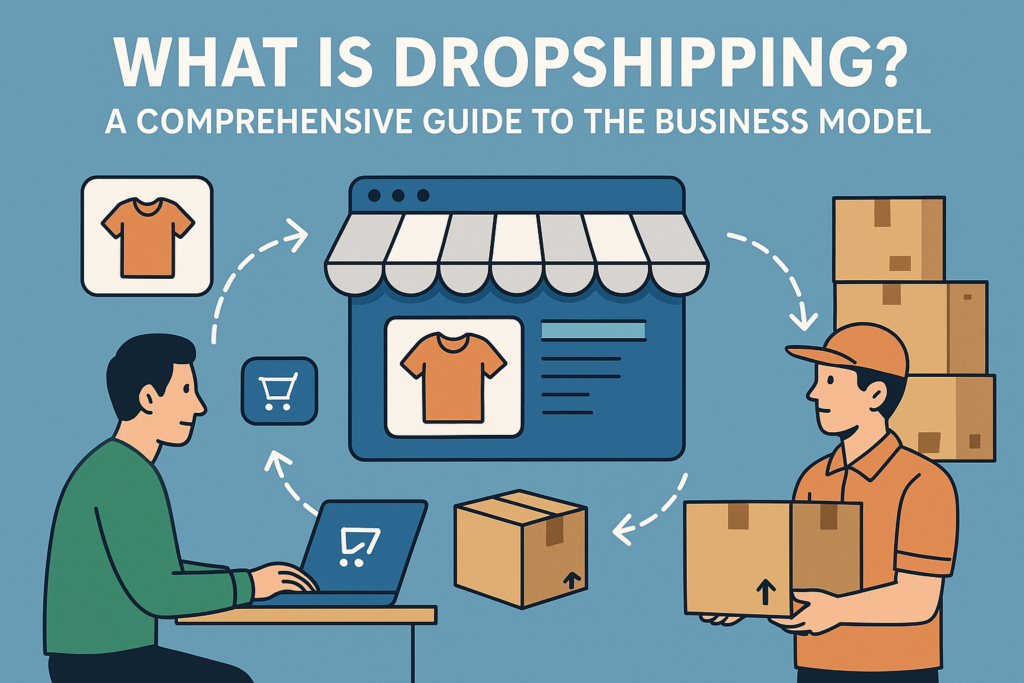
Table of Contents
Understanding Dropshipping
What is Dropshipping?
Dropshipping is a retail fulfillment method where a store does not keep the products it sells in stock. Instead, when a store sells a product, it purchases the item from a third party and has it shipped directly to the customer. This means that the seller does not have to handle the product directly, which significantly reduces overhead costs.
The Benefits of Dropshipping
- Low Startup Costs: One of the most significant advantages of dropshipping is that it requires minimal upfront investment. You don’t need to purchase inventory or manage a warehouse.
- Flexibility: Dropshipping allows you to operate your business from anywhere with an internet connection. This flexibility is ideal for those looking to work remotely or travel.
- Wide Product Selection: You can offer a vast array of products without worrying about inventory management. This allows you to test different niches and find what works best for your audience.
- Scalability: As your business grows, you can easily scale your operations without the need for significant additional investment. You can add new products and suppliers without the logistical challenges of traditional retail.
Key Strategies for Success in Dropshipping
1. Choose the Right Niche
Selecting a profitable niche is crucial for your dropshipping success. A well-defined niche helps you target a specific audience and reduces competition. Here are some tips for choosing the right niche:
Research Market Trends
Utilize tools like Google Trends and social media platforms to identify trending products and consumer interests. Look for gaps in the market where demand exceeds supply. For instance, if you notice a rising interest in eco-friendly products, consider focusing your store on sustainable goods.
Consider Your Interests
Choosing a niche that aligns with your passions can make the business more enjoyable and sustainable. When you are passionate about your products, it shows in your marketing and customer interactions. This enthusiasm can help you connect with your audience on a deeper level.
Analyze Competitors
Conduct a competitive analysis to understand what other businesses in your niche are doing. Identify their strengths and weaknesses, and look for opportunities to differentiate your store. Tools like SEMrush and Ahrefs can help you analyze competitors’ traffic and keywords.
2. Find Reliable Suppliers
Your suppliers play a critical role in your dropshipping business. Partnering with reliable suppliers ensures that your customers receive quality products on time. Here’s how to find trustworthy suppliers:
Use Established Platforms
Platforms like AliExpress, Oberlo, and SaleHoo provide access to vetted suppliers. These platforms often have reviews and ratings that can help you assess supplier reliability. Look for suppliers with a proven track record of timely shipping and quality products.
Order Samples
Before committing to a supplier, order samples of their products. This allows you to evaluate product quality and shipping times firsthand. It also gives you the opportunity to take your own product photos, which can enhance your store’s visual appeal.
Build Relationships
Establishing a good relationship with your suppliers can lead to better pricing, priority shipping, and improved communication. Don’t hesitate to reach out to them with questions or concerns; a responsive supplier can make a significant difference in your business operations.
3. Build a User-Friendly Online Store
Your online store is the face of your dropshipping business. A well-designed, user-friendly website can significantly impact your sales. Here are some elements to consider:
Choose the Right E-commerce Platform
Platforms like Shopify, WooCommerce, and BigCommerce offer user-friendly interfaces and customizable templates. Choose one that fits your technical skills and business needs. Shopify, for example, is known for its ease of use and extensive app marketplace, making it a popular choice for beginners.
Optimize for Mobile
With a growing number of consumers shopping on mobile devices, ensure your website is mobile-friendly. A responsive design improves user experience and can boost conversion rates. Use tools like Google’s Mobile-Friendly Test to check your site’s mobile compatibility.
Create Compelling Product Pages
Your product pages should include high-quality images, detailed descriptions, and customer reviews. Use persuasive language that highlights the benefits of your products. Incorporate SEO best practices by using relevant keywords in your product titles and descriptions to improve visibility in search engines.
4. Implement Effective Marketing Strategies
Marketing is essential for driving traffic to your dropshipping store. Here are some effective strategies:
Utilize Social Media
Platforms like Instagram, Facebook, and Pinterest are excellent for promoting your products. Create engaging content that showcases your products and encourages user interaction. Use stories, reels, and live videos to connect with your audience in real-time.
Invest in Paid Advertising
Consider using Google Ads or Facebook Ads to reach a broader audience. Target specific demographics to maximize your advertising budget. A/B testing different ad creatives and targeting options can help you identify what works best for your audience.
Leverage Influencer Marketing
Partnering with influencers in your niche can help you reach a larger audience. Influencers can provide authentic endorsements that resonate with their followers. Look for micro-influencers who have a dedicated following and align with your brand values.
Email Marketing
Building an email list is crucial for nurturing customer relationships. Use email marketing to send newsletters, promotions, and personalized recommendations. Tools like Mailchimp and Klaviyo can help you automate your email campaigns and segment your audience for targeted messaging.
5. Focus on Customer Service
Providing exceptional customer service can set you apart from competitors. Here’s how to enhance your customer service:
Be Responsive
Respond to customer inquiries promptly. Use chatbots or customer service software to manage inquiries efficiently. A quick response time can significantly improve customer satisfaction and retention.
Offer Easy Returns
A clear and fair return policy can build trust with your customers. Make the return process as simple as possible to encourage repeat business. Consider offering free returns to enhance customer confidence in their purchases.
Gather Customer Feedback
Encourage customers to leave reviews and feedback on their purchases. Use this information to improve your products and services. Positive reviews can also serve as social proof, helping to attract new customers.
6. Monitor Your Performance
To ensure your dropshipping business is on the right track, regularly monitor your performance metrics. Here are some key performance indicators (KPIs) to track:
Sales Metrics
Keep an eye on your sales figures, including total revenue, average order value, and conversion rates. Analyzing these metrics can help you identify trends and areas for improvement.
Traffic Sources
Use tools like Google Analytics to track where your website traffic is coming from. Understanding which marketing channels are most effective can help you allocate your resources more efficiently.
Customer Retention Rates
Monitor how many customers return to make additional purchases. High retention rates indicate that you are providing a good customer experience, while low rates may signal the need for improvement.
7. Stay Updated on Industry Trends
The e-commerce landscape is constantly evolving, and staying informed about industry trends is crucial for long-term success. Here are some ways to keep up:
Follow Industry Blogs and Podcasts
Subscribe to e-commerce blogs and podcasts that provide insights into the latest trends and best practices. Websites like Shopify, Oberlo, and eCommerceFuel offer valuable resources for dropshippers.
Attend Webinars and Conferences
Participating in industry webinars and conferences can provide networking opportunities and insights from successful entrepreneurs. These events often feature expert speakers who share their experiences and strategies.
Join Online Communities
Engage with other dropshippers in online forums and social media groups. Platforms like Reddit and Facebook have active communities where you can ask questions, share experiences, and learn from others.
8. Automate Your Dropshipping Business
As your business grows, consider automating certain aspects to save time and reduce manual work. Here are some areas where automation can be beneficial:
Order Fulfillment
Use automation tools to streamline your order fulfillment process. Platforms like Oberlo and Spocket can automatically process orders and send them to your suppliers, reducing the time you spend on manual tasks.
Inventory Management
Automated inventory management systems can help you keep track of stock levels and prevent overselling. These systems can notify you when stock is low and automatically update your online store to reflect current inventory.
Customer Relationship Management (CRM)
Implement a CRM system to manage customer interactions and data. This can help you track customer behavior, preferences, and purchase history, allowing for more personalized marketing efforts.
9. Handle Returns and Refunds Effectively
Returns and refunds are an inevitable part of e-commerce. Having a clear and efficient process in place can help you manage these situations smoothly:
Create a Clear Return Policy
Your return policy should be easy to understand and accessible on your website. Clearly outline the steps customers need to take to return items, including any time limits and conditions for returns.
Automate Return Processing
Consider using software that automates the return process. This can help you manage returns more efficiently and keep customers informed about the status of their returns.
Communicate with Customers
Keep customers informed throughout the return process. Send confirmation emails when a return is initiated and provide updates on the status of their refund. Good communication can help maintain customer trust even in the event of a return.
10. Explore Emerging Trends in Dropshipping
Staying ahead of the curve is essential for long-term success in dropshipping. Here are some emerging trends to watch for in the coming years:
Sustainability
Consumers are increasingly looking for eco-friendly products. Consider incorporating sustainable products into your inventory and highlighting their environmental benefits in your marketing.
Subscription Models
Subscription-based dropshipping is gaining popularity. This model allows customers to receive products on a regular basis, providing a steady revenue stream for your business.
Personalization
Personalized shopping experiences are becoming more important. Use data analytics to tailor product recommendations and marketing messages to individual customer preferences.
Conclusion
Succeeding in dropshipping requires careful planning, strategic decision-making, and a commitment to customer satisfaction. By choosing the right niche, finding reliable suppliers, building a user-friendly online store, implementing effective marketing strategies, and focusing on customer service, you can create a thriving dropshipping business. Additionally, automating processes, handling returns efficiently, and staying updated on industry trends will further enhance your chances of success. Remember, success in dropshipping doesn’t happen overnight; it takes time, effort, and continuous learning.
As you embark on your dropshipping journey, remember that the right products can make all the difference in capturing your customers’ attention and driving sales. Discover a wide range of trending products that can elevate your store’s offerings at LooperBuy.
Article Summary: This comprehensive guide to dropshipping covers essential strategies for success, including niche selection, supplier management, building a user-friendly online store, effective marketing, customer service, automation, and handling returns. By following these guidelines, aspiring entrepreneurs can navigate the competitive dropshipping landscape and achieve long-term success.
Hot Tags: Dropshipping; E-commerce; Online Business; Niche Selection; Supplier Management; Marketing Strategies; Customer Service; Shopify; AliExpress; Business Model; Profitability; Market Research; Social Media Marketing; Influencer Marketing; Mobile Optimization; User Experience; Sales Funnel; Product Quality; Return Policy; Business Growth; Digital Marketing; E-commerce Trends; Startup Costs; Remote Work; Inventory Management; Customer Retention; Brand Loyalty; Business Strategy; Online Store; Entrepreneurial Success; E-commerce Platforms.
Related Questions & Answers
· What are the best tools for dropshipping automation?
Some of the best tools for dropshipping automation include Oberlo, Spocket, and DSers, which help streamline order fulfillment and inventory management.
· How can I handle returns and refunds effectively in dropshipping?
To handle returns effectively, create a clear return policy, automate the return process, and maintain open communication with customers throughout the return journey.
· What are some emerging trends in dropshipping for 2024?
Emerging trends include a focus on sustainability, subscription-based models, and personalized shopping experiences, which can enhance customer engagement and loyalty.