Table of Contents
Introduction to Drop Shipping
In the dynamic world of e-commerce, drop shipping has emerged as a popular business model for entrepreneurs looking to enter the market with minimal risk and investment. This fulfillment method allows retailers to sell products without holding any inventory, making it an attractive option for those who want to start an online business. In this article, we will delve into the numerous benefits of drop shipping, exploring how it can empower entrepreneurs and reshape the retail landscape.
Understanding Drop Shipping
What is Drop Shipping?
Drop shipping is a retail fulfillment method where a store does not keep the products it sells in stock. Instead, when a store sells a product, it purchases the item from a third party and has it shipped directly to the customer. This means that the seller never sees or handles the product, allowing for a more efficient business model. This method has gained traction due to its low startup costs and the ability to operate without the complexities of inventory management.
How Drop Shipping Works
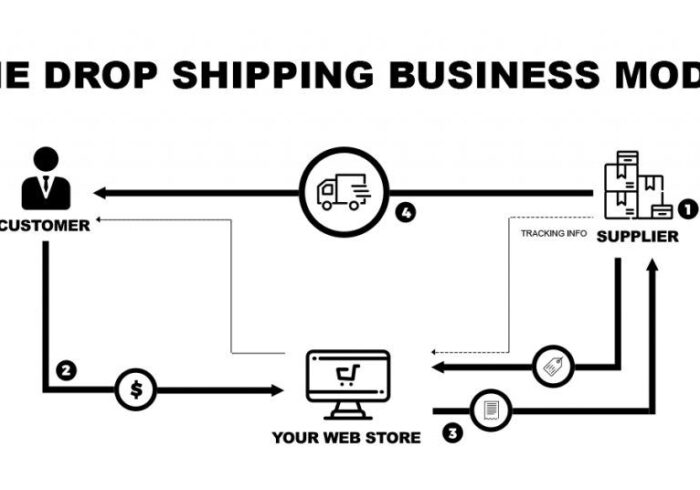
The drop shipping process involves several key players: the retailer, the supplier, and the customer. When a customer places an order on the retailer’s website, the retailer forwards the order details to the supplier, who then ships the product directly to the customer. This seamless process eliminates the need for the retailer to manage inventory or handle shipping logistics, allowing them to focus on marketing and customer service.
Benefits of Drop Shipping
Low Startup Costs
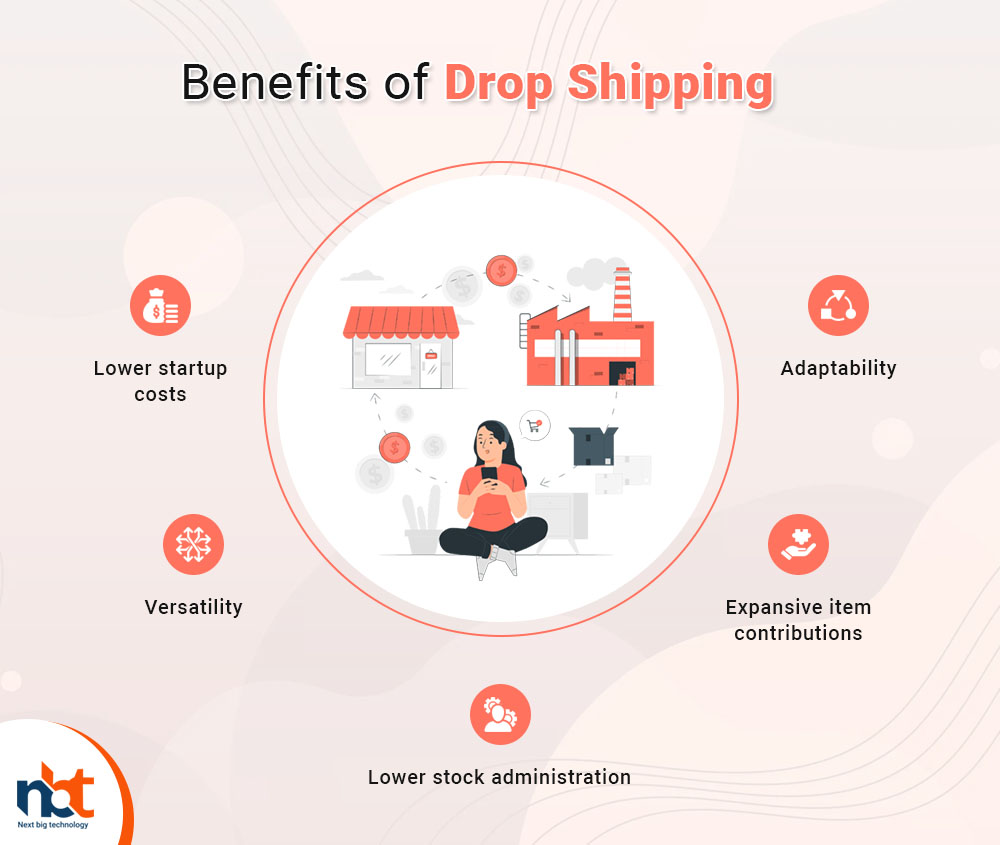
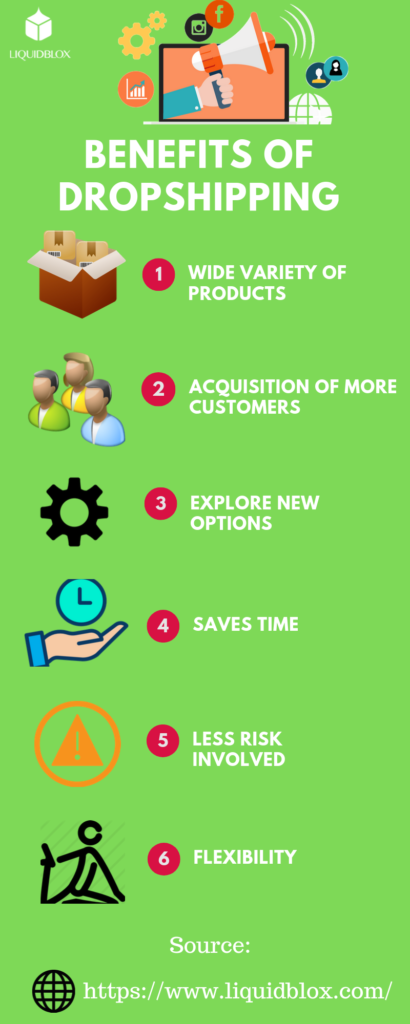
One of the most significant advantages of drop shipping is the low startup costs associated with this business model. Traditional retail businesses often require substantial investments in inventory, warehousing, and logistics. In contrast, drop shipping allows entrepreneurs to start their businesses with minimal financial risk. Since there is no need to purchase inventory upfront, entrepreneurs can allocate their resources to marketing and building their online presence.
Flexibility and Scalability
Drop shipping offers unparalleled flexibility and scalability for entrepreneurs. As demand for products fluctuates, retailers can easily adjust their offerings without the constraints of inventory. This adaptability allows businesses to respond quickly to market trends and customer preferences. Additionally, as a business grows, entrepreneurs can expand their product range without the need for additional storage space or inventory management.
Wide Product Selection
With drop shipping, retailers have access to a vast array of products from various suppliers. This wide selection enables entrepreneurs to cater to diverse customer needs and preferences. Retailers can experiment with different product categories and niches without the risk of being stuck with unsold inventory. This flexibility allows for a more dynamic and responsive business model.
Reduced Risk
The drop shipping model significantly reduces the risks associated with traditional retail. Since retailers do not invest in inventory, they are less vulnerable to market fluctuations and changes in consumer demand. Additionally, if a product does not sell well, retailers can easily remove it from their online store without incurring losses. This risk mitigation is particularly beneficial for new entrepreneurs who may be uncertain about which products will resonate with their target audience.
Focus on Marketing and Customer Service
By eliminating the complexities of inventory management and order fulfillment, drop shipping allows entrepreneurs to concentrate on marketing and customer service. This focus on core business activities can lead to improved customer satisfaction and loyalty. Retailers can invest time in building their brand, engaging with customers, and developing effective marketing strategies to drive sales.
How to Succeed in Drop Shipping
Choosing the Right Niche
Selecting the right niche is crucial for success in drop shipping. Entrepreneurs should conduct thorough market research to identify trending products and underserved markets. By focusing on a specific niche, retailers can differentiate themselves from competitors and establish a loyal customer base. Additionally, niche markets often have less competition, making it easier for new businesses to gain traction.
Finding Reliable Suppliers
The success of a drop shipping business heavily relies on the quality of suppliers. It is essential to partner with reliable suppliers who can deliver products on time and maintain quality standards. Entrepreneurs should research potential suppliers, read reviews, and request samples to ensure they are working with reputable partners. Building strong relationships with suppliers can lead to better pricing, faster shipping times, and improved customer satisfaction.
Implementing Effective Marketing Strategies
To drive traffic to their online store, drop shippers must implement effective marketing strategies. This includes search engine optimization (SEO), social media marketing, and email marketing. By creating engaging content and utilizing targeted advertising, retailers can attract potential customers and convert them into loyal buyers. Additionally, leveraging influencer marketing can help expand brand reach and credibility.
Utilizing Automation Tools
Automation tools can significantly enhance the efficiency of a drop shipping business. By automating tasks such as order processing, inventory management, and customer communication, entrepreneurs can save time and reduce the risk of errors. Tools like Shopify, Oberlo, and Zapier can streamline operations and allow retailers to focus on growth and customer engagement.
Challenges of Drop Shipping
Competition
While drop shipping offers numerous benefits, it also comes with challenges, particularly in terms of competition. The low barrier to entry means that many entrepreneurs are drawn to this business model, leading to a saturated market. To stand out, retailers must differentiate their brand, offer unique products, and provide exceptional customer service.
Quality Control
Maintaining quality control can be challenging in a drop shipping model, as retailers do not handle the products directly. It is essential to establish strong relationships with suppliers and regularly monitor product quality to ensure customer satisfaction. Implementing a feedback system can help gather customer reviews and identify any issues with product quality.
Shipping Times
Shipping times can vary significantly depending on the supplier’s location and shipping methods. Long shipping times can lead to customer dissatisfaction and negatively impact a retailer’s reputation. It is crucial to communicate shipping expectations clearly to customers and consider working with suppliers who offer faster shipping options.
Legal Considerations
Starting a drop shipping business also involves navigating various legal considerations. Entrepreneurs must understand the regulations surrounding e-commerce, including sales tax, consumer protection laws, and data privacy regulations. Consulting with a legal professional can help ensure compliance and reduce the risk of potential legal issues.
Conclusion
Drop shipping presents a unique opportunity for entrepreneurs to enter the e-commerce market with minimal risk and investment. The benefits of low startup costs, flexibility, and a wide product selection make it an attractive business model for those looking to build a successful online store. However, it is essential to navigate the challenges of competition, quality control, and shipping times to create a sustainable and thriving drop shipping business. By leveraging the advantages of drop shipping and implementing effective strategies, entrepreneurs can position themselves for success in the ever-evolving world of e-commerce.
As you explore the incredible benefits of drop shipping, take your business to the next level with LooperBuy’s innovative solutions designed to streamline your operations and maximize your profits. Discover more at https://looperbuy.com/
Related Questions & Answers
· What are the key advantages of drop shipping? The key advantages of drop shipping include low startup costs, flexibility, a wide product selection, reduced risk, and the ability to focus on marketing and customer service.
· How can I find reliable suppliers for my drop shipping business? You can find reliable suppliers by researching platforms like AliExpress, Oberlo, and SaleHoo, and by reading reviews and requesting samples to ensure quality.
· What marketing strategies are effective for drop shipping? Effective marketing strategies for drop shipping include SEO, social media marketing, email marketing, and influencer partnerships to drive traffic and sales.
· What challenges do drop shippers face? Drop shippers face challenges such as competition, quality control, shipping times, and legal considerations that must be navigated for success.
· How can automation tools help in drop shipping? Automation tools can streamline operations by automating tasks like order processing, inventory management, and customer communication, allowing entrepreneurs to focus on growth.
Hot Tags: Benefits of Drop Shipping; E-Commerce Success; Online Retail Strategies; Low Startup Costs; Flexible Business Models; Supplier Relationships; Marketing for Drop Shipping; Quality Control; Entrepreneurial Opportunities