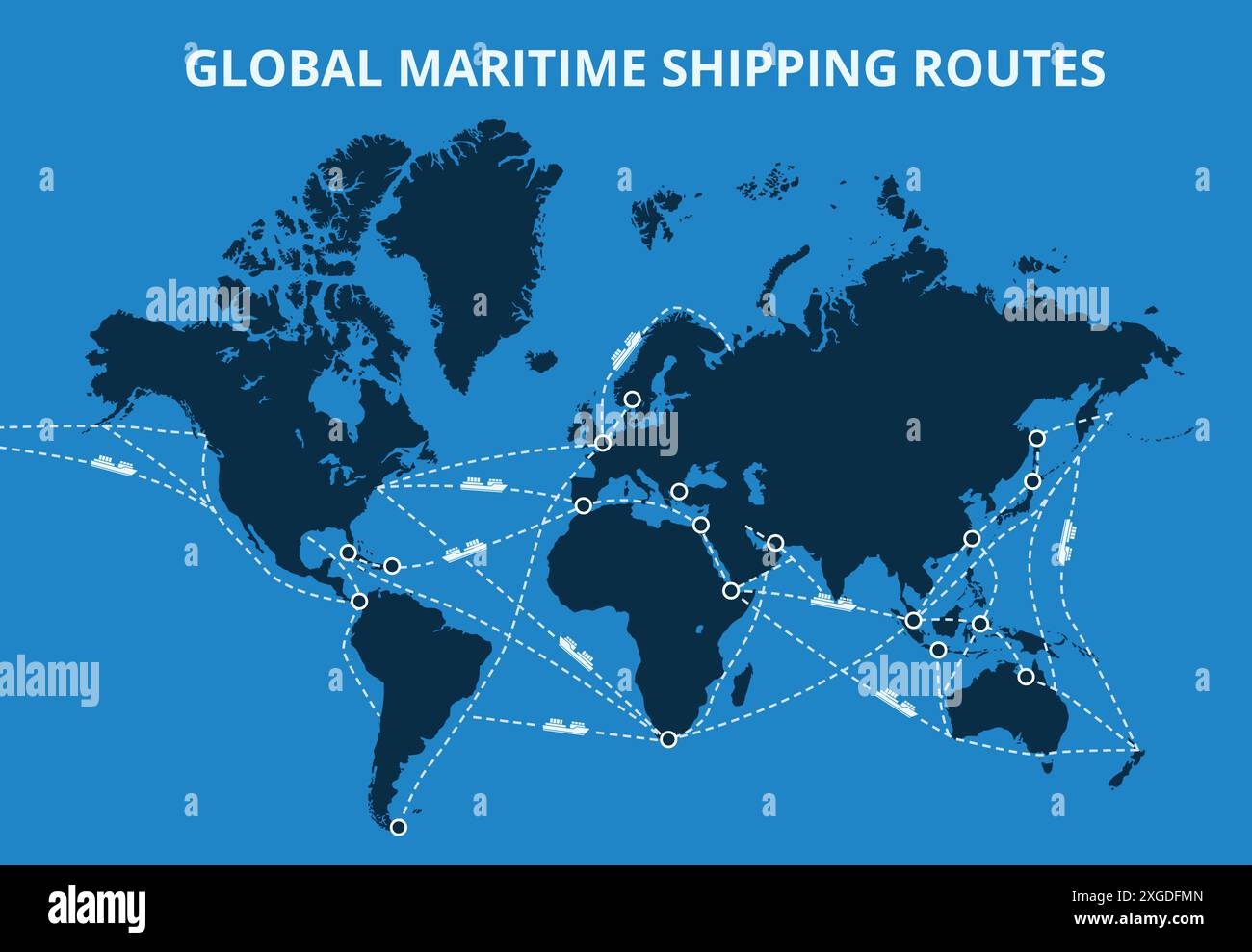
Global shipping ports are the backbone of international trade, serving as critical hubs for the movement of goods across the globe. As the demand for efficient logistics and transportation solutions continues to rise, these ports are evolving to meet the challenges of modern commerce. This article explores the current state of global shipping ports, the innovations shaping their future, and the trends that are redefining how goods are transported worldwide.
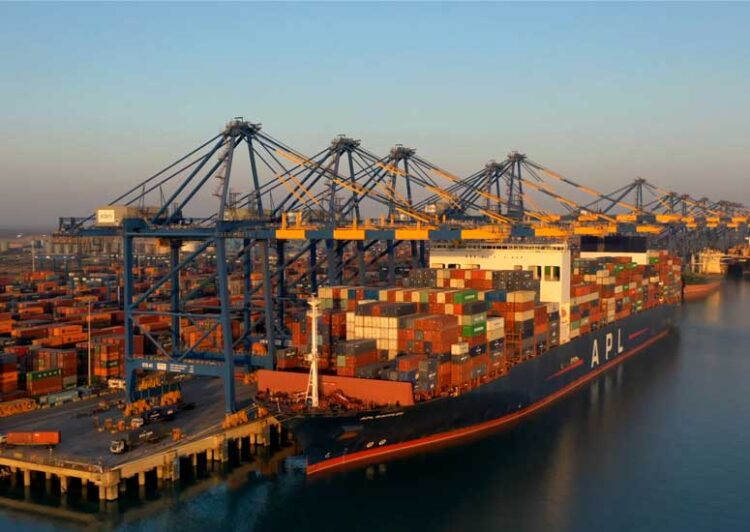
Table of Contents
Understanding Global Shipping Ports
Global shipping ports are facilities where cargo ships dock to load and unload goods. They play a vital role in the supply chain, facilitating the movement of products from manufacturers to consumers. Ports are equipped with various infrastructure and services, including container terminals, warehouses, and customs facilities, to support the efficient handling of cargo.
The Importance of Shipping Ports
Shipping ports are essential for several reasons:
- Economic Impact: Ports contribute significantly to the economy by facilitating trade and creating jobs. They serve as gateways for imports and exports, impacting local and national economies.
- Global Trade Facilitation: Ports enable the smooth flow of goods between countries, supporting global supply chains. They are crucial for industries such as manufacturing, retail, and agriculture.
- Transportation Efficiency: Ports provide a centralized location for the transfer of goods between different modes of transportation, including ships, trucks, and trains. This multimodal approach enhances logistics efficiency.
Key Features of Modern Shipping Ports
To remain competitive in a rapidly changing global market, shipping ports must adopt various features and technologies that enhance their operations. Here are some key features of modern shipping ports:
Advanced Cargo Handling Systems
Modern shipping ports utilize advanced cargo handling systems to improve efficiency and reduce turnaround times. These systems include automated cranes, conveyor belts, and robotic technologies that streamline the loading and unloading of containers. Automation not only speeds up operations but also minimizes human error, leading to safer and more reliable port activities.
Real-Time Tracking and Visibility
Real-time tracking systems allow port operators and shipping companies to monitor the status of cargo throughout the supply chain. This visibility helps to minimize delays and improve overall logistics management. By utilizing GPS and RFID technology, ports can provide accurate updates on the location and condition of shipments, enhancing customer satisfaction and operational efficiency.
Sustainable Practices
As environmental concerns grow, many shipping ports are adopting sustainable practices to reduce their carbon footprint. This includes using renewable energy sources, implementing waste reduction programs, and optimizing operations to minimize emissions. Ports are increasingly investing in green technologies, such as electric cranes and solar panels, to power their operations sustainably.
Digital Transformation
The digitalization of port operations is transforming how shipping ports function. Technologies such as the Internet of Things (IoT), big data analytics, and blockchain are being integrated into port management systems to enhance efficiency and transparency. Digital platforms enable better data sharing among stakeholders, improving decision-making and operational coordination.
Innovations Shaping the Future of Global Shipping Ports
The future of global shipping ports is being shaped by several key innovations that promise to enhance their efficiency and sustainability. Here are some of the most significant trends:
Automation and Robotics
Automation is revolutionizing port operations by reducing the need for manual labor and increasing efficiency. Automated cranes and vehicles can operate around the clock, improving productivity and reducing operational costs. Robotics is also being used for tasks such as container inspection and maintenance, allowing for faster and more accurate operations.
Smart Ports
Smart ports leverage technology to optimize operations and improve decision-making. By integrating IoT devices, ports can collect and analyze data in real-time, enabling better resource allocation and enhanced operational efficiency. Smart ports also facilitate communication between different stakeholders, including shipping companies, customs authorities, and logistics providers, creating a more interconnected supply chain.
Blockchain Technology
Blockchain technology is being adopted in shipping ports to enhance transparency and security in cargo transactions. By creating a decentralized ledger, blockchain can streamline documentation processes, reduce fraud, and improve traceability throughout the supply chain. This technology is particularly beneficial for international trade, where multiple parties are involved, as it ensures that all stakeholders have access to the same information.
Green Technologies
Sustainability is a growing priority for shipping ports. Many ports are investing in green technologies, such as electric cranes, solar panels, and wind turbines, to reduce their environmental impact. Additionally, ports are exploring alternative fuels for ships, such as LNG (liquefied natural gas), to minimize emissions and comply with increasingly stringent environmental regulations.
Enhanced Security Measures
As global trade increases, so do security concerns. Ports are implementing advanced security measures, including biometric access controls, surveillance systems, and cybersecurity protocols, to protect against threats and ensure the safety of cargo. These measures are essential for maintaining the integrity of the supply chain and preventing disruptions.
Challenges Facing Global Shipping Ports
Despite the advancements in technology and innovation, global shipping ports face several challenges that must be addressed to ensure their continued growth and efficiency.
Infrastructure Limitations
Many ports are struggling with outdated infrastructure that cannot accommodate the increasing size of modern cargo ships. Upgrading port facilities and expanding capacity is essential to meet the demands of global trade. This includes investing in deeper berths, larger container terminals, and improved road and rail connections to facilitate the movement of goods.
Regulatory Compliance
Shipping ports must navigate a complex web of regulations related to customs, safety, and environmental standards. Ensuring compliance with these regulations can be challenging and may require significant investment in training and technology. Ports must stay updated on changing regulations and adapt their operations accordingly to avoid penalties and delays.
Competition from Alternative Transport Modes
As logistics companies seek to optimize their supply chains, some are turning to alternative transport modes, such as air freight and rail, which can offer faster delivery times. Ports must find ways to remain competitive by improving their services and reducing costs. This may involve enhancing last-mile delivery options and offering more flexible shipping solutions to meet customer demands.
Environmental Concerns
The shipping industry is under increasing pressure to reduce its environmental impact. Ports must implement sustainable practices to address these concerns and comply with regulations aimed at reducing emissions and protecting marine ecosystems. This includes investing in cleaner technologies and adopting practices that minimize waste and pollution.
The Future of Global Shipping Ports
The future of global shipping ports is bright, with numerous opportunities for growth and innovation. As technology continues to evolve, ports will play an increasingly vital role in facilitating international trade and meeting the demands of consumers.
Embracing Digital Transformation
The ongoing digital transformation of shipping ports will enhance their efficiency and competitiveness. By adopting advanced technologies, ports can streamline operations, improve customer service, and reduce costs. Digital platforms will enable better data sharing and collaboration among stakeholders, leading to more efficient supply chains.
Fostering Collaboration
Collaboration between ports, shipping companies, and logistics providers will be essential for optimizing supply chains. By working together, stakeholders can share data, improve visibility, and enhance overall efficiency. Collaborative initiatives, such as joint ventures and partnerships, can help ports leverage resources and expertise to address common challenges.
Investing in Sustainability
Sustainability will be a key focus for the future of shipping ports. By investing in green technologies and practices, ports can reduce their environmental impact and appeal to environmentally conscious consumers. This includes adopting renewable energy sources, optimizing operations to minimize emissions, and implementing waste reduction programs.
Adapting to Market Changes
As global trade patterns shift, ports must remain agile and adaptable. This includes being responsive to changes in consumer demand, trade policies, and technological advancements. Ports that can quickly adjust their operations to meet evolving market conditions will be better positioned for success.
Enhancing Resilience
The COVID-19 pandemic highlighted the vulnerabilities in global supply chains and the importance of resilience. Ports must develop strategies to enhance their resilience to disruptions, whether from pandemics, natural disasters, or geopolitical tensions. This may involve diversifying supply sources, investing in contingency planning, and strengthening relationships with key stakeholders.
Latest Automation Technologies
The latest automation technologies being implemented in shipping ports include automated guided vehicles (AGVs), which transport containers within the port without human intervention. These vehicles can operate continuously, reducing the time required for loading and unloading. Additionally, automated stacking cranes (ASCs) are being used to efficiently stack containers in storage yards, optimizing space and improving retrieval times.
Addressing Cybersecurity Threats
As ports become more digitized, they are increasingly vulnerable to cybersecurity threats. Ports are addressing these threats by implementing robust cybersecurity measures, including firewalls, intrusion detection systems, and regular security audits. Training staff on cybersecurity best practices is also essential to mitigate risks associated with human error.
Emerging Trends in Port Infrastructure Development
Emerging trends in port infrastructure development include the construction of multi-modal transport hubs that integrate various transportation modes, such as rail, road, and sea. This approach enhances connectivity and reduces congestion. Additionally, ports are investing in smart infrastructure that utilizes sensors and data analytics to monitor operations and optimize resource allocation.
Conclusion
Global shipping ports are at the forefront of international trade, playing a crucial role in the movement of goods across borders. As the industry evolves, ports must embrace innovation, sustainability, and collaboration to remain competitive. By investing in advanced technologies and sustainable practices, shipping ports can enhance their efficiency and contribute to a more connected and sustainable global economy.
As global shipping ports continue to innovate and enhance their operations, you can take advantage of seamless shopping experiences and fast delivery options at LooperBuy. Shop now at LooperBuy!
Article Summary: This article explores the evolution and future of global shipping ports, highlighting their importance in international trade. It discusses key features of modern ports, innovations shaping their future, and the challenges they face. The article emphasizes the need for digital transformation, sustainability, and collaboration to enhance port efficiency and competitiveness.
Hot Tags: Global Shipping Ports; Shipping Logistics; Port Automation; Smart Ports; Sustainable Shipping; Shipping Innovations; Container Terminals; Maritime Trade; Port Management; Digital Transformation; Cargo Handling; Supply Chain Optimization; Green Technologies; Blockchain in Shipping; Port Security; International Trade; Freight Transportation; Logistics Solutions; E-commerce Shipping; Shipping Infrastructure; Environmental Regulations; Shipping Industry Trends; Port Efficiency; Maritime Technology; Global Trade; Shipping Challenges; Freight Forwarding; Last-Mile Delivery; Shipping Analytics; Transportation Management; Port Development.
Related Questions & Answers
· What are the biggest environmental impacts of global shipping ports?
The biggest environmental impacts include emissions from ships and port operations, water pollution from cargo spills, and habitat disruption due to port construction and expansion.
· How are global shipping ports adapting to handle larger container ships?
Ports are investing in deeper berths, larger cranes, and advanced cargo handling systems to accommodate larger container ships and improve efficiency.
· What role do global shipping ports play in international supply chain disruptions?
Ports are critical nodes in the supply chain; disruptions at ports can lead to delays in cargo movement, affecting global trade and supply chain efficiency.
· What are the latest automation technologies being implemented in shipping ports?
Latest technologies include automated guided vehicles (AGVs) and automated stacking cranes (ASCs) that enhance efficiency and reduce turnaround times.
· How are ports addressing cybersecurity threats to their operations?
Ports are implementing robust cybersecurity measures, including firewalls, intrusion detection systems, and staff training on best practices to mitigate risks.