In recent years, the landscape of women’s clothing for Muslims has evolved significantly, merging traditional values with contemporary fashion trends. This article explores how Muslim women’s clothing can embody both modesty and style, reflecting cultural significance while embracing modern aesthetics. The intersection of faith and fashion has led to a vibrant community of designers and wearers who celebrate their identity through clothing choices that are both respectful and stylish.
Table of Contents
The Importance of Modesty in Muslim Women’s Clothing
Understanding Modesty
Modesty in clothing is a fundamental aspect of Islamic teachings. It is not merely about covering the body but also about presenting oneself in a way that reflects dignity and respect. For Muslim women, modesty is often expressed through garments that are loose-fitting and cover the arms and legs, such as abayas, hijabs, and maxi dresses. This approach to dressing allows women to express their identity while adhering to their faith. The concept of modesty extends beyond clothing; it encompasses behavior and attitude, promoting a sense of self-respect and integrity. By choosing modest attire, women can navigate various social settings with confidence, knowing they are honoring their beliefs.
Cultural Significance
The cultural significance of modest clothing cannot be overstated. In many Muslim-majority countries, traditional garments are not only a reflection of religious beliefs but also of cultural heritage. For instance, the abaya is a long, flowing robe that has become synonymous with Muslim women’s fashion in the Middle East. It symbolizes both modesty and elegance, allowing women to navigate public spaces with confidence. Additionally, clothing styles can vary significantly across different regions, reflecting local customs and traditions. This diversity enriches the global tapestry of Muslim women’s fashion, showcasing how cultural identity can be expressed through clothing choices.
Current Fashion Trends in Muslim Women’s Clothing
Fusion of Tradition and Modernity
The fashion industry has witnessed a remarkable shift towards modest fashion, where traditional styles are reimagined to fit modern aesthetics. Designers are increasingly incorporating contemporary elements into traditional garments, creating a unique blend that appeals to younger generations. This fusion allows Muslim women to embrace their cultural roots while staying fashionable. For example, traditional embroidery and patterns are often combined with modern cuts and fabrics, resulting in garments that are both stylish and culturally significant. This trend not only caters to the aesthetic preferences of Muslim women but also promotes a sense of pride in their heritage.
Popular Styles
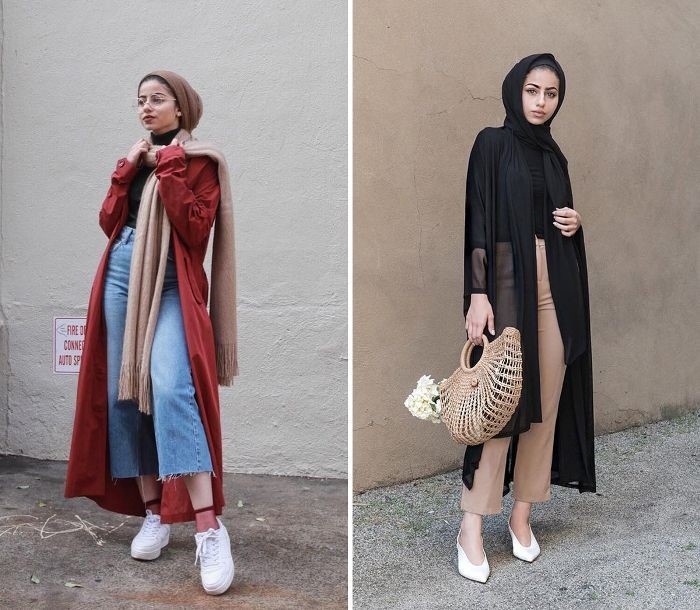
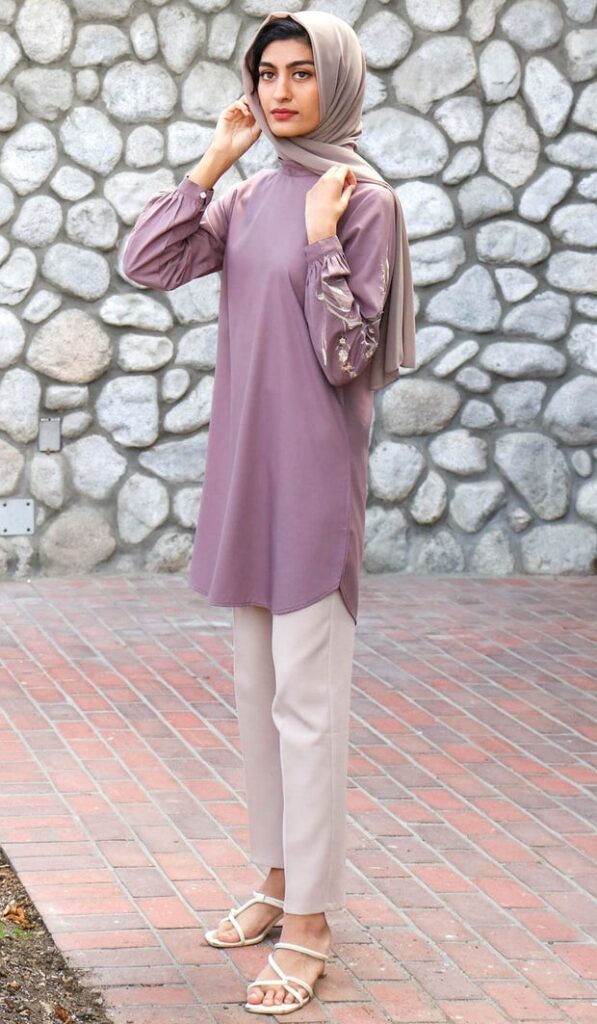
Among the popular styles in Muslim women’s clothing are long tunics, palazzo pants, and layered outfits. These pieces can be styled in various ways, allowing for personal expression. For example, a long tunic can be paired with tailored trousers or a flowing skirt, creating a versatile look suitable for different occasions. The versatility of these garments makes them ideal for both casual and formal settings, enabling women to transition seamlessly from day to night. Furthermore, the rise of online shopping has made it easier for women to access a wide range of styles, encouraging experimentation and creativity in their wardrobe choices.
Use of Color and Patterns
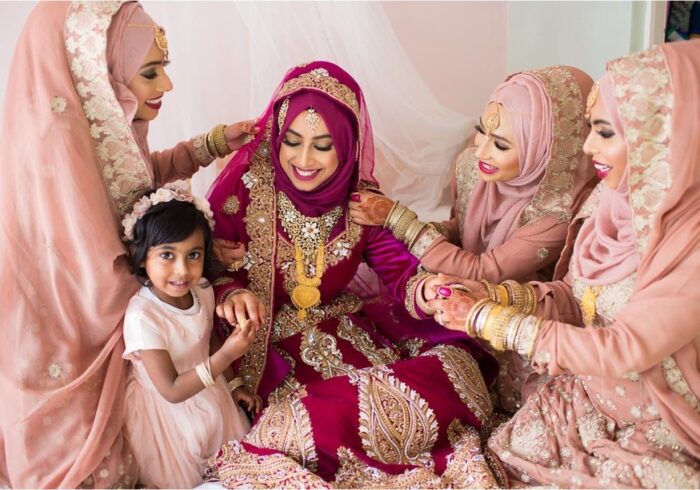
Modern Muslim fashion is also characterized by vibrant colors and intricate patterns. Designers are experimenting with bold prints and textures, moving away from the traditional monochromatic palettes. This shift not only enhances the visual appeal of modest clothing but also allows women to express their individuality through fashion. Bright colors and unique patterns can convey personality and mood, making each outfit a reflection of the wearer’s identity. Additionally, the incorporation of seasonal trends, such as floral prints in spring or rich jewel tones in winter, keeps the wardrobe fresh and exciting.
Accessories: Enhancing Modesty with Style
The Role of Accessories
Accessories play a crucial role in completing a modest outfit. Scarves, jewelry, and handbags can elevate a simple look, adding a touch of personal style. For instance, a beautifully patterned hijab can transform a basic outfit into a fashion statement. Additionally, statement jewelry can draw attention to the face, enhancing overall appearance without compromising modesty. Accessories also provide an opportunity for self-expression, allowing women to showcase their unique tastes and preferences. The right accessories can make a significant difference, turning a modest outfit into a chic ensemble that reflects the wearer’s personality.
Styling Tips
When accessorizing, it is essential to maintain the balance between modesty and style. Opting for subtle yet elegant pieces can enhance an outfit without overwhelming it. For example, delicate earrings or a simple bracelet can add sophistication without detracting from the overall modest aesthetic. Layering accessories, such as stacking rings or wearing multiple bracelets, can also create a stylish look while keeping the focus on modesty. Moreover, choosing accessories that complement the color palette of the outfit can create a cohesive and polished appearance.
The Empowering Role of Modest Fashion
Self-Expression Through Clothing
Modest fashion empowers Muslim women by allowing them to express their identity and beliefs through their clothing choices. It challenges the notion that modesty equates to a lack of style. Instead, it showcases that women can be both fashionable and modest, breaking stereotypes and redefining beauty standards. This empowerment is particularly significant in a world where women often face pressure to conform to specific beauty ideals. By embracing modest fashion, Muslim women can assert their individuality and challenge societal norms, promoting a more inclusive understanding of beauty.
Community and Representation
The rise of modest fashion has also fostered a sense of community among Muslim women. Social media platforms have become spaces for sharing fashion inspiration, tips, and personal stories. This representation is vital in promoting diversity within the fashion industry, encouraging brands to cater to a broader audience. Online communities and influencers play a crucial role in shaping trends and providing support, creating a network where women can connect and inspire one another. This sense of belonging is empowering, as it reinforces the idea that modest fashion is not just a personal choice but a collective movement.
Conclusion
The evolution of women’s clothing for Muslims reflects a dynamic interplay between modesty and fashion. As trends continue to shift, Muslim women are finding ways to embrace their cultural heritage while expressing their individuality. The future of modest fashion looks promising, with an increasing number of designers and brands recognizing the importance of this niche market. By celebrating both modesty and style, Muslim women are redefining the fashion landscape, proving that one can be fashionable while staying true to their beliefs.
How to purchase:https://looperbuy.com/search?keywords=+Women%27s+Clothing+for+Muslims
Frequently Asked Questions
1. What defines modest fashion for Muslim women?
Modest fashion for Muslim women is characterized by clothing that covers the body in a way that aligns with Islamic principles, typically involving loose-fitting garments that cover the arms and legs.
2. How can Muslim women incorporate modern trends into their wardrobe?
Muslim women can incorporate modern trends by choosing garments that blend traditional styles with contemporary designs, such as long tunics paired with stylish trousers or skirts.
3. What types of accessories are suitable for modest outfits?
Suitable accessories for modest outfits include scarves, statement jewelry, and handbags that complement the overall look without compromising modesty.
4. How does modest fashion empower Muslim women?
Modest fashion empowers Muslim women by allowing them to express their identity and beliefs through their clothing choices, challenging stereotypes and promoting diversity in fashion.
5. What are some popular styles in modern Muslim women’s clothing?
Popular styles include long tunics, maxi dresses, palazzo pants, and layered outfits, often featuring vibrant colors and intricate patterns.