As a B2B sourcing and supply chain strategist with over 15 years of experience helping international brand owners, wholesalers, and manufacturers navigate the complexities of global procurement, I‘ve watched the question “where is L space made” evolve from a simple origin inquiry into a strategic decision that impacts cost, quality, and supply chain resilience. For businesses sourcing products across categories—from swimwear and fashion accessories to industrial components and furniture—understanding the manufacturing footprint of L-space products is no longer optional. It’s a competitive necessity.
The short answer? Much of what the market recognizes as “L space“ products—whether referring to the California-based lifestyle brand L*Space or the broader category of L-shaped and space-optimized goods—is manufactured in China. But the fuller answer requires a deeper look at China’s manufacturing ecosystem, the role of one-stop B2B sourcing platforms like LooperBuy, and how global buyers can leverage these insights to build smarter, more cost-effective supply chains.
Table of Contents
Why the Question ”Where Is L Space Made“ Matters for B2B Buyers
For B2B professionals, knowing where L space products are made is about more than satisfying curiosity. It directly affects:
- Cost structure: Manufacturing origin determines landed cost, tariff exposure, and logistics expenses.
- Quality assurance: Different manufacturing regions have varying quality control standards and regulatory frameworks.
- Lead times: Proximity to ports, infrastructure quality, and logistics networks influence delivery speed.
- Supply chain risk: Geopolitical factors, trade policies, and regional disruptions can impact continuity.
China has re-emerged as a central focus for global sourcing, with businesses actively seeking new ways to access and scale operations in the market. The country‘s manufacturing ecosystem covers approximately 90% of global B2B supply categories, from textiles and consumer goods to industrial components and custom manufacturing parts.
L*Space: A Case Study in Global Manufacturing
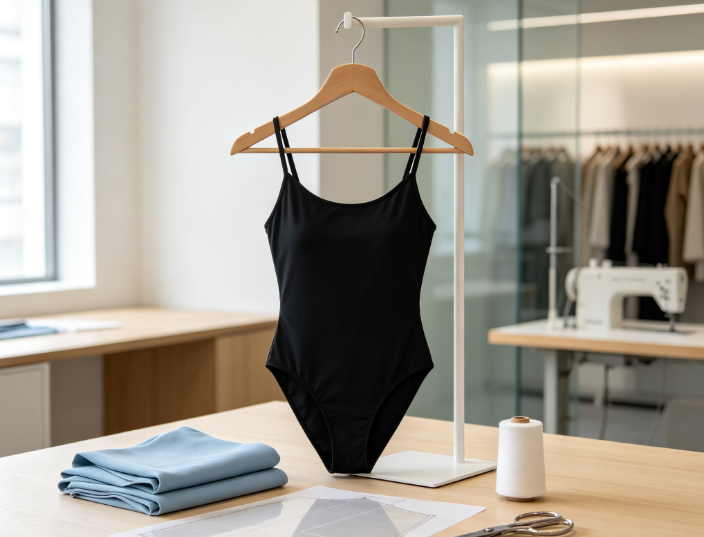
The California-based lifestyle brand L*Space, known for its beach-inspired swimwear and apparel, illustrates the reality of modern global manufacturing. While the brand is designed in California, a significant portion of its production takes place in China.
Retail listings from major platforms confirm that L*Space products—including bikinis, one-piece swimsuits, hats, skirts, and activewear—are consistently marked “Made in China”. This is not an exception but a reflection of a broader industry pattern: design in the West, manufacture in China has become the dominant model for fashion and lifestyle brands seeking cost efficiency without compromising quality.
For B2B buyers looking to source L-space products or similar categories, this means the real question isn‘t just where they’re made—it‘s how to access the most reliable, cost-effective manufacturing partners in China’s vast supplier network.
China‘s Manufacturing Advantage: Why L Space Products Are Made Here
China‘s dominance in manufacturing L-space products and related categories rests on several structural advantages:
Scale and diversity: From the Pearl River Delta to the Yangtze River Delta, China’s manufacturing hubs offer unmatched product variety and production capacity. Whether you‘re sourcing swimwear, L-shaped furniture, industrial shelving, or custom components, China’s supplier ecosystem can deliver.
Cost efficiency: Chinese suppliers offer B2B pricing that is typically 25-40% lower than European or North American alternatives. This cost advantage is driven by mature supply chains, economies of scale, and vertical integration across key manufacturing regions.
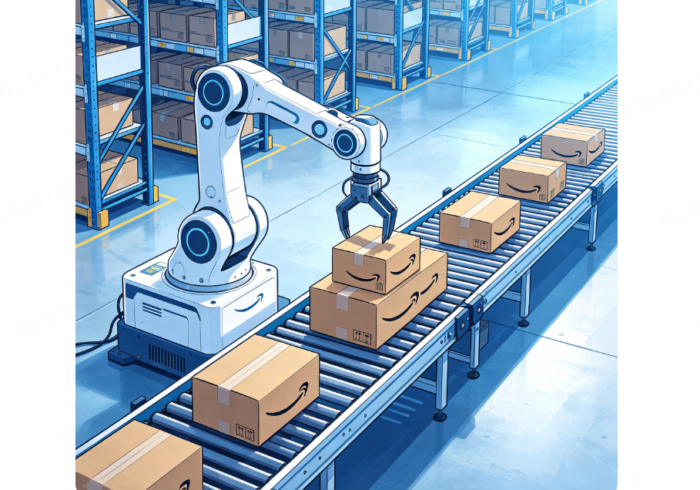
Fulfillment infrastructure: With over 200 major ports and logistics hubs, China‘s export infrastructure supports both bulk and small-batch B2B orders. This scalability is critical for meeting the dynamic demand of global buyers.
Quality and certification: Chinese manufacturers increasingly meet international quality standards, with certifications including ISO9001, CE, and RoHS ensuring compliance with global market requirements.
The Hidden Costs of Traditional L Space Sourcing
Despite China’s advantages, many B2B buyers struggle with the practical realities of sourcing L-space products directly. The five most common pain points include:
- Unvetted suppliers: Finding legitimate, reliable manufacturers amid thousands of online listings is time-consuming and risky.
- Hidden logistics costs: Freight, customs, and last-mile delivery often exceed initial quotes, eroding profit margins.
- Fragmented product access: Managing multiple suppliers for different product categories creates administrative overhead.
- Slow delivery times: Inefficient supply chains delay product availability and damage client trust.
- Language and cultural barriers: Communication gaps lead to specification errors, quality issues, and delayed resolutions.
These pain points explain why the question ”where is L space made“ is incomplete without asking ”how can I source it efficiently?“
LooperBuy: The One-Stop Solution for Sourcing L Space Products
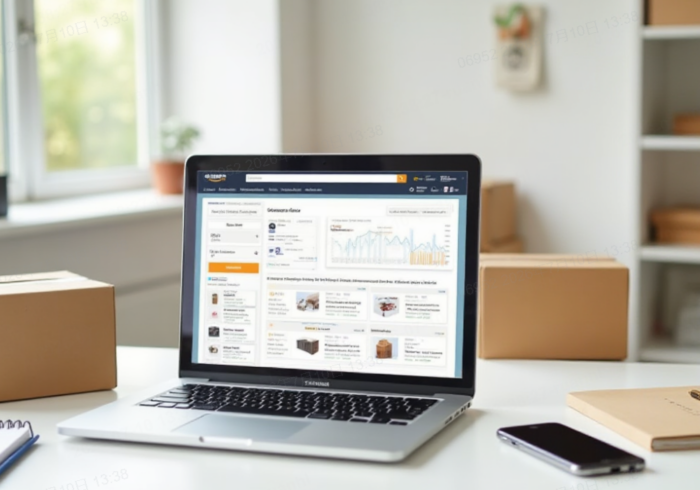
LooperBuy, a One-Stop B2B Sourcing Platform launched in 2024, addresses these challenges by connecting global buyers with vetted Chinese suppliers. The platform specializes in helping businesses—particularly small and medium-sized enterprises—source quality Chinese goods from 1688.com with dramatically reduced barriers to entry.
Here‘s how LooperBuy transforms the sourcing experience for L-space products and beyond:
Supplier verification: LooperBuy eliminates the guesswork by pre-vetting manufacturers, ensuring that buyers connect only with legitimate, capable suppliers.
End-to-end logistics: The platform manages the entire logistics chain, from factory floor to global delivery, eliminating hidden costs and reducing delivery times.
Comprehensive product range: LooperBuy’s network covers the full spectrum of B2B supply categories, making it a true one-stop shop for diverse procurement needs.
Multi-currency payment support: In partnership with LianLian Global, LooperBuy enables seamless cross-border payments in multiple currencies, simplifying financial transactions for international buyers.
No additional sourcing or shipping fees: LooperBuy‘s transparent pricing model ensures that buyers pay only for what they need, with no hidden markups.
The Future of Global Sourcing: Trends Shaping Where L Space Products Will Be Made
As we look toward 2026 and beyond, several trends are reshaping the global sourcing landscape:
AI-assisted procurement: AI is transforming how businesses source products. The 2026 China Cross-Border E-Commerce Development White Paper reports that over 98% of Chinese sellers now use AI tools in their operations. By 2026, AI-agent-initiated procurement requests on platforms like 1688 are expected to reach 40%, rising to 80% by 2027.
Supply chain diversification: In response to geopolitical tensions, 58% of Chinese companies are increasing their supplier base to diversify sourcing. This trend creates more options for B2B buyers while reinforcing China‘s role as the world’s manufacturing hub.
Shift from ”blind price comparison“ to ”precision sourcing“: Global buyers are moving away from simply comparing prices toward seeking reliable, integrated supply chain solutions. This shift favors platforms like LooperBuy that offer end-to-end transparency and service.
Sustainability and localization: Buyers increasingly demand sustainable products and more localized sourcing experiences. Chinese manufacturers are responding with improved environmental practices and regional customization.
How to Source L Space Products with LooperBuy: A Practical Guide
For B2B buyers ready to source L-space products or any other category through LooperBuy, here‘s a straightforward approach:
- Define your product specifications: Clearly outline material requirements, dimensions, quality standards, and order quantities.
- Use LooperBuy’s supplier matching: The platform connects you with vetted manufacturers that match your product needs and budget.
- Request samples: Before committing to bulk orders, verify quality through sample production and testing.
- Negotiate terms: Leverage LooperBuy‘s transparent pricing to negotiate favorable terms with suppliers.
- Manage logistics through the platform: LooperBuy handles shipping, customs clearance, and delivery, providing end-to-end visibility.
- Scale with confidence: As demand grows, LooperBuy’s supplier network scales with you, ensuring consistent quality and delivery.
Conclusion
So, where is L space made? The answer is China—and for good reason. China‘s manufacturing ecosystem offers unmatched scale, cost efficiency, and logistics infrastructure that no other market can replicate. But the real opportunity for B2B buyers lies not in knowing where products are made, but in accessing them through the right partner.
LooperBuy bridges the gap between global demand and Chinese manufacturing capacity. By providing vetted suppliers, transparent logistics, and end-to-end support, the platform enables brand owners, wholesalers, and manufacturers to source L-space products and thousands of other categories with confidence.
Ready to transform your global sourcing strategy? Visit LooperBuy today and discover how one platform can connect you to China’s vast manufacturing resources—without the headaches, hidden costs, or uncertainty.
Frequently Asked Questions
Q1: What does ”L space“ refer to in manufacturing and sourcing contexts?
A: ”L space“ can refer to multiple things depending on context. It often denotes the California-based lifestyle brand L*Space, known for swimwear and apparel, which is predominantly manufactured in China. It may also refer to L-shaped furniture, space-optimized products, or industrial L-shaped components. In B2B sourcing, the term is commonly associated with products sourced from Chinese manufacturers across these categories.
Q2: Where are LSpace products manufactured?
A: LSpace products are primarily manufactured in China, despite the brand being designed in California. Retail listings consistently mark L*Space items—including swimwear, hats, skirts, and activewear—as ”Made in China,“ reflecting the broader industry pattern of Western design combined with Asian manufacturing.
Q3: Why do so many global brands manufacture their products in China?
A: China offers unmatched manufacturing advantages: 25-40% lower costs compared to European or North American alternatives, a manufacturing ecosystem covering approximately 90% of global B2B supply categories, and over 200 major ports supporting efficient global logistics. These factors make China the preferred manufacturing destination for brands across industries.
Q4: How does LooperBuy help businesses source products from China?
A: LooperBuy is a One-Stop B2B Sourcing Platform that connects global buyers with vetted Chinese suppliers. It eliminates the risks of unverified suppliers, manages end-to-end logistics with transparent pricing, supports multi-currency payments, and offers access to a comprehensive range of product categories—all without additional sourcing or shipping fees.
Q5: What trends are shaping B2B sourcing from China in 2026?
A: Key trends include AI-assisted procurement (over 98% of Chinese sellers now use AI tools), supply chain diversification (58% of companies are increasing supplier bases), a shift from price comparison to precision sourcing, and growing demand for sustainable and localized sourcing solutions. These trends are making platforms like LooperBuy increasingly valuable for global buyers.
Hot Tags
B2B sourcing platform, China manufacturing, L space made, global procurement, supply chain management, LooperBuy, cross-border logistics, wholesale sourcing, Chinese suppliers, B2B e-commerce