Table of Contents
The Evolving Landscape of Drop Shipping Products in 2025
The drop shipping industry has undergone significant transformations in recent years, driven by technological advancements, shifting consumer behaviors, and global economic trends. As we step into 2025, the dynamics of selecting and selling drop shipping products have become more nuanced than ever. This article explores the latest strategies, pitfalls to avoid, and opportunities to capitalize on in the ever-competitive e-commerce ecosystem.
Why Drop Shipping Products Remain Relevant
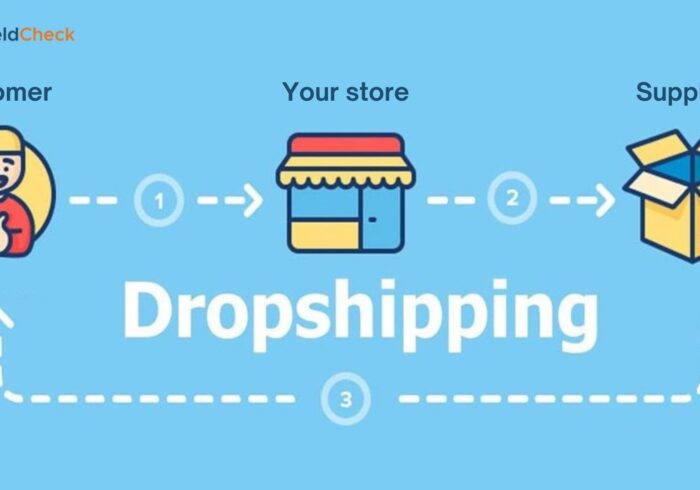
Despite criticisms about saturation and low margins, drop shipping continues to thrive as a low-risk entry point for aspiring entrepreneurs. The model eliminates the need for inventory management, reduces upfront costs, and allows sellers to focus on marketing and customer acquisition. However, success in 2025 hinges on product differentiation and niche targeting—strategies that separate winners from the crowd.
Key Trends Shaping Drop Shipping Product Selection
Sustainability as a Non-Negotiable
Modern consumers prioritize eco-friendly products, with 67% of Gen Z and Millennials willing to pay more for sustainable options. Drop shippers must align with brands offering:
- Biodegradable packaging
- Recycled materials
- Ethical sourcing practices
Rise of Niche Communities
Platforms like TikTok and Reddit have fragmented audiences into hyper-specific interest groups. Products catering to these niches—such as custom pet portraits, smart home gadgets for RV living, or vegan beauty kits—often outperform generic items.
AI-Driven Personalization
Advanced algorithms now analyze customer data to predict trends. Tools like Oberlo’s Trending Products and Shopify’s Magic Tool automate product research, but human insight remains critical to validate AI suggestions.

How to Identify Winning Drop Shipping Products
Step 1: Validate Market Demand
- Google Trends: Check seasonal spikes and geographic hotspots for products.
- Amazon Best Sellers: Identify cross-category patterns (e.g., “home office” products surged post-pandemic).
- Social Media Listening: Tools like Brand24 track viral mentions and user-generated content.
Step 2: Assess Profitability
Avoid products with razor-thin margins. Use this formula:
Profit = (Retail Price – Product Cost – Shipping – Platform Fees) × Conversion Rate
Aim for a minimum 30% profit margin after all expenses.
Step 3: Evaluate Supplier Reliability
- AliExpress Alternatives: Explore Spocket (US/EU suppliers) or CJdropshipping (private labeling).
- Communication Tests: Send inquiries to gauge response times and professionalism.
- Sample Orders: Test packaging quality and shipping speed firsthand.
Common Mistakes to Avoid
Overreliance on AliExpress
While affordable, AliExpress’s lengthy shipping times (15–30 days) harm customer retention. Diversify to regional suppliers for faster delivery.
Ignoring Brand Storytelling
Generic product descriptions fail to resonate. Craft narratives around:
- Problem-solution: “Tired of tangled cables? Our magnetic organizer solves that!”
- Lifestyle integration: “Transform your balcony into a cozy oasis with our boho planters.”
- Neglecting Mobile Optimization
Over 70% of e-commerce traffic comes from mobile devices. Ensure your store loads in <3 seconds and uses vertical-friendly layouts.
Advanced Strategies for Scaling
Leverage User-Generated Content (UGC)
Encourage customers to share photos/videos of products in use. Offer discounts for reviews or features on your social media.
Bundle Products for Upselling
Create themed bundles (e.g., “Yoga Essentials Kit” with mat, strap, and block) to increase average order value.
Explore Subscription Models
Recurring revenue models work well for consumables like coffee, skincare, or pet supplies. Use apps like Bold Subscriptions to automate billing.
Conclusion
The drop shipping landscape in 2025 demands agility, creativity, and data-driven decisions. By focusing on sustainability, niche communities, and supplier reliability, entrepreneurs can build profitable businesses without the risks of traditional inventory models. Remember: success isn’t about finding the “perfect product” but about iterating rapidly and staying ahead of consumer trends.
If you want to enjoy the full-process transfer logistics service and ensure that your goods are easily delivered to overseas addresses,you can use looperbuy, a one-stop purchasing-logistics solution:https://looperbuy.com/
Frequently Asked Questions
· What’s the ideal price range for drop shipping products? Aim for 20–200. Products below 20oftenstrugglewithprofitabilityafterfees,whileitemsabove200 face higher return rates and buyer hesitation.
· How long should I test a product before pivoting?
Allocate 2–4 weeks and 50–100 clicks to evaluate performance. If conversion rates stay below 2%, consider discontinuing.
· Can I drop ship from multiple suppliers?
Yes, but manage inventory carefully. Use tools like DSM Tool to sync stock levels and avoid overselling.
· What’s the biggest threat to drop shipping in 2025?
Platform de-risking (e.g., Amazon’s crackdown on drop shippers) and rising ad costs. Diversify sales channels to include DTC stores and social commerce.
· Is drop shipping still viable in saturated markets?
Absolutely, but focus on micro-niches. For example, instead of “fitness gear,” target “postpartum fitness recovery bands.”
Hot Tags:
Best Dropshipping Products 2025; Sustainable Dropshipping Ideas; TikTok Shop Dropshipping; AI Tools for Product Research; Niche Marketing Strategies; Print-on-Demand vs Dropshipping; Fast Shipping Suppliers; Eco-Friendly Packaging Solutions; High-Ticket Dropshipping Niches