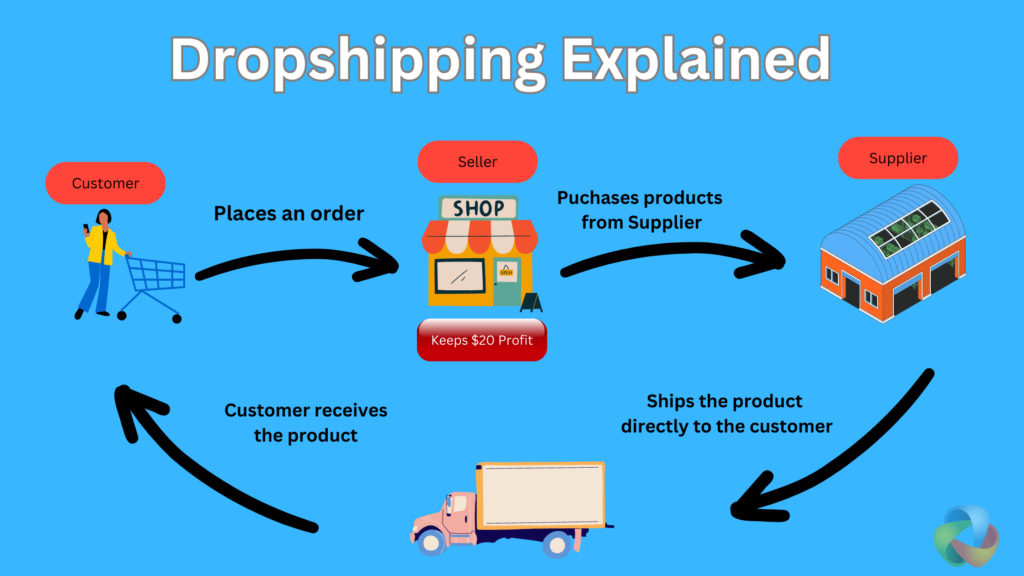
In the dynamic world of e-commerce, dropshipping has emerged as a popular business model for many aspiring entrepreneurs. With its low startup costs and minimal risk, it offers a unique opportunity to enter the online retail space. However, success in dropshipping requires more than just setting up a store; it demands knowledge, strategy, and continuous learning. This article explores some of the best resources available for those looking to dive into the world of dropshipping, focusing on essential books that provide valuable insights, strategies, and tips for success.
Table of Contents
Understanding Dropshipping
Before delving into the recommended readings, it’s crucial to understand what dropshipping entails. Dropshipping is a retail fulfillment method where a store does not keep the products it sells in stock. Instead, when a store sells a product, it purchases the item from a third party and has it shipped directly to the customer. This model allows entrepreneurs to run their businesses without the need for inventory management or warehousing.
The Appeal of Dropshipping
- Low Initial Investment: One of the most attractive aspects of dropshipping is the low barrier to entry. Entrepreneurs can start their online stores without investing heavily in inventory, making it accessible for many.
- Flexibility and Scalability: Dropshipping allows for flexibility in product offerings. Entrepreneurs can easily test different products and niches without the risk of being stuck with unsold inventory. As the business grows, scaling up is straightforward.
- Location Independence: With dropshipping, business owners can operate from anywhere with an internet connection. This flexibility is appealing to those who wish to travel or work remotely.
- Focus on Marketing and Customer Service: Since the logistics of inventory and shipping are handled by suppliers, entrepreneurs can focus on marketing their products and providing excellent customer service.
Essential Books for Dropshipping Success
To navigate the complexities of dropshipping, several books stand out as invaluable resources. These books cover various aspects of the business, from finding suppliers to marketing strategies and customer service.
- “The Ultimate Guide to Dropshipping” by Mark Hayes and Andrew Youderian
This comprehensive guide is perfect for beginners and seasoned entrepreneurs alike. It covers everything from setting up a dropshipping store to finding reliable suppliers and marketing products effectively. The authors share their personal experiences and provide actionable insights that can help readers avoid common pitfalls.
Key Takeaways
- Understanding the dropshipping business model
- How to choose the right niche and products
- Strategies for finding trustworthy suppliers
- Effective marketing techniques to drive traffic to your store
- “Dropshipping: Your Guide to Mastering Dropshipping” by Anthony Parker
Anthony Parker’s book is a practical guide that breaks down the dropshipping process into manageable steps. It emphasizes the importance of research and planning, providing readers with a roadmap to success. The book also includes tips on how to leverage social media and online marketing to boost sales.
Key Takeaways
- Step-by-step guide to starting a dropshipping business
- Importance of market research and product selection
- Utilizing social media for marketing
- Building a brand that resonates with customers
- “The 4-Hour Workweek” by Timothy Ferriss
While not exclusively about dropshipping, Timothy Ferriss’s book offers valuable insights into automating business processes and achieving a lifestyle of freedom. Ferriss discusses how to delegate tasks and streamline operations, which is particularly relevant for dropshippers looking to maximize efficiency.
Key Takeaways
- Strategies for automating business processes
- Importance of outsourcing and delegation
- Creating a lifestyle business that allows for travel and flexibility
- “E-commerce Evolved: The Essential Playbook to Build, Grow & Scale a Successful E-commerce Business” by Tanner Larsson
This book provides a holistic view of e-commerce, including dropshipping. Tanner Larsson shares his expertise on building a successful online business, focusing on the importance of customer experience and retention. The book is filled with practical advice and case studies that illustrate successful strategies.
Key Takeaways
- Building a customer-centric e-commerce business
- Strategies for scaling and growth
- Importance of data analysis and metrics in decision-making
- “The Lean Startup” by Eric Ries
Eric Ries’s book is a must-read for any entrepreneur, including those in the dropshipping space. It introduces the concept of lean methodology, which emphasizes rapid experimentation and validated learning. This approach is particularly useful for dropshippers who need to adapt quickly to market changes.
Key Takeaways
- Importance of testing and validating business ideas
- Strategies for minimizing waste and maximizing efficiency
- Adapting to customer feedback and market demands
Building a Successful Dropshipping Business
While reading these books provides a solid foundation, applying the knowledge gained is crucial for success. Here are some strategies to consider when building your dropshipping business:
Finding Reliable Suppliers
One of the most critical aspects of dropshipping is sourcing products from reliable suppliers. Research potential suppliers thoroughly, checking reviews and testimonials from other dropshippers. Platforms like AliExpress, Oberlo, and SaleHoo can help you find reputable suppliers.
Marketing Your Store
Effective marketing is essential for driving traffic to your dropshipping store. Utilize social media platforms, email marketing, and search engine optimization (SEO) to reach your target audience. Consider running paid advertising campaigns to boost visibility and attract potential customers.
Providing Excellent Customer Service
Customer service can make or break your dropshipping business. Ensure that you respond promptly to customer inquiries and address any issues that arise. Building a reputation for excellent customer service can lead to repeat business and positive word-of-mouth referrals.
Analyzing Performance Metrics
Regularly analyze your store’s performance metrics to identify areas for improvement. Use tools like Google Analytics to track website traffic, conversion rates, and customer behavior. This data can help you make informed decisions and optimize your marketing strategies.
Conclusion
Dropshipping offers a unique opportunity for aspiring entrepreneurs to enter the e-commerce space with minimal risk. By leveraging the knowledge gained from essential books and applying effective strategies, you can build a successful dropshipping business. Remember to stay adaptable and continuously seek ways to improve your operations and customer experience. The journey may be challenging, but with the right resources and mindset, success is within reach.
Ready to take your dropshipping journey to the next level and discover a wide range of products that can boost your sales? Explore the exciting offerings at https://looperbuy.com/ today!
Related Questions & Answers
· What is dropshipping? Dropshipping is a retail fulfillment method where a store sells products without holding inventory, purchasing items from third parties that ship directly to customers.
· How do I choose a dropshipping supplier? Consider factors such as product quality, shipping times, communication, and return policies when selecting a dropshipping supplier.
· What are the best books for learning about dropshipping? Some recommended books include “The Ultimate Guide to Dropshipping,” “Dropshipping: Your Guide to Mastering Dropshipping,” and “E-commerce Evolved.”
· How can I market my dropshipping store effectively? Utilize social media, email marketing, SEO, and paid advertising to drive traffic to your store and attract potential customers.
· What are the key challenges in dropshipping? Challenges include finding reliable suppliers, managing customer expectations, and dealing with shipping delays or product quality issues.
Hot Tags: Dropshipping; E-commerce; Online Business; Supplier Selection; Marketing Strategies; Customer Service; Business Automation; Lean Startup; Entrepreneurial Success