China’s clothing wholesale industry is the backbone of global fashion, supplying retailers, e-commerce giants, and boutique brands with everything from fast fashion to luxury garments. With over 40% of the world’s textiles produced in China, the country’s wholesale networks combine cutting-edge manufacturing, cost efficiency, and rapid scalability. This article provides a comprehensive guide to navigating China’s clothing wholesale ecosystem, highlighting top suppliers, key markets, and actionable strategies to optimize sourcing while addressing challenges like quality control and logistics.
Table of Contents
China’s Leading Clothing Wholesale Markets
Guangzhou: The Fast Fashion Capital
Guangzhou’s wholesale markets are synonymous with speed, variety, and affordability. Key hubs include:
- Shahe Wholesale Market : Operating from 5:00 AM to 2:00 PM daily, Shahe is a magnet for Taobao sellers and international buyers. It specializes in women’s wear, offering trendy pieces at 2–5 per unit. Suppliers like Guangzhou Yisheng Fashion update collections weekly to mirror global runway trends.
- Baima Garment Market : Catering to mid-to-high-end segments, Baima’s 10-story complex houses suppliers such as Lancy Fashion, which produces OEM garments for European luxury brands. MOQs start at 500 units, with prices 50% lower than retail.
- Zhongshan Eighth Road : Known as “Children’s Clothing Street,” this market features suppliers like Nantian Market, offering bulk orders of kids’ apparel starting at $1.50 per piece.
Hangzhou: Bridging Tradition and Innovation
Hangzhou’s Sijiqing Clothing Market merges traditional silk craftsmanship with modern design. Suppliers here, such as Zhejiang Silk Road Group, produce jacquard dresses and silk-blend scarves for luxury markets. The market also pioneers sustainability, with factories like Hangzhou Mosheng Textiles using waterless dyeing techniques.
Shenzhen: Tech-Infused Apparel Solutions
Shenzhen’s Huaqiangbei Market is a hub for tech-driven fashion. Suppliers like Shenzhen Smart Textiles produce LED-embedded activewear and temperature-regulating fabrics for global athleisure brands. Custom orders require MOQs of 300–500 units, with lead times as short as 15 days.
Yiwu: Small Orders, Big Opportunities
Yiwu International Trade City’s apparel section caters to startups with MOQs as low as 3–5 pieces per design. Suppliers like Yiwu Fashion Hub specialize in fast-fashion accessories, enabling businesses to test markets without heavy upfront costs.
Top Channels for Reliable and Sustainable Suppliers
1. Global B2B Marketplaces
- Comprehensive B2B Platforms: These host tens of thousands of apparel suppliers, many providing bulk customization, private-label services, and compliance with international standards (e.g., OEKO-TEX, REACH). Features like secure payment escrow and real-time logistics calculators streamline cross-border orders.
- Certified Export Networks: Focused on verified suppliers, these platforms specialize in niche categories like corporate uniforms or technical textiles, ensuring adherence to EU/US regulatory requirements.
2. Circular Fashion Ecosystems
- Pre-Owned Textile Processors: Large-scale operators sort and sanitize used garments, often holding ISO certifications for quality grading and export-ready packaging.
- Deadstock Fabric Innovators: Collaborating with regional factories, these suppliers transform textile waste into limited-edition collections, catering to brands prioritizing upcycled materials.
3. Regional Manufacturing Clusters
- Children’s Wear Hubs: Clusters producing over 30% of China’s kidswear supply often offer organic cotton basics at competitive prices (e.g., 2–3/unit) with low MOQs.
- Luxury Textile Centers: Specializing in premium blends like silk-cotton, these hubs serve high-end brands with MOQs from 200 units and rapid prototyping capabilities.
Strategies for Effective Supplier Selection
Due Diligence and Quality Assurance
- Certifications : Prioritize suppliers with ISO 9001 (quality management) and BSCI (ethical labor) certifications. For example, Guangzhou Lulu Apparel’s BSCI audit reports are publicly accessible on Alibaba.
- Sample Testing : Always request physical samples. Zhejiang Guoxiu Textile provides free swatches, while Shenzhen Smart Textiles offers prototype development for tech-apparel.
- Third-Party Inspections : Companies like SGS conduct pre-shipment checks for fabric composition, stitching quality, and colorfastness.
Negotiation Tactics and Logistics
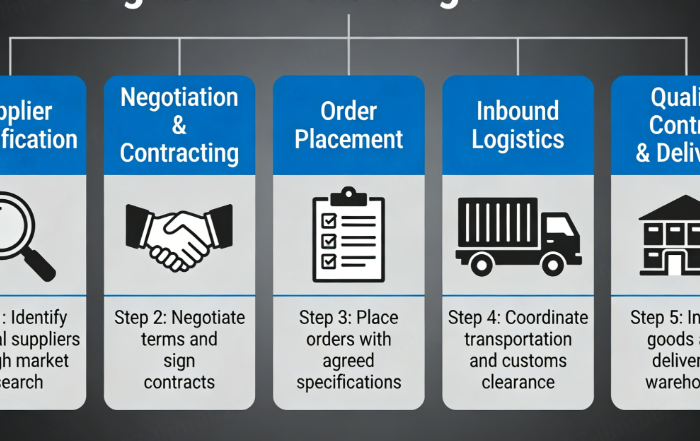
- MOQ Flexibility : Markets like Yiwu allow orders as low as 3–5 units, while premium suppliers in Hangzhou may require 500+ units. Negotiate tiered pricing—lower per-unit costs for higher volumes.
- Incoterms : FOB (Free on Board) is ideal for buyers managing their logistics, while EX-works terms shift full responsibility to the buyer.
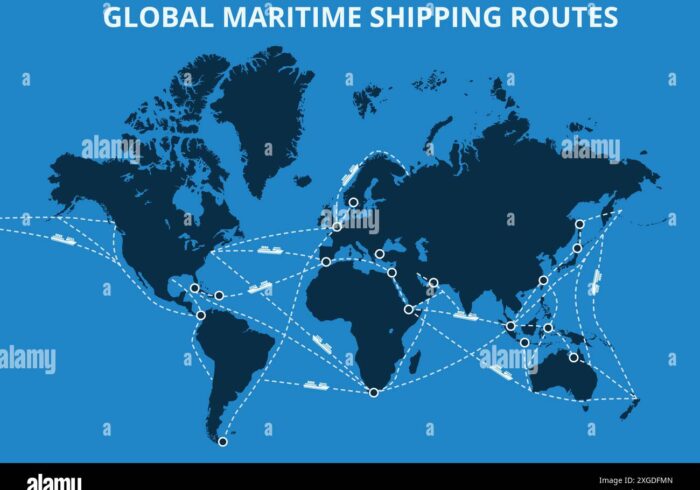
- Consolidated Shipping : Use freight forwarders like Cainiao to combine orders from multiple suppliers into single containers, reducing costs by 20–30%.
Leveraging Technology
- AI and Blockchain : Alibaba’s Qwen AI analyzes historical data to recommend suppliers based on buyer preferences. Blockchain platforms like TextileGenesis track fabric origins, ensuring ethical sourcing.
- Virtual Showrooms : Suppliers like Guangzhou Yisheng Fashion offer 3D virtual sampling, reducing prototype costs and lead times.
Overcoming Challenges in Apparel Sourcing
Quality Control Risks
Even certified suppliers may face consistency issues. Mitigate risks by:
- Including defect tolerance clauses in contracts (e.g., accepting ≤3% defects).
- Conducting mid-production inspections for large orders.
Logistical Hurdles
- Tariff Management : U.S. Section 301 tariffs add 15–25% costs on Chinese apparel. Mitigate this by sourcing synthetic fabrics (exempt from tariffs) or working with suppliers in tariff-free zones like Hainan.
- Customs Delays : Partner with brokers experienced in HS code classification to avoid hold-ups. For example, cotton dresses (HS 6204.42) require specific documentation for EU imports.
Cultural Nuances
- Relationship Building : Chinese suppliers value long-term partnerships. Regular visits to trade fairs like the Canton Fair strengthen trust.
- Clear Communication : Use platforms like WeChat for real-time updates and avoid ambiguous terms. For instance, “ASAP” is subjective—specify exact deadlines.
Future Trends Reshaping China’s Wholesale Apparel Sector
AI-Driven Production
Smart factories in Dongguan use AI-powered pattern-cutting machines, reducing fabric waste by 15% and cutting lead times to 10 days. Brands like Shein leverage big data to predict trends, enabling suppliers to pivot production within 72 hours.
Circular Fashion Innovations
The Chinese government’s 2025 Circular Economy Plan incentivizes textile recycling. Suppliers like Wenzhou Tiancheng convert post-consumer PET bottles into polyester yarn, while Hangzhou Mosheng Textiles launched a carbon-neutral activewear line in 2024.
Expansion into Emerging Markets
Chinese wholesalers are targeting Africa’s 31billionapparelmarket.HissenGlobalships15containersmonthlytoKenya,offeringsortedsecondhandjeansat0.50 per kilogram. Similarly, platforms like Jumia partner with Zhejiang suppliers to deliver affordable fashion to Nigeria.
Customization and Hyper-Personalization
Shenzhen’s tech hubs now offer on-demand printing and embroidery services. Suppliers like Yiwu Custom Apparel fulfill 100-piece orders with unique designs in 7 days, catering to influencer-driven microbrands.
Conclusion
China’s clothing wholesale ecosystem offers unmatched opportunities for businesses to scale efficiently, but success requires meticulous planning. By prioritizing supplier verification, adopting technology-driven tools, and staying ahead of sustainability trends, buyers can navigate challenges like quality control and logistics. As AI and circular fashion redefine the industry, agility and strategic partnerships will remain key to leveraging China’s wholesale dominance.
If you want to do ordering directly without registering 1688(a China’s high-quality goods platform), you can use looperbuy, a one-stop purchasing-logistics solution:https://looperbuy.com/
FAQs
- What are the best platforms to find sustainable clothing suppliers in China?
International B2B platforms with dedicated sustainability channels and domestic wholesale networks are ideal for connecting with suppliers specializing in recycled fabrics, organic materials, and eco-certified processes (e.g., GOTS, GRS). Look for suppliers offering transparency in material traceability and partnerships with third-party auditors like SGS.
- How do MOQs vary across different Chinese wholesale markets?
Markets like Yiwu offer MOQs as low as 3–5 units for accessories, while premium suppliers in Shenzhen or Hangzhou may require 500+ units for custom tech-apparel or silk garments.
- What are the risks of sourcing secondhand clothing from China?
Quality grading inconsistencies and import restrictions in countries like Kenya or Rwanda. Mitigate risks by partnering with certified exporters like Hissen Global, which provides inspection reports.
- How can small businesses manage shipping costs from China?
Use consolidated shipping services, negotiate FOB terms, and leverage Alibaba’s logistics partners for discounted rates. Platforms like Flexport offer real-time freight quotes.
- What role does blockchain play in China’s apparel supply chains?
Blockchain platforms like TextileGenesis ensure transparency by tracking raw material origins, production stages, and labor conditions, critical for ethical compliance and brand reputation.
Hot Tags:Premium Women’s Fashion Catalogs; Men’s Streetwear Bulk Suppliers; Luxury Silk Fabric Manufacturers; Plus-Size Apparel Factory Direct; Activewear Wholesale Price Lists; Custom Embroidery Clothing Partners; Organic Cotton Garment Suppliers; Vintage-Inspired Textile Vendors; Winter Outerwear Manufacturer Directory